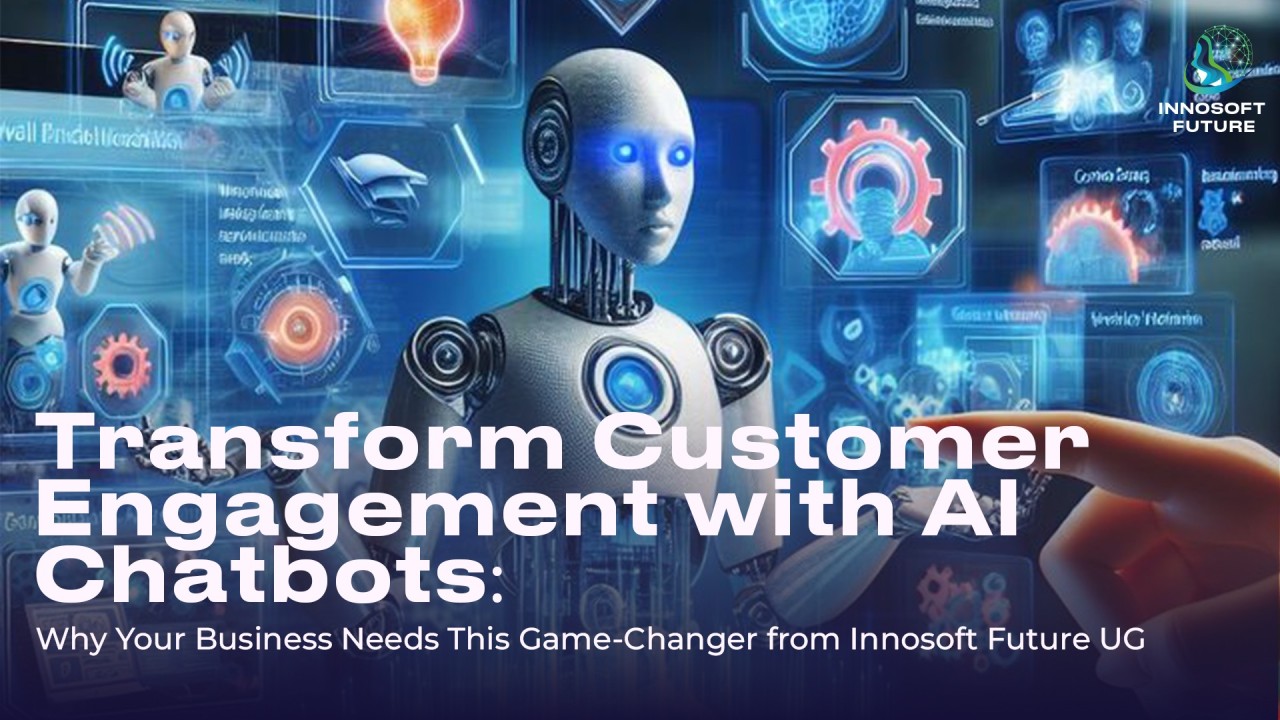
In the digital age, where user attention spans are fleeting and expectations for seamless interaction are soaring, businesses are turning to a transformative tool: anthropomorphic chatbots. These digital entities, designed with human-like traits, are not merely functional assistants—they are becoming the bridge between cold automation and warm, relatable conversation. By infusing personality, empathy, and a touch of humanity into their interactions, anthropomorphic chatbots are redefining user engagement across industries. From e-commerce platforms to healthcare portals, these conversational agents are proving that the future of customer interaction lies not in transactional exchanges, but in meaningful, almost human-like dialogues.
The Psychology Behind Anthropomorphism in Chatbots
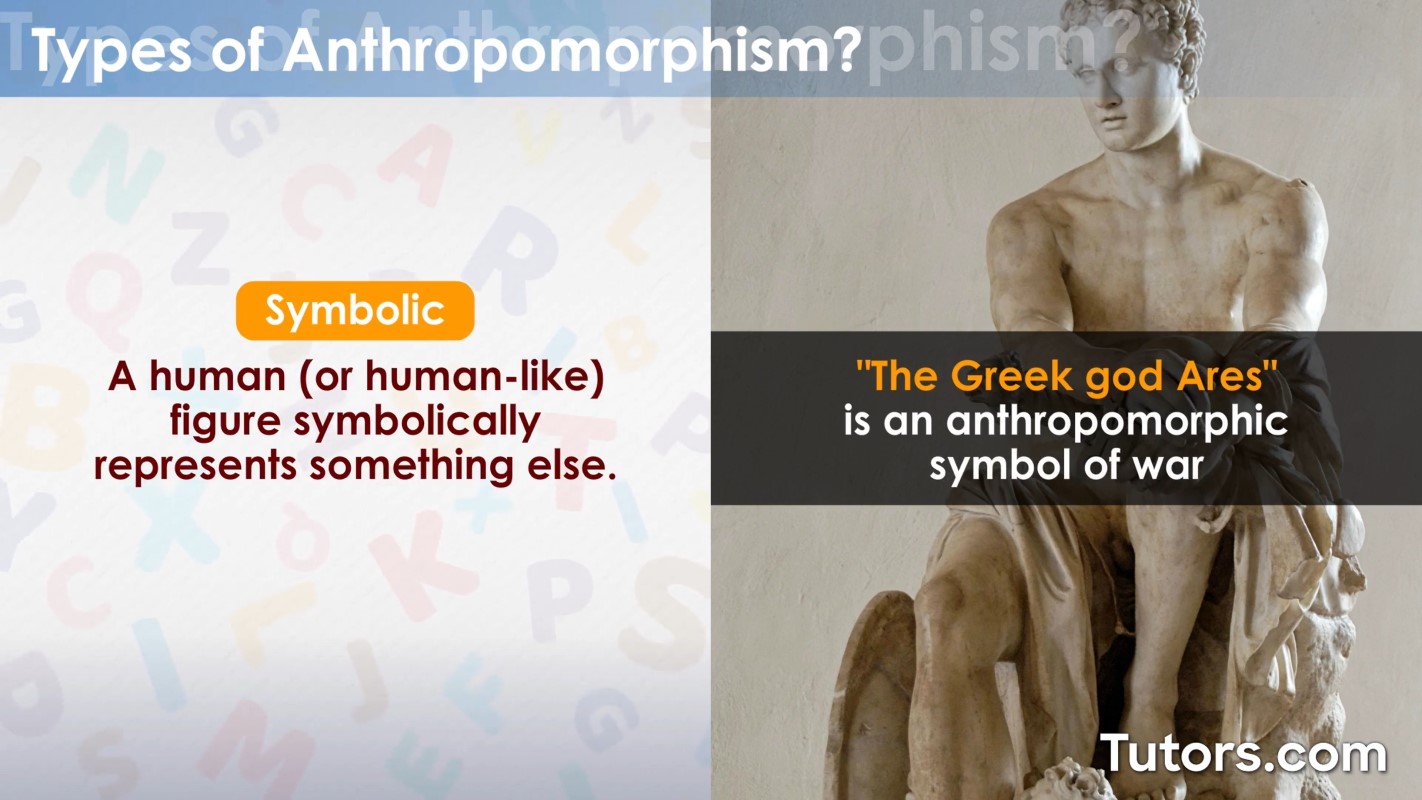
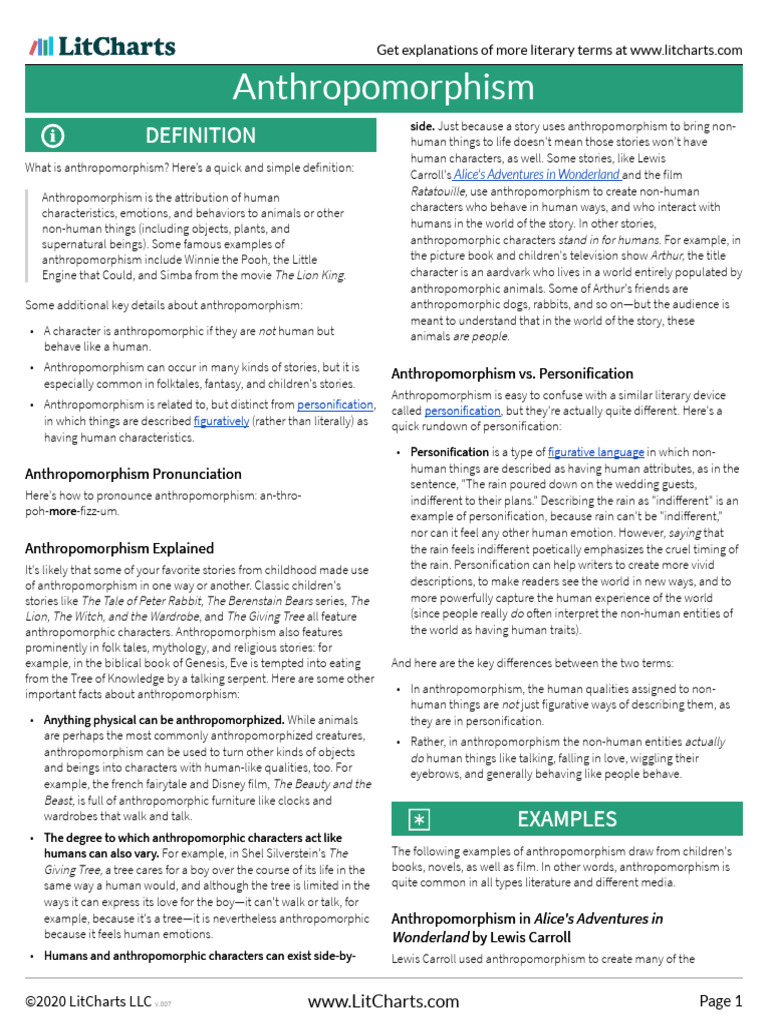
At the heart of anthropomorphic chatbots lies a profound psychological phenomenon: anthropomorphism—the tendency of humans to attribute human characteristics to non-human entities. When a chatbot greets users by name, uses empathetic language, or even cracks a light joke, it triggers a subconscious response. Studies in cognitive psychology reveal that people are more likely to trust and engage with entities that resemble them in behavior and appearance. This phenomenon, rooted in our evolutionary history of social interaction, explains why users often feel more comfortable confiding in a chatbot that “understands” their emotions than in a sterile, rule-based system.
Moreover, anthropomorphic chatbots leverage the concept of social presence—the feeling that another intelligent being is interacting with you in real time. When a chatbot responds with phrases like “I’m here to help!” or “I understand how you feel,” it creates a virtual social bond. This bond reduces the psychological distance between the user and the technology, making interactions feel less transactional and more conversational. The result? Higher user retention, increased time spent on platforms, and a stronger emotional connection to the brand.
Types of Content Readers Can Expect from Anthropomorphic Chatbots
Anthropomorphic chatbots are not one-size-fits-all; they adapt their content and tone to suit diverse user needs and preferences. For the curious explorer, they offer informational narratives—detailed explanations delivered in a conversational style. Imagine a chatbot guiding a user through the intricacies of a new software tool, not with a dry manual, but with a story-like walkthrough filled with analogies and relatable examples. For the decision-maker, they provide persuasive storytelling, weaving data-driven insights into compelling narratives that highlight benefits and address concerns. A chatbot in an e-commerce setting might say, “Imagine never having to wait in line again—our AI assistant is here to make shopping effortless.”
For the emotionally driven user, anthropomorphic chatbots excel in empathic dialogue. They recognize frustration, celebrate successes, and offer reassurance with phrases like, “I see this is frustrating for you—let’s find a solution together.” This emotional intelligence transforms a simple query into a supportive interaction, fostering loyalty and trust. Meanwhile, for the analytical user, they deliver data-rich summaries in digestible formats, blending human-like readability with hard facts. A financial chatbot might present a user’s spending habits in a narrative format: “Last month, you spent 30% more on dining out than usual—would you like to set a budget reminder?”
Finally, for the entertainment-seeking audience, anthropomorphic chatbots can serve as interactive storytellers, crafting personalized narratives based on user inputs. Whether it’s a choose-your-own-adventure game, a virtual tour guide, or a creative writing assistant, these chatbots turn passive scrolling into active participation. The key lies in their ability to pivot seamlessly between these content types, ensuring every interaction feels tailored and purposeful.
Enhancing User Engagement Through Personalization and Adaptability
Personalization is the cornerstone of modern user engagement, and anthropomorphic chatbots are its most potent enablers. Unlike static FAQ bots, these advanced agents learn from each interaction, refining their responses to align with individual preferences. They remember past conversations, anticipate needs, and even mimic the user’s communication style—whether it’s formal, casual, or humorous. This adaptability makes users feel seen and understood, a rarity in the digital landscape where mass communication often feels impersonal.
Consider a healthcare chatbot assisting a patient with chronic pain management. Instead of delivering generic advice, it might say, “I recall you mentioned your pain flares up after long workdays. Would you like to explore relaxation techniques tailored to your schedule?” Such specificity not only improves the quality of assistance but also demonstrates a level of care that static systems cannot replicate. Furthermore, anthropomorphic chatbots can adjust their tone based on user sentiment. A frustrated user might receive a calm, reassuring response, while an excited user could be met with enthusiastic encouragement. This emotional attunement turns every interaction into a positive touchpoint, reinforcing brand affinity.
The Role of Visual and Tone Consistency in Humanizing Chatbots
Anthropomorphism extends beyond words—it encompasses visual cues and tonal consistency. A chatbot’s avatar, whether a cartoon character, a realistic avatar, or even a simple emoji, plays a crucial role in shaping user perception. A friendly, approachable design invites interaction, while a professional avatar signals expertise. Consistency in visual representation builds familiarity, making users more likely to engage over time. Similarly, the chatbot’s tone—whether it’s witty, empathetic, or authoritative—must align with the brand’s identity and the user’s expectations. A luxury brand’s chatbot might adopt a polished, sophisticated tone, while a gaming platform’s bot could embrace humor and slang.
Visual and tonal consistency also extend to the chatbot’s responses. For instance, if a chatbot uses contractions like “don’t” and “can’t” in one interaction, it should maintain that style in future exchanges to avoid jarring the user. This attention to detail creates a cohesive experience that feels less like interacting with a machine and more like conversing with a trusted companion. Brands that master this balance often see higher engagement rates, as users subconsciously perceive the chatbot as an extension of the company itself.
Real-World Applications: Where Anthropomorphic Chatbots Shine
The versatility of anthropomorphic chatbots makes them invaluable across a spectrum of industries. In e-commerce, they act as virtual shopping assistants, guiding users through product selections with personalized recommendations and storytelling. A fashion retailer’s chatbot might say, “Based on your recent searches, I think you’d love this jacket—it’s perfect for your upcoming trip to the mountains.” In healthcare, they serve as compassionate companions, offering mental health support, medication reminders, and symptom checkers with empathetic language. A mental health chatbot could respond to a user’s stress with, “I hear you’re feeling overwhelmed today. Would you like to talk about it, or try a quick breathing exercise together?”
In the education sector, anthropomorphic chatbots are transforming learning experiences by acting as tutors, motivators, and even peers. They can explain complex concepts in simple terms, adapt to different learning paces, and provide encouragement. A language-learning chatbot might say, “You’re doing great! Let’s practice your Spanish—how would you say ‘I love reading’?” Meanwhile, in customer service, they reduce wait times and frustration by handling routine queries with patience and humor. A telecom company’s chatbot might quip, “I know dealing with billing questions isn’t fun—let’s get this sorted quickly so you can get back to binge-watching your favorite show.”
These applications underscore a critical truth: anthropomorphic chatbots are not just tools; they are experiences. They transform mundane tasks into engaging interactions, making users feel valued and understood. As technology advances, the line between human and machine interaction will continue to blur, and businesses that embrace this evolution will reap the rewards of deeper engagement and unwavering loyalty.
Future Trends: The Evolving Landscape of Anthropomorphic Chatbots
The future of anthropomorphic chatbots is poised for even greater innovation, driven by advancements in artificial intelligence and natural language processing. One emerging trend is the integration of emotional intelligence—chatbots that can detect user emotions through voice tone, text sentiment, or even facial expressions (in video interactions). Imagine a customer service chatbot that senses frustration in a user’s voice and immediately escalates the issue to a human agent with a note: “This user sounds upset—let’s prioritize their request.”
Another exciting development is the rise of multimodal chatbots, which combine text, voice, and visual elements to create richer interactions. A virtual real estate assistant might show users property images while describing features in a conversational tone, or a fitness coach could demonstrate exercises via video chat. These multimodal capabilities make interactions more immersive and engaging, catering to diverse user preferences.
Additionally, the concept of collaborative chatbots is gaining traction. These agents don’t just respond to user queries—they proactively initiate conversations based on user behavior. For example, a music streaming platform’s chatbot might message a user: “I noticed you’ve been listening to jazz lately. Would you like me to curate a playlist for your next workout?” This proactive approach turns passive users into active participants, fostering a sense of connection and anticipation.
As these trends unfold, the potential for anthropomorphic chatbots will only expand. They will become more than just interfaces—they will be companions, guides, and confidants. For businesses, the message is clear: investing in anthropomorphic chatbots is not just about automation; it’s about creating a future where technology feels human.