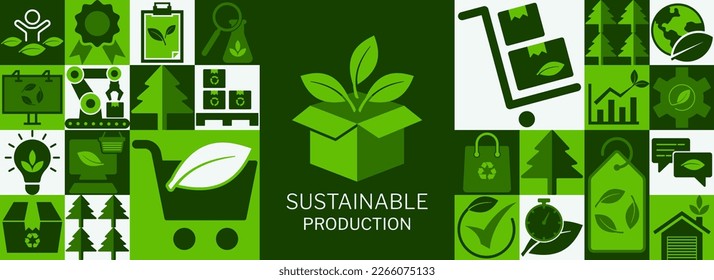
In the quiet hum of a sunlit café, where the aroma of fair-trade coffee mingles with the soft chatter of patrons, a curious phenomenon unfolds. A cardboard cup adorned with a whimsical face—eyes like liquid kindness, lips curled in a knowing smile—watches over the morning ritual. This is not mere packaging. It is a silent ambassador of connection, a vessel of meaning that whispers to the consumer: *You are seen. Your choices matter.* This is the quiet power of anthropomorphism in sustainable product marketing—a strategy that transforms inert objects into empathetic companions on the journey toward ecological responsibility.
The Allure of the Human Touch in an Inanimate World
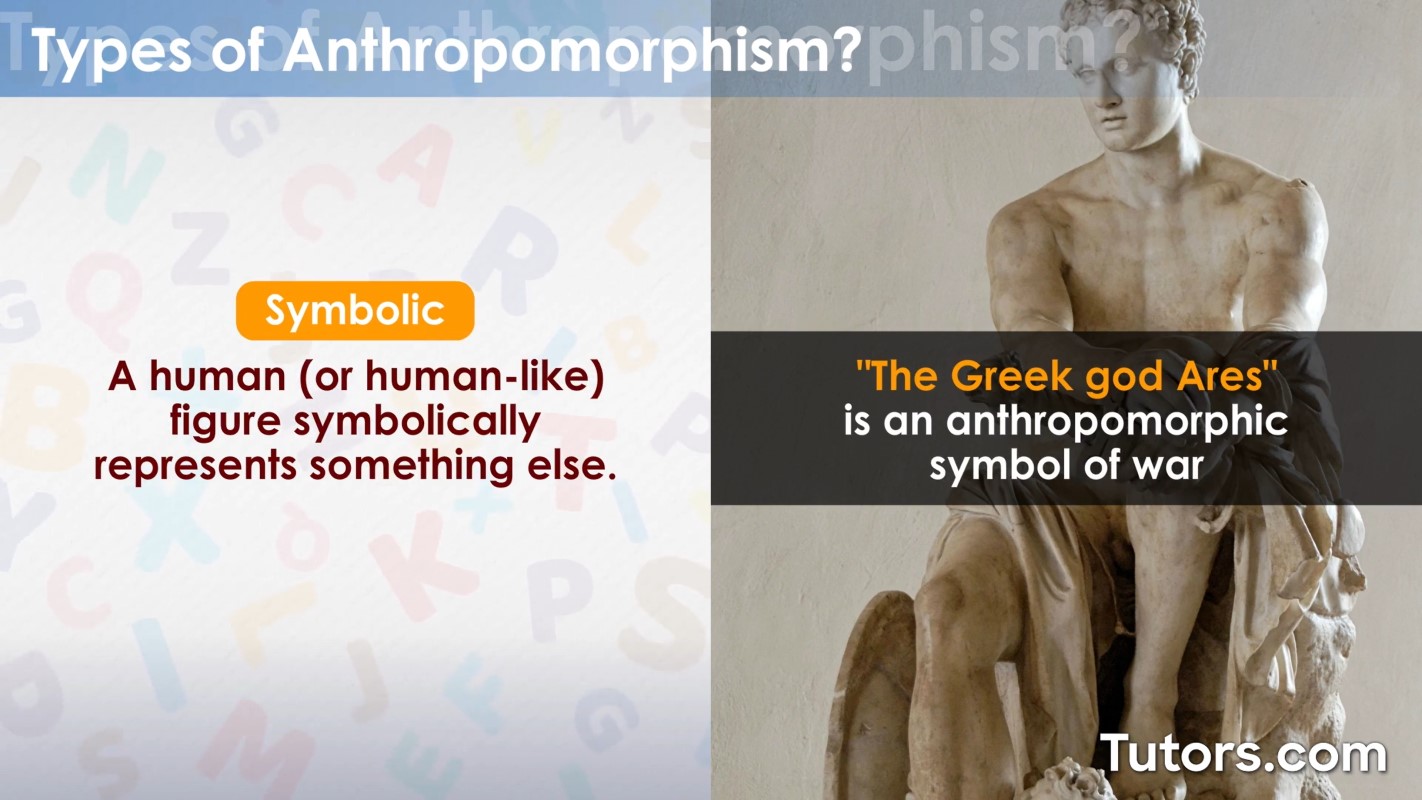
We live in an era where products are often reduced to transactional entities—efficient, disposable, and emotionally neutral. Yet, humans are not wired for detachment. Our brains, honed by millennia of social evolution, seek connection even where none logically exists. Anthropomorphism—the attribution of human traits, emotions, or intentions to non-human entities—taps into this primal instinct. When a reusable water bottle is designed with a face, or a tote bag sports a pair of eyes, it ceases to be a mere accessory. It becomes a participant in our daily narrative, a silent confidant in our ethical dilemmas.
This phenomenon is not superficial whimsy. It is a cognitive shortcut, a way for our overstimulated minds to process complexity. Sustainable products often demand sacrifice—higher costs, inconvenience, delayed gratification. Anthropomorphism softens this cognitive dissonance by making the abstract tangible. A solar panel shaped like a sunflower doesn’t just generate energy; it radiates optimism. A compostable toothbrush with a cheerful grin doesn’t just clean teeth; it nurtures the planet with a wink. In this alchemy of form and function, sustainability becomes less a duty and more a dialogue.
A solar panel modeled after a sunflower, embodying the fusion of technology and nature through anthropomorphic design.
From Empathy to Action: The Psychology of Relatability
Anthropomorphism does more than charm; it catalyzes behavior. Studies in consumer psychology reveal that products with human-like features elicit stronger emotional responses, which in turn drive purchase intent—especially when sustainability is involved. The reason lies in the mirror neuron system, a neural network that fires not only when we perform an action but also when we observe someone else doing it. When a product “smiles” at us, our brain momentarily suspends disbelief and reacts as if it were interacting with a fellow being.
This neurological mimicry extends to moral responsibility. When a brand imbues its packaging with a face, it implicitly invites the consumer into a social contract. The product is no longer a passive object but an entity with agency—one that “wants” to be recycled, “prefers” to be reused, or “feels” gratitude for being chosen. This subtle shift transforms the act of consumption from a solitary transaction into a shared experience. The consumer doesn’t just buy a bar of ethically sourced soap; they become its steward, its advocate, its temporary guardian.
Consider the rise of “eco-avatars”—brands that personify their sustainable initiatives through mascots or characters. These entities serve as emotional anchors, making abstract concepts like carbon footprints or circular economies digestible. A cartoon polar bear on a shampoo bottle doesn’t just symbolize endangered species; it becomes a rallying point for collective action. The consumer’s relationship with the product evolves from transactional to relational, and with it, the likelihood of long-term loyalty and advocacy.
Designing with Dignity: Ethical Considerations in Anthropomorphic Marketing
Yet, for all its potential, anthropomorphism in sustainable marketing is not without ethical pitfalls. The line between endearing and exploitative is thin, and crossing it risks trivializing serious environmental issues. A plastic bottle with a cartoon face may encourage recycling, but does it obscure the larger problem of plastic pollution? The challenge lies in balancing charm with sincerity—ensuring that the human-like features serve not as a distraction but as a bridge to deeper engagement.
Ethical anthropomorphism requires authenticity. The traits assigned to a product must align with its actual environmental impact. A biodegradable fork that “smiles” should not be paired with a narrative of industrial efficiency that belies its true decomposability. Similarly, the emotional appeal must be grounded in transparency. If a brand claims its product “cares” about the planet, it must demonstrate that care through verifiable actions—transparent sourcing, fair labor practices, or measurable carbon offsets.
Moreover, cultural sensitivity is paramount. Not all societies perceive anthropomorphism in the same way. In some cultures, human-like representations of objects may be seen as sacrilegious or inappropriate. Brands must navigate these nuances with care, ensuring their messaging resonates across diverse audiences without veering into cultural appropriation or insensitivity.
A biodegradable fork featuring a smiling face, illustrating how anthropomorphic design can make eco-friendly products more approachable.
The Alchemy of Storytelling: Weaving Narratives Around Inanimate Objects
Anthropomorphism thrives in the realm of storytelling. A product’s human-like features become the starting point for a larger narrative—one that invites the consumer to co-create meaning. This narrative might take the form of a brand mythos, where the product is a character in a larger saga of environmental stewardship. Or it might be a micro-story, a fleeting moment of connection that lingers in the consumer’s mind long after the purchase is made.
Take, for example, a line of reusable food wraps designed to resemble a family of seals. Each wrap has a distinct “personality”—one is playful, another nurturing, the third wise and watchful. The consumer doesn’t just buy a product; they adopt a member of this seal family, each with its own backstory of ocean conservation. The narrative transforms the act of wrapping a sandwich into a ritual of care, both for the food and for the planet.
This storytelling approach leverages the power of metaphor to make sustainability feel personal. When a product is imbued with a narrative, it transcends its physical form. It becomes a symbol of values, a talisman of identity. The consumer doesn’t just use the product; they perform a role within the story, aligning their actions with the narrative’s moral compass.
Beyond the Shelf: Anthropomorphism in the Circular Economy
The impact of anthropomorphism extends beyond the point of sale. In the circular economy—where products are designed to be reused, repaired, or repurposed—the human-like features of a product can encourage prolonged engagement. A pair of shoes with a “face” on the sole might inspire the owner to care for them longer, not out of obligation, but out of affection. A reusable water bottle that “ages” gracefully, its human-like features becoming more pronounced with use, fosters a sense of attachment that discourages disposal.
This emotional durability is a cornerstone of sustainable design. In a world where planned obsolescence is the norm, anthropomorphism offers a counter-narrative: *What if products could grow old with us, not just alongside us?* By designing for emotional longevity, brands can reduce waste not through coercion, but through connection. The product becomes a companion, a witness to the consumer’s journey, and in turn, the consumer becomes a custodian of its lifecycle.
Consider the case of a brand that sells modular furniture designed to resemble a community of tiny, interconnected houses. Each piece is crafted to be disassembled and reassembled, its “residents” migrating from one configuration to another. The anthropomorphic design invites the consumer to imagine the furniture as a living entity, one that evolves with their needs. This narrative of adaptability and resilience makes the product more than a purchase—it becomes a part of the consumer’s home and, by extension, their identity.
The Future: A World Where Products Have Souls
As technology advances, the line between object and entity will continue to blur. Artificial intelligence and the Internet of Things may soon allow products to “speak” back, to respond to their owners with voices that are warm, witty, or wise. In this future, anthropomorphism will evolve from static design choices to dynamic interactions, where a product’s personality is as fluid as the consumer’s needs.
Yet, with this potential comes responsibility. The more human-like a product becomes, the greater the ethical stakes. Brands must ensure that their anthropomorphic strategies do not manipulate or infantilize consumers but instead empower them. The goal is not to create a world where products have souls, but to foster a world where consumers feel seen, heard, and connected—to each other, to the planet, and to the objects they choose to bring into their lives.
In the end, anthropomorphism in sustainable product marketing is more than a tactic. It is a recognition of our shared humanity—a reminder that even in a world of plastic and pixels, we crave connection. And perhaps, in that craving, lies the seed of a more sustainable future.