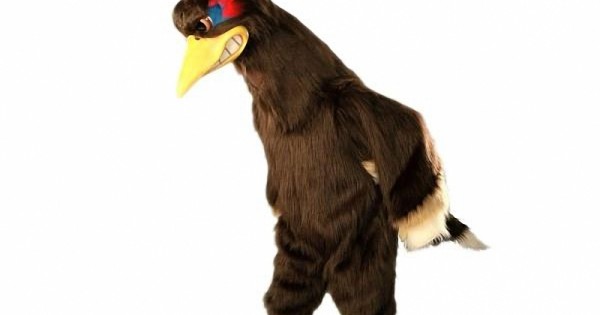
In the grand theater of consumer psychology, few characters command attention as effortlessly as mascots. These anthropomorphic ambassadors of brands don’t just stand in the background—they leap into the spotlight, transforming mundane transactions into memorable experiences. But why do we, as humans, gravitate toward these costumed emissaries with such fervor? The answer lies not in the fabric of their costumes, but in the intricate workings of our own minds, where emotions, memories, and subconscious associations collide to create an almost magnetic pull toward the familiar faces of brands. This exploration peels back the layers of anthropomorphic branding to reveal the psychological undercurrents that make mascots irresistibly effective.
The Allure of the Familiar: How Mascots Tap Into Our Innate Love for Faces
Humans are hardwired to seek out faces. From infancy, our brains prioritize facial recognition as a survival mechanism, a trait that extends into adulthood as a preference for anything that resembles a human countenance. Mascots exploit this evolutionary quirk by embodying exaggerated, cartoonish versions of faces—oversized eyes, expressive mouths, and dynamic postures that scream “look at me!” This phenomenon, known as pareidolia, describes our tendency to perceive human-like features in inanimate objects. A mascot, then, is the ultimate pareidolic delight: a walking, talking face that beckons us to engage. When we encounter a mascot, our brains release a cascade of oxytocin, the “bonding hormone,” which fosters trust and emotional connection. It’s no wonder we feel an almost instinctive warmth toward these costumed characters—they’re designed to mirror the very essence of human interaction.
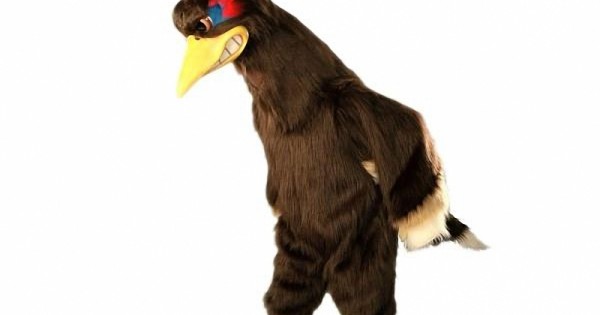
The Power of Storytelling: Mascots as Living Narratives
Mascots are not merely static symbols; they are living, breathing stories. Every mascot carries a narrative—whether it’s the underdog antics of a chipmunk or the regal poise of a lion—each character embodies a brand’s ethos in a way that static logos never could. This storytelling aspect triggers the narrative transportation effect, where audiences become emotionally invested in the tale unfolding before them. Consider the mascot of a fast-food chain: its exaggerated, friendly demeanor isn’t just for show. It’s a visual shorthand for the brand’s promise of speed, joy, and community. When we see a mascot, we don’t just recognize a character; we recall the stories we’ve associated with it over time, from childhood memories to recent advertisements. This narrative depth transforms mascots from mere marketing tools into cultural touchstones, embedding brands into the fabric of our personal histories.
Emotional Alchemy: How Mascots Convert Cynicism into Affection
In an era where consumers are increasingly skeptical of overt advertising, mascots offer a disarming alternative. Their exaggerated, often whimsical personas create a buffer between the brand and the audience, allowing emotions to flourish without the interference of corporate skepticism. This emotional alchemy works because mascots operate on the principle of benign masquerade—they present themselves as playful, non-threatening figures that invite interaction rather than demand it. A mascot’s antics, whether it’s a clumsy dance or a hearty laugh, humanize the brand, making it relatable. This relatability is crucial in a world where consumers crave authenticity. By donning a mascot costume, a brand sheds its impersonal facade and steps into the realm of the personal, where emotions like joy, nostalgia, and even mischief can take center stage.
The Science of Recognition: Why Mascots Stick in Our Minds
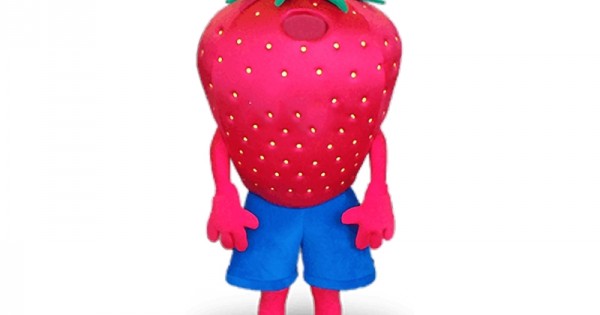
Cognitive psychology tells us that our brains are wired to remember the unusual. Mascots, with their vibrant colors, exaggerated features, and dynamic movements, are the epitome of the “bizarre effect” in memory retention. This phenomenon explains why mascots like the Pillsbury Doughboy or the Michelin Man are instantly recognizable, even decades after their inception. The key lies in the mascot’s ability to create a distinctive memory trace—a unique neural pathway that ensures the character is recalled with ease. Additionally, mascots often leverage semantic satiation, where repeated exposure to a word or image (in this case, the mascot’s name or appearance) temporarily reduces its cognitive impact. However, when that repetition is paired with emotional engagement—such as laughter or nostalgia—the brain resists satiation, keeping the mascot fresh in our minds. This is why mascots endure: they are not just seen; they are experienced.
From Costumes to Culture: The Ripple Effect of Mascot Influence
The impact of mascots extends far beyond the point of sale. They infiltrate popular culture, becoming symbols that transcend their original purpose. Think of the Energizer Bunny, which evolved from a mere advertising gimmick into a cultural icon representing persistence and endurance. Mascots like these don’t just sell products; they shape cultural narratives, influencing everything from fashion to social media trends. This ripple effect is a testament to the mascot’s ability to become a cultural artifact—an object imbued with meaning that resonates across generations. When a mascot achieves this status, it transcends its role as a marketing tool and becomes a shared language, a way for communities to bond over shared experiences and memories.
The Future of Anthropomorphic Branding: Where Do Mascots Go Next?
As technology advances, so too does the potential of mascots. Augmented reality (AR) and virtual reality (VR) are already enabling brands to create interactive, immersive mascot experiences that blur the line between the digital and physical worlds. Imagine a mascot that appears in your living room via AR, engaging in a real-time conversation with your family, or a VR mascot that guides you through a virtual store. These innovations promise to deepen the emotional connection between brands and consumers, taking anthropomorphic branding to new heights. Yet, the core principle remains unchanged: mascots succeed because they tap into the fundamental human desire for connection, storytelling, and recognition. The future of mascots lies not in their ability to adapt to new technologies, but in their capacity to adapt to the ever-evolving landscape of human emotion.

Mascots are more than just colorful distractions; they are psychological masterpieces, crafted to resonate with the deepest parts of our humanity. By understanding the intricate dance between emotion, memory, and storytelling, brands can harness the power of mascots to create connections that last a lifetime. In a world where attention is the most valuable currency, mascots offer something priceless: a moment of joy, a spark of recognition, and a memory that lingers long after the costume is packed away.