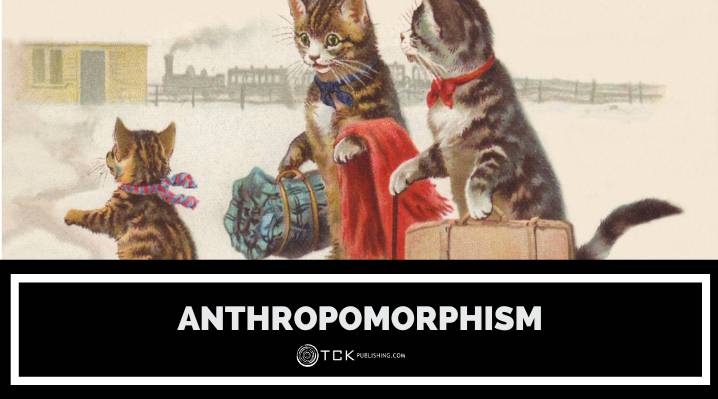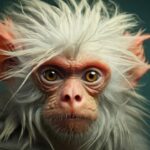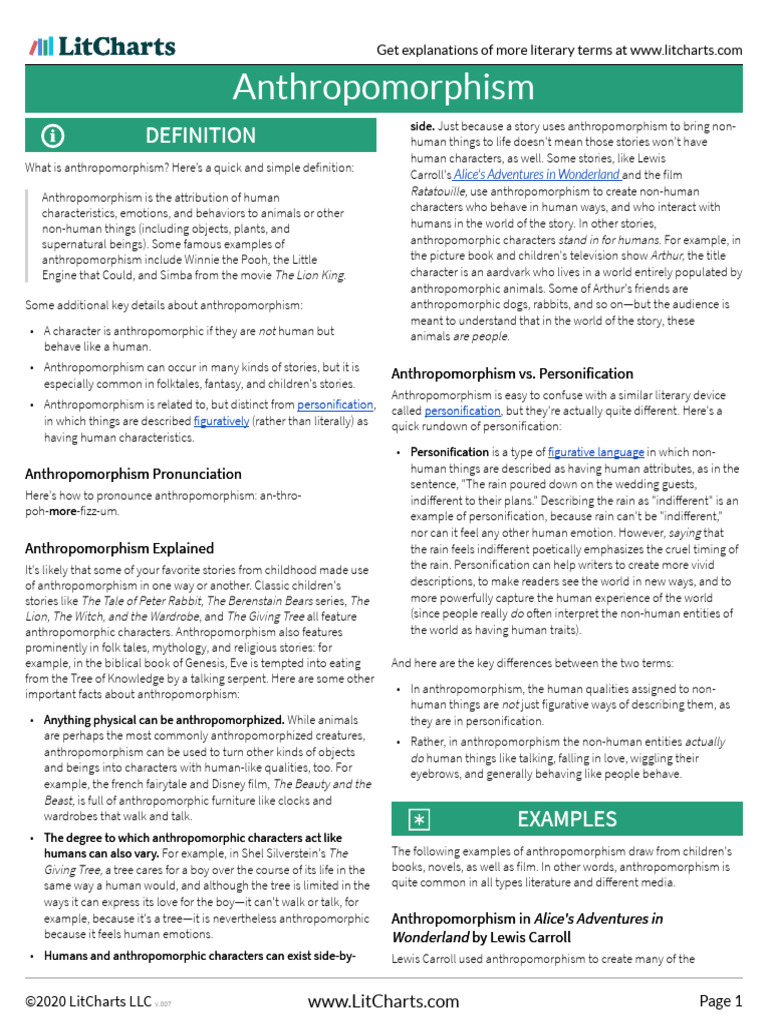
What if the characters we adore weren’t just ink on paper or pixels on a screen, but living, breathing entities who share our emotions, dreams, and even our flaws? This is the enchanting paradox of anthropomorphism—the art of imbuing non-human subjects with human characteristics—and its profound influence on fan culture cannot be overstated. From the whimsical sketches of DeviantArt to the scholarly dissections of sociology, anthropomorphism has woven itself into the fabric of how we engage with stories, art, and each other. But what happens when the line between creator and creation blurs? When fans don’t just admire their favorite characters but *become* them, emotionally, creatively, and sometimes, problematically?
The Alchemy of Empathy: How Anthropomorphism Transforms Passive Consumption into Devotion
Anthropomorphism is more than a stylistic choice; it’s a psychological bridge. When a fox in a manga grins like a mischievous teenager or a teapot in an animated film sighs like a weary grandmother, we don’t just observe—we *relate*. This emotional transference is the cornerstone of fan culture’s most fervent attachments. Studies in cognitive psychology suggest that our brains process human-like traits in non-human entities through the same neural pathways we use for human interaction. In essence, we anthropomorphize because it’s easier to love what we recognize.
Consider the rise of “furry” fandoms, where anthropomorphic animal characters become vessels for human expression. Fans don’t just consume these characters; they *curate* them. They design avatars, write fanfiction, and commission art that reimagines these beings in scenarios far removed from their original narratives. The challenge? This devotion can sometimes overshadow the original intent of the work, turning a simple character into a cultural monolith that fans feel compelled to emulate or defend to an almost religious degree.

From Canvas to Community: The Role of Art in Fueling Fandoms
Art is the lifeblood of anthropomorphic fandoms. Platforms like DeviantArt and ArtStation serve as digital cathedrals where artists don’t just draw characters—they breathe life into them. Each stroke of the pen or pixel is an act of devotion, a visual love letter to a fictional world. But this creative fervor comes with a paradox: the more lifelike these characters become, the more fans expect them to behave like real people.
Take, for example, the phenomenon of “OCs” (Original Characters) in fandoms. Fans craft entire backstories, personalities, and even moral dilemmas for these creations, treating them as if they were historical figures. The challenge here is the erosion of boundaries between fiction and reality. When a fan’s OC becomes more “real” to them than the source material, it can lead to a phenomenon known as “canon wars”—endless debates over what is and isn’t acceptable within a fandom’s lore. Where does creativity end and delusion begin?
Yet, this blurring of lines isn’t entirely negative. It fosters a sense of ownership among fans, turning passive viewers into active participants in the storytelling process. The question then becomes: How do creators and platforms navigate this new frontier where fans wield as much narrative power as the original authors?
The Double-Edged Sword of Emotional Investment
Anthropomorphism doesn’t just inspire creativity; it fuels emotional investment to a degree that can be both exhilarating and dangerous. When fans project their own experiences onto characters, they create a feedback loop of empathy and escapism. This is the magic of fandoms—it turns art into therapy, stories into solace. But it’s also where the danger lies.
Consider the phenomenon of “ship culture,” where fans pair characters in romantic relationships, often to the exclusion of canonically intended dynamics. The emotional stakes are high; shipping can become a form of identity, a way for fans to assert their values and desires onto a fictional world. The challenge arises when this investment turns toxic. Online spaces can become echo chambers where dissenting opinions are met with harassment, and creators are pressured to conform to fan expectations rather than their artistic vision.
This emotional intensity can also lead to burnout. Fans who immerse themselves too deeply in a fandom may struggle to separate their real-life identities from their online personas. The line between “I love this character” and “I *am* this character” becomes perilously thin. How do we celebrate the passion of fandoms without losing sight of the human beings behind the avatars?

Anthropomorphism as a Cultural Mirror: Reflecting and Reshaping Society
Fandoms don’t exist in a vacuum. They reflect and amplify societal trends, and anthropomorphism is no exception. In an era where artificial intelligence and virtual influencers are becoming mainstream, the way we interact with anthropomorphic characters offers a glimpse into our collective psyche. Are we yearning for connection in a digital world? Or are we projecting our own complexities onto entities that can never truly reciprocate?
Take the rise of virtual idols like Hatsune Miku, a holographic character who “performs” concerts and interacts with fans in real time. Her anthropomorphic design—big eyes, expressive gestures—makes her feel human, even though she’s entirely synthetic. Fans don’t just enjoy her music; they form parasocial relationships with her, treating her as a confidante and friend. The challenge here is the commodification of emotion. When a corporation profits from our desire to anthropomorphize, where does the line between genuine connection and manufactured sentimentality lie?
Anthropomorphism also serves as a lens to examine societal issues. Characters like the teapot from *Beauty and the Beast* or the candlestick from *Beauty and the Beast* challenge us to reconsider how we treat inanimate objects—or, by extension, marginalized groups. By giving these entities human traits, creators invite us to empathize with the “other,” whether that’s a talking teapot or a real-life minority. The question then becomes: Can anthropomorphism be a tool for social change, or does it risk trivializing serious issues by reducing them to whimsy?
Navigating the Labyrinth: Challenges and Ethical Considerations
The most pressing challenge of anthropomorphism in fan culture is the ethical dilemma of consent. When fans create art, write stories, or even cosplay as characters, are they honoring the original creator’s vision—or are they appropriating it? The line between homage and erasure is often blurred, especially in cases where cultural symbols are repurposed without context.
Another ethical concern is the commercialization of fandoms. Brands and corporations have capitalized on the emotional investment of fans, turning once-passionate communities into marketing machines. When a beloved character becomes a corporate mascot, the authenticity of the fan experience is inevitably diluted. How do we protect the sanctity of fandoms while acknowledging their economic value?
Finally, there’s the issue of gatekeeping. Fandoms often police their own boundaries, deciding who is “worthy” of participation. This can lead to exclusionary practices, where newcomers are met with hostility or long-time fans are dismissed as “not real fans” for not adhering to a rigid set of rules. The challenge is to foster inclusivity without stifling the passion that makes fandoms thrive.
The Future of Anthropomorphism: Where Do We Go From Here?
As technology advances, so too will the ways we anthropomorphize. Virtual reality, AI-generated characters, and even brain-computer interfaces may soon allow us to interact with anthropomorphic entities in ways we can scarcely imagine today. The potential for deeper emotional connections is vast—but so are the risks.
Will we see a future where fans can “live” as their favorite characters, experiencing their emotions and adventures firsthand? Or will the line between human and non-human become so blurred that we lose sight of what it means to be real? The challenge for creators, platforms, and fans alike is to navigate this brave new world with intention and empathy.
The impact of anthropomorphism on fan culture is a testament to the power of storytelling and the human need for connection. It’s a double-edged sword, capable of inspiring creativity and fostering community, but also of dividing and distorting. The key lies in balance—celebrating the magic of anthropomorphism while remaining vigilant about its pitfalls. After all, the most enchanting stories are those that remind us of our shared humanity, not those that erase it in favor of fantasy.