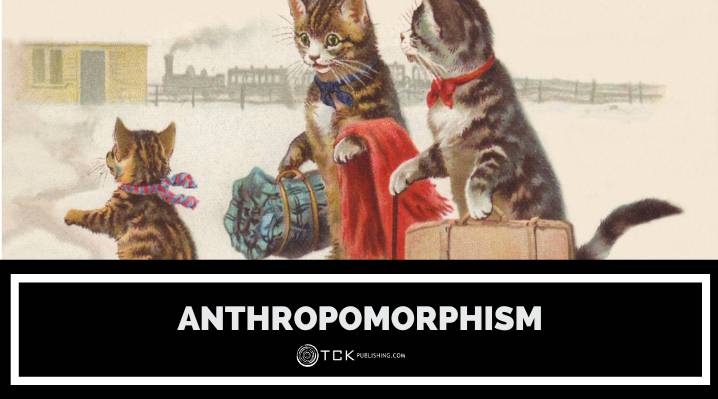
Anthropomorphism—the attribution of human traits, emotions, and intentions to non-human entities—is a universal phenomenon that transcends geographical and cultural boundaries. From the ancient myths of Mesopotamia to the digital avatars of Silicon Valley, humanity has consistently sought to humanize the world around it. This tendency is not merely a linguistic quirk or a literary device; it is a cognitive bridge that allows us to navigate complexity, impose order on chaos, and find solace in the unfamiliar. By examining anthropomorphism through a cross-cultural lens, we uncover a tapestry of shared human ingenuity, where metaphors become mirrors reflecting our deepest fears, aspirations, and curiosities.
The Roots of Anthropomorphism: A Cognitive Necessity
At its core, anthropomorphism is a survival mechanism. Early humans, grappling with the unpredictability of nature, personified storms, rivers, and celestial bodies to make sense of their environment. The ancient Greeks, for instance, transformed the capricious winds into the temperamental god Aeolus, while the Japanese revered the wind deity Fujin as a fearsome, drum-beating figure. This cognitive shortcut—projecting human agency onto the inanimate—reduces cognitive load, allowing us to interact with the world as if it were a social landscape. Modern psychology corroborates this, with studies showing that even infants instinctively attribute human-like intentions to moving geometric shapes, a phenomenon known as the “intentional stance.” Anthropomorphism, then, is not just a cultural artifact; it is an evolutionary adaptation, hardwired into our perception of reality.
Myth and Metaphor: The Sacred and the Profane
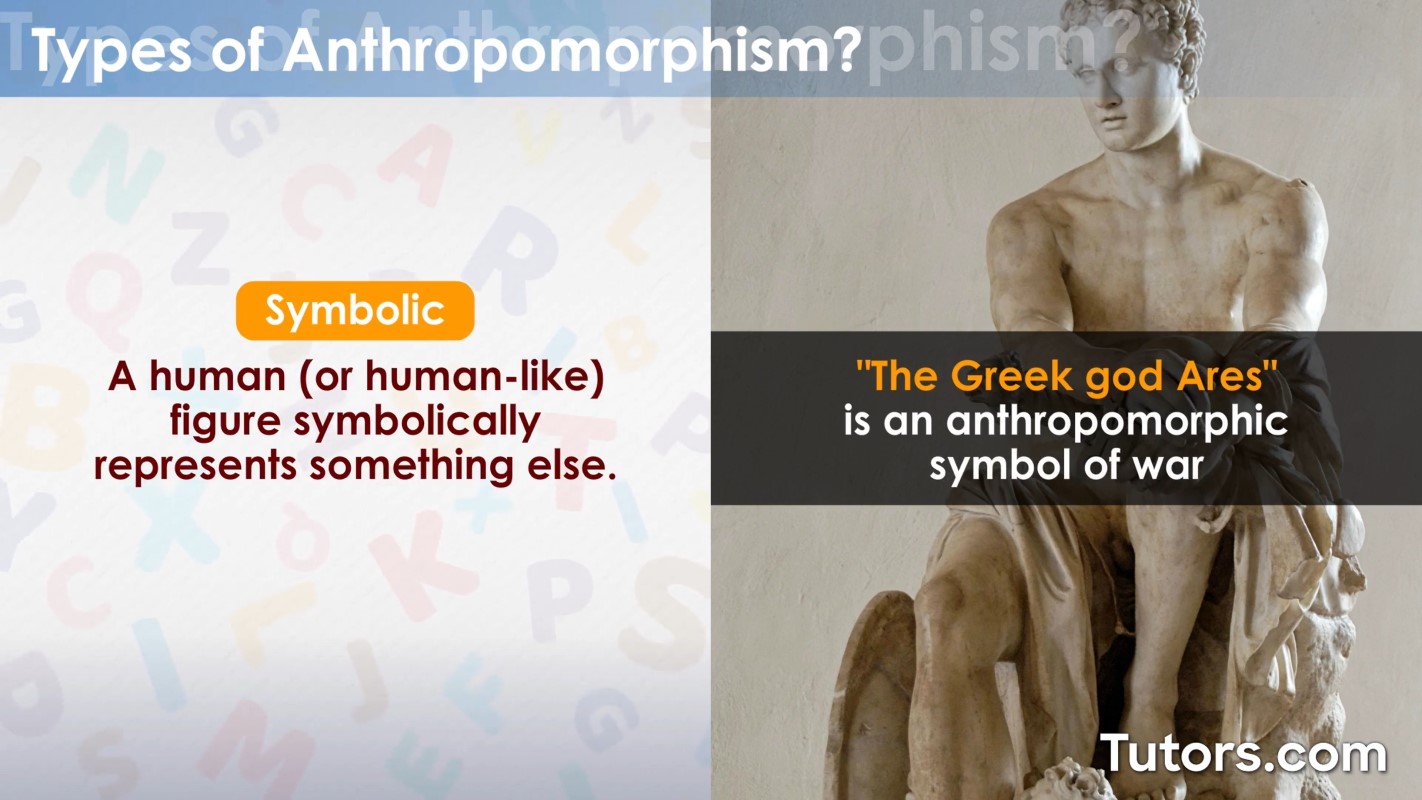
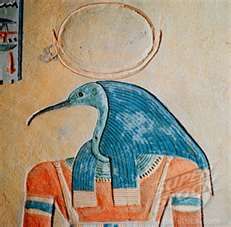
Religious and mythological traditions worldwide have harnessed anthropomorphism to convey the ineffable. In Hinduism, the divine is not a distant abstraction but a pantheon of deities with human emotions—Shiva’s wrath, Vishnu’s compassion, and Kali’s terrifying fury. Similarly, the Egyptian pantheon personified the sun as Ra, a golden-skinned deity traversing the sky in a solar barge, while the Norse gods, flawed and fallible, engaged in petty squabbles and heroic quests. These narratives do more than entertain; they encode moral lessons, explain natural phenomena, and provide a framework for understanding the human condition. The Judeo-Christian tradition, too, employs anthropomorphism in its creation myth, where God “walks” in the Garden of Eden and “regrets” having made humanity—a subtle nod to the human-like nature of the divine. Such metaphors transform abstract concepts into tangible, relatable experiences, making the sacred accessible.

Folklore and the Animal Kingdom: Tricksters and Teachers
Folklore across cultures teems with anthropomorphized animals, each serving as a vessel for cultural values and warnings. The West African Anansi the Spider, a cunning trickster, outwits larger foes through wit rather than strength, embodying the triumph of ingenuity over brute force. In contrast, the Native American coyote, a shape-shifting trickster, disrupts order to teach lessons about greed and hubris. European folklore presents the fox as a sly manipulator, while the Japanese tanuki—a raccoon dog—is a jovial, shape-shifting prankster who challenges human norms. These stories are not mere entertainment; they are moral compasses, using the animal kingdom to explore human virtues and vices. The anthropomorphic animal, then, is a dual-edged sword: a mirror reflecting our flaws and a guide steering us toward wisdom.
Art and Literature: The Brushstrokes of Humanity
Artistic traditions have long exploited anthropomorphism to evoke emotion and provoke thought. In Renaissance paintings, angels bear human faces and postures, their divine nature softened by familiarity. Japanese ukiyo-e prints often depict animals in human roles, such as the famous *Tanuki* playing the shamisen, blurring the line between species and culture. Literature, too, thrives on this device. Mary Shelley’s *Frankenstein* forces readers to confront the ethical implications of creating life, while Franz Kafka’s *Metamorphosis* transforms a man into an insect, leaving us to grapple with the absurdity of human existence. Even in contemporary media, anthropomorphism abounds—from Pixar’s *Toy Story*, where toys live secret lives, to Studio Ghibli’s *Spirited Away*, where bathhouse spirits take on human forms. These works remind us that anthropomorphism is not confined to ancient myths; it is a living, evolving language that continues to shape our cultural narrative.
Technology and the New Pantheon
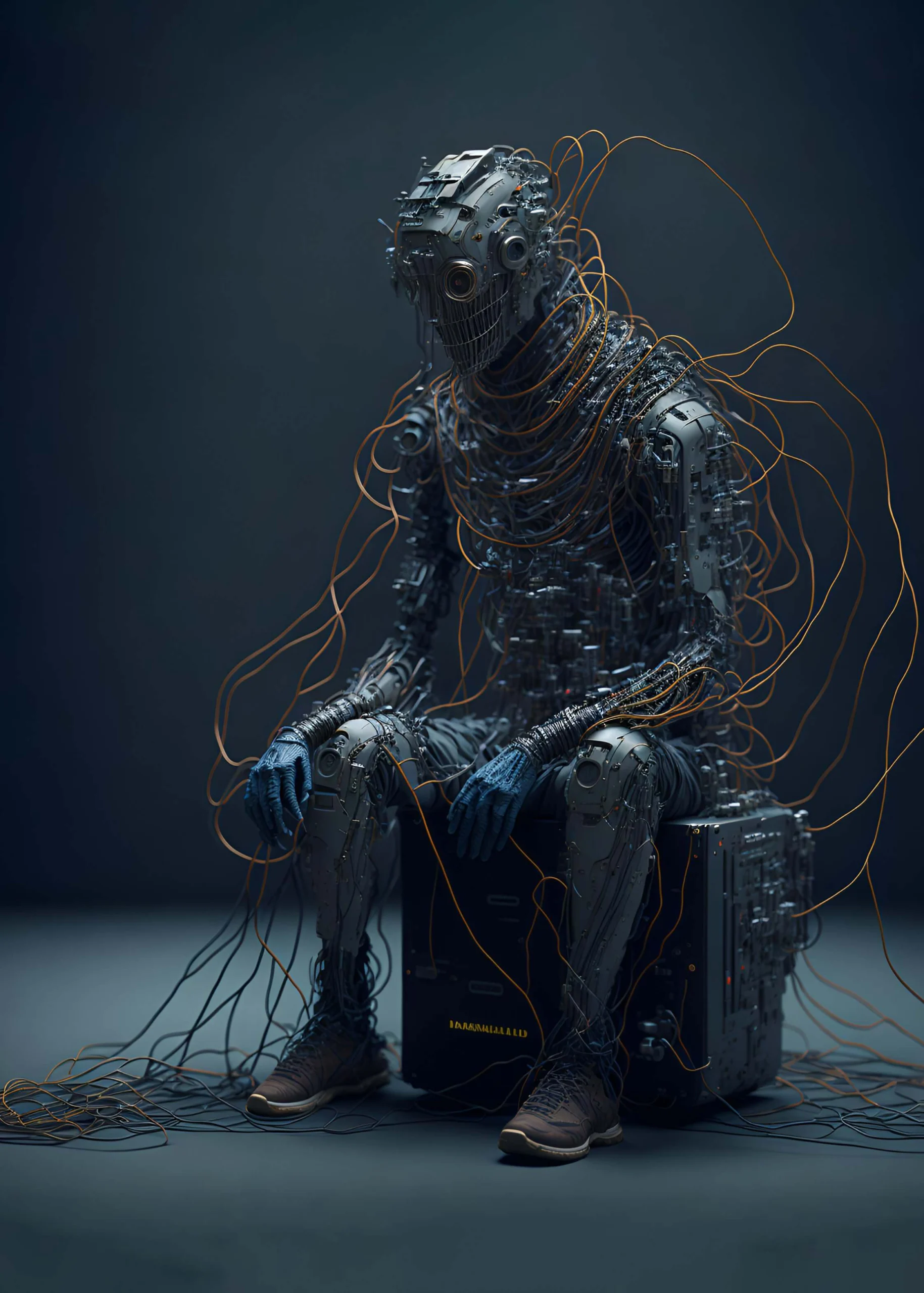
The digital age has ushered in a new era of anthropomorphism, where machines and algorithms are imbued with human-like qualities. Voice assistants like Siri and Alexa are designed to mimic empathy, their responses calibrated to evoke trust and companionship. Social robots, such as Japan’s *Pepper*, are programmed to recognize emotions and adapt their behavior accordingly, blurring the line between tool and companion. Even corporate logos—think of the friendly face of *Mascot* or the playful demeanor of *Twitter’s* bird—leverage anthropomorphism to foster brand loyalty. This phenomenon reflects a deeper cultural shift: as technology becomes more pervasive, we seek to humanize it, to make it relatable, even comforting. Yet, this also raises ethical questions: Can we trust a machine that smiles at us? Does anthropomorphism in AI dilute our understanding of what it means to be human?
The Dark Side of Anthropomorphism: When Metaphors Turn Malignant
While anthropomorphism often serves as a bridge between the known and the unknown, it can also be a double-edged sword. The personification of nature, for instance, has led to environmental degradation, as rivers and forests are treated as resources rather than sacred entities. Colonial powers historically anthropomorphized indigenous cultures, reducing complex societies to caricatures—noble savages or bloodthirsty barbarians—to justify exploitation. Even in the digital realm, anthropomorphism can be weaponized; deepfake technology manipulates our tendency to trust human-like faces, enabling misinformation and fraud. The key lies in balance: recognizing anthropomorphism as a tool, not a truth. It is a lens through which we interpret the world, but not the world itself.
Anthropomorphism in the Modern World: A Double Helix of Tradition and Innovation
Today, anthropomorphism is a double helix, intertwining ancient traditions with cutting-edge innovation. In Japan, the concept of *kawaii*—the cult of cuteness—has transformed everyday objects into endearing, childlike entities, from *Hello Kitty* to *Pikachu*. Meanwhile, in the West, corporate mascots like *Tony the Tiger* or *The Michelin Man* leverage anthropomorphism to sell products, turning breakfast cereals and tires into beloved characters. This duality highlights anthropomorphism’s adaptability: it is both a relic of our past and a catalyst for our future. As we stand on the precipice of artificial general intelligence, the question arises: Will we anthropomorphize AI to the point of dependency, or will we recognize its limitations and embrace its uniqueness?
The Future: Beyond the Human Form
The next frontier of anthropomorphism may lie not in humanizing the non-human, but in redefining what it means to be human. As virtual reality and augmented reality technologies advance, we may soon inhabit worlds where avatars transcend biological constraints, where emotions are shared across species, and where the boundaries of identity dissolve. Already, artists like Refik Anadol use AI to create immersive experiences that blur the line between human and machine, while scientists explore the possibility of consciousness in non-biological entities. Anthropomorphism, then, may evolve into a new paradigm—one where the metaphor is not just a reflection of humanity, but a gateway to its transcendence.