Have you ever wondered why children often talk to their stuffed animals or imagine their pet’s feelings as vividly as their own? This intriguing tendency to attribute human traits to non-human entities—known as anthropomorphism—not only colors how we perceive the world but also subtly shapes the landscape of our cognitive development. Yet, could this charming inclination simultaneously foster imaginative growth and introduce cognitive challenges? Exploring the multifaceted influence of anthropomorphism reveals a fascinating interplay between creativity and cognition that unfolds throughout the developmental journey.
The Genesis of Anthropomorphic Thought in Early Childhood
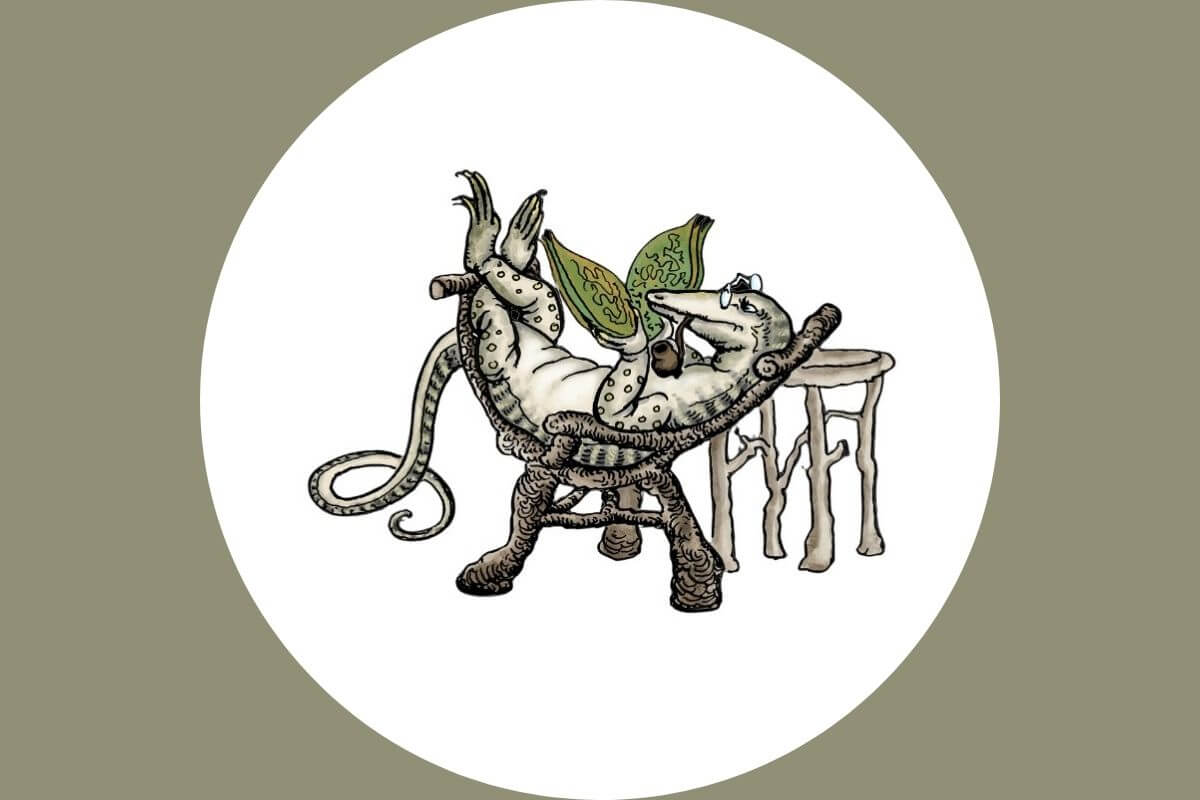
From infancy, humans exhibit a remarkable predilection for compelling narratives and relatable characters. Young children frequently endow toys, animals, and even inanimate objects with emotions, desires, and intentions. This proclivity is far more than mere play; it functions as an essential scaffold for cognitive maturation. By attributing mind-like qualities to the world around them, children explore the complex realm of social cognition and foster the nascent ability to interpret others’ behaviors.
Such anthropomorphic projections serve as cognitive heuristics—mental shortcuts that simplify the enigmatic behaviors of others. When a child imagines an animal feeling ‘happy’ or ‘sad,’ they are practicing theory of mind, the capacity to infer mental states distinct from their own. This burgeoning skill is pivotal for social communication and empathy. Without a foundational grasp of anthropomorphic concepts, the cognitive leap toward understanding non-verbal cues and emotional nuance in real human interactions might be far more arduous.
Anthropomorphism as a Catalyst for Imaginative and Social Development
Imagination is the crucible in which abstract thinking is forged, and anthropomorphism provides fertile ground for this creative alchemy. By animating the inanimate, children construct rich, symbolic worlds where causality, motivation, and emotion intermingle. This imaginative engagement encourages divergent thinking, allowing for novel problem-solving strategies that are indispensable as cognitive complexities mount.
Moreover, anthropomorphism enriches social learning by creating relatable mediums through which children internalize social norms and ethical frameworks. Stories featuring talking animals or personified objects do not merely entertain; they transmit cultural values and moral lessons in a palatable, accessible manner. Through these narratives, children simulate social scenarios, rehearsing responses to emotional challenges and dilemmas—thus honing their socio-emotional intelligence.
Potential Cognitive Pitfalls: When Speakable Becomes Confusing
Despite its many benefits, anthropomorphism has the latent potential to engender cognitive ambiguities, particularly when distinguishing between animate and inanimate, real and imagined. As children develop, differentiating literal truth from metaphorical or fictional representation becomes crucial. Overreliance on humanizing non-human entities may complicate this demarcation and contribute to misconceptions about biological and physical realities.
This confusion is not merely a trivial quirk. For instance, children who anthropomorphize weather phenomena or objects may struggle to grasp scientific explanations based on impersonal forces or mechanistic processes. While anthropomorphic stories make information approachable, they can inadvertently reinforce misleading causal attributions, impeding accurate conceptual understanding.
The Role of Culture and Environment in Shaping Anthropomorphic Interpretation
Anthropomorphism does not occur in a vacuum; cultural context and environmental stimuli profoundly mediate its manifestations. Different societies imbue varying degrees of agency and personality to animals, natural elements, and artifacts based on embedded folklore, religious beliefs, and media exposure. These cultural lenses color the developmental trajectory of anthropomorphic cognitive frameworks.
Environmental factors, such as interaction with pets or exposure to anthropomorphic media, further nuance this process. Children immersed in environments abundant with humanized stories and characters often exhibit heightened empathy and social cognition. Conversely, environments lacking such stimuli may necessitate alternative pathways for cultivating these skills, underscoring the complex interplay between external influences and internal cognitive mechanisms.
Balancing Imaginative Growth with Empirical Understanding
The developmental challenge lies in balancing the enrichment that anthropomorphism bestows upon cognitive and social faculties with the requisite discernment to navigate empirical reality. This balancing act is a quintessential feature of cognitive maturation; children learn to appreciate symbolic representations while gradually mastering literal interpretations.
Educational strategies that acknowledge and harness anthropomorphic tendencies can facilitate this balance. By encouraging critical thinking alongside imaginative play, caregivers and educators guide children toward appreciating the metaphorical while cultivating respect for scientific accuracy. This dual approach ensures that anthropomorphism operates as a cognitive catalyst without devolving into a source of persistent misconception.
Anthropomorphism Beyond Childhood: Lifelong Cognitive Implications
While anthropomorphism is most prominent in early development, its echoes resonate throughout the lifespan. Adults continue to endow technological devices, natural phenomena, and abstract concepts with human-like qualities. This enduring pattern suggests that anthropomorphism is woven into the fabric of human cognition, serving adaptive functions such as reducing anxiety about the unknown and enhancing engagement with complex systems.
Understanding the developmental origins and consequences of anthropomorphism can illuminate why humans so readily anthropomorphize artificial intelligence or perceive intention in natural disasters. It also underscores the need to cultivate media literacy and critical reasoning skills throughout life, ensuring that this cognitive proclivity enriches rather than detracts from nuanced understanding.
Conclusion: Navigating the Playful Challenge of Anthropomorphism
Anthropomorphism poses an irresistibly playful challenge to cognitive development—it invites us to bridge the chasm between reality and imagination, human and non-human, fact and fiction. Through this bridge, cognitive faculties such as empathy, social cognition, and creativity are nurtured, setting the stage for sophisticated intellectual growth. Yet, this same bridge requires careful navigation to prevent cognitive missteps and ensure clarity of thought.
Embracing the imaginative allure of anthropomorphism while fostering analytical discernment crafts a rich developmental tapestry. This interplay guides individuals from the enchanted world of childhood fantasy into the complex realm of adult understanding, where both empathy and intellect coexist in a dynamic equilibrium.