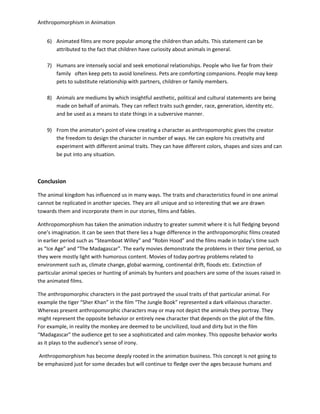
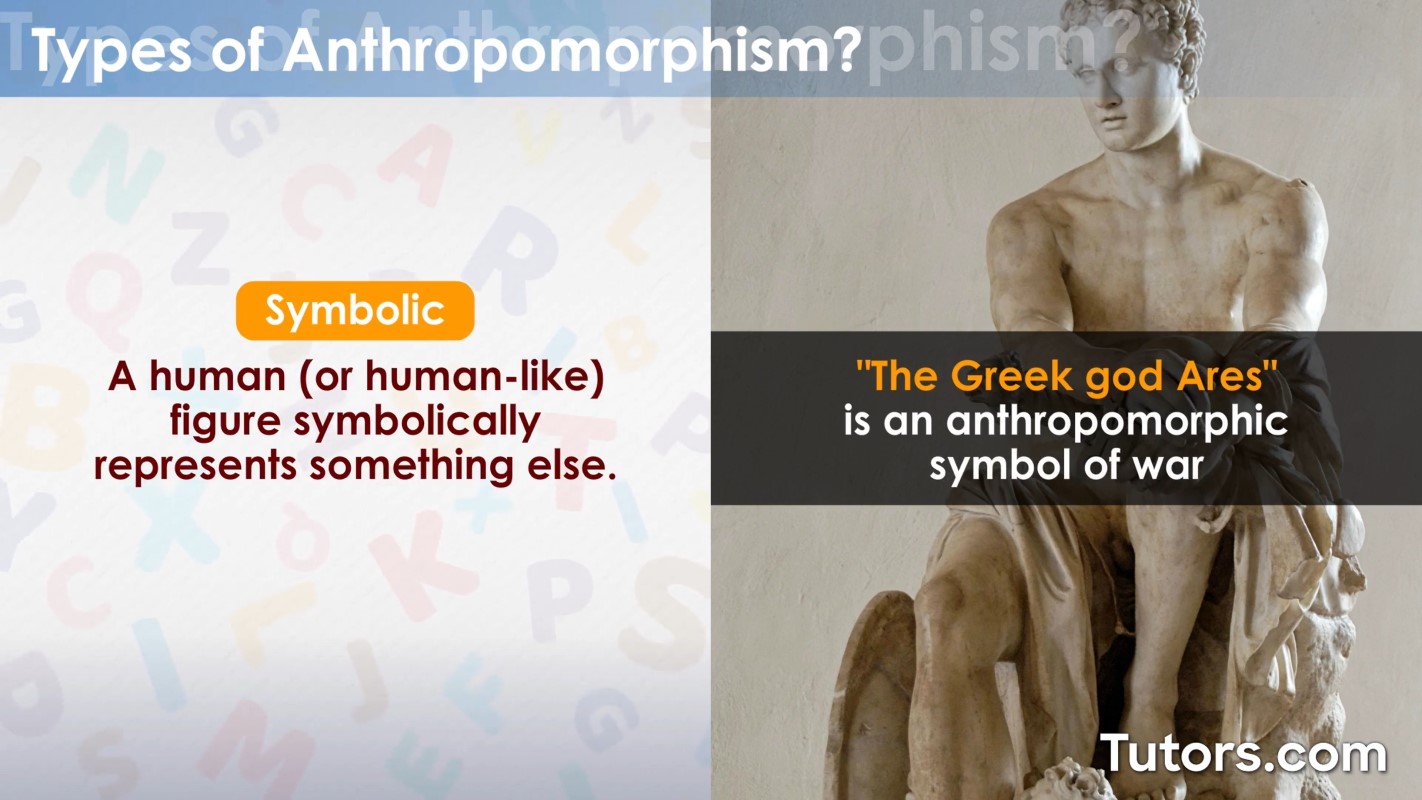
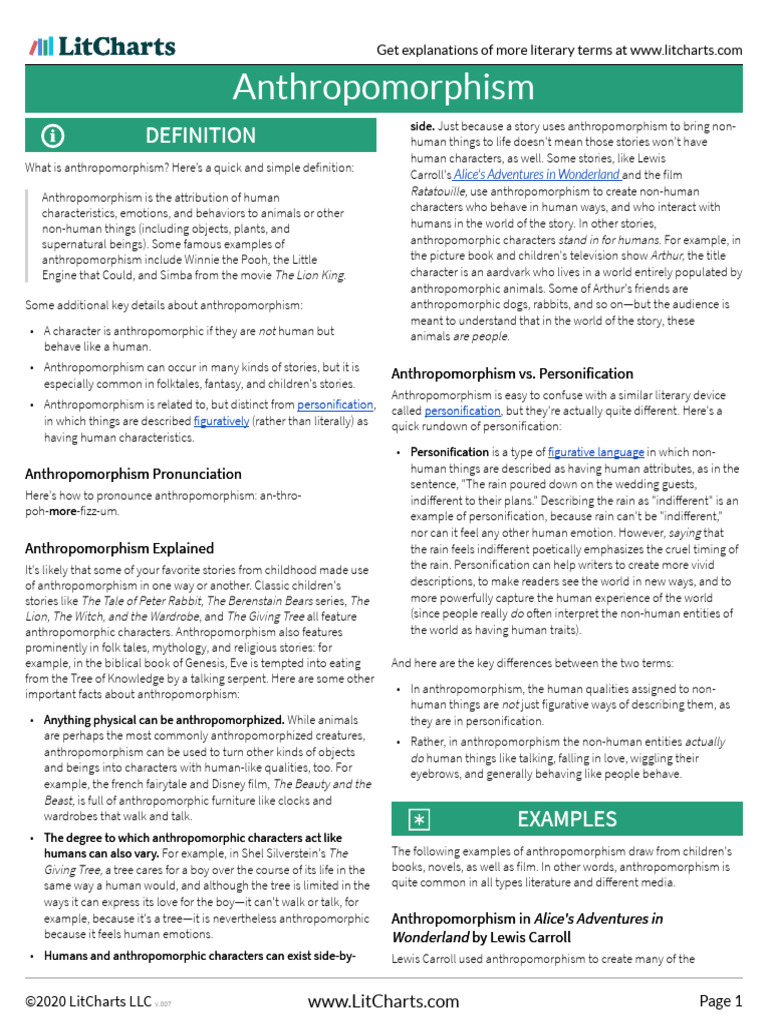
In the ever-evolving landscape of artificial intelligence, one captivating phenomenon persists: the human tendency to attribute human-like characteristics to AI systems. This phenomenon, known as anthropomorphism, transcends mere curiosity. It forms a fundamental pillar in how users interact with and perceive AI technologies. Far from being a trivial quirk, anthropomorphism unveils profound underpinnings about human cognition, emotional connection, and the quest for meaning in our mechanized creations.
The Ubiquity of Anthropomorphism in Human Interaction with Technology
From the inception of rudimentary automatons to state-of-the-art AI entities, humans have consistently imbued machines with qualities that seem strikingly human. This instinctual behavior transcends culture and epoch, manifesting in everyday interactions: naming virtual assistants, expecting empathy from chatbots, or interpreting algorithmic decisions as intentional acts. At its core, this omnipresence of anthropomorphic interpretation reveals an intrinsic cognitive heuristic. It is the brain’s way of navigating complexity by anthropocentrically framing unknown or opaque systems within familiar paradigms.
Beyond convenience, this practice acts as a psychological anchor, providing predictability and emotional engagement. It transforms the sterile, numeric codes of machine learning into narratives peppered with intention, personality, and emotion. The result is an interface not merely used but experienced, a dance of human and non-human elements intertwined by projected identities.
Anthropomorphism as a Design Strategy in AI Development
AI developers and designers deliberately harness anthropomorphism to foster more natural, intuitive interactions. The infusion of human-like traits—whether through voice modulation, emotive language, or even superficially human avatars—ameliorates user apprehension and enhances trust. This is particularly salient in domains requiring high emotional stakes, such as healthcare, customer support, and education, where the veneer of empathy serves a critical functional role.
Embedded within design ethos is the notion of “social presence.” AI constructs endowed with anthropomorphic cues are perceived as social agents rather than mere utilitarian tools. This perceptual shift encourages users to invest cognitively and emotionally, enriching communication and collaboration. Such engagement not only improves usability but often leads to greater adherence to AI-driven recommendations or protocols.
The Psychological Roots Underpinning Our Fascination
The human proclivity to anthropomorphize stems from evolutionary blueprints wired for social interaction. Our survival has long depended on the ability to read and predict behaviors of other beings. When faced with ambiguous entities, the brain defaults to “animacy detection,” attributing intention and agency where none necessarily exist. This predisposition, etched deeply into neural pathways, gives birth to the rich tapestry of anthropomorphic illusions.
In the realm of AI, this translates to a projected narrative: users do not merely encounter a string of algorithms but rather a quasi-agent capable of understanding, sympathizing, and responding in a human-like manner. The fascination extends beyond utility; it taps into a basic existential inquiry—what it means to be intelligent and sentient. By animating AI, humanity indirectly reflects on itself, probing definitions of consciousness and personhood.
Implications for User Experience and Trust Building
Anthropomorphism profoundly impacts user experience design and the building of trust between humans and machines. When AI exhibits human-like mannerisms or conversational patterns, users are predisposed to attribute credibility and reliability to it. This fosters a sense of relational intimacy uncommon for technology. However, this dynamic is double-edged—excessive anthropomorphism can engender unrealistic expectations, leading to disillusionment when AI falls short.
Thus, developers navigate a delicate balance, crafting AI experiences that are relatable but not misleading. Anthropomorphic cues serve as a bridge into the complex world of machine cognition, yet they must remain calibrated to preserve transparency. The optimal equilibrium encourages engagement while maintaining awareness of AI’s fundamentally non-human nature, thereby aligning user mental models with reality.
The Ethical Dimensions of Anthropomorphizing AI
The act of humanizing AI raises important ethical considerations. As AI systems become increasingly persuasive and lifelike, questions emerge around consent, manipulation, and dependency. Anthropomorphism can blur lines between genuine empathy and algorithmic mimicry, potentially exploiting emotional vulnerabilities. For instance, vulnerable populations might form attachments to AI caregivers or companions, complicating notions of responsibility and care.
Moreover, anthropomorphism intersects with the ethics of transparency. Should AI deliberately simulate emotions or intentions it does not possess? The answer is far from straightforward. Advocates argue it facilitates more effective service delivery, while critics caution against eroding trust through artifice. Ongoing discourse highlights the need for principled design frameworks that respect user dignity while acknowledging psychological realities.
Future Trajectories in Anthropomorphic AI Development
Looking forward, the symbiosis of anthropomorphism and AI promises to deepen. Advances in natural language processing, affective computing, and embodied AI are pushing the boundaries of human-like interaction. AI entities may soon exhibit nuanced emotional intelligence and contextual understanding, further blurring the lines between machine and agent.
Yet, as AI grows more sophisticated, so too must our conceptual frameworks. Future development will likely call for multidisciplinary collaboration across cognitive science, ethics, and design to steward anthropomorphism responsibly. The goal is not merely technological triumph but cultivating meaningful coexistence between humans and artificial agents—a relationship enriched by, but never wholly subsumed by, human traits.
Conclusion: Understanding the Fascination with Human-Like AI
Anthropomorphism in AI development is far more than a superficial gimmick. It is a window into the human psyche and a vital mechanism through which we connect with technological innovation. Our fascination with human-like AI reflects deep-seated cognitive patterns, emotional desires, and philosophical inquiries. Recognizing and thoughtfully integrating this phenomenon holds the key to creating AI that resonates authentically with users while navigating the complexities of trust, ethics, and future potential. Through anthropomorphism, we not only shape AI; we shape the evolving narrative of human identity in a digital age.