What if the animals in your favorite cartoons could talk, wear clothes, or even drive cars? What if they could feel joy, frustration, and curiosity just like you? This isn’t just a whimsical fantasy—it’s the magic of anthropomorphism, a storytelling device that breathes life into the inanimate and the non-human, making them relatable, engaging, and often unforgettable. In the vibrant world of children’s cartoons, anthropomorphism isn’t just a creative flourish; it’s a powerful tool that shapes how young minds perceive the world, themselves, and the boundaries between reality and imagination.
The Alchemy of Relatability: How Anthropomorphism Bridges the Human and the Non-Human
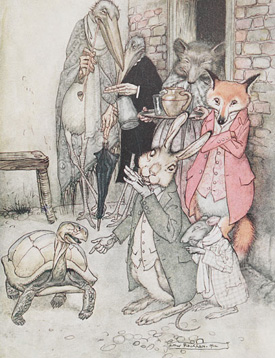
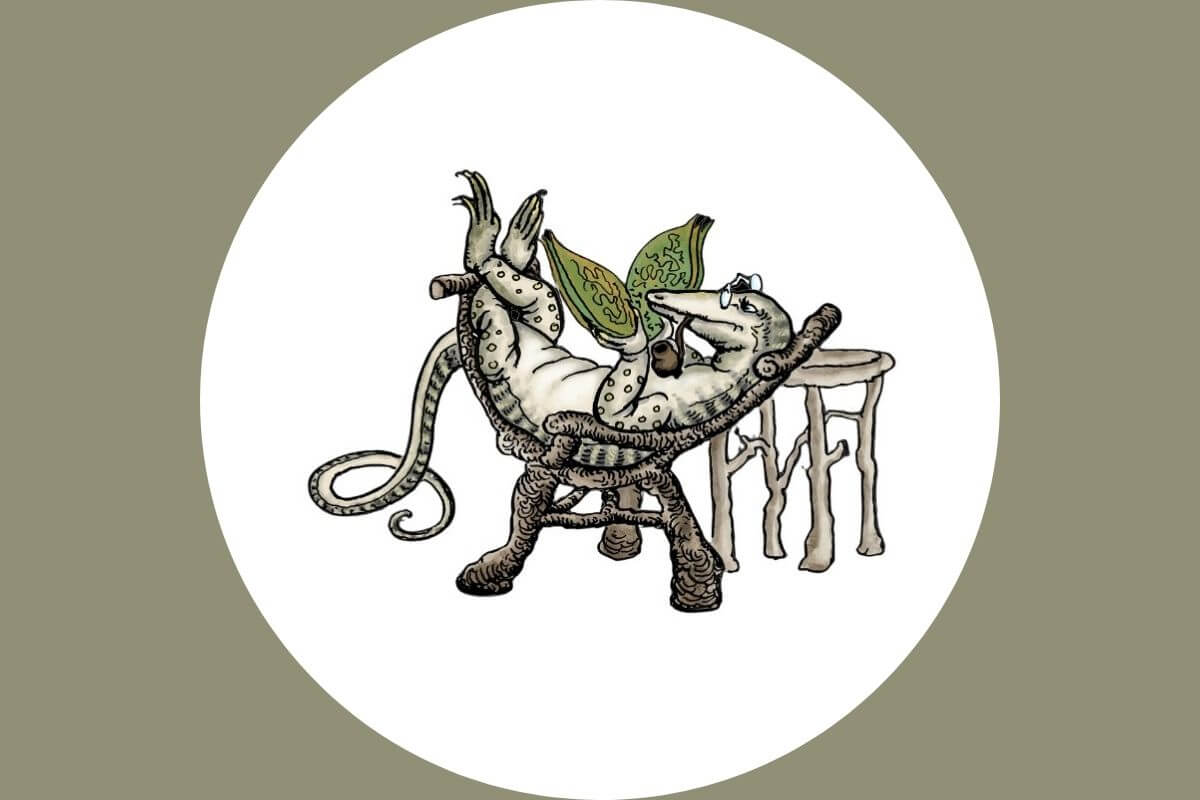
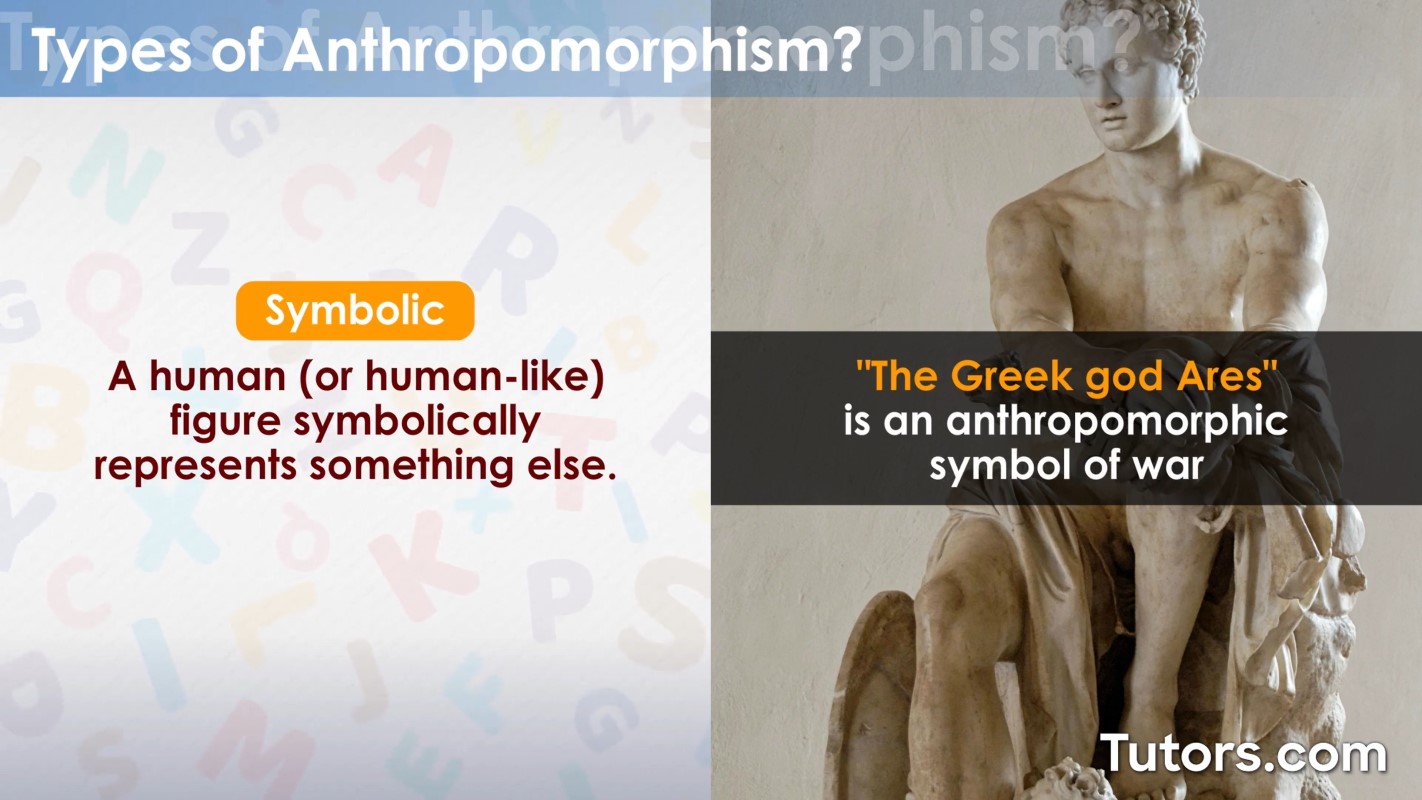
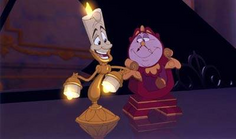
At its core, anthropomorphism is the art of attributing human characteristics to non-human entities. In cartoons, this might mean a grumpy old owl running a bustling diner, a chatty squirrel navigating the perils of urban life, or a sentient teapot serving tea in a whimsical tea party. But why does this work so well for children? The answer lies in the innate human tendency to seek patterns and connections. Children, in their formative years, are still developing their understanding of the world, and anthropomorphism provides a scaffold—a way to make the unfamiliar familiar.
Consider the classic tale of Winnie the Pooh, where a bear’s simple desires for honey and friendship mirror the everyday struggles and joys of childhood. Pooh’s anthropomorphic traits—his love of honey, his forgetfulness, his loyalty—make him more than just a bear. He becomes a companion, a confidant, and a mirror through which children can explore their own emotions. This alchemy of relatability transforms abstract concepts like loneliness, curiosity, and perseverance into tangible, emotionally resonant experiences.
Yet, this bridge between the human and the non-human is not without its complexities. What happens when a child begins to blur the lines between fantasy and reality? The challenge isn’t just in making characters relatable—it’s in ensuring that the lessons they impart are grounded in reality. How do we strike a balance between the enchantment of anthropomorphism and the necessity of clear boundaries?
The Pedagogical Power of Play: How Anthropomorphism Teaches Without Preaching
Cartoons are more than just entertainment; they are silent teachers, shaping young minds through the stories they tell. Anthropomorphism amplifies this educational potential by embedding lessons within narratives that feel like play. Take, for example, Bluey, where a family of dogs navigates the trials of childhood—sharing, patience, and resilience—through the lens of playful anthropomorphic antics. The show’s genius lies in its ability to make these lessons feel organic, almost incidental, as children absorb them through laughter and engagement.
This pedagogical power extends beyond moral lessons. Anthropomorphism can also introduce children to complex ideas like empathy, diversity, and problem-solving. In Zootopia, the bustling city of anthropomorphic animals serves as a microcosm of societal challenges, from prejudice to teamwork. By framing these themes within a visually stimulating and emotionally engaging narrative, the film makes abstract concepts accessible to young viewers. The challenge, however, is ensuring that these lessons are not oversimplified or diluted. How do we ensure that the anthropomorphic characters in cartoons serve as effective role models rather than mere caricatures?
Moreover, anthropomorphism can foster creativity and critical thinking. When children see a world where inanimate objects or animals can think, feel, and act, they are encouraged to question, imagine, and explore. This imaginative leap can spark a lifelong love of storytelling, art, and innovation. But with this creative freedom comes the responsibility to guide children in distinguishing between fantasy and reality, ensuring that their imaginative play remains a source of joy rather than confusion.
The Emotional Resonance: Why Children Connect with Anthropomorphic Characters
There’s something inherently comforting about anthropomorphic characters. They offer a sense of companionship, a feeling that the world is not just a vast, indifferent place but a place filled with friends, mentors, and even adversaries who understand them. This emotional resonance is particularly potent in childhood, a time when emotions are raw and experiences are formative. A cartoon character’s joy becomes a child’s joy; their struggles become the child’s struggles.
Consider the enduring appeal of Mickey Mouse or SpongeBob SquarePants. These characters are more than just figures on a screen—they are emotional anchors. Mickey’s optimism, SpongeBob’s boundless enthusiasm, and even the grumpy demeanor of Scrooge McDuck provide children with a spectrum of emotional experiences to navigate. This emotional connection is not just about entertainment; it’s about catharsis. Children learn to process their own emotions by seeing them reflected in the actions and reactions of their favorite characters.
Yet, this emotional bond can also pose a challenge. What happens when a child becomes overly attached to a fictional character? How do we ensure that their emotional investment in anthropomorphic characters doesn’t overshadow their real-world relationships? The key lies in balance—using these characters as tools for emotional exploration while gently guiding children toward the richness of human connection.
The Cultural Mirror: How Anthropomorphism Reflects and Shapes Societal Values
Anthropomorphism in cartoons is not just a storytelling device; it’s a cultural mirror. The characters children grow up with often reflect the values, norms, and aspirations of their society. In Moana, the ocean is personified as a sentient force, guiding the protagonist on her journey. This not only makes the story visually stunning but also imparts a sense of harmony with nature—a value increasingly important in today’s world. Similarly, Mulan reimagines a historical figure as an anthropomorphic heroine, challenging traditional gender roles and inspiring generations of young girls to defy expectations.
This cultural reflection extends to the representation of diversity. Anthropomorphic characters can embody a wide range of backgrounds, abilities, and personalities, offering children a kaleidoscope of identities to explore. Whether it’s the neurodivergent traits of Pigeon in Pigeon: Impossible or the multicultural cast of Doc McStuffins, these characters help children see themselves—and others—in the stories they consume. The challenge, however, is ensuring that this representation is authentic and respectful, avoiding stereotypes and caricatures that could perpetuate harmful biases.
Moreover, anthropomorphism can serve as a bridge between cultures. When a child in Tokyo watches Avatar: The Last Airbender and sees characters inspired by East Asian cultures, or when a child in New York watches The Lion King and learns about African savannas, they are not just entertained—they are educated. This cross-cultural exchange fosters empathy, understanding, and a global perspective from an early age.
The Future of Anthropomorphism: Navigating the Digital Frontier
As technology advances, so too does the potential of anthropomorphism in cartoons. With the rise of artificial intelligence and virtual reality, we are entering an era where characters might not just be animated—they could be interactive, responsive, and even personalized. Imagine a cartoon where a child’s favorite character learns from their interactions, adapting its personality and storylines to suit the child’s preferences. This could revolutionize how children engage with media, making it more immersive and tailored to their needs.
Yet, with this digital frontier comes new challenges. How do we ensure that these interactive anthropomorphic characters remain safe and beneficial for children? How do we protect their privacy and emotional well-being in an increasingly connected world? The future of anthropomorphism in cartoons is not just about innovation—it’s about responsibility. As creators, parents, and educators, we must navigate this landscape with care, ensuring that the magic of anthropomorphism continues to inspire without compromising the well-being of the children it serves.
The journey of anthropomorphism in cartoons is a testament to the power of storytelling. It is a journey that begins with a simple question: What if? What if a teapot could pour tea and wisdom? What if a bear could teach us about friendship? What if the world itself could speak? Through anthropomorphism, cartoons transform these questions into experiences, shaping childhoods one frame at a time. And as we look to the future, one thing is clear—the magic of anthropomorphism is far from over. It is only just beginning.