What if your car could greet you with the warmth of a trusted friend rather than the sterile beep of a machine? Imagine a voice assistant that doesn’t just obey commands but understands the subtle nuances of human emotion—one that can shift from a reassuring whisper during a storm to a playful chuckle when you’re stuck in traffic. The art of designing anthropomorphic voice assistant personalities is no longer confined to science fiction; it’s a burgeoning frontier where technology meets human psychology. But crafting a voice that feels authentically human while remaining functional is a paradox that challenges even the most innovative designers. How do we strike the balance between relatability and reliability?
The Allure of Anthropomorphism in Voice Assistants
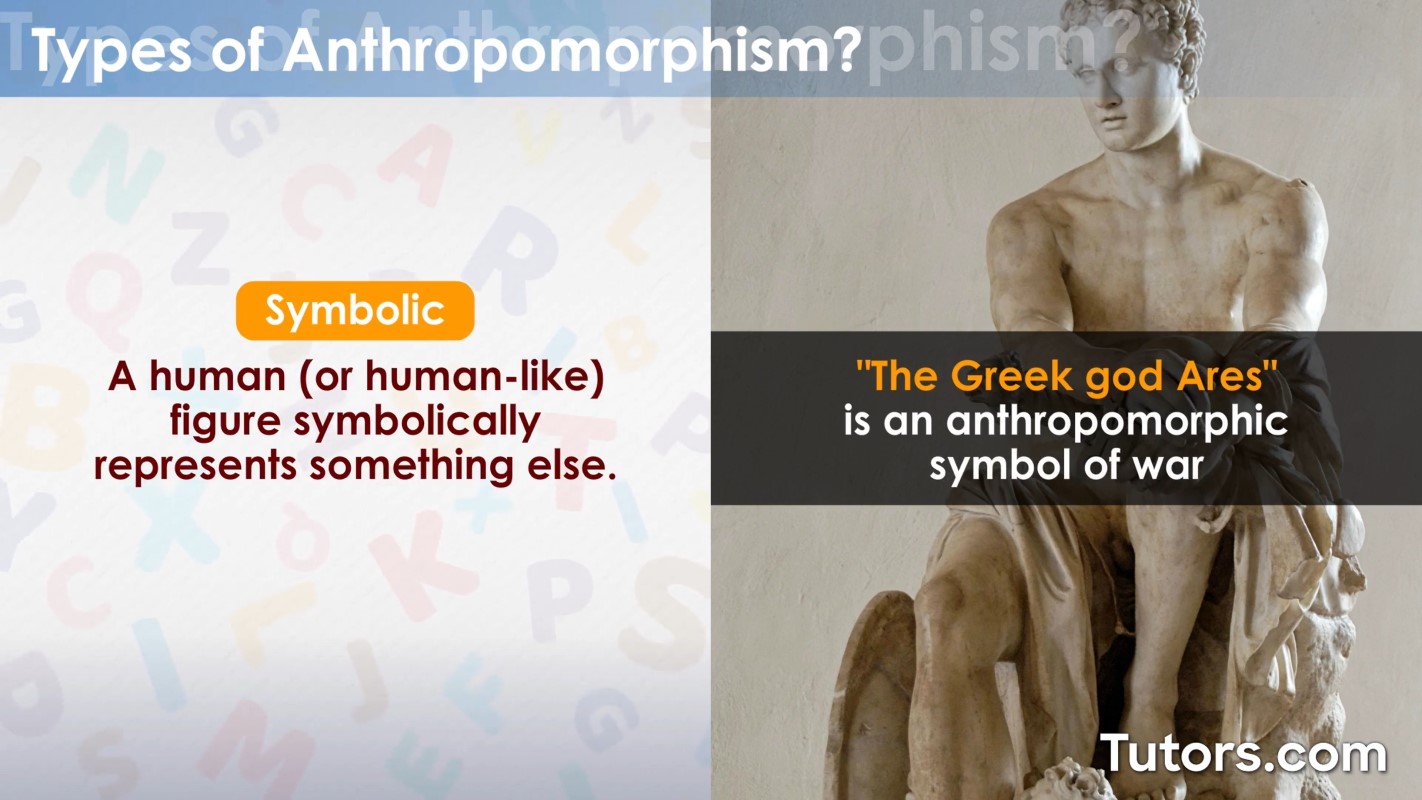
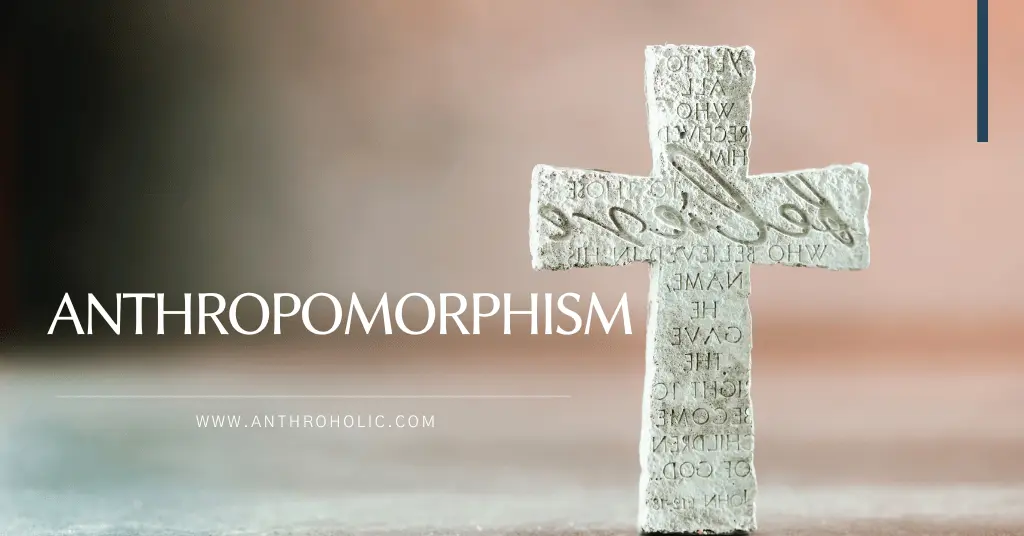
Anthropomorphism—the attribution of human traits to non-human entities—has long been a cornerstone of user experience design. When a voice assistant adopts a personality, it transcends its role as a mere tool and becomes a companion. Studies suggest that users are more likely to engage with systems that exhibit emotional intelligence, even if those emotions are simulated. A voice that cracks a joke after a mundane task or expresses concern during a stressful commute can transform a utilitarian interaction into a memorable one. However, the challenge lies in avoiding the uncanny valley, where an overly human-like voice feels unsettling rather than endearing. The key is subtlety: a voice that hints at humanity without overstepping into the realm of the artificial.
Personality Archetypes: Crafting Voices That Resonate
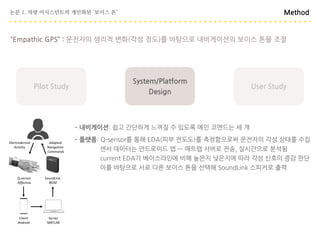
Not all personalities are created equal, and the most effective voice assistants borrow from well-established archetypes. The Expert, for instance, exudes confidence and precision, ideal for navigating complex tasks like setting up a meeting or adjusting climate controls. In contrast, the Companion thrives on empathy, offering encouragement during long drives or sharing lighthearted banter to ease tension. Then there’s the Rebel, a personality that defies expectations with a mischievous tone, perfect for younger users or those craving a break from formality. Each archetype must be tailored to the context—what works in a luxury sedan may falter in a rugged off-road vehicle. The challenge? Ensuring consistency while allowing flexibility for different scenarios.
The Science Behind Voice Tonality and Emotional Cues
Tonality is the invisible thread that weaves personality into a voice. A rising inflection can convey curiosity, while a steady, measured pace suggests authority. Research in prosodic analysis reveals that even minor variations in pitch and rhythm can evoke distinct emotional responses. For example, a voice assistant that adopts a soothing tone during a traffic jam can reduce driver stress, while a playful lilt during a routine check-in fosters engagement. However, cultural nuances complicate this further—what feels warm in one region may come across as condescending in another. Designers must navigate this labyrinth of expectations, balancing universal appeal with localized authenticity.

Challenges in Designing Authentic Personalities
The most daunting hurdle is avoiding the pitfalls of over-personalization. A voice that’s too chatty can become a distraction, while one that’s too reserved may feel cold. The solution lies in adaptive personality—a system that learns from user interactions and adjusts its tone accordingly. For instance, a voice assistant might start with a neutral demeanor but gradually adopt a more familiar tone if the user responds positively to humor. Yet, this raises ethical questions: How much should a system adapt to a user’s quirks before it becomes intrusive? The line between personalization and manipulation is razor-thin, demanding rigorous ethical frameworks to guide development.
Real-World Applications: From Concept to Cockpit
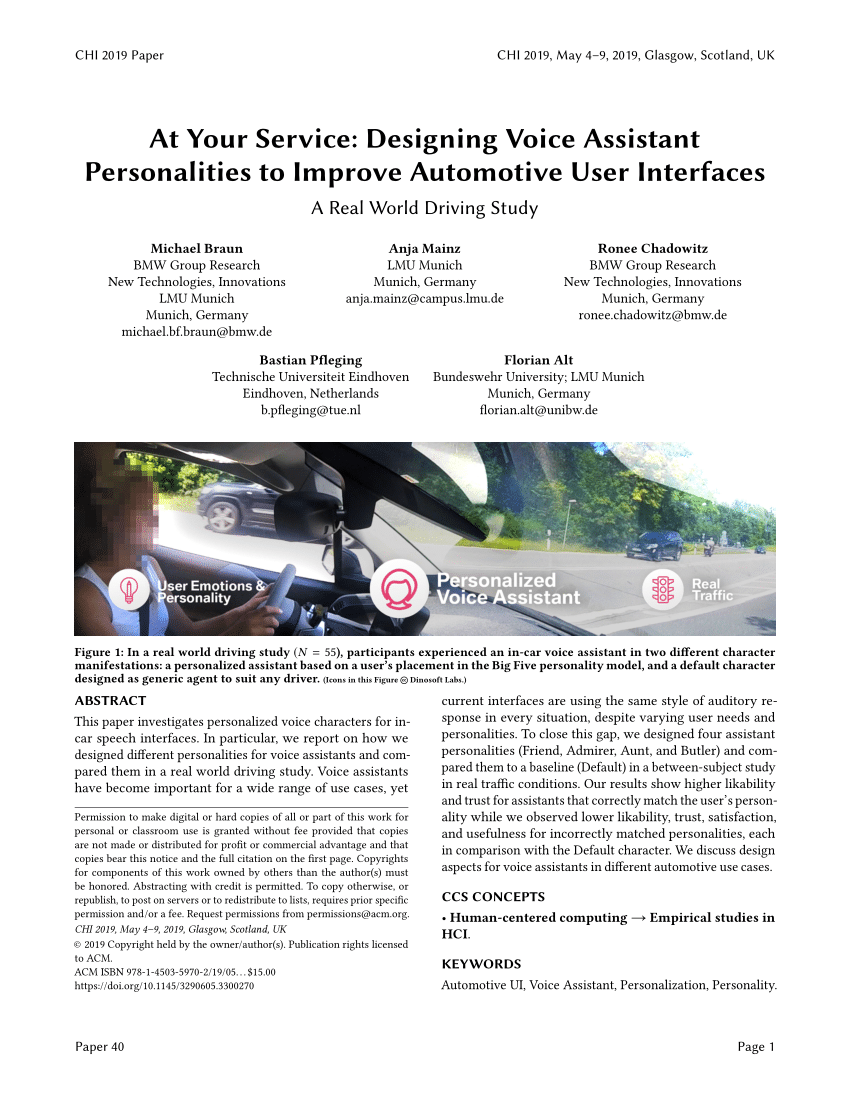
Automotive manufacturers are at the forefront of this revolution. Tesla’s “Snarky” Easter eggs and BMW’s “Concierge” mode demonstrate how personality can enhance user experience. In the latter, the assistant adopts a formal yet friendly tone, guiding drivers with the finesse of a five-star hotel staff. Meanwhile, startups are experimenting with dynamic personalities that evolve based on the time of day or the driver’s mood. A morning commute might warrant a brisk, efficient assistant, while an evening drive could invite a more relaxed, conversational tone. The goal? To make technology feel less like a tool and more like a co-pilot.
The Future: Where Personalities Meet AI Ethics
As voice assistants grow more anthropomorphic, the conversation shifts from what they can do to what they should do. Should a voice assistant ever lie to spare a user’s feelings? Can it ethically mimic emotions it doesn’t genuinely feel? These questions push the boundaries of AI ethics, demanding interdisciplinary collaboration between engineers, psychologists, and ethicists. The future may see the rise of emotionally intelligent assistants that not only recognize stress but also know when to intervene—whether by suggesting a break or adjusting the car’s ambiance to soothe frayed nerves. Yet, without guardrails, this technology risks becoming a double-edged sword, blurring the line between helpfulness and manipulation.
Conclusion: Striking the Balance Between Human and Helper
The quest for the perfect anthropomorphic voice assistant is a dance between art and science. It requires a deep understanding of human emotion, a mastery of linguistic nuance, and an unwavering commitment to ethical design. When done right, these personalities can transform mundane interactions into meaningful connections. But the challenge remains: How do we ensure that our creations enhance humanity rather than diminish it? The answer may lie in the very essence of anthropomorphism itself—creating voices that not only sound human but also feel human, in all their glorious imperfections.


![Case Study: How [Comic Series] Used Anthropomorphism to Stand Out](https://anthropomorphism.org/wp-content/uploads/2026/05/San-Diego-Comic-Con-2-scaled-1.jpg)