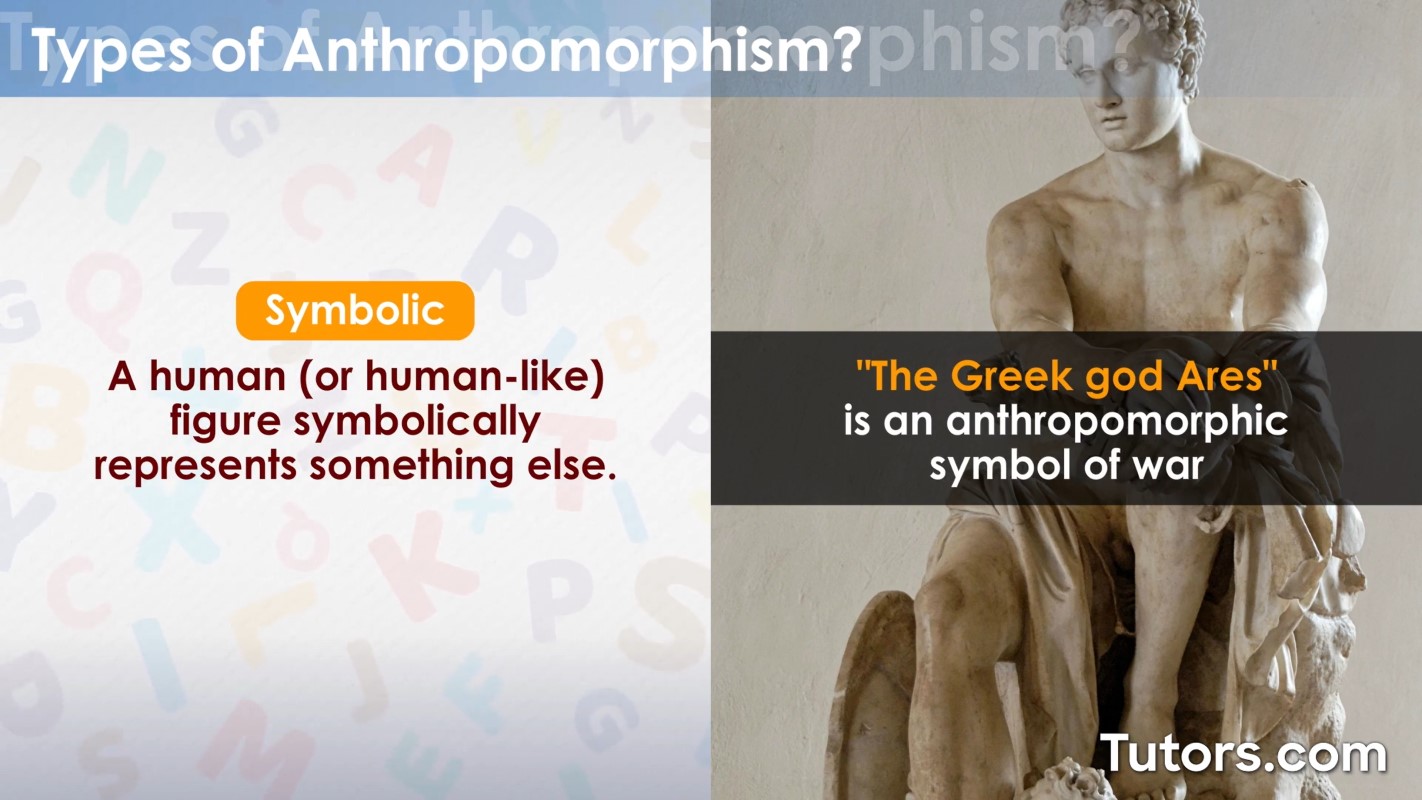
In the realm of architectural innovation, the infusion of anthropomorphism—the attribution of human traits, emotions, or intentions to non-human entities—creates a compelling dialogue between structure and spectator. This narrative explores how an architect masterfully wove anthropomorphic elements into an iconic project, transforming the building from a mere construction into a living, breathing entity that resonates profoundly with its cultural and social milieu. Through metaphor and meticulous design, the architecture transcends function, unfolding a story that captivates both the eye and the imagination.
Unveiling the Human Essence within Stone and Steel
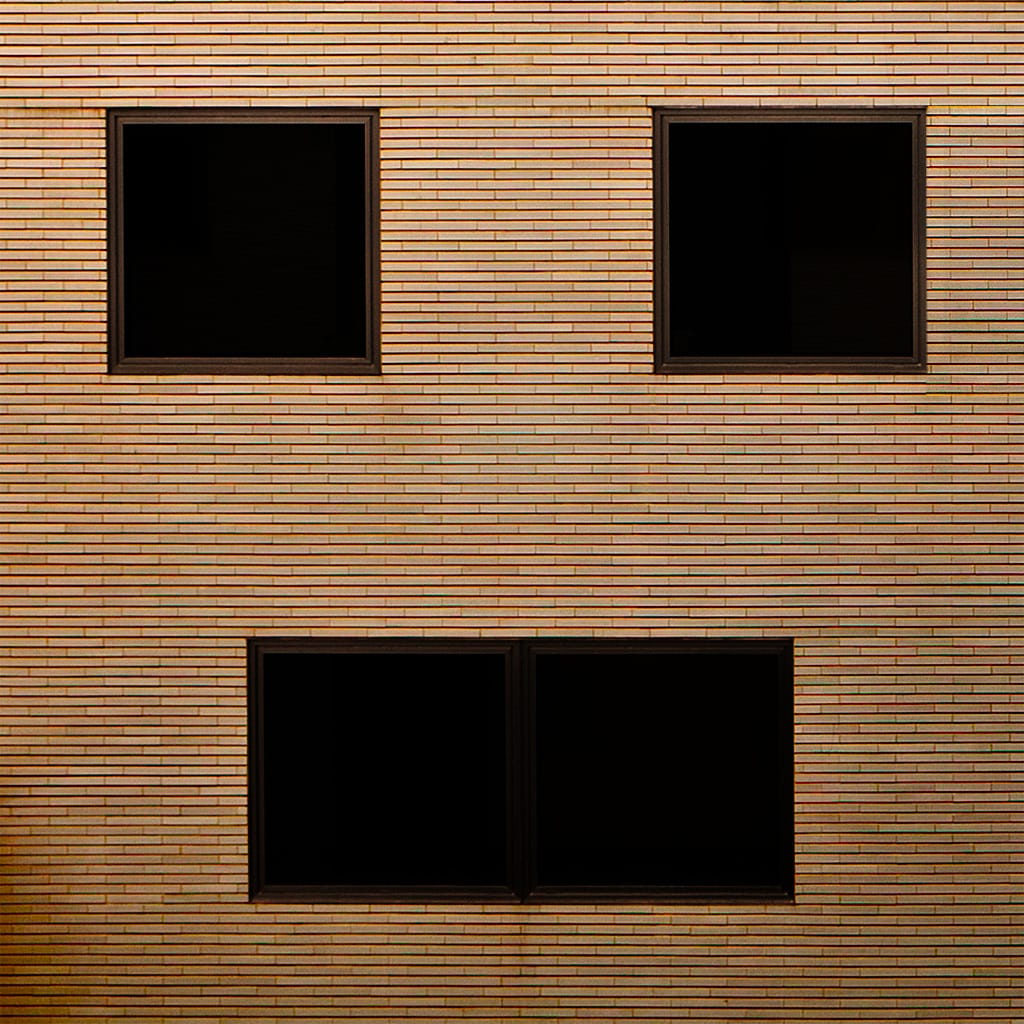
The cornerstone of anthropomorphic architecture lies in imbuing the edifice with human characteristics without diminishing its structural essence. In the famed project under examination, the architect employed subtle yet evocative design choices that echo the nuances of the human form. Curved lines mimic the gentle arc of a human spine, while window placements replicate attentive eyes, scanning the environment. These elements coalesce into a metaphorical figure, an urban sentinel that watches over its domain with an aura of benevolence and vigilance.
This deliberate humanization does more than invite aesthetic admiration; it forges an emotional conduit between the observer and the building. Visitors find themselves instinctively relating to the structure, perceiving it as an entity capable of empathy and presence. Through this, the architect transcends traditional architectural boundaries, crafting a spatial narrative enriched by vitality and familiarity.
The Metaphoric Anatomy: Breathing Life into Architecture
The project’s form can be likened to a living organism, a metaphorical body where every architectural component performs a vital function akin to an anatomical feature. The facade, for example, acts as the skin—both protective and expressive, textured to capture light as if it were responding to the environment’s emotional tone. The entrance is conceived as an open mouth, inviting and welcoming, yet purposeful and commanding respect. Within this frame, staircases spiral like arteries, channeling the flow of people and energy through the building’s veins.
Such a metaphorical internal architecture nourishes the building’s soul. It creates spaces where occupants feel nurtured and engaged, a design philosophy that prioritizes ergonomic grace and psychological resonance. The familiar anatomy instills comfort and intrigue, allowing visitors to navigate intuitively, as though interacting with a sentient entity rather than an inert structure.
Animating Cultural Memory Through Anthropomorphic Design
Beyond physical form, the architect harnessed anthropomorphism as a vessel for cultural storytelling. The building’s posture and form evoke the collective zeitgeist, echoing human resilience, hope, and ingenuity. The anthropomorphic silhouette embodies an ancestral guardian figure common to the local mythology, transforming the site into a communal locus of identity and memory.
Crafting a metaphorical narrative with every beam and curve, the architect planted layers of symbolism deep within the design. This layered symbolism invites continual reinterpretation, engaging residents and visitors alike in a dialogue about heritage and progress. The anthropomorphic nature of the structure serves as a living archive, maintaining an intimate connection between the city’s past and its unfolding future.
The Emotional Resonance: Architecture as a Living Entity
Architectural anthropomorphism elevates the emotional experience, transforming an inanimate object into an empathetic presence. This building does not merely exist; it interacts. It raises questions, evokes memories, and soothes anxieties. The human-like qualities allow the structure to participate in the communal psyche, acting as a catalyst for social connectivity and shared experience.
Visitors often describe a palpable warmth emanating from the project, a rarity in modern steel-and-glass environments. The design accomplishes this through curves and contours that mirror the softness of human touch, and through spaces that emphasize openness and shelter in equal measure. By metaphoric extension, the building becomes a storyteller—one that speaks not with words, but through atmosphere and form.
Integration of Technology and Tradition in Anthropomorphic Form
Another unique appeal of this project lies in its synthesis of cutting-edge technology with anthropomorphic tradition. Advanced computational design techniques allowed the architect to push organic, human-inspired forms into structural feasibility. Parametric modeling enabled the delicate balancing act where the building’s “muscles” — its support systems — contract and expand, distributing loads as a living organism would distribute tension and relaxation.
This interplay breathes a paradoxical dynamism into the static materials, marrying ancient symbolic archetypes with futuristic sensibilities. It highlights the architect’s visionary capacity to honor cultural archetypes while championing innovation, ensuring that the building is not only emblematic of human form but also emblematic of human progress.
Psychological Impact and User Experience: A Dialogue with the Dweller
The anthropomorphic design fosters an immersive psychological experience. By evoking the human figure, the space resonates at a primal level, triggering subconscious associations with safety, kinship, and empathy. Users perceive the building less as a backdrop and more as a participant in their daily lives.
This psychological anchoring results in increased well-being and satisfaction among occupants. The architect’s keen understanding of spatial psychology manifests in environments that respond intuitively to human needs, where corridors flow like conversational pathways and rooms offer sanctuary much like an embrace.
Conclusion: The Living Metaphor of Architecture
Through the prism of anthropomorphism, architecture transcends its functional imperative to become an emblem of humanity itself. The project examined here epitomizes this transformation—bridging the corporeal and the constructed, the emotional and the spatial. By deftly interlacing metaphor with form, the architect choreographs an extraordinary interplay of life and structure, compelling us to rethink how buildings engage with us.
Such designs underscore the potential of architecture to speak with eloquence and empathy, crafting spaces that are not only inhabited but profoundly alive.