Anthropomorphic architecture represents a fascinating confluence of human imagination and structural ingenuity, where buildings transcend their utilitarian origins to assume lifelike forms and expressions. This evocative design approach does not merely mimic the human figure but imbues edifices with personality, emotion, and narrative, engendering a visceral connection between space and occupant. From historical manifestations steeped in cultural symbolism to avant-garde creations that challenge conventional aesthetics, anthropomorphic buildings offer a diverse tapestry of architectural storytelling. This exploration delves into exemplary instances of this genre, illuminating the myriad ways architects harness human forms to enrich our built environment.
Historical Foundations of Anthropomorphic Design
The genesis of anthropomorphic architecture can be traced to ancient civilizations, where the fusion of human motifs with structural forms conveyed mythological and spiritual significance. Temples and monuments, such as those adorned with anthropomorphic deities or guardian figures, exemplify this initial intertwining of personification and architecture. The deliberate projection of human characteristics into these stone and wood constructs served to sanctify the space, transforming the building itself into an emblematic entity. Such origins laid the conceptual groundwork that would later evolve into more explicit and imaginative representations, where buildings physically resemble human forms or body parts.
Representational Facades: Buildings as Human Visages
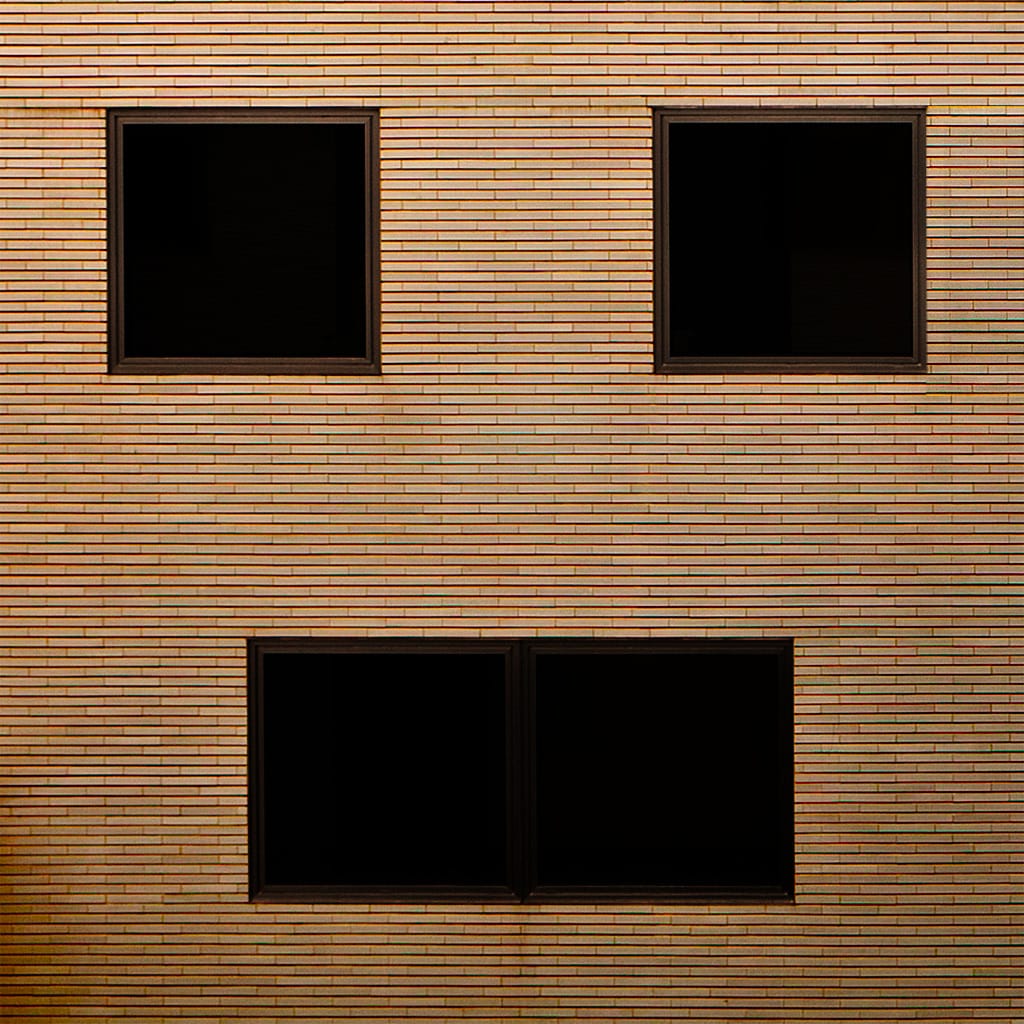
One of the most striking approaches within anthropomorphic architecture involves façades that emulate the human face, complete with eyes, mouths, and noses rendered in structural elements. These designs captivate observers by personifying the building, often endowing it with an enigmatic or whimsical presence. Facade treatments using windows as ‘eyes’ or entranceways as ‘mouths’ stimulate an immediate emotional response, creating an interplay of form and symbolism. This method not only injects novelty but also invites contemplation on the relationship between humans and their habitats, suggesting buildings as extensions or reflections of human identity.
Full-Body Sculptural Architecture
Expanding beyond mere facial resemblance, some architectural marvels embrace the entire human form as their blueprint. These structures integrate anthropomorphic silhouettes—heads, torsos, arms, and legs—into their framework, often synthesizing sculpture with function. Such buildings may serve conventional purposes yet appear as monumental statues or figures frozen in time. The colossal scale emphasizes humanity’s imprint on the landscape, merging artistic expression with habitable space. This fusion challenges normative architectural boundaries and questions how corporeal forms can be abstracted or literalized in three-dimensional environments.
Symbolism and Emotional Resonance
Anthropomorphic buildings transcend mere visual mimicry; they evoke potent symbolisms and emotional nuances. By embodying human characteristics, these structures can suggest empathy, warmth, protection, or intellect, depending on their design language. The anthropomorphized form acts as a vessel for storytelling, where posture, gesture, and expression embedded in architecture narrate cultural values or societal aspirations. The empathetic design encourages inhabitants and passersby to forge a psychological bond with the space, fostering a sense of belonging and identity within urban or natural contexts alike.
Innovations in Materiality and Construction Techniques
The realization of anthropomorphic buildings demands pioneering material usage and construction methodologies. Architects often employ advanced technologies—such as parametric design, 3D modeling, and digital fabrication—to translate complex human forms into buildable structures. Modern materials like tensile fabrics, composite panels, and reinforced polymers enable the flexible yet durable execution of intricate contours and organic shapes. These technological strides not only facilitate aesthetic creativity but also address engineering challenges inherent in anthropomorphic forms, such as structural stability, weatherproofing, and occupant comfort.
Cultural Variations and Influences
An exploration of anthropomorphic architecture reveals pronounced cultural distinctions in form and thematic intent. In some traditions, buildings assume exaggerated human traits aligned with mythic or ritualistic customs, while in others, subtle allusions to the human figure permeate the architectural lexicon. For example, indigenous structures may incorporate human-animal hybrid forms that reflect cosmological beliefs, whereas contemporary urban projects might adopt stylized human silhouettes as symbols of inclusiveness or innovation. These cultural nuances underscore the adaptability of anthropomorphic concepts and their capacity to articulate diverse narratives across geographies and epochs.
Functional Integration and Spatial Experience
Beyond aesthetics, the anthropomorphic paradigm impacts spatial organization and user interaction within the building. Internal layouts can mimic anatomical structures, where circulation pathways resemble veins or limbs, fostering intuitive navigation or zonal differentiation. This biomimetic spatial composition resonates with occupants on a subconscious level, making movement and orientation more natural. Furthermore, such designs often prioritize human scale and ergonomics, ensuring that the embodiment of human form extends to the experiential qualities of light, air, and spatial volume inside the edifice.
Challenges and Critiques of Anthropomorphic Architecture
Despite its imaginative allure, anthropomorphic architecture is not without criticism or practical challenges. Detractors argue that overly literal human forms may verge on novelty or kitsch, undermining architectural gravitas. Moreover, complex shapes can incur increased construction costs and technical complications. The balancing act between expressive form and functional pragmatism necessitates careful planning and expert execution. Nonetheless, when sensitively integrated, anthropomorphic design can enrich the architectural discourse, advocating for structures that resonate emotionally and visually with their communities.
Future Directions and Technological Horizons
The trajectory of anthropomorphic architecture is poised for invigorating expansion, propelled by developments in artificial intelligence, robotics, and immersive virtual reality. These emergent tools promise to deepen the synthesis between human anatomy and architecture, enabling dynamic, responsive buildings that adapt in real-time to environmental stimuli or occupant needs. Interactive façades might simulate human expressions or movements, transforming structures into living entities within urban fabrics. This evolutionary path hints at a future where architecture not only symbolizes humanity but participates actively in human experience.