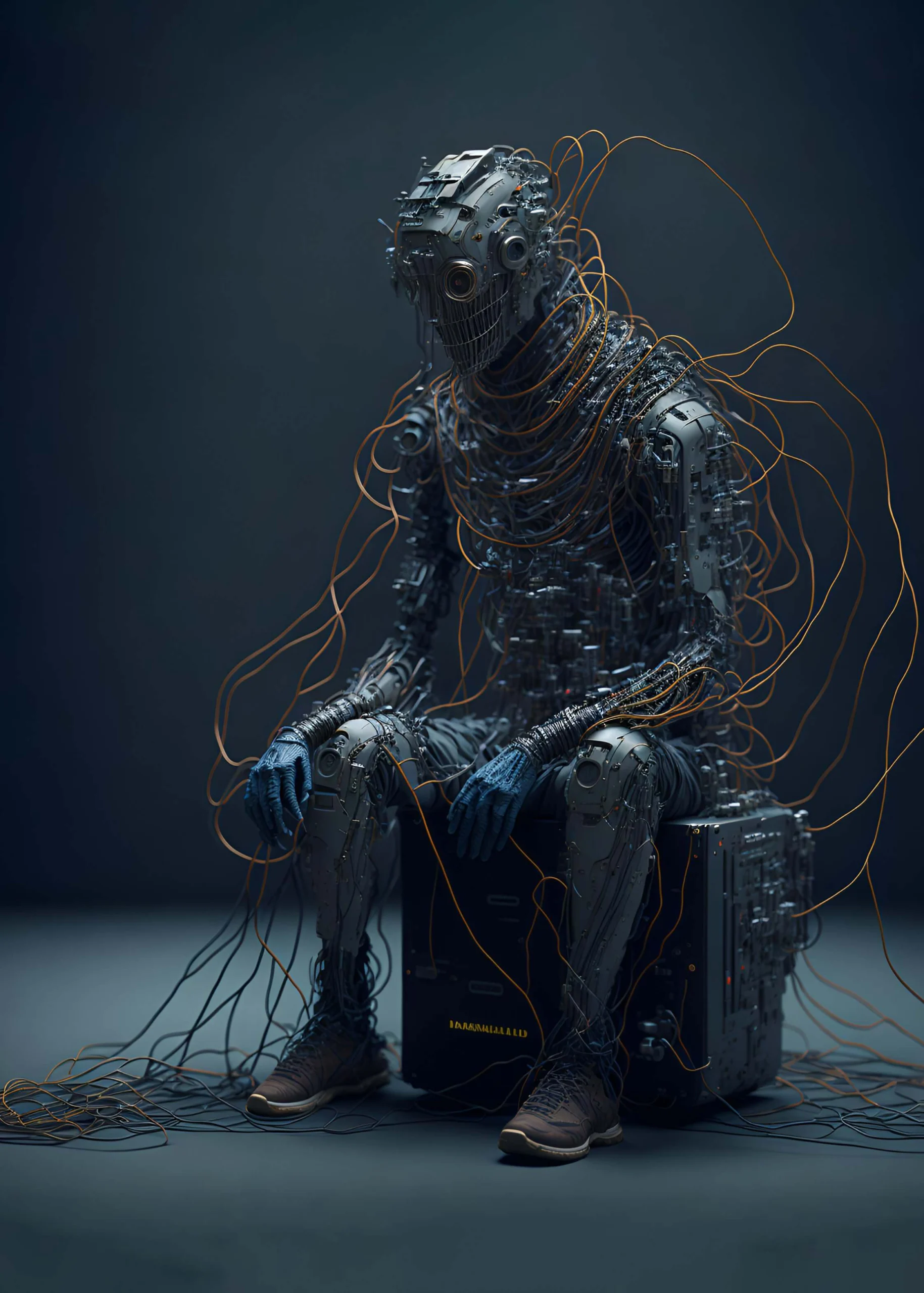
In the ever-evolving landscape of healthcare, a silent revolution is unfolding—not in the sterile precision of surgical tools, nor in the algorithmic brilliance of diagnostic software, but in the quiet hum of machines that seem almost alive. These are not mere tools; they are companions, caregivers, and confidants, their very design borrowing from the human form to bridge the chasm between cold technology and warm empathy. This phenomenon, known as anthropomorphism in robotics, is reshaping how patients interact with care, how clinicians trust machines, and how society perceives the role of artificial intelligence in healing. It is not just about making robots look human—it is about making them *feel* human, and in doing so, transforming the emotional and psychological fabric of healthcare delivery.
The Alchemy of Appearance: When Metal Meets Mimicry
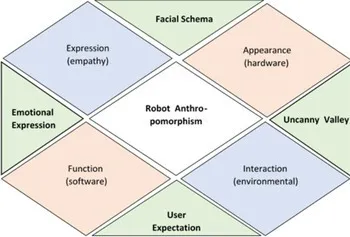
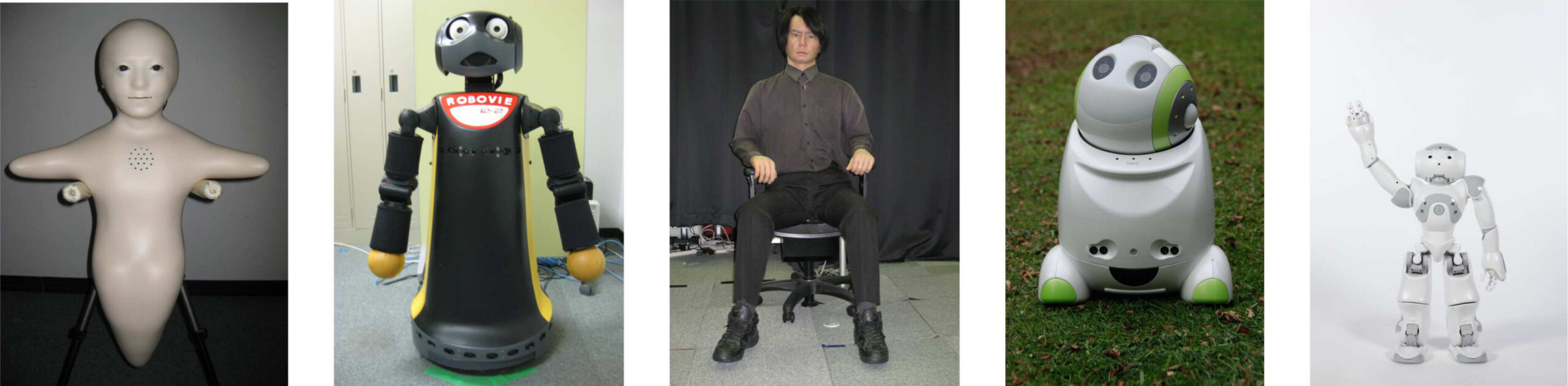
At first glance, a robot is a collection of gears, sensors, and circuits—a mechanical marionette waiting for code to breathe life into it. Yet, when its face tilts in recognition, its voice softens into a soothing cadence, or its movements mimic the gentle rhythm of a nurse’s gait, something profound occurs. The human brain, wired to detect faces and emotions, cannot help but anthropomorphize. A study of appearance in robotics reveals that even subtle cues—rounded edges instead of angular ones, a voice pitched like a human’s, or eyes that track movement—can evoke a sense of sentience. This is not mere illusion; it is a cognitive shortcut, a way for our minds to process the unfamiliar by wrapping it in the familiar.
Consider the humanoid robot designed to assist elderly patients. Its face, though synthetic, is modeled after a caregiver’s: high cheekbones to soften expressions, a mouth that curves into a smile when it speaks. Patients, particularly those grappling with loneliness or cognitive decline, often report feeling less isolated when interacting with such machines. The robot does not replace human connection—it *complements* it, offering a bridge where none existed before. This alchemy of appearance does not just make robots more palatable; it makes them *participants* in the healing process.
The Dance of Agency: When Robots Become Co-Creators of Care
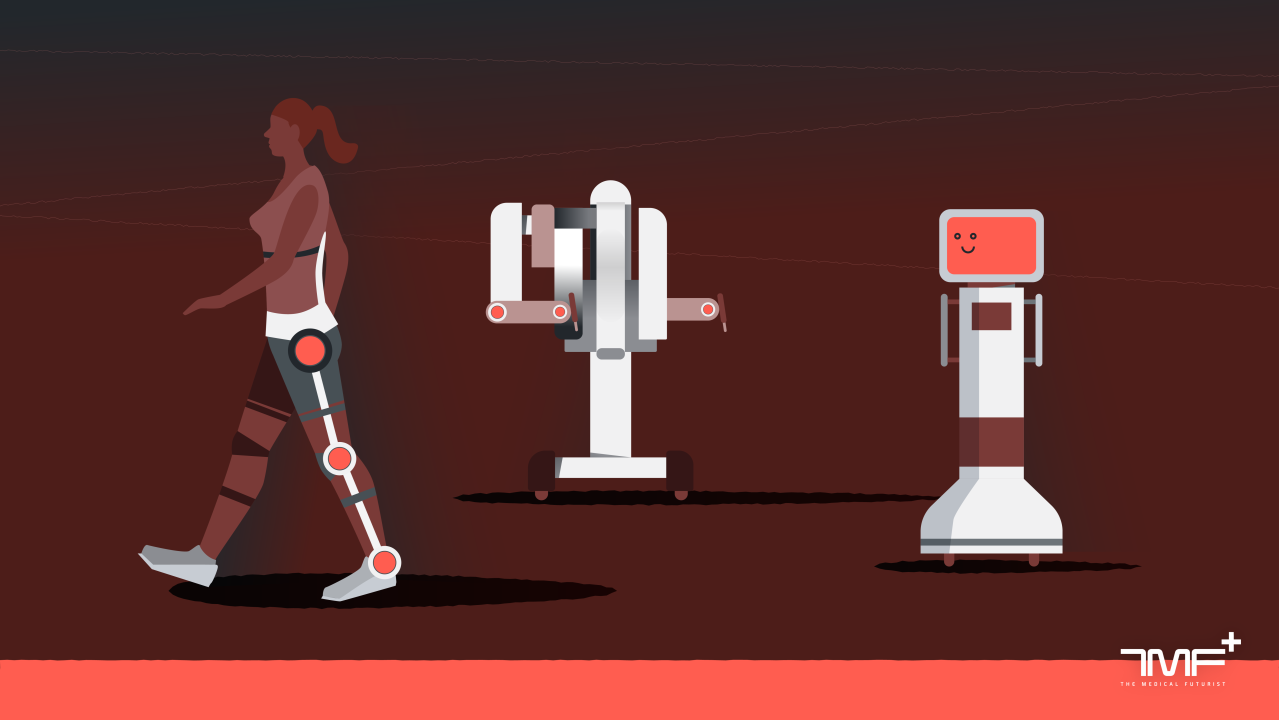
Anthropomorphism is not confined to aesthetics; it extends into the realm of agency—the sense that the robot is not just a tool, but an actor with intent. When a surgical robot adjusts its movements in real-time, responding to the surgeon’s micro-adjustments with eerie precision, it is not merely following commands. It is *collaborating*. This dance of agency is where the true magic lies. Patients, too, experience this when a robotic companion anticipates their needs—adjusting a blanket before they ask, reminding them to take medication, or even engaging in idle conversation to stave off anxiety.
The power of agency lies in its ability to dissolve the power imbalance between patient and machine. A patient no longer feels like a passive recipient of care but an active participant in a dialogue with technology. This shift is particularly transformative in mental health, where robots equipped with empathetic algorithms can guide patients through therapeutic exercises, their responses calibrated to mimic human empathy. The result? A therapeutic alliance that feels less like a clinical transaction and more like a partnership. The robot, in its quiet way, becomes a co-creator of care, its actions guided not just by code, but by the unspoken needs of the human it serves.
The Paradox of Trust: When Machines Earn Our Confidence
Trust is the currency of healthcare, and anthropomorphism is its most potent mint. Yet, this trust is a double-edged sword. On one hand, a robot that speaks with a human voice, that hesitates before answering, that expresses concern through its posture, can inspire confidence in ways a cold, clinical interface never could. Patients are more likely to adhere to treatment plans when delivered by a machine that feels familiar. Clinicians, too, find it easier to integrate robots into their workflow when those machines behave in ways that align with human expectations.
On the other hand, over-anthropomorphism carries risks. A robot that is *too* human risks blurring the line between machine and caregiver, leading to misplaced expectations or even emotional dependency. The challenge, then, is to strike a balance—to design robots that are *just* human enough to be trusted, but not so human that they deceive. This requires a nuanced understanding of how people perceive agency, intent, and reliability in machines. The most successful healthcare robots are those that earn trust not through mimicry alone, but through consistency, transparency, and a clear demonstration of their capabilities.
The Emotional Resonance: How Robots Heal Beyond the Physical
Healing is not solely a biological process; it is an emotional one. A patient recovering from surgery does not just need their incision stitched—they need reassurance, distraction, and a sense of safety. This is where anthropomorphism shines. A robotic companion that can laugh at a joke, share a story, or simply sit in silence beside a patient is not just a tool; it is a balm for the soul. Studies have shown that patients interacting with anthropomorphic robots report lower levels of stress, reduced pain perception, and even improved mood during recovery.
The emotional resonance of these machines lies in their ability to fulfill unmet needs. For children undergoing painful procedures, a robot that can distract with games or stories becomes a lifeline. For the elderly, a machine that remembers their grandchildren’s names and asks about their day becomes a bridge to a world that often feels increasingly distant. Even in palliative care, where the goal shifts from cure to comfort, anthropomorphic robots can provide a gentle presence, their programmed empathy offering a small but meaningful solace.
The Ethical Tapestry: Navigating the Shadows of Anthropomorphism
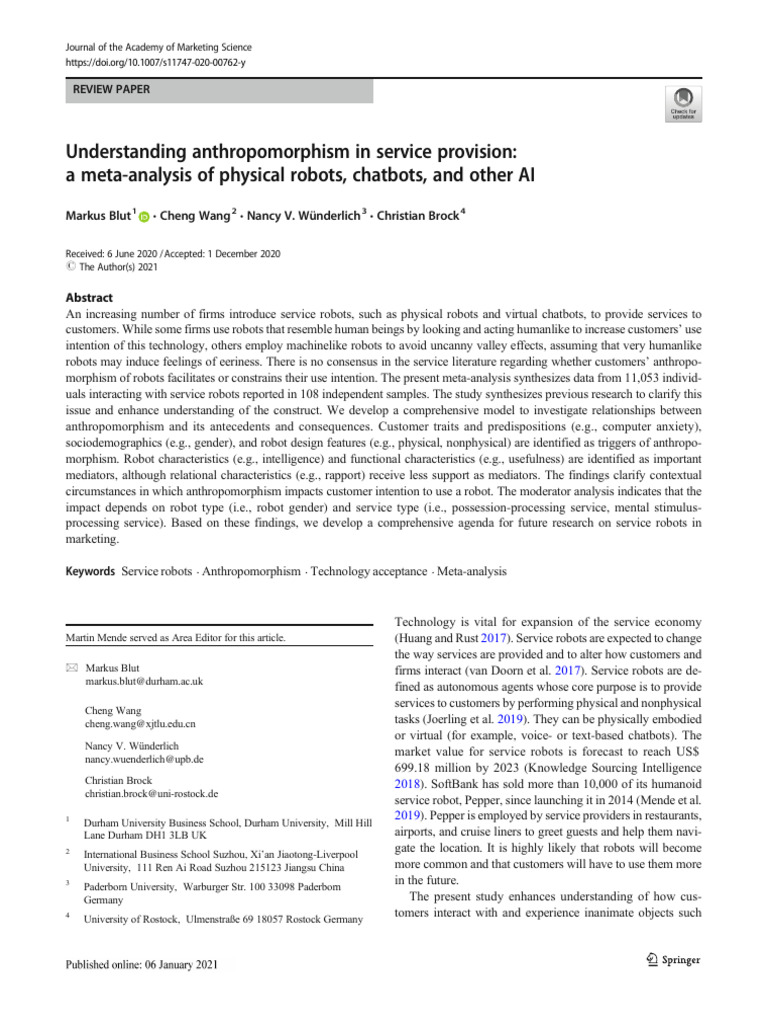
Yet, for all its promise, anthropomorphism in robotics is not without ethical quandaries. The same mechanisms that make robots feel human can also make them *seem* more capable than they are. A patient might trust a robot’s advice on medication dosage, unaware that it is merely regurgitating pre-programmed responses. Clinicians might defer to a machine’s diagnosis, not out of malice, but out of the subconscious bias that human-like machines are inherently more reliable. These are not hypothetical concerns; they are real risks that demand careful consideration.
The ethical tapestry of anthropomorphism is woven with threads of transparency, consent, and accountability. Patients must be informed when they are interacting with a machine, not a human. Clinicians must be trained to recognize the limits of robotic capabilities. And designers must grapple with the question: How human is *too* human? The goal is not to eliminate anthropomorphism but to harness it responsibly, ensuring that the emotional connection it fosters does not come at the cost of patient safety or clinical integrity.
The Future: A Symphony of Steel and Soul
The future of healthcare lies in a symphony of steel and soul—a harmonious blend of robotic precision and human empathy. Anthropomorphism is the conductor of this orchestra, guiding the integration of machines into the most intimate aspects of care. As robots grow more sophisticated, their ability to mimic human behavior will only deepen, raising new questions about the nature of healing itself. Will we one day see robots that can cry? That can dream? That can *choose* to act with kindness? These are not mere flights of fancy; they are the logical endpoints of a field that seeks to erase the boundaries between human and machine.
For now, the most profound impact of anthropomorphism in robotics is its ability to remind us that healing is not just a biological process—it is a human one. And in a world where technology often feels distant and impersonal, the quiet empathy of a machine that *seems* to care might be the most revolutionary innovation of all.