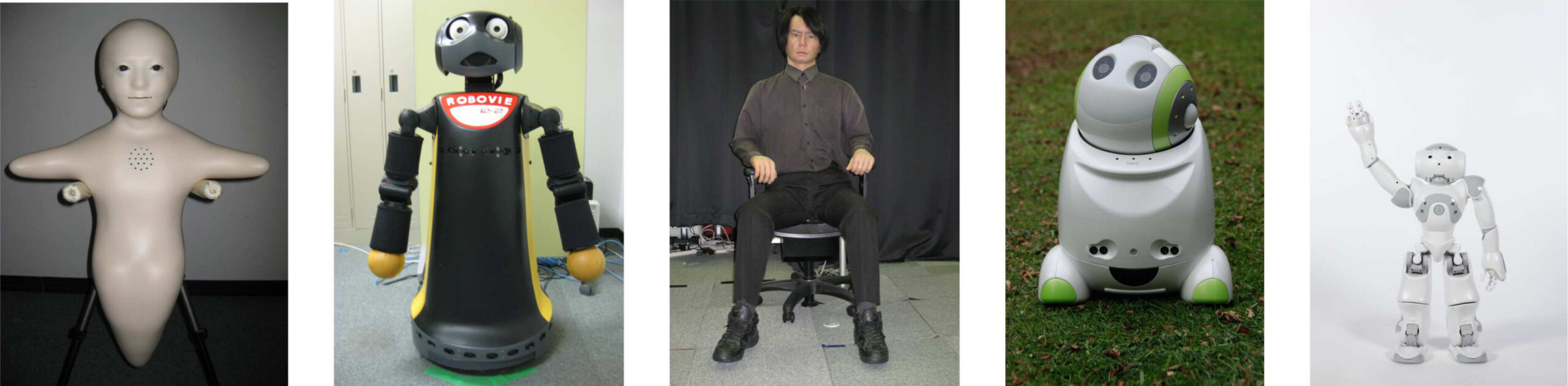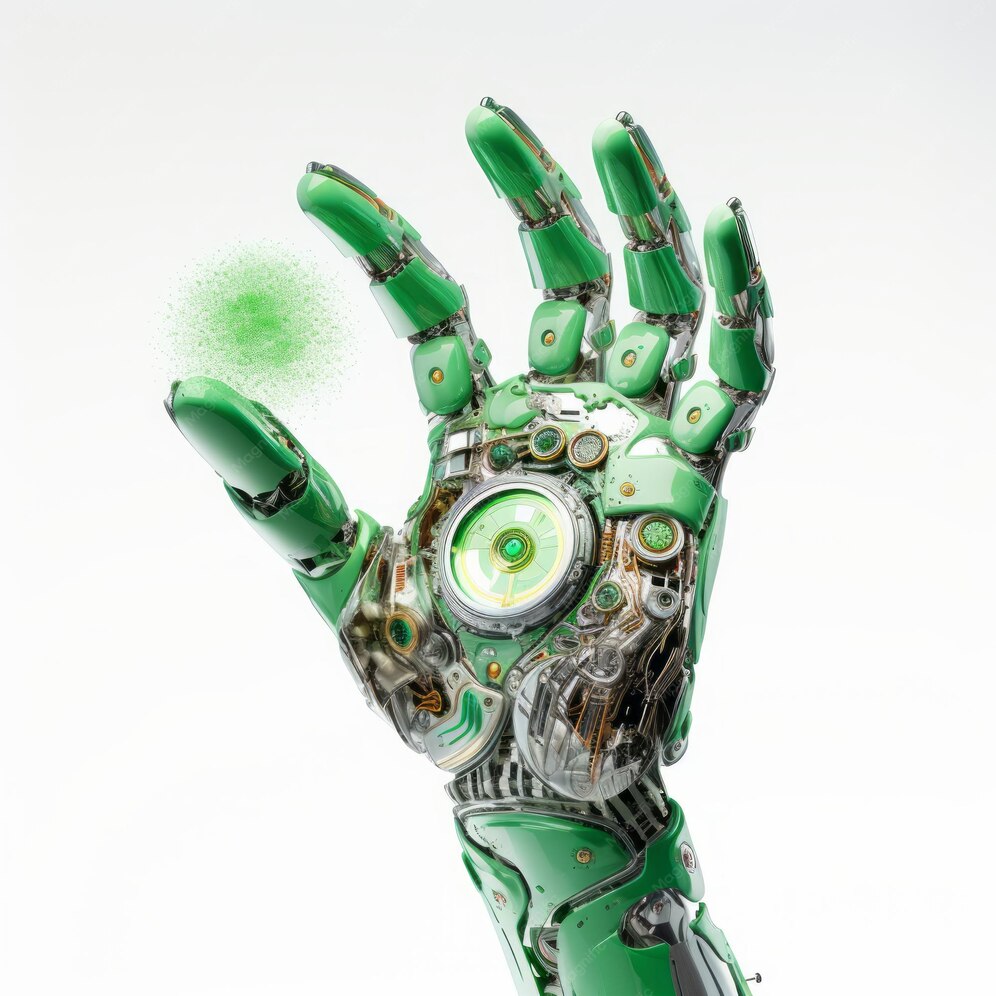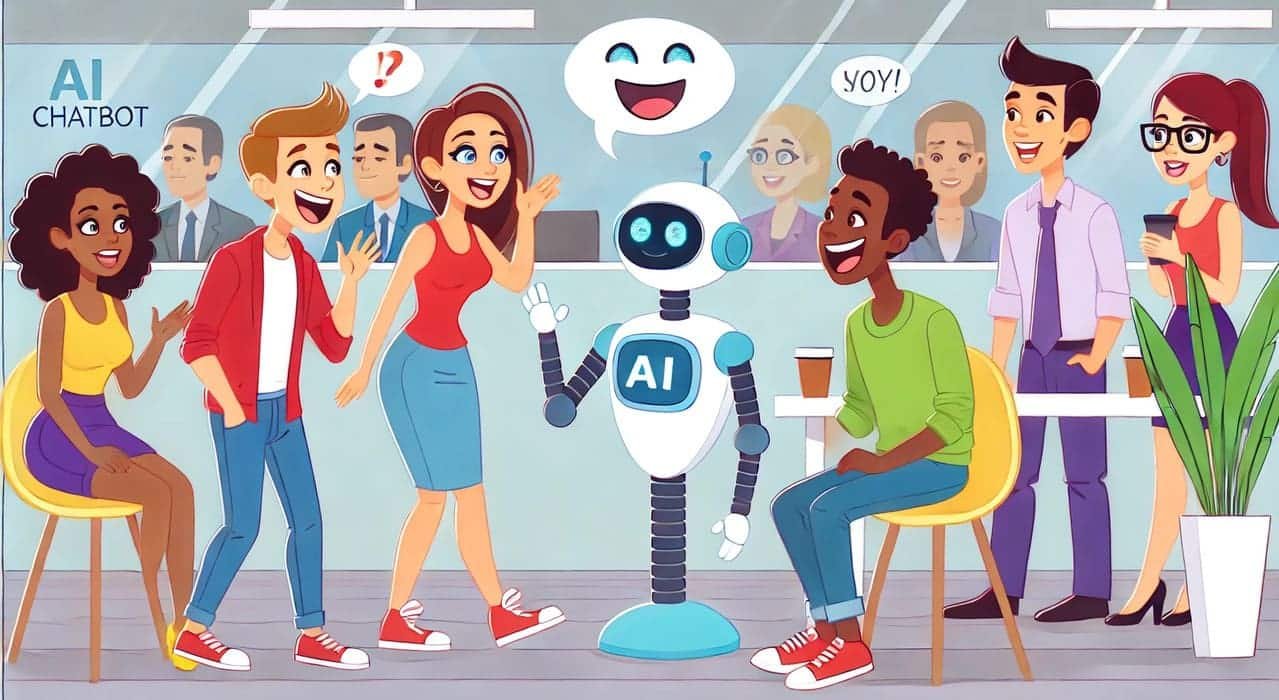
In the ever-evolving landscape of digital marketing, anthropomorphism—the attribution of human-like traits to non-human entities—has emerged as a transformative force. As artificial intelligence (AI) systems grow more sophisticated, their ability to mimic human behavior blurs the line between machine and human interaction. For marketers, this phenomenon presents a double-edged sword: an opportunity to forge deeper emotional connections with consumers while navigating the ethical and practical pitfalls of deceptive familiarity. The integration of anthropomorphic AI into marketing strategies is not merely a trend; it is a paradigm shift that redefines how brands communicate, engage, and ultimately, convert. This article explores the multifaceted impact of anthropomorphism in AI on marketing, dissecting its psychological underpinnings, strategic applications, and the evolving expectations of modern consumers.
The Psychological Allure of Human-Like AI in Consumer Engagement
At the heart of anthropomorphism lies a fundamental human tendency: the inclination to project intentions, emotions, and personalities onto objects and systems. This cognitive bias, rooted in our evolutionary past, allows us to navigate complex social environments with ease. When applied to AI, it transforms cold, algorithmic interactions into warm, relatable exchanges. Studies in consumer psychology reveal that users are more likely to trust and engage with AI entities that exhibit human-like qualities—such as empathy, humor, or even vulnerability. For instance, a chatbot that apologizes for a delay or a virtual assistant that cracks a joke can elicit responses akin to those directed at a human interlocutor. This phenomenon, known as the parasocial relationship, fosters a sense of familiarity and loyalty, making consumers more receptive to marketing messages. However, the line between endearing and unsettling is thin; over-anthropomorphism can lead to uncanny valley effects, where users feel discomfort due to the AI’s eerie resemblance to human behavior.
The key for marketers lies in striking a balance—leveraging anthropomorphism to humanize brands without crossing into the realm of the uncanny. This requires a nuanced understanding of the audience’s preferences and cultural context. For example, a luxury brand might employ a sophisticated, witty AI assistant to align with its high-end image, while a children’s toy company could use a playful, animated chatbot to resonate with younger demographics. The goal is to create an experience that feels authentically human rather than artificially contrived, thereby fostering genuine emotional connections.
Content Strategies: Tailoring Anthropomorphic AI to Diverse Reader Needs
Not all content is created equal, and neither are the audiences it serves. Anthropomorphic AI can be a powerful tool to tailor marketing messages to specific reader segments, enhancing relevance and engagement. Below are several content formats where anthropomorphism can be strategically deployed:
Interactive Storytelling and Narrative-Driven Campaigns
One of the most compelling applications of anthropomorphic AI is in interactive storytelling. Brands can create AI-driven narratives where the protagonist is a relatable, human-like entity—whether a virtual influencer, a brand mascot, or a fictional character. These stories can unfold in real-time through chatbots, social media posts, or even augmented reality (AR) experiences. For example, a skincare brand might develop an AI character who shares personal anecdotes about overcoming acne, blending educational content with emotional resonance. This approach not only educates consumers but also builds a narrative around the brand, making it more memorable. The interactive nature of these campaigns ensures that users are not passive recipients of information but active participants in the story, deepening their investment in the brand’s message.
Personalized Email Campaigns with AI Avatars
Email marketing remains a cornerstone of digital strategy, but its effectiveness hinges on personalization. Anthropomorphic AI can elevate this by generating dynamic, human-like responses within emails. Imagine receiving an email from a virtual assistant who addresses you by name, references past interactions, and even uses empathetic language to recommend products based on your mood or recent browsing history. This level of personalization goes beyond segmentation; it creates a one-on-one dialogue that feels intimate and tailored. For instance, a travel agency could deploy an AI avatar that crafts bespoke itineraries based on a user’s travel preferences, complete with witty commentary and insider tips. The result is an email that feels less like a sales pitch and more like advice from a trusted friend.
Gamified Experiences and AI-Powered Quizzes
Gamification has long been a staple of engagement strategies, but anthropomorphic AI can take it a step further by infusing personality into the experience. Consider an AI-powered quiz that helps users discover their ideal product—whether it’s a skincare routine, a workout plan, or a streaming subscription. Instead of a static questionnaire, the AI could adopt a playful persona, offering humorous feedback or playful banter as users progress. This not only makes the process enjoyable but also reinforces the brand’s voice and values. For example, a fitness brand might use an AI coach who cracks jokes while pushing users to complete their daily workout. The gamified element, combined with anthropomorphism, transforms a mundane task into an engaging, brand-aligned experience.

Ethical Considerations and the Fine Line Between Relatability and Deception
While anthropomorphism offers undeniable benefits, it also raises critical ethical questions. The primary concern is the potential for manipulation—consumers may form attachments to AI entities that are, at their core, sophisticated algorithms designed to drive sales. This blurring of boundaries can lead to dark patterns, where users are subtly coerced into making purchases or sharing personal data under the guise of a friendly interaction. For instance, an AI chatbot that excessively flatters a user or feigns concern for their well-being to encourage a purchase crosses an ethical line, even if the tactic is effective.
To mitigate these risks, marketers must prioritize transparency. Clearly disclosing when an interaction is AI-driven—without sacrificing the human-like qualities that make it engaging—is essential. Additionally, brands should avoid anthropomorphizing AI in contexts where it could mislead users, such as financial advice or medical consultations. The goal is to create experiences that feel human without being deceptive. This requires a commitment to ethical design, where the user’s trust is paramount. Brands that strike this balance will not only avoid backlash but also cultivate long-term loyalty built on authenticity.
The Future of Anthropomorphic AI in Marketing: Trends and Predictions
The trajectory of anthropomorphic AI in marketing is poised for exponential growth, driven by advancements in natural language processing (NLP), voice synthesis, and emotional AI. One emerging trend is the rise of hyper-personalized AI influencers—virtual personalities who evolve alongside their audience, adapting their tone, interests, and even appearance to maintain relevance. These influencers could become the face of brands, blurring the line between marketing and entertainment. Imagine a virtual influencer who hosts live Q&A sessions, creates behind-the-scenes content, and even collaborates with human influencers, all while maintaining a consistent, relatable persona.
Another frontier is the integration of AI with immersive technologies like virtual reality (VR) and AR. Picture a virtual store where an AI sales assistant guides you through a 3D showroom, answering questions in real-time and adapting the environment based on your preferences. This level of interactivity could redefine the retail experience, making it more engaging and personalized than ever before. Additionally, emotional AI—systems capable of detecting and responding to user emotions—could enable marketers to tailor content dynamically. For example, an AI could detect frustration in a user’s tone during a chatbot interaction and pivot to a more empathetic approach, thereby salvaging the conversation and preserving the brand relationship.
As these technologies mature, the challenge for marketers will be to harness their potential without losing sight of the human element. The most successful brands will be those that use anthropomorphic AI not as a replacement for human connection but as a catalyst for deeper, more meaningful interactions. The future of marketing lies in the seamless fusion of technology and humanity—a balance where AI enhances, rather than diminishes, the authentic essence of brand-consumer relationships.