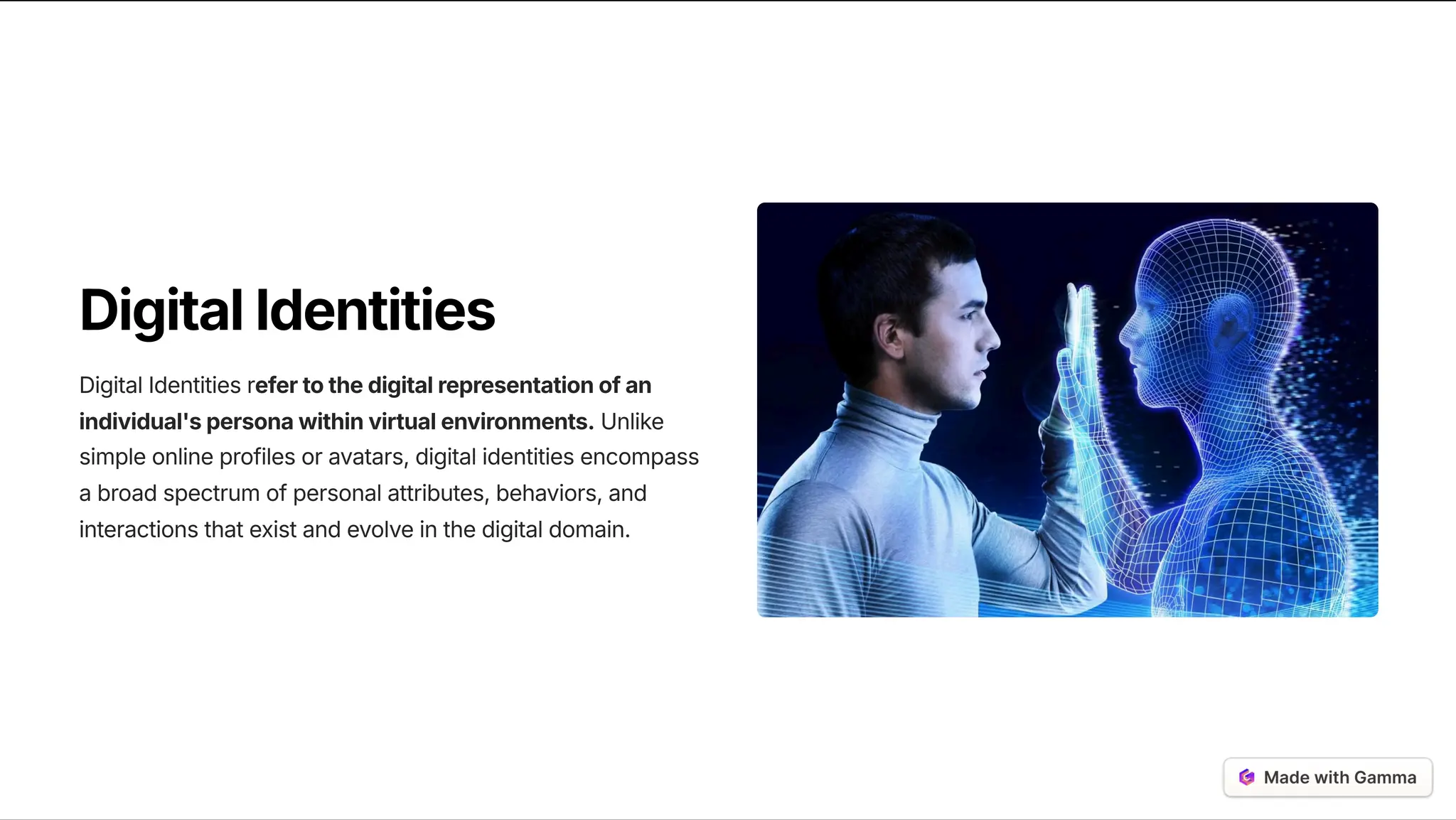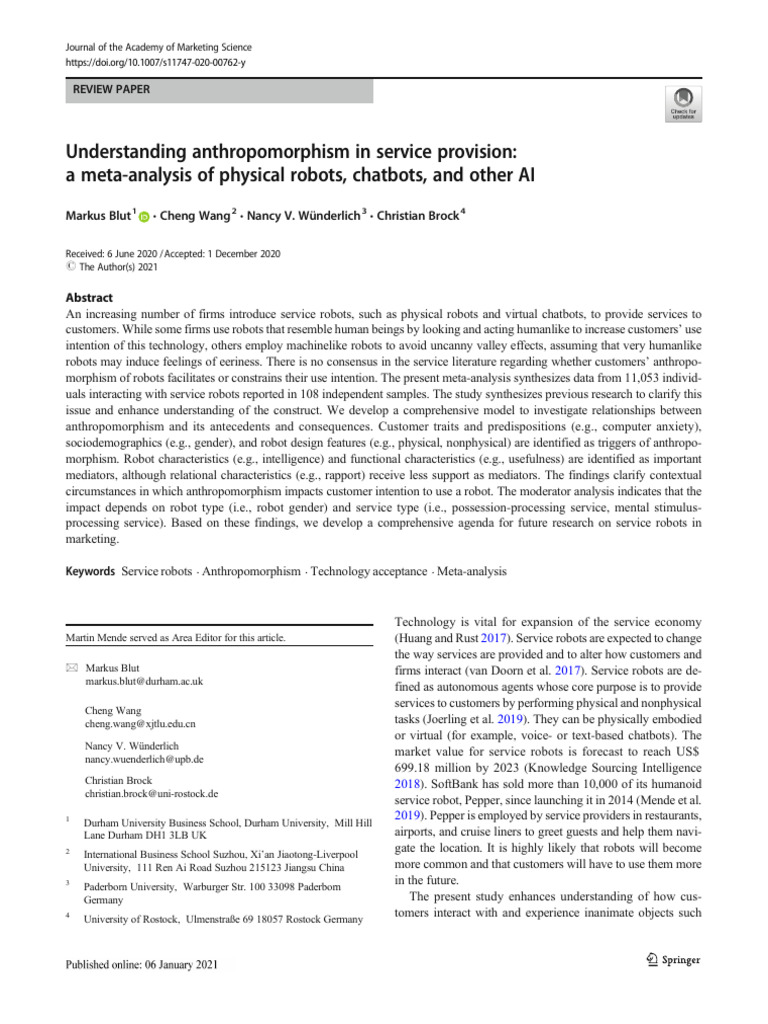
Anthropomorphism, the attribution of human traits, emotions, or intentions to non-human entities, has long fascinated scholars across disciplines. In the realm of language learning, this phenomenon serves as a unique pedagogical tool, engaging learners by humanizing abstract concepts, linguistic structures, and cultural nuances. But does anthropomorphism truly enhance language acquisition, or is it merely a whimsical device with limited practical value? This exploration unravels the intricate layers of anthropomorphism in language education, illuminating its applications, advantages, potential pitfalls, and multifarious content forms that facilitate efficient and immersive learning.
The Genesis of Anthropomorphism in Language Learning
The employment of anthropomorphism in language instruction is not a modern invention; rather, it draws from a rich tapestry of literary and educational traditions. Historically, educators have anthropomorphized grammatical concepts or vocabulary items to render them more relatable. For example, verbs may be portrayed as energetic characters leaping across sentences, while nouns serve as steadfast figures anchoring ideas. This personification transforms inert symbols into dynamic entities, catalyzing engagement and comprehension. The conceptual allure lies in transforming intangible linguistic elements into familiar, human-like experiences, thereby fostering cognitive resonance and emotional connection.
This approach leverages the innate human proclivity to recognize and empathize with personified traits. When a language learner envisions adjectives as vibrant personalities dressing up nouns, or prepositions as mischievous connectors weaving relationships, the learning process metamorphoses from rote memorization into a compelling narrative journey. Such transformations underpin mnemonic strategies that have been shown to bolster retention and recall.
Forms of Anthropomorphic Content in Language Learning
Anthropomorphism manifests in diverse pedagogical artifacts and media within language acquisition spheres. From illustrated storybooks and animated videos to interactive worksheets and gamified applications, the spectrum is extensive. Each type serves distinct cognitive and affective functions.
- Illustrated Storybooks: These often depict grammatical rules or vocabulary as characters engaged in adventures. By contextualizing language rules within stories, learners internalize rules subconsciously while enjoying the narrative’s entertainment value.
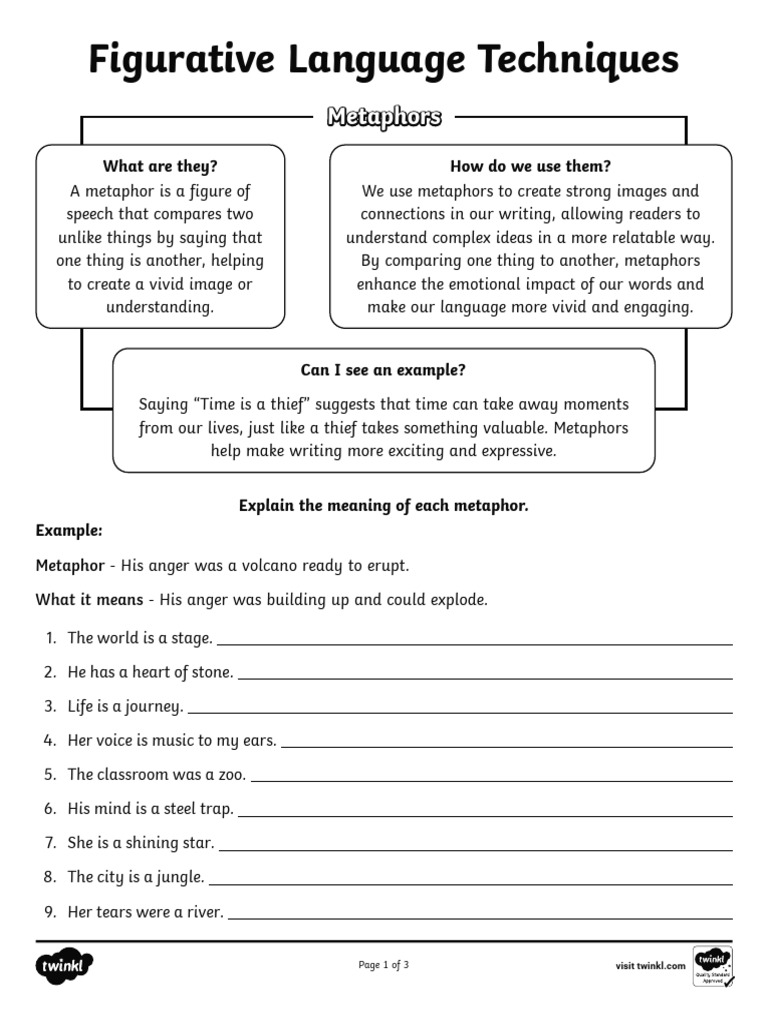
- Worksheets and Graphic Organizers: Visual metaphors replace abstract linguistic terminology. For instance, a worksheet might personify different parts of speech, assigning each a unique cartoon character that helps learners categorize and syntactically analyze sentences.
- Multimedia and Digital Applications: Animations that anthropomorphize language components create immersive environments. Such content utilizes interactivity, prompting learners to interact with ‘characters’ that embody verbs, adjectives, or idiomatic expressions, thereby reinforcing understanding through experiential learning.
- Metaphorical Language Exercises: Exercises that incorporate metaphor and anthropomorphism challenge learners to deconstruct figurative language while applying their interpretive skills. This dual-layered approach cultivates both linguistic competence and cognitive flexibility.
Collectively, these materials harness anthropomorphic imagery and narratives to invigorate learner interest and encourage active participation.
Cognitive and Emotional Benefits of Anthropomorphism
The interplay between cognition and emotion is pivotal in language learning, and anthropomorphism engages both dimensions proficiently. Cognitively, personification aids memory by coding information into narrative structures that are easier to retrieve later. Concepts gain “faces” and “personalities,” facilitating deeper processing and more durable encoding in the learner’s mental repository.
On an emotional plane, anthropomorphic devices diminish learner anxiety — a well-documented impediment to language acquisition. When grammar transforms into an accessible character rather than a forbidding set of rules, apprehension subsides. Emotional resonance with anthropomorphized content stimulates motivation, perseverance, and a positive attitude toward the target language.
Furthermore, anthropomorphism nurtures creative thinking. By inviting learners to imagine linguistic elements as active agents, it cultivates flexible problem-solving skills and a willingness to experiment with language usage beyond mechanical repetition.
Challenges and Limitations of Using Anthropomorphism
Despite its pedagogical allure, anthropomorphism in language learning is not without caveats. Overreliance on personification can obscure linguistic precision, leading learners to conflate metaphor with grammatical fact. For instance, while depicting a verb as a ‘runner’ is evocative, it may inadvertently encourage misconceptions about verb functions or complexity.
Another limitation lies in cultural variance. Anthropomorphic representations might resonate differently across cultural contexts, potentially limiting universal applicability. What is endearing and comprehensible in one culture may seem obscure or even distracting in another. Hence, instructors must calibrate anthropomorphic content thoughtfully to suit their learner cohort’s cultural and cognitive expectations.
Additionally, some advanced learners may find anthropomorphic materials juvenile or insufficiently challenging, necessitating a graduated approach that phases in more abstract and specialized content as proficiency matures.
The Role of Anthropomorphism in Different Language Acquisition Stages
Anthropomorphism yields distinct advantages depending on the learner’s stage. Beginners benefit greatly, as personification renders unfamiliar concepts approachable and less intimidating. Early-stage learners often grapple with abstract grammatical notions; anthropomorphism concretizes these, scaffolding comprehension effectively.
Intermediate learners utilize anthropomorphic content to deepen their understanding of nuances in syntax and semantics. The storytelling aspect imbued in personification supports contextual learning, aiding in the mastery of idiomatic expressions and cultural subtleties.
For advanced learners, while direct anthropomorphic tools may wane in utility, they serve an indirect role. Metaphorical interpretation and creative linguistic expression — skills fostered by earlier engagement with anthropomorphic language — become essential. These learners engage with anthropomorphism more analytically, appreciating its literary and rhetorical significance.
Integrating Anthropomorphism with Other Language Learning Techniques
Anthropomorphism is most efficacious when synergized with diverse instructional strategies. Combining it with multimedia presentations, spaced repetition, and communicative practice enriches the educational milieu. For instance, animated characters personifying language rules can be paired with practical conversational exercises, enabling learners to apply rules contextually.
Moreover, incorporating reflective discussions about anthropomorphic content encourages metacognitive awareness, fostering an understanding of how language functions both literally and figuratively. This reflective dimension enhances learners’ critical thinking and interpretive skills.
Technological advancements facilitate sophisticated integration, with adaptive learning platforms personalizing anthropomorphic content based on learner progress and style. This customization ensures relevance and maximizes engagement, culminating in more tailored and effective instruction.
Conclusion: Does Anthropomorphism Work in Language Learning?
Anthropomorphism undeniably holds a valuable place in language learning paradigms. It bridges the abstract and the tangible, invigorating pedagogy with imagination and emotional appeal. Content infused with human characteristics animates grammatical structures and vocabulary, rendering them memorable and accessible.
However, its impact is contingent upon thoughtful implementation, sensitivity to learner demographics, and balanced integration with other modalities. When wielded judiciously, anthropomorphism not only enhances comprehension and retention but also cultivates a richer, more immersive linguistic experience. It transforms language learning from mechanical acquisition into an engaging narrative journey where learners connect intimately with the language they seek to master.