In the boundless expanse of fantasy, where the laws of nature bend and the impossible thrives, one motif recurs with almost mythic persistence: anthropomorphic creatures. These beings—part human, part beast—inhabit the pages of epics, the frames of animations, and the pixels of digital realms. But why do fantasy worlds cling to this archetype with such fervor? Is it mere whimsy, or does it serve a deeper narrative and psychological purpose? To answer this, we must venture beyond the surface, into the tangled roots of symbolism, storytelling, and the human psyche itself.
The Allure of the Familiar and the Fantastic
Anthropomorphism is, at its core, a bridge between the known and the unknown. Humans are hardwired to seek patterns, to anthropomorphize the world around them—whether it’s naming a storm or attributing intentions to the wind. Fantasy worlds, in their quest to feel immersive and emotionally resonant, exploit this cognitive tendency. By blending human traits with animal characteristics, creators forge creatures that are both alien and relatable. A fox with the cunning of a courtier or a bear with the stoic wisdom of a sage feels fantastical, yet their expressions and postures echo our own. This duality allows audiences to project their emotions onto these beings, fostering empathy and investment in their stories.
Consider the humble dragon. In its most compelling forms, it is not merely a scaled beast with fire-breathing prowess, but a creature of complex motivations—possessing the regal bearing of a monarch or the mischievous grin of a trickster. This human-like demeanor transforms it from a mere monster into a character, one whose triumphs and failures resonate on a deeply personal level. The fantasy genre thrives on such transformations, turning the abstract into the tangible, the inhuman into the intimate.
The Challenge of Balancing Whimsy and Depth
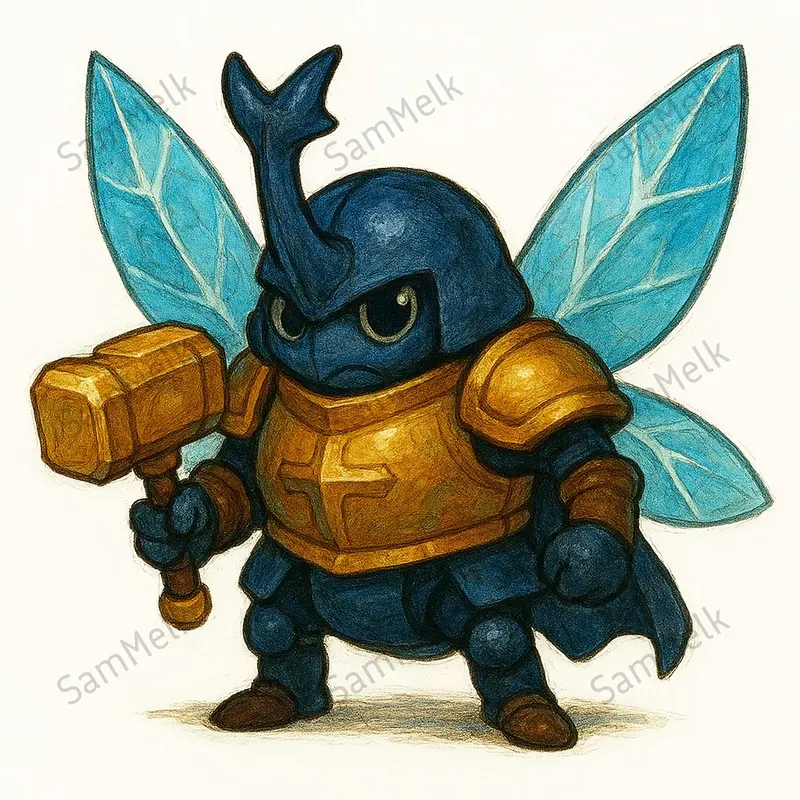
Yet, this very strength can become a pitfall. The line between charming anthropomorphism and clichéd caricature is perilously thin. A world overrun with grinning, chattering creatures risks feeling frivolous, a playground devoid of gravitas. The challenge, then, lies in imbuing these beings with purpose and depth. Fantasy worlds must tread carefully, ensuring that anthropomorphism serves the narrative rather than undermines it. A fox knight, for instance, must be more than a cunning rogue with a tail; their animal traits should inform their role in the story, their instincts shaping their choices. The best fantasy creators understand this balance, using anthropomorphism as a tool to explore themes of identity, power, and morality, rather than as a shortcut to cuteness or shock value.
This challenge is compounded by the need for consistency. A world where animals walk upright and speak must establish rules—how do these creatures reproduce? Do they form societies parallel to human ones? The absence of such logic can shatter immersion, leaving audiences adrift in a sea of whimsy. The most enduring fantasy worlds, from Middle-earth to Azeroth, treat anthropomorphism with reverence, weaving it into the fabric of their lore rather than slapping it on as mere decoration.
The Symbolic Power of Hybrid Beings
Anthropomorphic creatures are not mere aesthetic choices; they are vessels for symbolism. In fantasy, they often embody dualities—wisdom and ferocity, innocence and cunning, freedom and constraint. The centaur, half-man and half-horse, represents the tension between human intellect and animal instinct, a duality that has fascinated philosophers for centuries. Similarly, the kitsune, a fox spirit from Japanese folklore, embodies the fluidity of truth and deception, its many tails a visual metaphor for the layers of its nature.
These symbols are not static. They evolve with the cultures that create them. In Western fantasy, dragons often symbolize greed or destruction, while in Eastern traditions, they are harbingers of rain and prosperity. The anthropomorphic form allows these creatures to transcend cultural boundaries, becoming universal archetypes that resonate across time and geography. They are mirrors, reflecting our fears, desires, and contradictions back at us in a form that feels both fantastical and eerily familiar.
The Narrative Engine of Anthropomorphism
Beyond symbolism, anthropomorphic creatures serve as narrative catalysts. They allow storytellers to explore complex themes through the lens of the extraordinary. A tale of a rabbit leading an army against a tyrannical wolf, for instance, can critique oppression and resistance without the baggage of human history. The animal guise provides a layer of abstraction, making the story’s message more palatable or more provocative, depending on the intent.
Moreover, these creatures can embody roles that humans might struggle to accept. A shy, bookish tortoise might be more relatable as a wise elder than a human scholar, its slow, deliberate movements underscoring its patience and depth. Conversely, a predatory feline might be cast as a ruthless villain, its animalistic grace amplifying its menace. This flexibility allows fantasy to explore the full spectrum of human (and inhuman) experience, from the noble to the nefarious, without the constraints of realism.
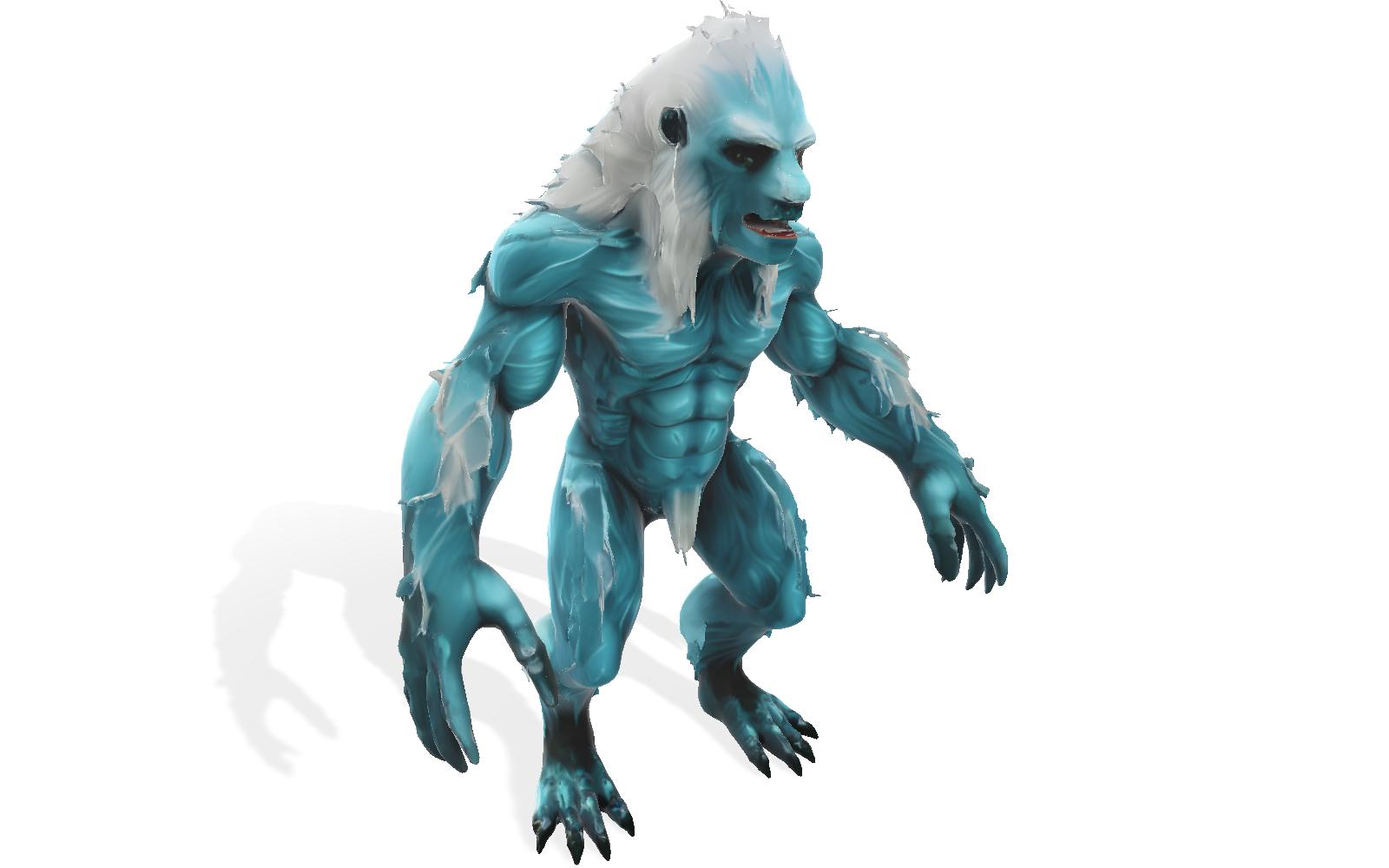
Yet, this narrative freedom comes with a caveat. The more an anthropomorphic creature resembles a human, the more it risks losing its fantastical essence. A fox with a human torso and a vulpine head is undeniably otherworldly, but a fox with a human face and posture may as well be a person in a costume. The art lies in striking a balance—retaining enough animalistic traits to evoke wonder, while endowing the creature with enough humanity to forge an emotional connection.
The Psychological Resonance of the Uncanny
There is something deeply unsettling about the uncanny valley, that strange phenomenon where a near-human figure triggers discomfort rather than empathy. Anthropomorphic creatures, by their very nature, teeter on this precipice. A creature that is almost human but not quite can evoke a primal unease, a reminder of the thin veneer separating civilization from savagery. This psychological tension is a powerful tool in fantasy, allowing creators to explore themes of identity and transformation.
Consider the werewolf, a being caught between man and beast. Its struggle to reconcile its dual nature mirrors our own internal conflicts—the battle between reason and instinct, duty and desire. In this way, anthropomorphic creatures become metaphors for the human condition, their transformations a physical manifestation of inner turmoil. The fantasy genre, with its penchant for the grotesque and the sublime, is uniquely suited to delve into these psychological depths, using the guise of the fantastical to illuminate the real.
This resonance is not limited to horror or tragedy. Comedy, too, thrives on anthropomorphism. The bumbling, overconfident rooster or the vain, peacock-like aristocrat are staples of comedic fantasy, their animal traits amplifying their flaws for humorous effect. Here, the uncanny becomes a source of joy, a playful reminder that even in the most fantastical of worlds, human foibles persist.
The Future of Anthropomorphism in Fantasy
As fantasy continues to evolve, so too does its relationship with anthropomorphic creatures. Modern audiences, raised on a diet of CGI spectacles and hyper-realistic animations, demand more from their fantastical beings. The creatures of tomorrow must be more than charming hybrids; they must be fully realized entities, with cultures, histories, and roles that enrich the worlds they inhabit. The challenge for creators is to innovate, to push beyond the tropes of yesteryear and craft anthropomorphic beings that feel fresh and vital.
Emerging technologies, such as generative AI and advanced motion capture, offer new avenues for exploration. Imagine a fantasy world where creatures evolve dynamically based on their environments, their forms shifting to reflect their struggles and triumphs. Or a narrative where the line between human and animal blurs entirely, forcing characters—and audiences—to confront the fluidity of identity. The possibilities are as limitless as the imagination itself.
Yet, amidst this innovation, the core appeal of anthropomorphism remains unchanged. It is the promise of connection—the idea that even in the most alien of worlds, we can find echoes of our own humanity. Whether through the noble lion king or the mischievous raccoon thief, these creatures remind us that fantasy is not an escape from reality, but a reflection of it, distorted and magnified through the lens of wonder.