In the grand theater of scientific inquiry, the study of animal behavior often traverses a labyrinth where human imagination and empirical observation entwine. Anthropomorphism—the attribution of human characteristics, emotions, and intentions to non-human entities—serves as both a double-edged sword and a compelling lens through which we interpret the animal kingdom. This narrative device, akin to a prism casting familiar hues onto enigmatic creatures, plays a complex and multifaceted role in the behavioral sciences. It captivates the mind and occasionally clouds the rigor of interpretation, revealing the unique appeal and potential pitfalls embedded within the study of animal behavior.
Anthropomorphism as a Cognitive Bridge: Nurturing Empathy and Understanding
Anthropomorphism functions as an intricate cognitive bridge, allowing humans to traverse the chasm between species. Our propensity to project human-like emotions onto animals facilitates a meaningful connection whereby empathy is nurtured and understanding deepened. This phenomenon transforms abstract observations into relatable narratives. Describing a dog as “lonely” or a bird as “curious” translates ethereal behavioral data into tangible emotional experiences. By personalizing animal actions, researchers and laypersons alike cultivate an emotional rapport that encourages conservation and ethical treatment.
Imagine this empathetic bond as a loom weaving threads of kinship among disparate species. These threads foster societal concern and motivate scientific inquiry, ultimately catalyzing the preservation of biodiversity. Without such emotional resonance, the silent behaviors of animals might remain inscrutable, trapped behind the veil of the ‘otherness’ that separates human from non-human.
The Perils of Anthropomorphic Illusions: Navigating Bias and Misinterpretation
Yet, anthropomorphism is not without its specters. By casting human attributes upon animal behaviors, researchers risk distorting the genuine mechanisms underlying those actions. This conflation breeds cognitive illusions that can mislead interpretations—akin to observing a shadow and mistaking it for the object itself. For instance, ascribing guilt or jealousy to a dog may not accurately reflect the animal’s mental state but rather project human social constructs onto fundamentally different psychological architectures.
This anthropomorphic mirage can engender scientific bias, wherein preconceived notions sway data collection and analysis. The resultant narrative may serve human-centric agendas rather than illuminating species-specific realities. Therefore, disentangling genuine behavioral signals from anthropomorphic overlay necessitates vigilance and methodological rigor. The scientific voyager must tread cautiously, employing objective frameworks to circumvent the mirage’s seductive allure.
The Historical Tapestry: Anthropomorphism in the Evolution of Behavioral Science
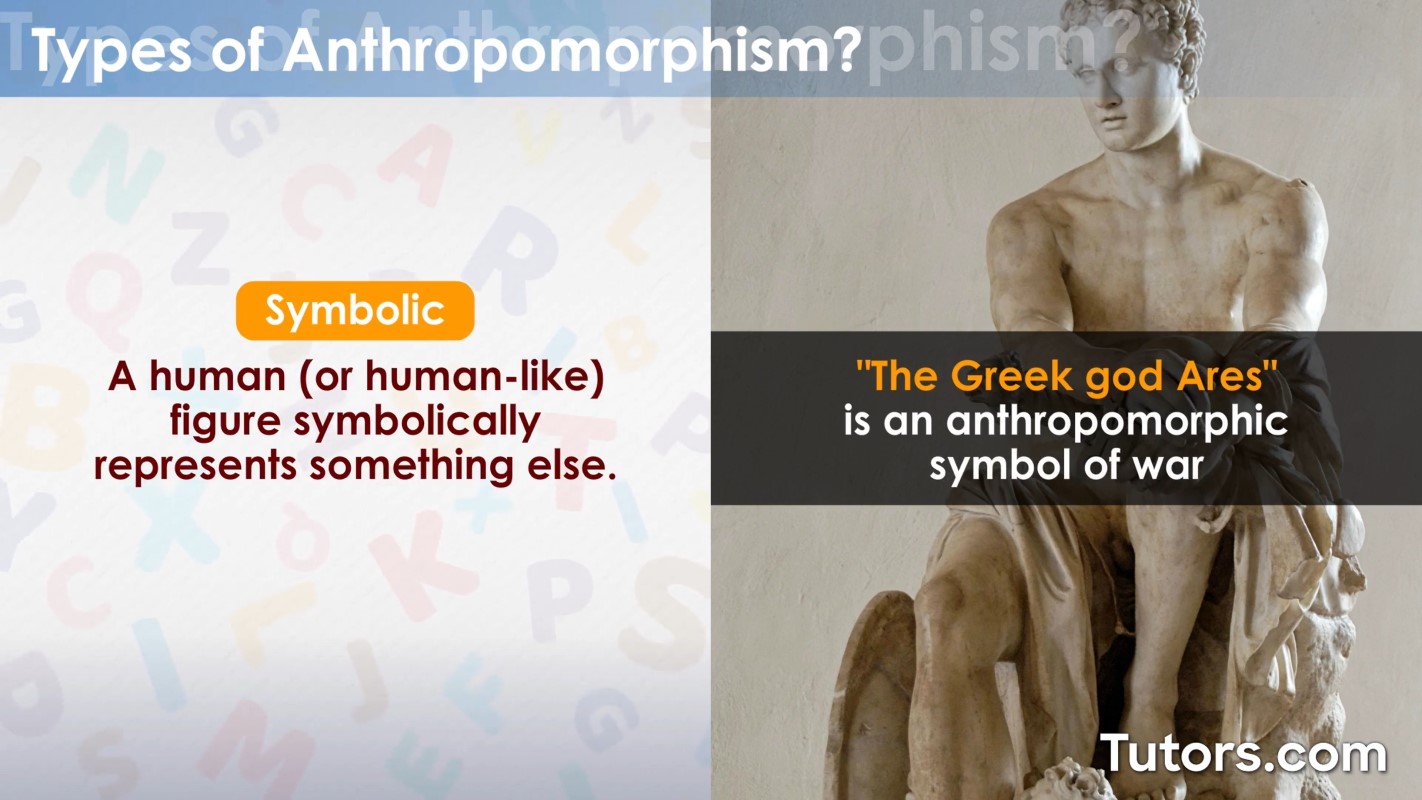
Anthropomorphism is woven into the historical tapestry of animal behavior studies, threading through folklore, mythology, and early natural philosophy. Long before the rise of modern ethology, humans inhabited a world where animals were imbued with spirits, emotions, and intentions mirrored from our own experience. This anthropocentric storytelling shaped preliminary interpretations of animal responses and movement, embedding a cultural substratum that continues to influence contemporary research paradigms.
Over the centuries, the pendulum swung between unabashed anthropomorphism and strict behaviorism, the latter championing the idea of observable actions untainted by subjective inference. Modern ethologists strive to balance these extremes, harnessing the intuitive appeal of anthropomorphism while anchoring conclusions in empirical evidence. The historical dialectic enriches our understanding of how scientific perspectives evolve and adapt, highlighting the perennial human desire to find kinship in the natural world.
Facilitating Hypothesis Generation: The Pragmatic Utility of Anthropomorphism
Beyond emotional resonance and historical context lies a pragmatic utility—anthropomorphism as a heuristic tool in hypothesis generation. By hypothesizing that animals experience phenomena akin to human emotions, researchers can conceive novel experimental questions exploring cognition, social dynamics, and communication. This speculative leap serves as a catalyst for scientific discovery, igniting inquiries that might otherwise remain dormant in cold objectivity.
Consider the metaphor of anthropomorphism as a lantern illuminating uncharted corridors within the labyrinth of animal cognition. While the light may sometimes cast deceptive shadows, it nonetheless beckons investigation and fosters the formulation of testable propositions. Subsequent empirical scrutiny discerns those analogies that withstand the rigor of experimentation from those that falter, refining our comprehension of animal minds.
The Interdisciplinary Nexus: Bridging Ethology, Psychology, and Philosophy
The role of anthropomorphism extends beyond biology, interfacing with psychology, philosophy, and even the arts, thereby forming a rich interdisciplinary nexus. In psychology, it informs theories of mind and social cognition, particularly in understanding theory of mind—the capacity to attribute mental states to others. Philosophically, it challenges notions of consciousness and the ontological boundaries between humans and other animals. Meanwhile, artistic representations imbued with anthropomorphic imagery shape popular perceptions and cultural attitudes toward wildlife.
This confluence enriches behavioral studies by providing diverse conceptual frameworks and interpretive tools. It underscores the unique appeal of anthropomorphism as a nexus where empirical inquiry intersects with existential reflection and creative expression. Through this lens, animals emerge not merely as objects of study but as interlocutors in a broader dialogue about what it means to be sentient beings sharing a common biosphere.
Ethical Implications: Anthropomorphism and Animal Welfare
Anthropomorphism inevitably influences ethical considerations in animal behavior research and welfare. The attribution of human-like qualities to animals can lead to heightened sensitivity regarding their treatment, engendering stronger advocacy for humane practices, enriched environments, and rights recognition. This ethical dimension embodies the capacity of anthropomorphism to act as a moral compass, guiding society toward compassion.
Conversely, over-anthropomorphizing can lead to misguided policies that fail to respect species-specific needs, reflecting more about human values than animal realities. Striking a balance between empathy-driven care and scientifically informed welfare strategies remains a pressing challenge. The metaphor of anthropomorphism as both guide and guise reemerges, reminding us of its dual power to enlighten and obfuscate ethical discourse.
Conclusion: Embracing Complexity in the Study of Animal Behavior
The role of anthropomorphism in animal behavior studies is a tapestry interlaced with paradox and profundity. It is an evocative narrative thread that invites us to bridge the unknown through shared emotional landscapes while demanding the discipline to disentangle human projections from authentic animal experiences. Like deciphering a cryptic poem penned in the language of instinct and adaptation, the task requires balancing imaginative empathy with empirical scrutiny.
Each attribution of human traits, when applied judiciously, enriches scientific inquiry by generating hypotheses, fostering ethical reflection, and humanizing the silent lives around us. Yet, the delicate dance between insight and illusion demands continual awareness. In embracing this complexity, behavioral science not only advances our understanding of animals but also holds a mirror to human nature itself—revealing our insatiable drive to connect, comprehend, and coexist with the vibrant tapestry of life.