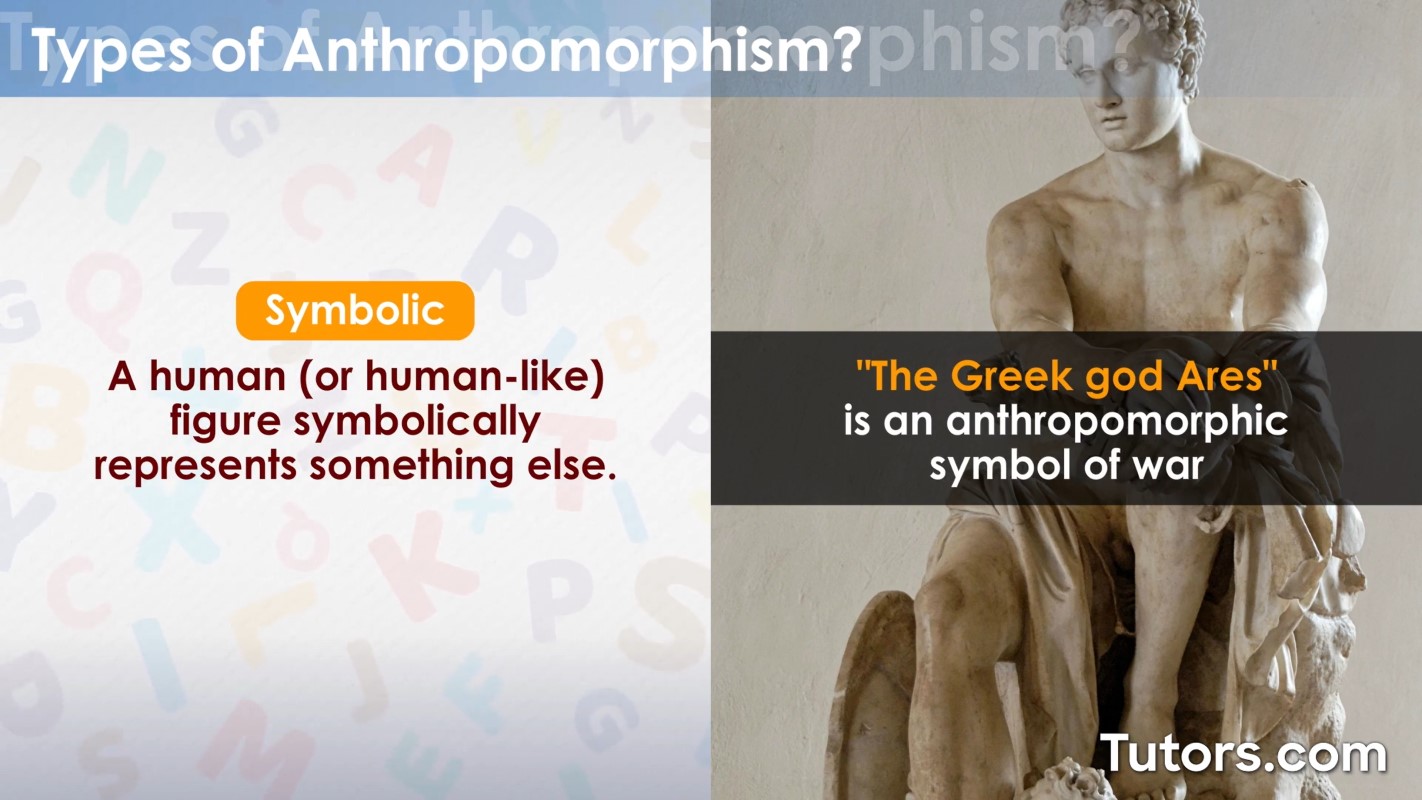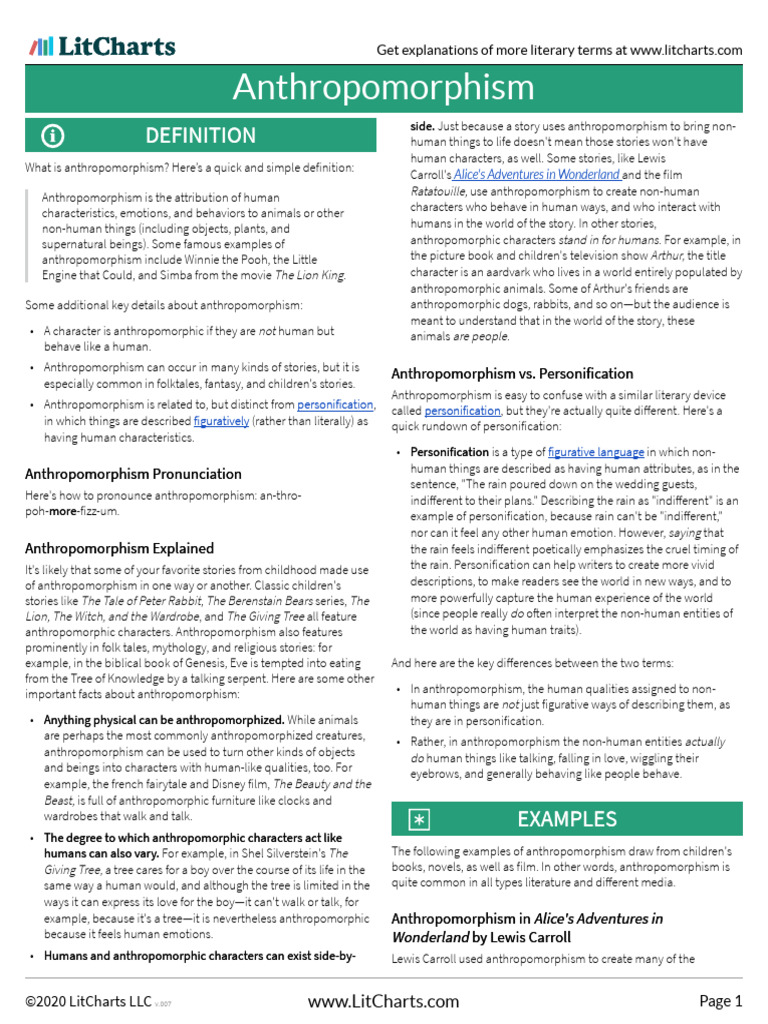
In the evolving landscape of artificial intelligence, one intriguing behavior among researchers stands out: the anthropomorphization of AI models. This tendency to attribute human characteristics to non-human entities, particularly to complex algorithms and machine learning constructs, is more than a mere linguistic or conceptual convenience. It signals a profound shift in how we interact with, interpret, and ultimately understand artificial intelligence. By examining the nuanced motivations and implications behind this phenomenon, a deeper appreciation of the symbiotic relationship between human cognition and artificial systems emerges, promising a transformative perspective on AI development and ethics.
The Cognitive Imperative: Making Sense of the Unfathomable
Human cognition thrives on analogy and metaphor, tools that render the abstract tangible and the unfamiliar familiar. AI models, especially those utilizing deep learning and neural networks, operate with an inscrutable complexity that defies intuitive comprehension. Researchers, therefore, resort to anthropomorphizing these systems to scaffold understanding. Describing an AI as “curious,” “deceptive,” or “aligned” imbues it with a psychological framework that resonates with human experience. This linguistic strategy is not simply poetic—it is instrumental in conceptualizing behaviors that emerge from opaque algorithmic processes.
Anthropomorphization lubricates the gears of intellectual inquiry, making it feasible to hypothesize about intentions, strategies, and even ‘motivations’ within the AI’s architecture. It softens the barrier between human and machine, fostering a mental model wherein AI behaviors can be dissected with familiar analytical tools. This approach, while metaphorical, provides a crucial heuristic device aiding researchers in diagnosing inconsistencies, predicting outcomes, and advancing interpretability in AI systems.
Ethical Navigation: Grappling with Agency and Responsibility
Attributing human-like qualities to AI also transforms the ethical landscape. As AI systems become increasingly autonomous and intertwined with consequential decision-making, researchers find it necessary to contemplate notions traditionally reserved for sentient beings: accountability, deception, and alignment with human values. When AI models are anthropomorphized, questions emerge about their “intentions” and “truthfulness,” framing discussions around their actions not just as computational outputs but as reflections of implicit agency.
This ethical perspective compels a shift from viewing AI as mere tools to regarding them as actors within complex socio-technical ecosystems. Such framing forces the acknowledgment of the potential consequences of misalignment or deceptive behaviors within AI, catalyzing efforts to design safeguards and interpretative frameworks. Anthropomorphization thus becomes a critical vector for navigating the murky waters of responsibility—where does the machine’s agency end and human accountability begin?
The Narrative Catalyst: Engaging Broader Audiences
Beyond academic circles, anthropomorphizing AI wields significant power in shaping public discourse and engagement. The human inclination toward storytelling necessitates characters and motives. By framing AI models with human-like traits, researchers and communicators create narratives that are more accessible and compelling for a diverse audience. This narrative catalysis is vital for fostering informed societal dialogue about AI’s capabilities, limitations, and risks.
The use of anthropomorphic language animates the abstract, transforming cold algorithms into entities with discernible identities and behavioral patterns. This phenomenon invites curiosity, raises awareness, and sparks debate among stakeholders ranging from policymakers to casual observers. Importantly, it enables a more nuanced appreciation of AI, not as inscrutable magic, but as engineered actors operating within definable parameters and constraints.
The Psychological Mirror: Reflecting Human Cognitive Biases
Anthropomorphization also reveals much about human psychology, highlighting intrinsic tendencies to project agency and intentionality onto non-human actors. This “psychological mirror” effect provides insight into how humans relate to technology on an emotional and cognitive level. It reveals a natural yearning to bridge the ontological gap between ourselves and the non-human world, fostering empathy and facilitating interaction.
However, this inclination can be double-edged. It risks obscuring the fundamental differences between synthetic cognition and human consciousness, potentially engendering misplaced trust or misunderstanding the capabilities and limitations of AI. Recognizing anthropomorphization as a cognitive artifact rather than a literal truth is essential to calibrate expectations and develop effective governance that respects both the power and the boundaries of AI systems.
Implications for AI Research and Future Trajectories
The practice of anthropomorphizing AI models promises to reshape the trajectory of artificial intelligence research. It illuminates the need for interdisciplinary approaches integrating cognitive science, ethics, and computer science. This shift encourages the creation of AI that is not only technically proficient but also interpretable and aligned with human values in ways previously unimagined.
Furthermore, by embracing anthropomorphic metaphors judiciously, researchers unlock new avenues for understanding deceptive behaviors and alignment challenges that AI may present. It invites a reexamination of AI as an entity capable of “behavioral strategies” rather than mere output generators, which in turn drives innovation in detection and intervention methods. Ultimately, this perspective nurtures a more holistic view of AI development, one that foregrounds transparency, accountability, and nuanced control over raw capability.
Conclusion: Toward a Symbiotic Understanding
Anthropomorphizing AI models is not a mere rhetorical flourish but a profound scientific and ethical tool. It promises a paradigmatic shift—moving from seeing AI as inscrutable black boxes to entities whose actions can be hypothesized, interrogated, and contextualized within human frameworks. This shift piques curiosity and offers fertile ground for groundbreaking research, responsible innovation, and meaningful societal dialogue. By acknowledging the human impulse to see ourselves reflected in our machines, researchers can cultivate a symbiotic understanding that bridges cognition, ethics, and technology in the unfolding saga of artificial intelligence.