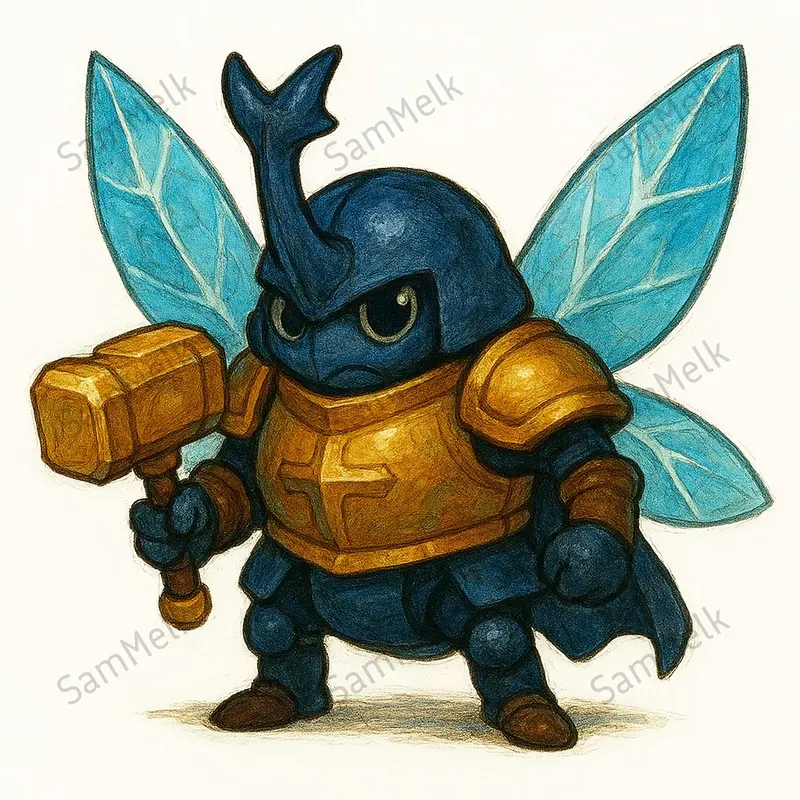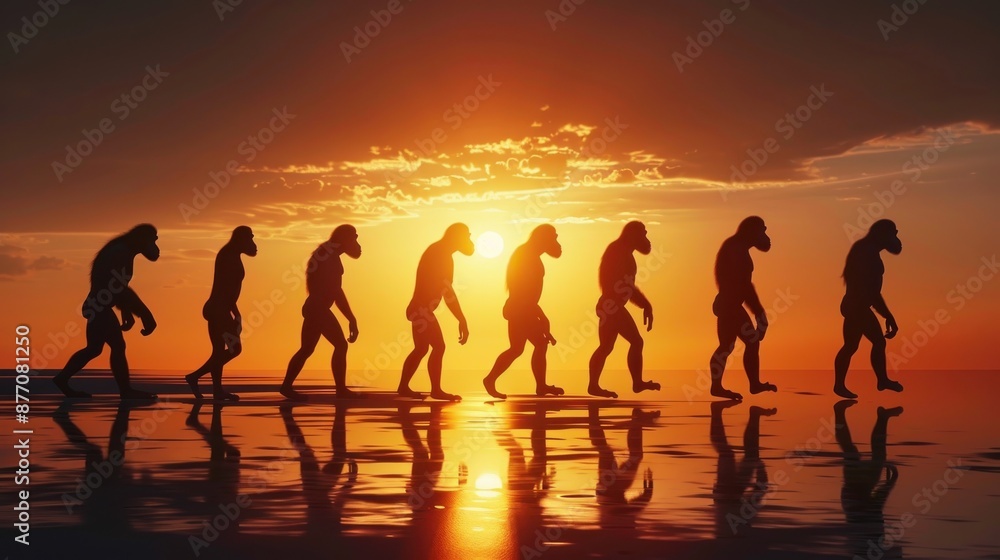
Have you ever caught yourself scolding a stubborn laptop, apologizing to a wilting houseplant, or attributing cunning motives to a sly fox in a fable? If so, you’ve participated in one of humanity’s most pervasive cognitive phenomena: anthropomorphism. This instinct to imbue the non-human with human-like qualities isn’t just whimsy—it’s a profound window into how our minds navigate a complex world. From ancient myths to modern AI, the impulse to see ourselves reflected in the inanimate reveals a deeper truth about perception, survival, and even our evolving relationship with technology.
The Cognitive Bedrock: Why Our Brains Seek Faces in the Dark
At its core, anthropomorphism is a survival mechanism disguised as imagination. Evolutionary psychologists argue that our ancestors who could quickly detect agency—whether a predator lurking behind rustling leaves or a rival tribe plotting mischief—were far more likely to thrive. This hyper-vigilance for human-like patterns in the environment is known as the agency-detection device, a mental shortcut that errs on the side of caution. A shadow becomes a lurker; a rustle becomes a threat. Even when the stakes are lower, our brains default to interpreting ambiguous stimuli through a human lens, a phenomenon called pareidolia. This explains why we see faces in clouds or attribute intentions to a flickering streetlamp. It’s not delusion—it’s an ancient algorithm prioritizing pattern recognition over precision.
But anthropomorphism isn’t just about fear. It’s also a tool for social navigation. Humans are tribal by nature, and our ability to empathize—to project emotions and motives onto others—extends beyond our species. When we describe a loyal dog as “guilty” after knocking over a trash can, we’re not just being cute; we’re applying a social script to a non-social actor. This empathic projection allows us to practice social interactions in low-stakes scenarios, honing our emotional intelligence without the risks of real-world missteps. In essence, anthropomorphism is a rehearsal space for the human condition.
The Cultural Tapestry: How Stories Shape Our Perception of the Non-Human
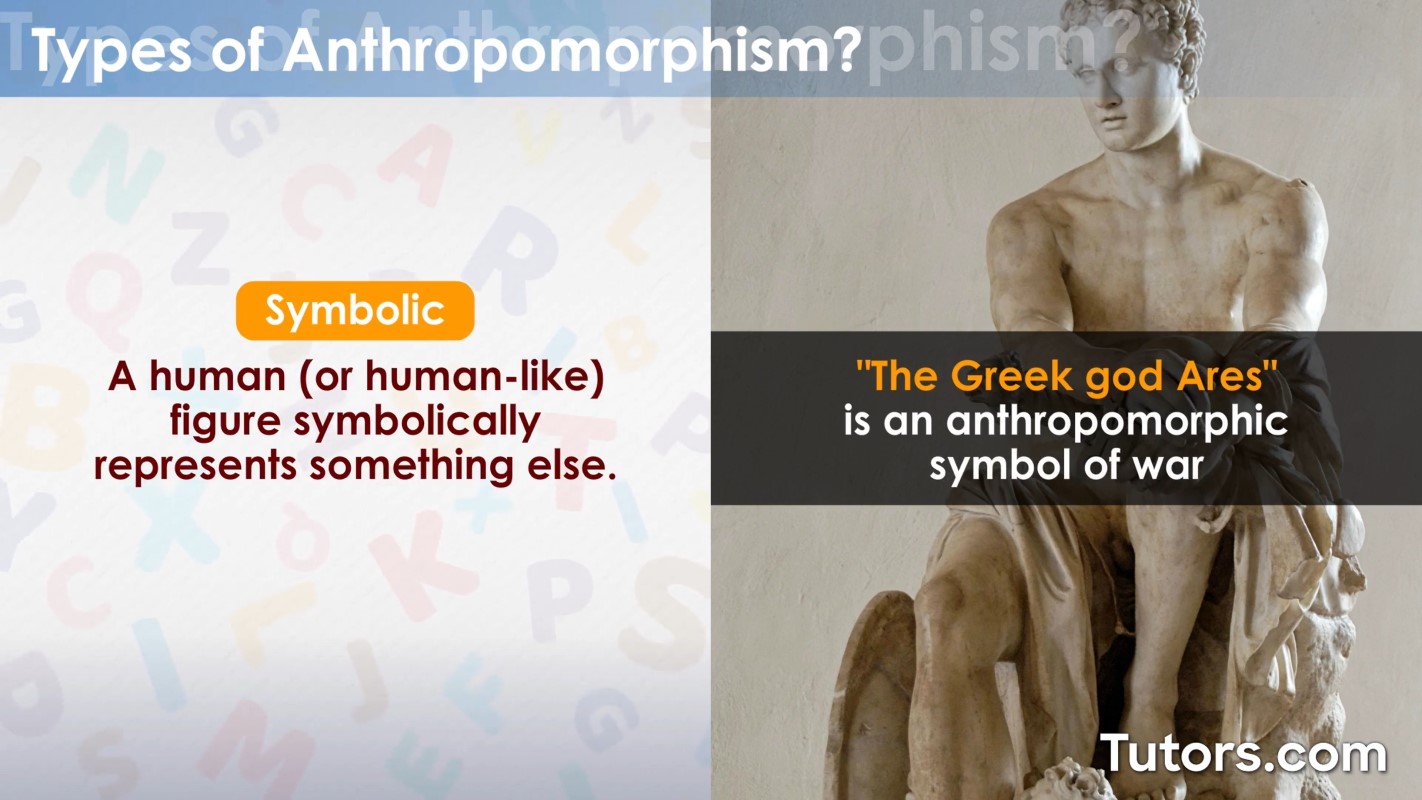
Anthropomorphism isn’t just a quirk of individual minds—it’s a cornerstone of culture. Mythologies across civilizations teem with deities who are half-human, half-beast, from the Egyptian jackal-headed Anubis to the Norse trickster Loki, who shifts forms at will. These narratives do more than entertain; they encode complex ideas about morality, power, and the boundaries of the self. By personifying natural forces—storms as vengeful gods or rivers as nurturing mothers—ancient cultures made the incomprehensible tangible. This wasn’t mere allegory; it was a way to negotiate with the unknown, to bargain with the capricious whims of nature.
In literature, anthropomorphism becomes a scalpel for social critique. George Orwell’s Animal Farm isn’t just a tale about barnyard politics—it’s a dissection of totalitarianism, with each animal embodying a human vice or virtue. Similarly, modern animated films like Zootopia or The Lion King use animal protagonists to explore themes of identity, prejudice, and leadership, all while cloaking heavy themes in the guise of entertainment. Even in corporate branding, we see this principle at work: mascots like the Jolly Green Giant or Tony the Tiger aren’t just symbols—they’re emotional anchors, turning abstract products into relatable characters. Culture, it seems, is the grand theater where anthropomorphism performs its most elaborate acts.
The Technological Frontier: When Machines Wear Human Faces
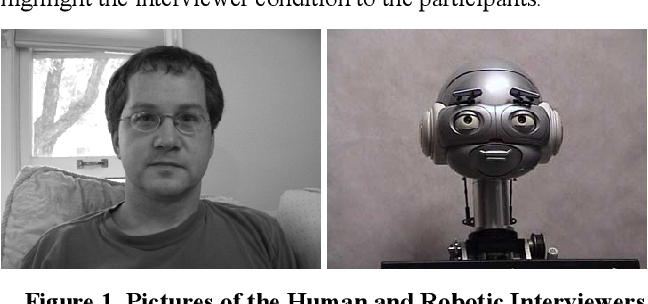
In the 21st century, anthropomorphism has taken on a new role: the bridge between humans and machines. As artificial intelligence grows more sophisticated, we increasingly interact with systems that mimic human behavior—chatbots that apologize for delays, virtual assistants that “remember” our preferences, even robots designed with eerily human facial features. This isn’t mere novelty; it’s a strategic choice. Studies in human-computer interaction show that people are more likely to trust and engage with technology that exhibits social cues, even if those cues are superficial. A chatbot with a “friendly” tone feels less intimidating than a cold, algorithmic interface.
But this trend raises critical questions. When we anthropomorphize AI, are we enhancing our experience—or are we deluding ourselves? The danger lies in the uncanny valley, that unsettling space where a robot’s human-like features are just convincing enough to feel wrong. A face that’s 99% human but 1% off triggers a primal discomfort, a glitch in our agency-detection system. Yet, despite these pitfalls, the allure of human-like machines persists. Companies invest heavily in making AI “relatable” because it works—users anthropomorphize their devices, forming emotional attachments that drive loyalty and usage. In this digital age, anthropomorphism isn’t just a quirk; it’s a design philosophy.
The Ethical Crossroads: Where Empathy Meets Exploitation
Anthropomorphism’s power is double-edged. On one hand, it fosters empathy, encouraging us to care for ecosystems, animals, and even future generations. The environmental movement owes much of its emotional resonance to personified campaigns—“Mother Earth” in peril, “the plight of the polar bear.” These narratives make abstract threats visceral, compelling action where cold data might fail. Similarly, animal welfare advocates leverage anthropomorphism to humanize creatures, from the “brave” sea turtle to the “grieving” elephant, shifting public sentiment toward conservation.
Yet, this same empathy can be weaponized. Advertisers exploit anthropomorphism to sell products, turning a bar of soap into a “happy helper” or a car into a “trusted companion.” In politics, leaders are often framed as “father figures” or “saviors,” leveraging our innate tendency to project authority onto charismatic individuals. Even in science, anthropomorphism can lead to misinterpretation—attributing human-like suffering to lab animals or overestimating the emotional lives of pets. The line between empathy and manipulation is thin, and anthropomorphism is the scalpel that cuts both ways.
The Future Horizon: A World Where Everything Talks Back
As we stand on the precipice of an era where AI, robots, and even smart environments become ubiquitous, anthropomorphism is poised to redefine our relationship with the non-human. Imagine a home where the walls “whisper” reminders, a car that “apologizes” for a sharp turn, or a city that “breathes” through its green spaces. These aren’t sci-fi fantasies—they’re the logical endpoints of a culture that has spent millennia projecting humanity onto the world around it. The question isn’t whether we’ll continue to anthropomorphize, but how we’ll navigate the consequences.
One possibility is a post-anthropomorphic future, where we embrace a more nuanced understanding of agency. Instead of seeing a hurricane as “angry,” we might recognize it as a complex system of physics and climate patterns. Instead of anthropomorphizing a chatbot, we could appreciate it as a tool that simulates humanity without possessing it. Yet, this shift requires a fundamental recalibration of our cognitive instincts—a tall order for a species hardwired to see faces in the dark.
Perhaps the answer lies not in rejecting anthropomorphism, but in wielding it with intention. By acknowledging our tendency to project, we can harness its power while mitigating its pitfalls. We can use it to foster connection—with each other, with nature, and with the tools we create—without losing sight of the boundaries between the human and the non-human. After all, the goal isn’t to stop seeing ourselves in the world around us, but to see the world more clearly through the lens of our shared humanity.