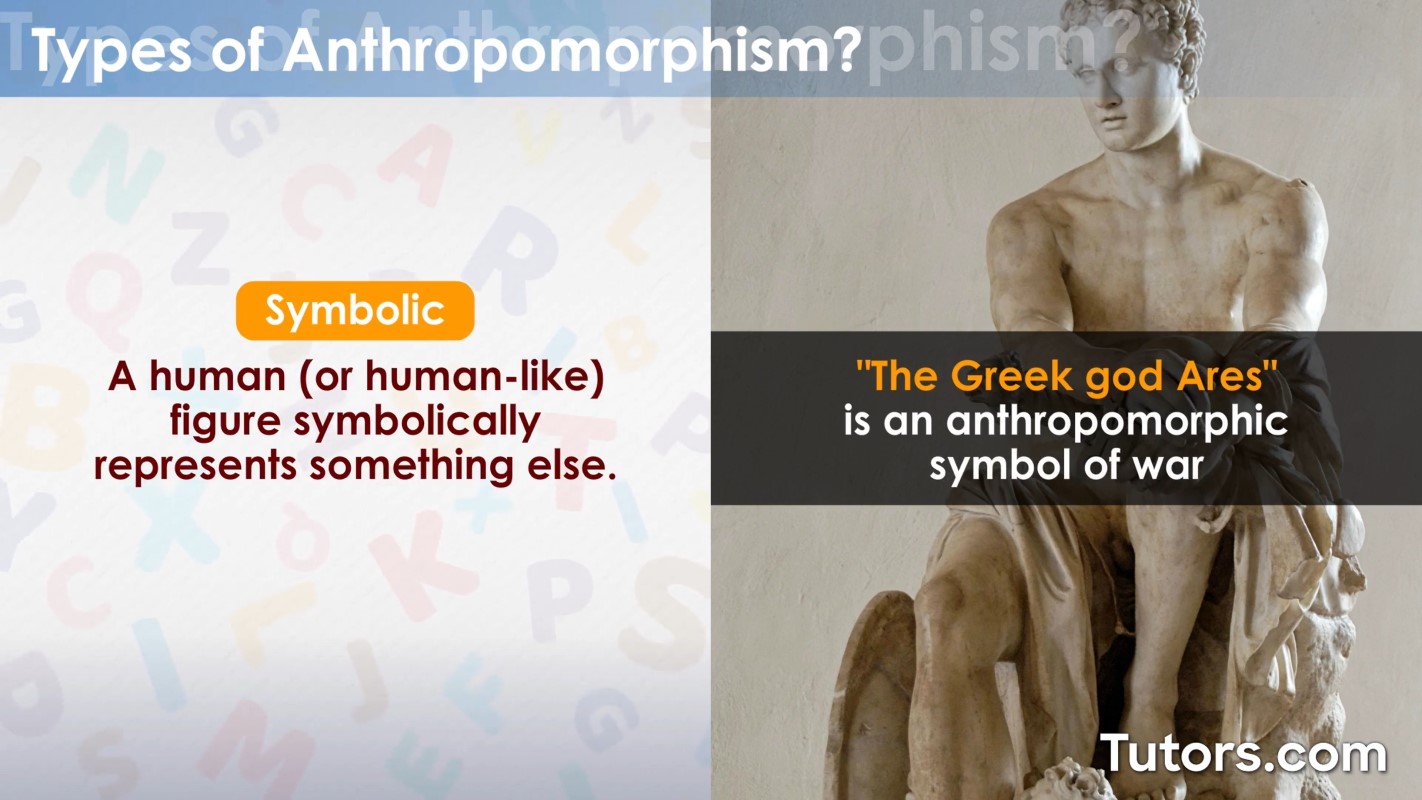
The weather is more than a backdrop to our daily lives—it is a silent storyteller, a capricious narrator that shapes our moods, decisions, and even our myths. Yet, in the grand theater of human cognition, we often go a step further: we imbue the weather with intention, emotion, and personality. This phenomenon, known as anthropomorphism, transforms the atmospheric into the anthropic, turning storms into villains, sunshine into benevolent guardians, and droughts into vengeful spirits. But why do we anthropomorphize the weather? What psychological, cultural, and evolutionary threads weave together to make us see faces in the clouds and hear whispers in the wind?
The Psychological Titchener: How Our Brains Fill the Gaps
At the heart of anthropomorphism lies a fundamental quirk of human cognition: our brain’s relentless pursuit of pattern recognition. Evolutionarily, our ancestors who could quickly identify threats—whether a lurking predator or an impending storm—were more likely to survive. This survival mechanism, known as hyperactive agency detection, compels us to assign agency to ambiguous stimuli. When dark clouds gather on the horizon, our minds leap to the conclusion that the weather is “angry” or “punishing” us, rather than accepting the randomness of atmospheric physics.
Psychologist Edward Titchener, a pioneer in the study of perception, posited that anthropomorphism arises from the brain’s tendency to project human-like qualities onto non-human entities to make sense of the unfamiliar. The weather, with its unpredictable rhythms and dramatic displays, is a perfect canvas for this projection. A sudden downpour isn’t just a shift in barometric pressure; it’s a dramatic monologue from the sky, a moment where nature seems to “speak” directly to us. This cognitive shortcut—turning the abstract into the familiar—reduces uncertainty, even if it’s illusory.
Cultural Metaphors: The Weather as Moral Arbiter
Across civilizations, the weather has been a moral compass, a divine messenger, or a cosmic judge. In ancient Greek mythology, Zeus wielded thunderbolts as instruments of justice, while Norse sagas depicted Thor’s hammer summoning storms to chastise the unworthy. These narratives weren’t mere fables; they were frameworks for understanding the world. When crops failed or floods ravaged villages, attributing the disaster to an anthropomorphized force—whether a god or a vengeful sky—provided a narrative of cause and effect in an otherwise chaotic universe.
Even in modern secular societies, the weather retains its moral weight. We say a “cruel winter” has arrived or that a “gentle rain” blesses the land, ascribing intention to phenomena that operate without malice or benevolence. This linguistic anthropomorphism isn’t just poetic license; it reflects a deeper cultural habit of framing nature as a participant in human affairs. The weather becomes a character in the story of our lives, a silent but ever-present actor in the drama of existence.

The Evolutionary Imperative: Why Personifying Nature Saved Our Ancestors
Anthropomorphism isn’t just a quirk of modern minds—it’s an evolutionary survival tool. Early humans who perceived threats in the environment, even where none existed, were more likely to take precautions. A rustling bush might have been the wind, but treating it as a predator could mean the difference between life and death. This better-safe-than-sorry bias extends to the weather. A farmer who interprets a sudden chill as a warning to harvest early might survive a frost that claims the crops of a more skeptical neighbor.
Moreover, anthropomorphism fosters a sense of control. If the weather can be “angry” or “pleased,” then perhaps it can be appeased. Rituals, sacrifices, and prayers aimed at influencing the weather—from rain dances to the Christian tradition of St. Swithin’s Day—are rooted in this belief. Even today, we joke about “tempting fate” by leaving an umbrella at home on a cloudy morning, as if the sky is watching and waiting to punish our hubris. This illusion of reciprocity with nature is a psychological balm, easing the existential dread of a universe indifferent to our suffering.
Emotional Resonance: The Weather as a Mirror of the Human Soul
The weather doesn’t just shape our environments; it shapes our emotions. A sunny day can lift our spirits, while a gloomy afternoon might plunge us into melancholy. This emotional attunement to atmospheric conditions makes anthropomorphism inevitable. When we feel “stormy” inside, it’s only natural to project that turmoil onto the external world. The weather becomes a metaphor for our inner lives—a tempestuous mood, a fog of confusion, a clear horizon of hope.
Artists and writers have long exploited this connection. Emily Brontë’s moors in Wuthering Heights aren’t just settings; they’re characters, mirroring the tumultuous emotions of the protagonists. Similarly, in Japanese mono no aware (the pathos of things), the fleeting beauty of cherry blossoms is intertwined with the inevitability of their fall—a metaphor for the ephemeral nature of life. The weather, in all its forms, serves as a visceral reminder of our own fragility and resilience.
Scientific Skepticism vs. Poetic License: The Duality of Perception
While anthropomorphism offers psychological comfort, it also stands in stark contrast to the cold, empirical lens of science. Meteorology, climatology, and atmospheric physics describe the weather in terms of pressure systems, thermodynamics, and jet streams—not intentions or emotions. Yet, even scientists aren’t immune to the allure of personification. Weather reports often describe hurricanes as “monstrous” or “relentless,” framing natural disasters as adversaries to be battled. This duality—between objective reality and subjective interpretation—highlights the tension between human intuition and scientific understanding.
This tension is perhaps most evident in the field of weather modification. Projects aimed at “seeding” clouds to induce rain or dissipate fog are often framed as attempts to “outsmart” or “trick” nature. The language itself betrays an anthropomorphic mindset, as if the weather is a cunning opponent rather than a complex system governed by physical laws. Yet, the pursuit of controlling the weather underscores humanity’s enduring desire to anthropomorphize it—to see the atmosphere not as an indifferent force, but as a challenge to be met with ingenuity and will.
The Future of Anthropomorphism: Climate Change and the Weather’s New Persona
As climate change reshapes global weather patterns, the anthropomorphic relationship between humans and the weather is evolving. Extreme events—once rare aberrations—are now frequent headlines: “the storm of the century,” “the heatwave from hell,” “the flood that wouldn’t end.” These labels aren’t just sensationalism; they reflect a growing recognition of the weather as an active participant in human history, albeit one driven by human actions rather than divine whims.
In this context, anthropomorphism takes on a new urgency. When we say the planet is “feverish” or that the ocean is “choking” on plastic, we’re not just using metaphors—we’re acknowledging the weather and climate as extensions of our own agency. The once-passive sky is now an actor in a global drama, and our anthropomorphic tendencies may be the very tool we need to confront the consequences of our actions. If we see the weather as a sentient force, perhaps we’ll treat it with the care it demands.
The next time you glance at the sky and wonder if it’s “angry” or “smiling,” remember: the answer lies not in the clouds, but in the human mind’s eternal quest to find meaning in the chaos. The weather may be indifferent, but our need to anthropomorphize it is anything but.