Political symbols have always captivated the collective consciousness, embedding themselves in the psyche of societies across the globe. When these symbols adopt anthropomorphic qualities—imbued with human-like traits and emotions—they transcend mere visual icons to become potent psychological instruments. This transformation invites a profound shift in how individuals and communities internalize political ideologies, offering a nuanced lens through which to examine power, identity, and allegiance. Delving into the psychology of anthropomorphic political symbols reveals a fascinating interplay between human cognition, emotional resonance, and sociopolitical dynamics that shapes perception in unexpected ways.
The Primordial Appeal of Anthropomorphism in Symbolism
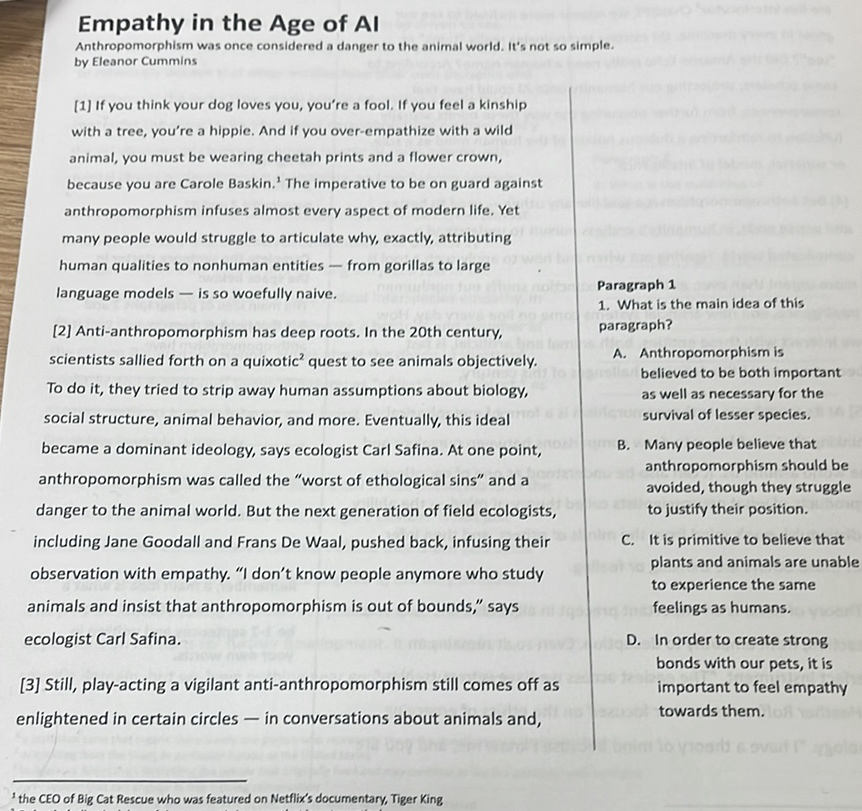
Anthropomorphism is a quintessentially human mechanism—a cognitive shortcut wherein objects, animals, or symbols are endowed with human attributes. This innate tendency springs from evolutionary imperatives: humans are predisposed to recognize faces and interpret intention, an ability critical for social navigation and survival. When political symbols adopt anthropomorphic characteristics, they tap into this deeply rooted neural circuitry, making abstract concepts like authority, justice, or revolution palpably relatable. The effect is more than aesthetic; it forges immediate emotional connections, allowing symbols to function as mnemonic devices and psychological anchors in complex political landscapes.
Embodying Ideologies: Human Traits as Conduits of Political Narrative
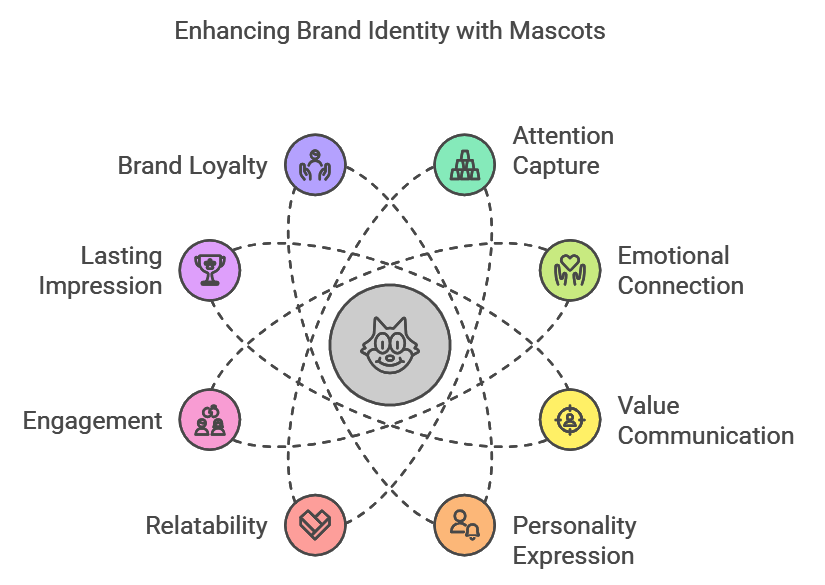
Political movements often anthropomorphize their emblems to evoke specific human qualities—strength, wisdom, resilience, or compassion—that embody their ideological ethos. For instance, a political party’s emblem might be stylized as a human figure or face, a technique that subliminally suggests leadership or moral virtue. These personified symbols serve as narrative vessels, capable of embodying the intangible spirit of a movement. Such embodiment transforms ideological abstraction into tangible archetypes, crystallizing complex political philosophies into instantly recognizable and emotionally charged images that mobilize supporters and convey legitimacy.
Psychological Projection and Symbolic Identification
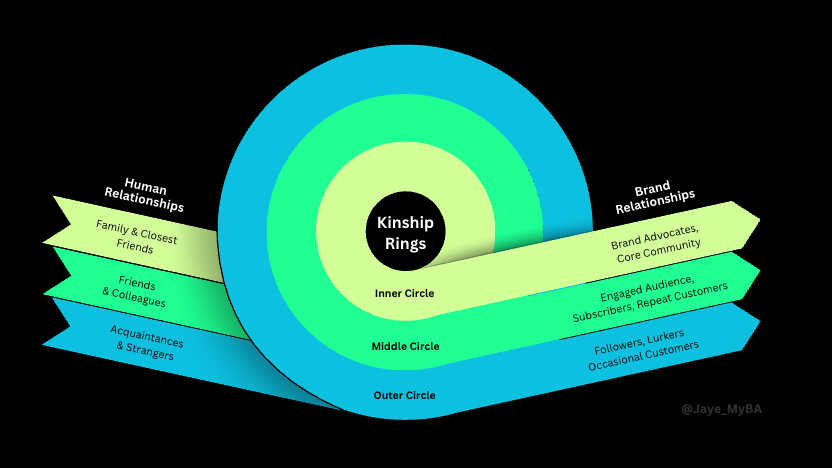
Anthropomorphic political symbols act as mirrors, reflecting the hopes, fears, and aspirations of individuals and communities. This phenomenon hinges on the psychological process of projection, whereby observing human-like symbols allows people to externalize internal conflicts or ideals onto an external figure. Consequently, individuals find it easier to establish symbolic identification, aligning their identity with the qualities implied by the anthropomorphized icon. This identification is psychologically potent, fostering a sense of belonging and emotional investment that can galvanize collective action and political loyalty.
Emotional Contagion and the Power of Symbolic Empathy
Another critical dimension is the elicitation of symbolic empathy. Anthropomorphic political symbols often exhibit expressions or postures that convey emotions such as hope, defiance, or solemnity. These representations can trigger emotional contagion, a subconscious process where observers vicariously experience the emotions displayed by the symbol. The result is heightened emotional arousal and a reinforced psychological bond with the political cause represented. Symbolic empathy thereby functions as an affective conduit, transforming political engagement from a purely intellectual exercise into a visceral experience that deeply resonates within the psyche.
Manipulation and the Ambiguity of Anthropomorphic Symbols
While anthropomorphic symbols wield immense psychological influence, they also engender a degree of ambiguity that can be exploited for political manipulation. The human-like traits imbued within these emblems often allow for varied interpretations; different groups may project divergent meanings onto the same symbol, leading to contested narratives. Political actors are cognizant of this malleability and frequently harness the ambiguity to broaden appeal or obscure divisive agendas. This strategic ambiguity creates a dynamic semiotic battleground where symbols become fluid entities, oscillating between unifying icons and instruments of ideological fragmentation.
The Role of Cultural Context and Historical Memory
The psychological potency of anthropomorphic political symbols is inextricably linked to cultural context and collective historical memory. The interpretation and emotional impact of a symbol are mediated by shared cultural narratives, myths, and historical experiences. For example, a humanized emblem associated with liberation in one cultural milieu may evoke feelings of subjugation or oppression in another, shaped by the symbolism’s historical usage. This context-sensitive reception highlights the importance of sociocultural frameworks in decoding the psychological resonance of anthropomorphic symbols, underscoring that their meaning is neither fixed nor universal but deeply contingent on collective memory and societal values.
Neuroscientific Insights: Cognitive Engagement with Anthropomorphic Symbols
The intersection of neuroscience and political psychology reveals that anthropomorphic symbols activate neural networks associated with social cognition, including regions implicated in theory of mind and empathy. Such engagement facilitates a deeper processing of political messages, as the brain registers these symbols not merely as visuals but as entities capable of intention and emotion. This heightened cognitive activation enhances memory retention and moral reasoning linked to political issues. The anthropomorphized emblem thereby functions as a cognitive catalyst, stimulating complex mental representations that weave together identity formation, affective investment, and political persuasion.
Implications for Future Political Communication
Understanding the psychology behind anthropomorphic political symbols heralds a paradigm shift in how political communication is conceived and executed. As artificial intelligence and digital media evolve, the creation of dynamic, human-like political symbols could heighten emotional engagement and redefine the boundaries between realism and representation. Furthermore, these insights compel political strategists and social theorists to reconsider the ethical dimensions of leveraging anthropomorphic symbolism—balancing its power to inspire and unite against its potential to manipulate and polarize. Ultimately, this psychological framework offers a roadmap for employing symbols not simply as ornamental devices but as profound instruments of collective meaning-making and political transformation.