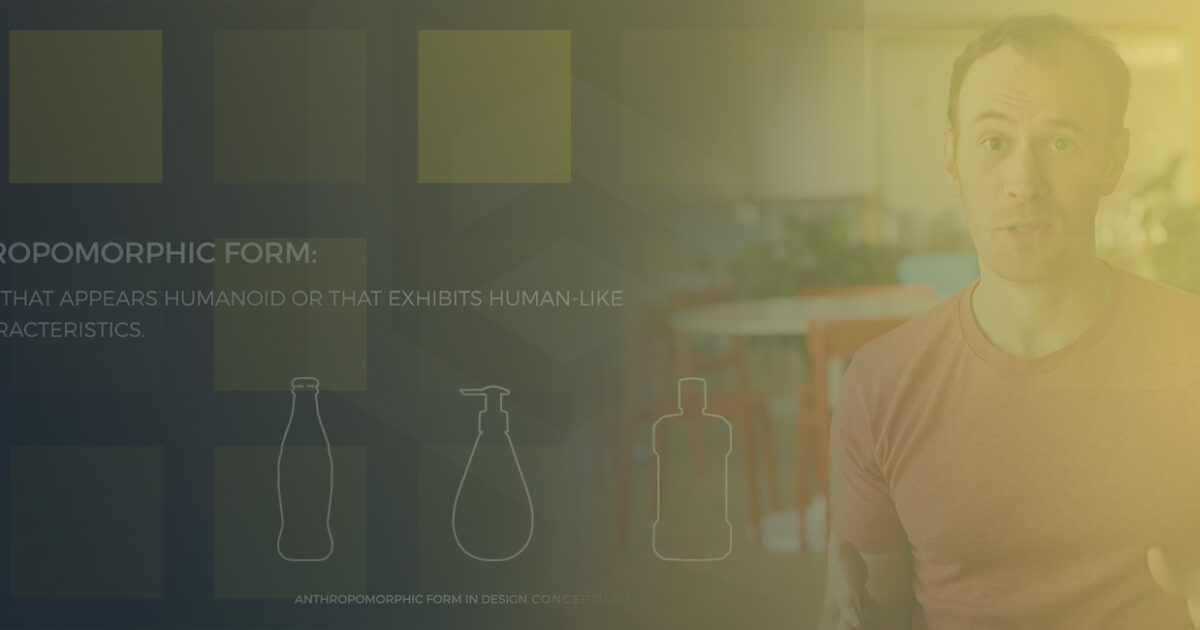
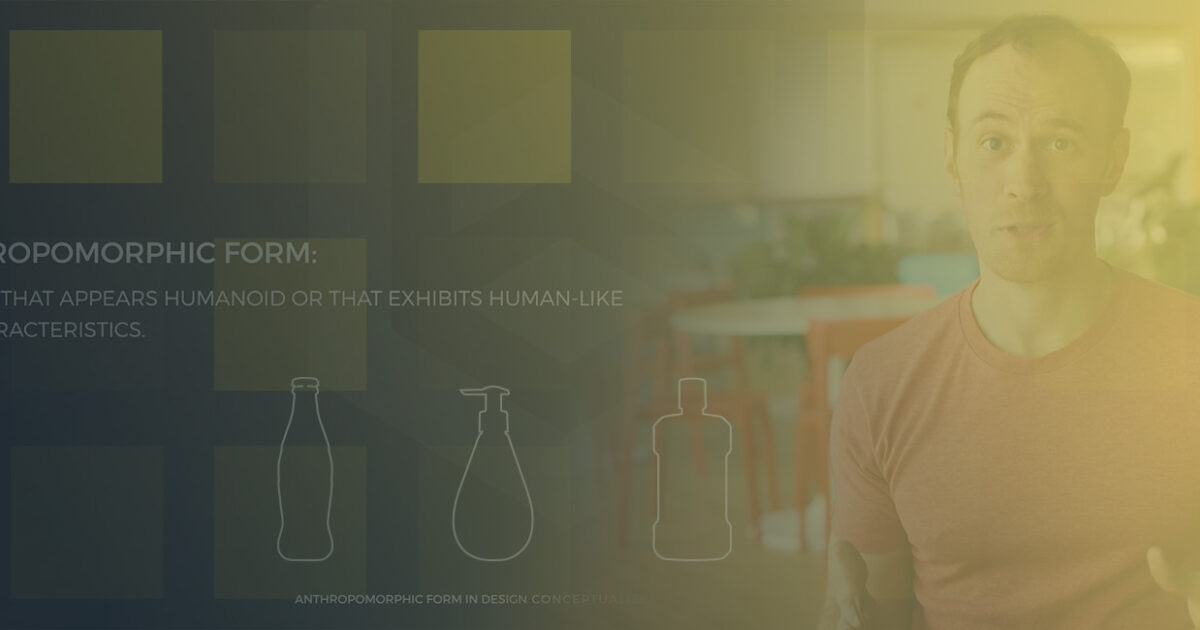
The moment a child first sees a teddy bear, they don’t just see fabric and stuffing—they see a companion. A silent friend with soft paws and a permanent smile, ready to listen to bedtime stories without interruption. This is the silent power of anthropomorphic design: the art of imbuing inanimate objects with human traits, emotions, or behaviors. It’s not just about making things look cute or friendly; it’s about tapping into a primal psychological mechanism that blurs the line between object and being. From the sleek curves of a sports car evoking athletic grace to the expressive face of a smart speaker that seems to “listen” intently, anthropomorphism transforms products from mere tools into relatable entities. It’s a design philosophy that doesn’t just sell products—it builds relationships.
The Human Brain’s Affinity for Faces and Forms
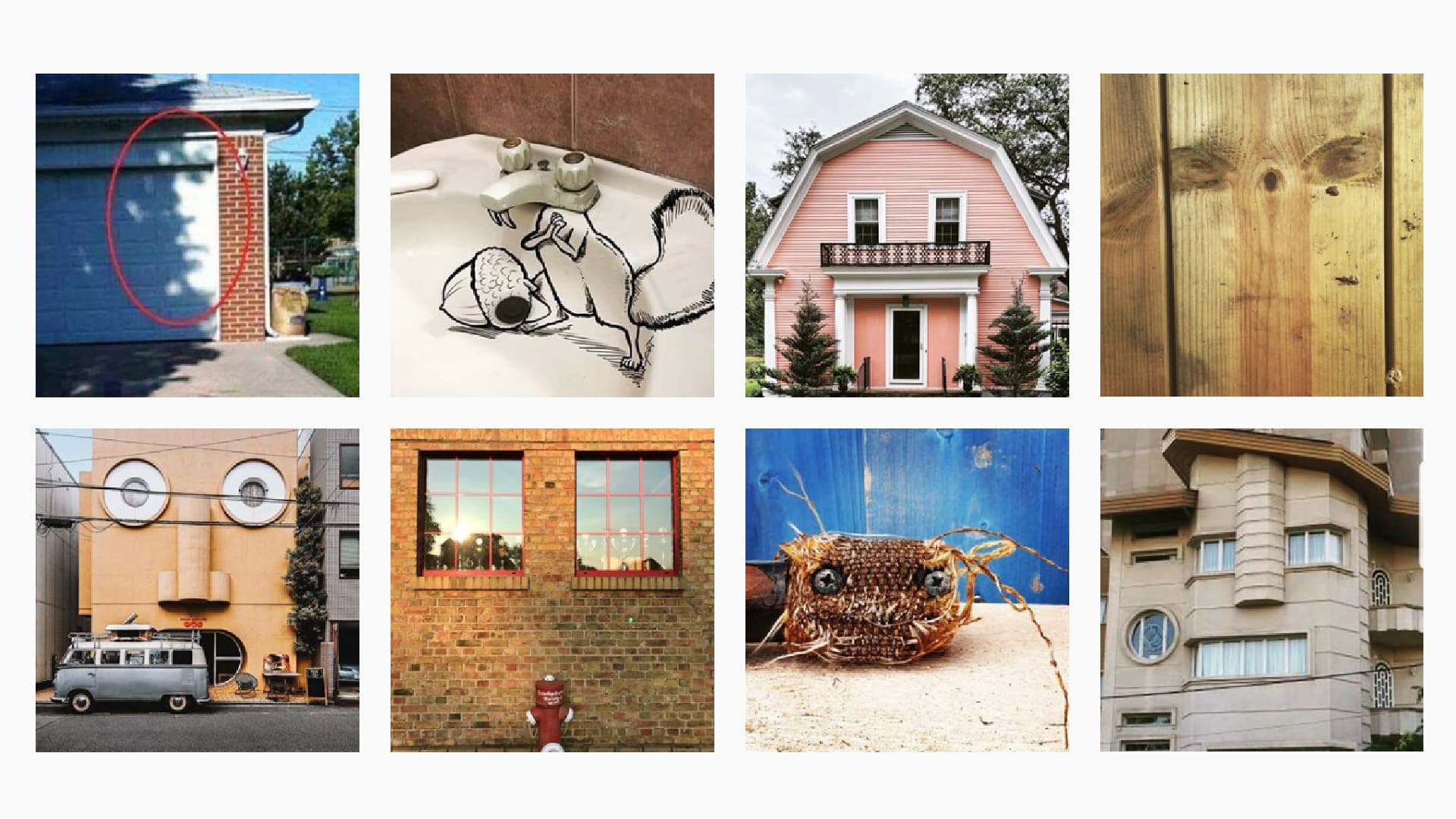
Our brains are wired to detect faces and human-like features almost instantaneously. This phenomenon, known as pareidolia, explains why we see faces in clouds, toast, or even the arrangement of furniture. Anthropomorphic design leverages this hardwired tendency by giving products subtle human cues—eyes, mouths, gestures—that trigger an emotional response. Consider the iconic Volkswagen Beetle: its rounded headlights and curved fenders mimic a cheerful, almost smiling face. Drivers don’t just operate a car; they interact with a character. This isn’t accidental. Evolutionary psychology suggests that our ancestors relied on facial recognition to assess friend or foe, making us predisposed to trust and anthropomorphize objects that resemble human features. When a product’s design echoes a face, it doesn’t just attract attention—it invites connection.
Emotional Resonance: When Products Feel Like People
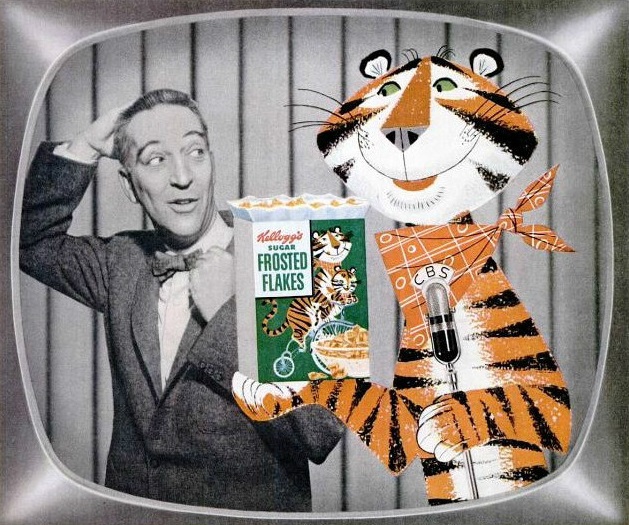
Anthropomorphism doesn’t just stop at visual cues—it extends to behavior. A smart speaker that responds to a user’s name or adjusts its voice tone based on the time of day isn’t just functional; it’s performative. It mimics social interaction, creating a sense of reciprocity. Studies in consumer psychology show that people are more likely to forgive a product’s flaws if it exhibits human-like traits. A slow-loading app might frustrate users, but if the loading screen features a quirky animated character that “apologizes” with a wink, the experience shifts from transactional to relational. This emotional resonance is the secret behind brands like Pixar, where characters like Wall-E or the Luxo Jr. lamp don’t just tell stories—they invite audiences to project their own emotions onto them. In product design, this translates to loyalty. When a user feels that a device “understands” them, they’re less likely to switch to a competitor.
The Metaphorical Power of Anthropomorphism
Anthropomorphic design is, at its core, a masterclass in metaphor. A blender with a “smile” isn’t just a kitchen appliance—it’s a culinary ally, eager to help blend a smoothie. A robotic vacuum with wide, watchful eyes doesn’t just clean floors; it becomes a diligent housemate, patrolling the living room with purpose. These metaphors simplify complex functions into relatable narratives. They turn abstract technology into tangible stories. For instance, the way a car’s headlights “wake up” when the driver approaches isn’t just a sensor activating—it’s the vehicle acknowledging its owner’s presence. This narrative layering makes products memorable. It’s why the Roomba, despite being a machine, feels like a character in a domestic sitcom, complete with its own quirks and habits. Metaphor transforms utility into personality.
The Dark Side: When Anthropomorphism Backfires
Not all anthropomorphic design is benevolent. When overdone, it can feel uncanny or manipulative. The “uncanny valley” phenomenon—where a near-human design triggers revulsion rather than empathy—is a cautionary tale. Consider humanoid robots with exaggerated facial expressions or chatbots that mimic human speech too perfectly, leading to a sense of eeriness. The line between charming and creepy is thin. Moreover, anthropomorphism can be weaponized. Social media algorithms that “reward” users with dopamine hits for engaging with content often employ anthropomorphic cues, making users feel like they’re interacting with a friend rather than a machine. This can lead to compulsive behavior, blurring the boundary between connection and addiction. Designers must tread carefully, ensuring that anthropomorphism enhances rather than exploits human psychology.
Cultural Variations in Anthropomorphic Appeal
The way humans perceive anthropomorphic design isn’t universal—it’s deeply cultural. In Japan, kawaii culture celebrates cute, childlike anthropomorphism, from Hello Kitty to robotic café staff. These designs evoke warmth and innocence, aligning with societal values of harmony and cuteness as a form of comfort. In contrast, Western markets often favor sleek, minimalist anthropomorphism, where human-like traits are subtle and sophisticated, like the Apple Watch’s gentle haptic taps that mimic a heartbeat. These cultural nuances highlight that anthropomorphism isn’t a one-size-fits-all strategy. A product’s success in one market may hinge on how well its anthropomorphic cues align with local emotional and aesthetic sensibilities. Understanding these variations is key to crafting designs that resonate globally.
The Future: AI and the Evolution of Anthropomorphic Design
As artificial intelligence advances, anthropomorphic design is entering a new era. AI-powered avatars, virtual assistants, and even digital humans are becoming indistinguishable from real people—raising profound questions about authenticity and trust. Will users prefer a chatbot that mimics human emotion perfectly, or one that embraces its artificiality with playful transparency? The future of anthropomorphism may lie in hybrid designs: products that acknowledge their non-human nature while still inviting emotional engagement. Imagine a smart home system that says, “I’m here to help, but I’ll never be your friend,” striking a balance between utility and relatability. This self-aware anthropomorphism could redefine how we interact with technology, making it more transparent while still leveraging the emotional pull of human-like traits.
Anthropomorphic design is more than a trend—it’s a reflection of humanity’s deepest desire to connect, even with the inanimate. It turns products into characters, functions into stories, and transactions into relationships. Whether through a smiling toaster or a voice assistant that “remembers” your preferences, these designs remind us that we’re not just consumers. We’re storytellers, and every product we use is a character in the narrative of our lives.