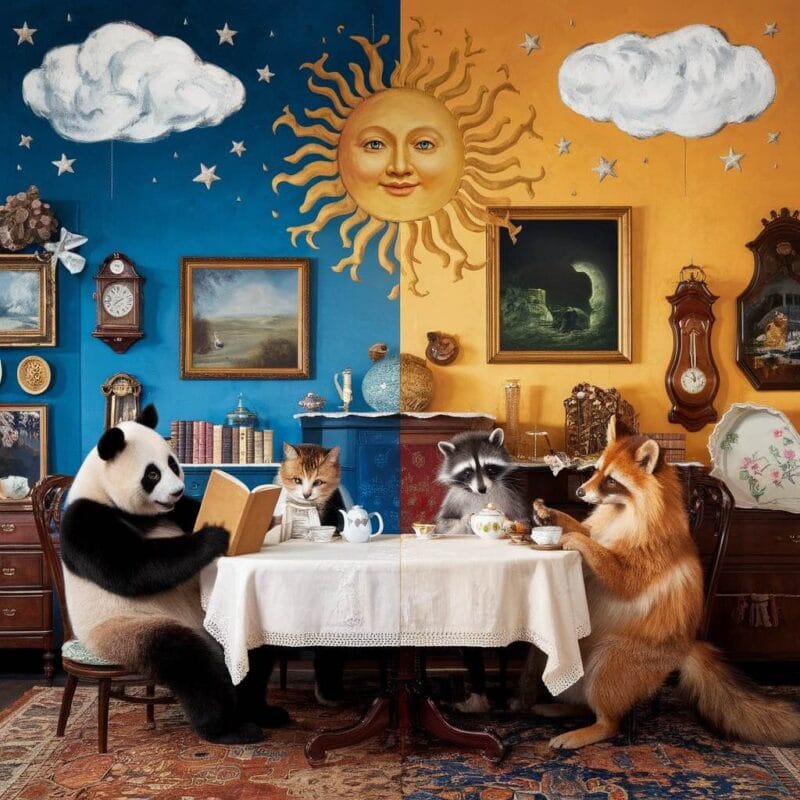
The way we perceive and interact with our pets has undergone a subtle yet profound transformation in recent years. Anthropomorphism—the attribution of human traits, emotions, or intentions to non-human entities—has seeped into the fabric of pet ownership, reshaping how we care for, communicate with, and even conceptualize our animal companions. What was once dismissed as mere sentimentalism now underpins a growing cultural and psychological phenomenon, one that blurs the boundaries between species and redefines the very essence of companionship. This shift is not merely a whimsical trend but a reflection of deeper societal and cognitive currents, influencing everything from veterinary care to product design, and challenging long-held assumptions about the nature of interspecies relationships.
The Psychological Underpinnings: Why We Humanize Our Pets
At its core, anthropomorphism is a cognitive shortcut, a mental heuristic that allows us to navigate the complexities of the world by projecting familiar frameworks onto the unfamiliar. When we describe our dog as “jealous” after it nudges another pet away during play or interpret a cat’s narrowed eyes as “disapproval,” we are engaging in a form of narrative simplification. This tendency is not arbitrary; it is rooted in our evolutionary history. Humans are social creatures, and our brains are wired to detect agency and intention, even where none may exist. This hyperactive pattern-detection system, while evolutionarily advantageous for survival, often leads us to imbue inanimate objects or animals with human-like qualities—a phenomenon that extends seamlessly into our relationships with pets.
Neuroscientific research suggests that this process activates the same neural circuits associated with empathy and social cognition. When we anthropomorphize our pets, we are essentially inviting them into our social world, treating them as quasi-humans who occupy roles not unlike those of family members or close friends. This cognitive fusion is further reinforced by the emotional bonds we form with our pets, which can be as intense and enduring as those we share with humans. The result is a paradoxical dynamic: while we recognize intellectually that our pets lack human consciousness, emotionally, we often treat them as if they possess it, blurring the line between metaphor and reality.
The Marketplace of Emotions: How Anthropomorphism Drives Pet Industry Trends
The commercial landscape of pet ownership has evolved in lockstep with our anthropomorphic inclinations, giving rise to a multi-billion-dollar industry that caters to the emotional and psychological needs of both pets and their owners. Products once considered frivolous—such as pet birthday cakes, Halloween costumes, or even “pet psychologists” offering behavioral consultations—now occupy shelves in mainstream retailers. This commodification of anthropomorphism is not merely a reflection of consumer demand but a catalyst for its proliferation, creating a feedback loop where cultural trends and market forces mutually reinforce each other.
Consider the rise of “designer” pet accessories, from monogrammed collars to ergonomic pet beds shaped like miniature human furniture. These items are not designed for functional necessity alone; they serve a symbolic purpose, allowing owners to project their own identities and aspirations onto their pets. The pet, in turn, becomes an extension of the owner’s self-expression, a living accessory that reflects taste, status, and even lifestyle. Similarly, the surge in pet influencers on social media—dogs and cats with millions of followers—demonstrates how anthropomorphism has been weaponized for digital engagement, turning pets into micro-celebrities whose lives are curated with the same narrative arcs as human influencers.
Even the language of pet marketing has shifted to accommodate this trend. Terms like “fur baby,” “pet parent,” and “animal companion” are not neutral descriptors but deliberate linguistic choices that elevate pets to the status of quasi-human dependents. This rebranding has profound implications for how we perceive pet ownership, shifting the narrative from one of responsibility to one of emotional fulfillment. The pet industry, in recognizing this shift, has capitalized on the emotional economy of anthropomorphism, selling not just products but identities—both for pets and their owners.
Veterinary Care and Ethical Dilemmas: The Double-Edged Sword of Humanization
The anthropomorphization of pets extends beyond consumer culture and into the realm of veterinary medicine, where it presents both opportunities and ethical conundrums. On one hand, the humanization of pets has led to significant advancements in animal welfare, driving demand for higher standards of care, better nutrition, and more sophisticated medical treatments. Pet owners who view their animals as family members are more likely to seek preventive care, invest in specialized diets, and even pursue alternative therapies like acupuncture or physical rehabilitation. This shift has undeniably improved the quality of life for countless animals, elevating their status from mere property to valued companions.
However, the same anthropomorphic lens can also distort clinical decision-making, leading to ethical dilemmas that blur the boundaries between compassion and anthropocentrism. For instance, pet owners may insist on aggressive, life-prolonging treatments for terminally ill animals, driven by the belief that their pets share human-like desires for longevity and comfort. While this reflects a deep bond between owner and pet, it can sometimes result in unnecessary suffering for the animal, whose quality of life may be severely compromised. Veterinarians, caught between their oath to relieve suffering and their clients’ emotional investments, often find themselves navigating a minefield of conflicting priorities.
Moreover, the humanization of pets can lead to unrealistic expectations about their cognitive and emotional capacities. A dog that is treated as a “fur baby” may be expected to exhibit human-like guilt or remorse, leading to misinterpretations of behavior and potential reinforcement of negative traits. Similarly, the trend of dressing pets in clothing or subjecting them to elaborate grooming rituals—while harmless in moderation—can sometimes prioritize aesthetic appeal over the animal’s natural comfort and well-being. These examples underscore the need for a balanced approach, one that acknowledges the emotional significance of pets while remaining grounded in their biological realities.
Cultural Narratives and the Reinvention of Pet Symbolism
The way society conceptualizes pets is deeply intertwined with cultural narratives, which have historically oscillated between viewing animals as utilitarian resources and as sacred or familial entities. Anthropomorphism has played a pivotal role in this evolution, particularly in Western societies, where pets are increasingly framed as emotional anchors in an era of social fragmentation. The modern pet, in this context, is not just a companion but a symbol of stability, unconditional love, and even resistance against the alienation of urban life. This symbolic reinvention is evident in media representations, where pets are often cast as protagonists in stories of resilience, healing, and redemption—think of the loyal dog in *Marley & Me* or the therapeutic cat in *Kiki’s Delivery Service*.
This cultural shift is also reflected in the language we use to describe pet ownership. Terms like “pet therapy” and “emotional support animal” have entered the lexicon, framing pets as active agents in human well-being rather than passive recipients of care. The rise of “pet cafés,” where patrons can interact with animals in a controlled environment, further illustrates this trend, offering a curated experience that blends companionship with consumption. Even the language of grief has adapted, with pet memorialization practices—from custom urns to digital memorials—mirroring those traditionally reserved for humans. These developments suggest that our relationship with pets is not merely a personal choice but a cultural construct, one that reflects broader anxieties about loneliness, identity, and the search for meaning in an increasingly disconnected world.
The Future of Human-Animal Bonds: Balancing Empathy and Reality
As anthropomorphism continues to shape pet ownership trends, it is essential to strike a balance between empathy and realism, ensuring that our emotional connections with pets do not overshadow their inherent needs and limitations. The future of human-animal bonds may lie in embracing a nuanced form of anthropomorphism—one that acknowledges the depth of our emotional ties while remaining grounded in scientific understanding. This approach could lead to innovations in pet care that prioritize both well-being and companionship, such as AI-driven behavioral analysis tools that help owners interpret their pets’ needs without resorting to human-centric assumptions.
Education will play a crucial role in this evolution. By fostering a greater understanding of animal cognition and behavior, pet owners can develop a more empathetic yet realistic relationship with their animals. For instance, recognizing that a dog’s “guilty look” is often a response to the owner’s behavior rather than a reflection of the dog’s own sense of wrongdoing can prevent unnecessary scolding and strengthen the bond between them. Similarly, understanding the limitations of a pet’s emotional range can help owners set appropriate expectations and avoid anthropomorphic pitfalls.
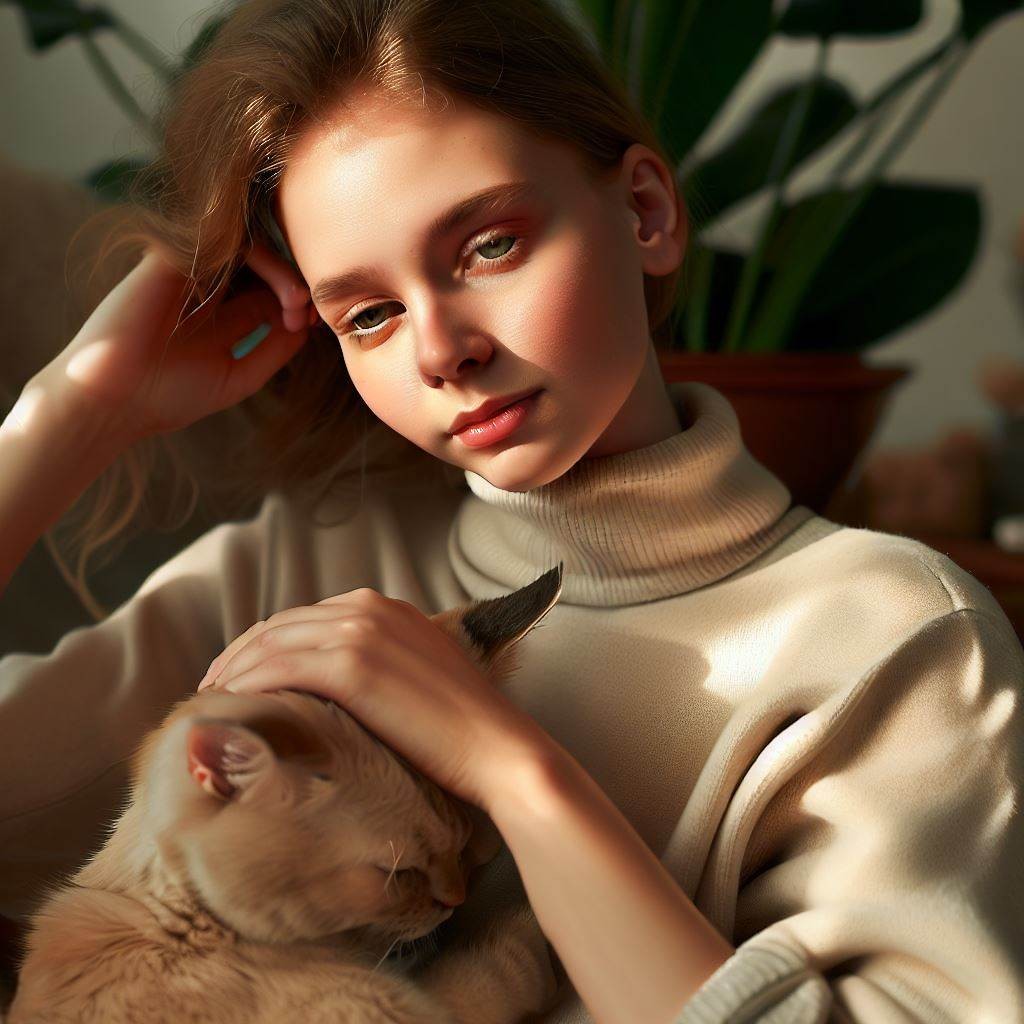
Ultimately, the impact of anthropomorphism on pet ownership is a testament to the malleability of human emotion and the enduring power of connection. While it is natural—and often beneficial—to imbue our pets with human-like qualities, it is equally important to respect their animal nature. The challenge lies in navigating this duality, creating a future where pets are neither objectified nor over-humanized, but cherished as the complex, sentient beings they are. In doing so, we may discover that the deepest bonds are not those that erase differences, but those that celebrate them.


![Case Study: How [Comic Series] Used Anthropomorphism to Stand Out](https://anthropomorphism.org/wp-content/uploads/2026/05/San-Diego-Comic-Con-2-scaled-1.jpg)