What if a car could smile back at you, or wink as it zoomed past? Could attributing human characteristics to machines truly alter the way consumers perceive and connect with automobiles? The concept of anthropomorphism—imbuing non-human entities with human traits—has been a subtle yet profound tool in marketing. But how adeptly can it be harnessed by a car company to genuinely boost sales? This case study delves into the strategic deployment of anthropomorphism by a car manufacturer and the intricate ways it helped reshape consumer engagement, ultimately driving tangible business growth.
The Challenge: Humanizing the Cold Machine
Automobiles are, by nature, functional and mechanical. While reliability and performance are paramount, these attributes can sometimes render cars emotionally sterile, leaving potential customers detached. The fundamental challenge lies in transcending the conventional technical appeals to forge a deeper emotional bond with the user. Could a car company convince potential buyers that their vehicles possess personalities or emotions? Traditionally, vehicles are perceived as objects—tools designed solely for transportation. Instilling warmth and relatability into such a product demands a nuanced approach that doesn’t overwhelm the core purpose yet reveals an inviting persona.
Anthropomorphism: A Timeless Marketing Trope Reimagined
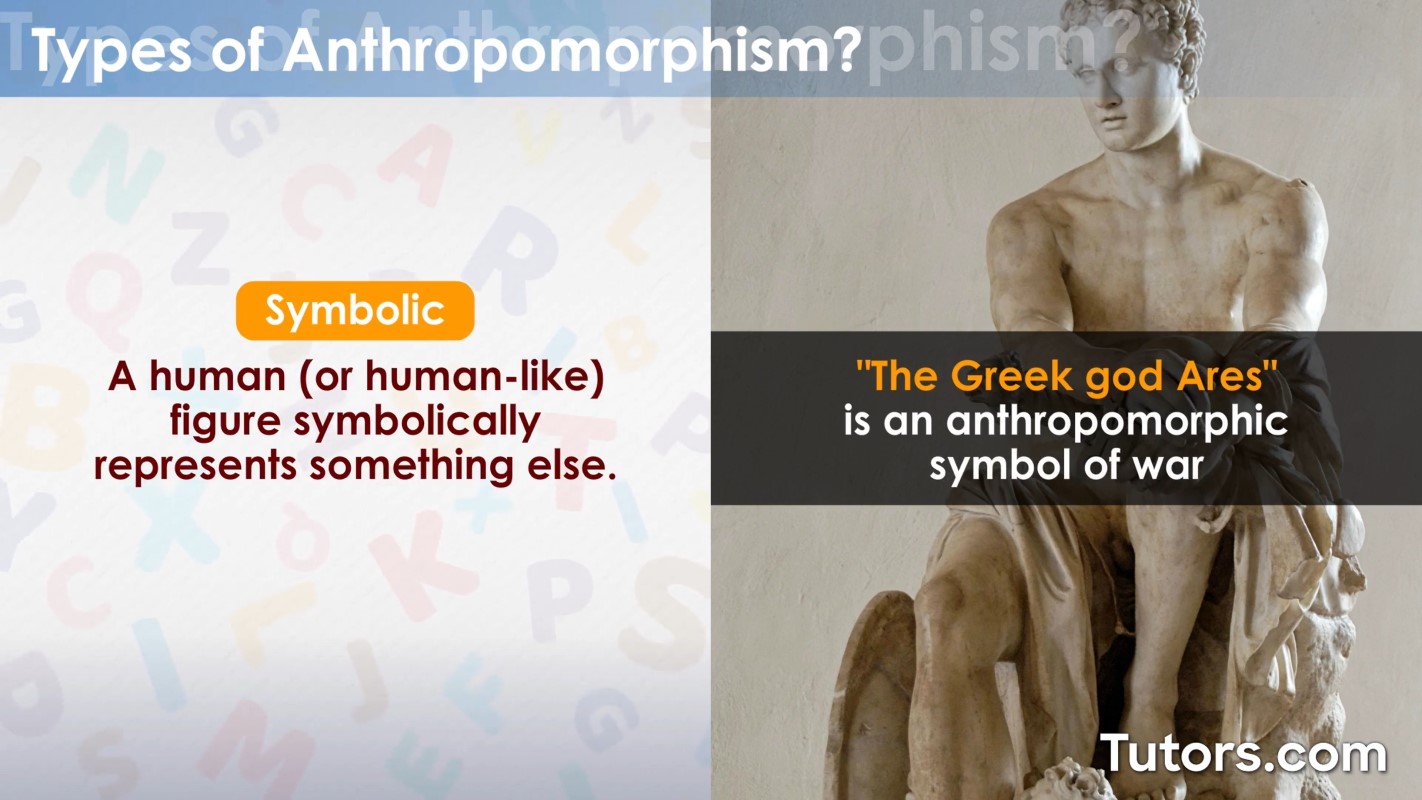
Anthropomorphism is not a new concept. From ancient mythologies attributing gods with human traits to contemporary animated movies infusing characters with soul, this device has universal resonance. Applying it to cars, however, requires finesse. The brand decided to embed subtle human-like features into the vehicle’s design and marketing collateral—headlights resembled eyes, grilles mimicked smiles, and body contours suggested posture and attitude. The campaign evolved beyond visual aesthetics. Messaging echoed conversational tones, as if the cars “spoke” to consumers, sharing joys, frustrations, and aspirations. This humanization offered more than mere charm; it provided an immersive narrative that invited consumers to see the car as a companion rather than a commodity.
Integrating Personality through Visual Design
Visual cues played a pivotal role in this strategy. Designers reimagined the car’s “face,” lending it expressions that varied from friendly and energetic to poised and sophisticated, depending on the model’s target demographic. A compact urban model exhibited playful expressions, with rounded contours and sparkling “eyes,” instilling a youthful vibrancy. Conversely, the luxury sedan adopted a poised, confident demeanor through sleek lines and sharp “gaze.” This deliberate anthropomorphic design allowed consumers to subconsciously attribute personality traits to the vehicles, fostering a sense of familiarity and trust. It’s a psychological subtlety—portraying a car not just as a machine but as a partner on life’s journeys.
Crafting Narrative: From Features to Feelings
Every marketing medium—from print ads to digital showcases—amplified the anthropomorphic message by weaving narratives that framed cars as relatable characters. Stories depicted vehicles reacting to traffic jams with frustration, celebrating newfound freedom on open roads, or expressing care by promising safety. By intertwining technical specifications within emotionally charged stories, consumers were gently coaxed to engage emotionally first and rationalize their decision second. The strategy was rooted in the understanding that buying a car is often an emotional decision masked by practicality. Anthropomorphic storytelling dismantled barriers, inviting reflections on how a vehicle fits into one’s lifestyle, dreams, and identity.
The Psychological Underpinning: Building Empathy and Trust
Human psychology gravitates toward empathy and connection. When a car is presented with human-like attributes, consumers naturally project emotions and intentions onto it. This phenomenon reduces the perceived distance between buyer and product. The brand’s campaign subtly leveraged this empathetic pathway by encouraging potential customers to “meet” their car’s character prior to committing to a purchase. The perceived personality engendered familiarity, reducing anxiety often associated with high-investment buying decisions. Trust was cultivated not only in the product’s quality but in the brand’s understanding of consumer emotions—a dual foundation essential for fostering loyalty and advocacy.
Measuring Impact: From Engagement to Sales Uplift
The shift toward anthropomorphic marketing yielded measurable outcomes. Initial consumer engagement metrics revealed enriched interaction times with digital content, with users spending significantly more time exploring vehicle “profiles” and narrated stories. Surveys indicated a marked increase in emotional attachment scores compared to conventional campaigns. Crucially, the company observed a substantial uptick in conversion rates—prospects who reported feeling a connection with the car’s “character” were far more likely to proceed with a test drive and purchase. This correlation illuminated the potent influence of anthropomorphism in transforming lifeless products into relatable entities, thereby catalyzing commercial success.
Challenges and Limitations: Striking the Right Balance
While anthropomorphism yielded promising results, it also presented challenges. Over-anthropomorphizing risked trivializing the technical prowess of the vehicles or alienating consumers seeking straightforward information. Striking a balance required rigorous user testing to ensure the message remained authentic and sophisticated. Additionally, tailoring anthropomorphic cues to diverse market segments demanded cultural sensitivity; what resonates playfully in one region might be perceived as frivolous or confusing in another. The company’s iterative approach—adjusting tone, design, and narrative—helped to navigate these intricacies, underscoring the importance of nuanced execution in such marketing endeavors.
Broader Implications: Setting New Industry Standards
This case extends beyond a single brand’s triumph. It signals a paradigm shift in automotive marketing, where emotional resonance garners equal footing with engineering excellence. Competitors took note, spurring innovation in vehicle design and campaign storytelling that prioritize consumer connection. Anthropomorphism emerged not just as a gimmick but as a strategic lever for differentiation in a saturated market. The technique’s success prompts contemplation on how future technologies—such as AI-driven personalization—might deepen these human-machine relationships even further.
Conclusion: More Than Steel and Rubber
At its core, this case study exemplifies how embracing anthropomorphism taps into a fundamental human desire—to relate, understand, and connect. When a car transcends its mechanical roots and adopts a semblance of personality, consumers respond with heightened engagement and loyalty. However, this journey is delicate. It demands a profound grasp of consumer psyche, thoughtful design, and storytelling that respects the intelligence and emotion of its audience. In the increasingly competitive automotive landscape, the marriage of human traits with machine precision may prove to be an indispensable catalyst for sales growth, proving that sometimes, a car is best sold not as a product, but as a companion on the road of life.