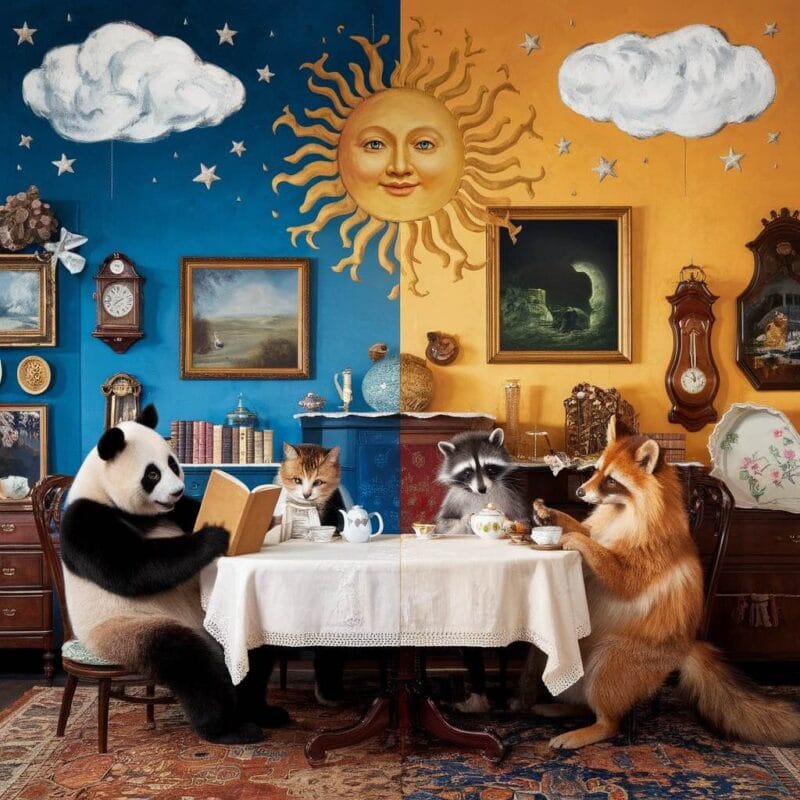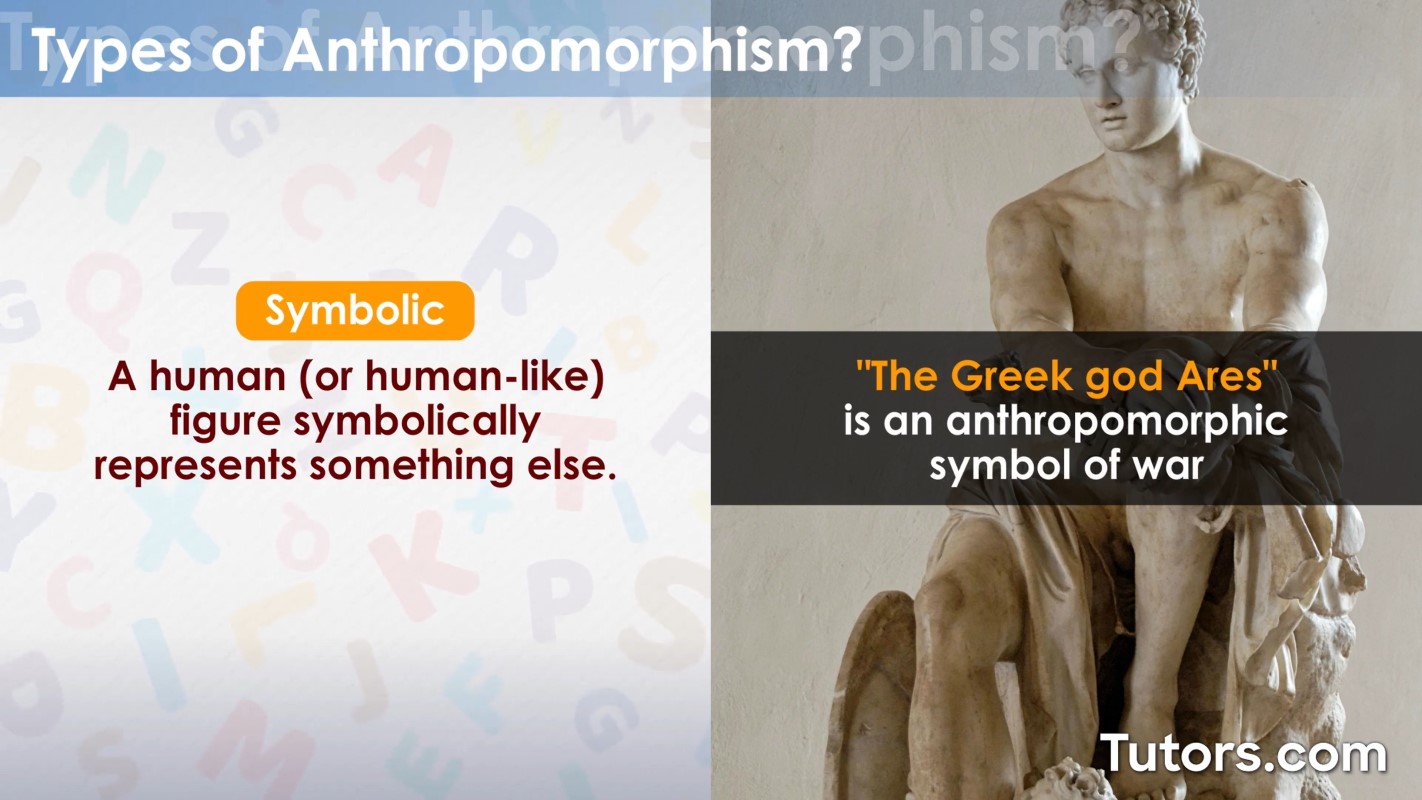
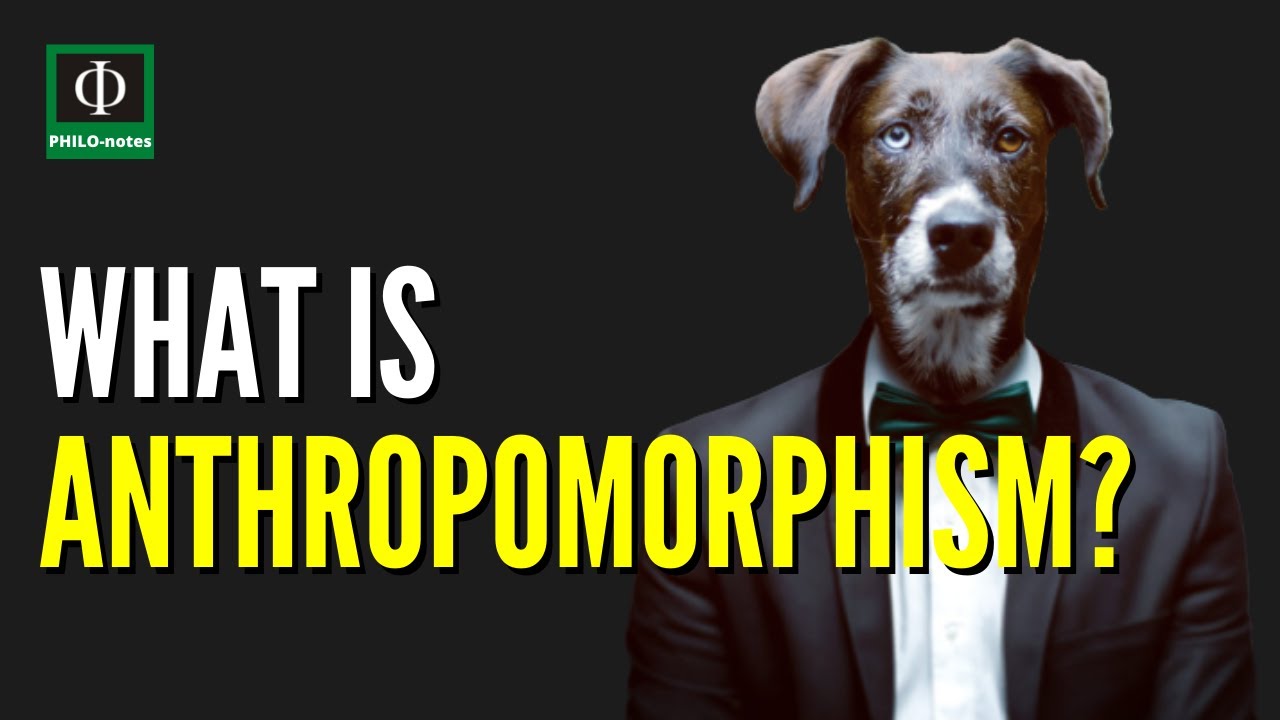
Anthropomorphism—the act of attributing human traits, emotions, and intentions to non-human entities—is far more than a literary device or artistic flourish. It is a cultural prism through which societies interpret the world, infusing the inanimate with vitality and the abstract with meaning. From ancient myths to modern branding, anthropomorphism shapes how we perceive reality, fostering empathy, simplifying complexity, and embedding moral lessons into the fabric of collective consciousness. This phenomenon transcends mere storytelling; it is a cognitive bridge that allows cultures to personify the unknown, domesticate the wild, and humanize the divine.
The Mythic Roots: When Gods Wore Faces and Fables Spoke
Long before written language, anthropomorphism was the scaffolding of mythology. Early civilizations peopled the cosmos with deities who bled, loved, and schemed like mortals. The Greeks, for instance, imagined Zeus as a thunder-wielding patriarch, his caprices mirroring human frailty. In Hindu lore, the elephant-headed Ganesha embodies wisdom and obstacle-removal, his form a deliberate fusion of beast and sage. These narratives did more than entertain; they codified cultural values, turning abstract ideals—justice, vengeance, love—into tangible, relatable figures.
Consider the Norse trickster Loki, a shape-shifting embodiment of chaos whose human-like cunning and moral ambiguity reflect the unpredictability of fate. His stories, passed down through sagas, were not just cautionary tales but a way to reconcile the unknowable forces of nature with the familiar contours of human behavior. Anthropomorphism, in this context, was a survival tool—a means to make the terrifying or incomprehensible less daunting by giving it a face and a voice.
The Moral Alchemy: Fables as Social Glue
Anthropomorphism’s most enduring legacy lies in its role as a moral architect. Aesop’s fables, with their talking animals and sentient objects, distilled complex ethical dilemmas into digestible parables. The industrious ant and the procrastinating grasshopper, the vain crow and the cunning fox—these characters were not mere animals but mirrors held up to human nature. Their stories transcended time because they tapped into universal truths: diligence triumphs over laziness, honesty over deceit.
In Japanese folklore, the *tanuki*—a mischievous raccoon dog—is depicted as a shape-shifting prankster, embodying both the unpredictability of nature and the consequences of greed. His tales, often humorous yet laced with irony, served as gentle admonishments against arrogance. Similarly, African trickster figures like Anansi the spider, a cunning survivor, taught lessons about wit and resilience in the face of oppression. These narratives were not just entertainment; they were the moral compass of their societies, using anthropomorphism to transform abstract virtues into living, breathing lessons.
The Animistic Imagination: When Nature Becomes Kin
Many indigenous cultures practice animism, a worldview where plants, animals, and even inanimate objects possess spirits or consciousness. This belief system is a profound form of anthropomorphism, where the natural world is not a passive backdrop but an active participant in human life. The Māori of New Zealand, for example, revere *taniwha*—mythical water spirits that dwell in rivers and oceans—believing them to be guardians whose moods influence tides and storms. To the Māori, these entities are neither distant nor abstract; they are kin, deserving of respect and reciprocity.
In the Arctic, the Inuit perceive the aurora borealis as the dancing spirits of ancestors, their movements a celestial language of the dead. Such beliefs transform the natural world from a collection of resources into a community of sentient beings. Anthropomorphism, in this sense, is not a distortion of reality but a deepening of it—a recognition that the boundaries between “human” and “other” are fluid, and that empathy can extend beyond our species.

The Corporate Chameleon: Brands That Wear Human Faces
In the modern era, anthropomorphism has leapt from myth and folklore into the marketplace. Brands and mascots—from the Michelin Man to the Pillsbury Doughboy—personify products, making them relatable and memorable. These characters are not just marketing gimmicks; they are emotional anchors. The M&M’s spokescandies, for instance, embody distinct personalities (the sarcastic red, the naive yellow), turning a simple candy into a cast of characters that consumers “know” and engage with daily.
This phenomenon extends to technology. Voice assistants like Siri and Alexa are designed with human-like voices and conversational tones, blurring the line between tool and companion. Studies show that users anthropomorphize these AI entities, attributing intentions and emotions to them—even when they know they are interacting with code. This reflects a deeper human need: to humanize the inhuman, to find companionship in the mechanical. Anthropomorphism, in this context, is a bridge between isolation and connection.
The Dark Side: When Empathy Turns to Exploitation
Yet anthropomorphism is not without its shadows. The same mechanism that fosters empathy can also be weaponized. Colonial powers historically justified exploitation by portraying indigenous peoples as “savage” or “childlike,” stripping them of their humanity to rationalize domination. Similarly, modern advertising often reduces complex social issues to simplistic, anthropomorphized tropes—think of the “helpless puppy” in shelter campaigns, which can oversimplify the nuances of animal welfare.
Even in storytelling, over-reliance on anthropomorphism can flatten nuance. When animals or objects are given human traits without depth, they risk becoming caricatures rather than characters. The line between “relatable” and “reduced to a stereotype” is thin, and anthropomorphism, when misapplied, can perpetuate harmful biases rather than challenge them.
The Future: AI, Ethics, and the Next Frontier of Personification
As artificial intelligence advances, anthropomorphism is entering uncharted territory. Robots like Sophia, designed with human-like facial expressions, raise questions about the ethics of imitation. Can a machine truly “feel,” or is its anthropomorphism a clever illusion? The answer may lie in how we, as humans, choose to engage with these entities. If we treat AI with empathy, does it matter whether that empathy is reciprocated?
This new frontier also invites reflection on our own humanity. As we project emotions onto machines, we confront the essence of what it means to be human. Are we merely pattern-recognizing creatures, quick to see faces in clouds and voices in the wind? Or is anthropomorphism a testament to our capacity for connection—a reminder that even in a digital age, we crave the warmth of the familiar?
Anthropomorphism, in all its forms, is a testament to the human imagination’s power to transform the world. It is the art of seeing ourselves in the storm, the river, the toaster. It is a cultural language, a moral guide, and a mirror held up to our collective soul. Whether in ancient myths or corporate mascots, it reminds us that the line between “us” and “other” is not a boundary but a bridge—and that bridge is built from the same material as our dreams.


![Case Study: How [Comic Series] Used Anthropomorphism to Stand Out](https://anthropomorphism.org/wp-content/uploads/2026/05/San-Diego-Comic-Con-2-scaled-1.jpg)