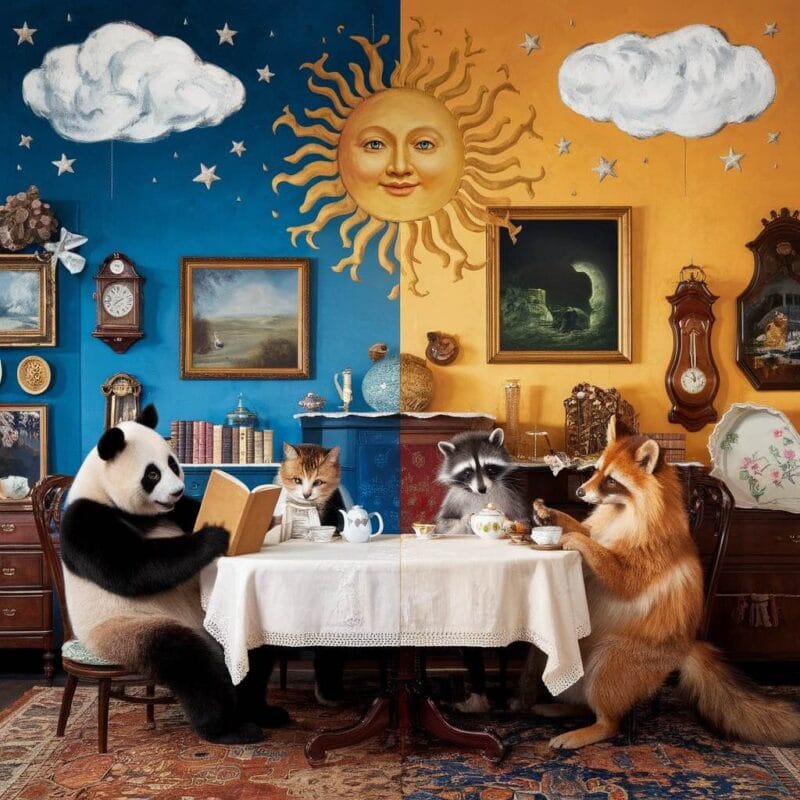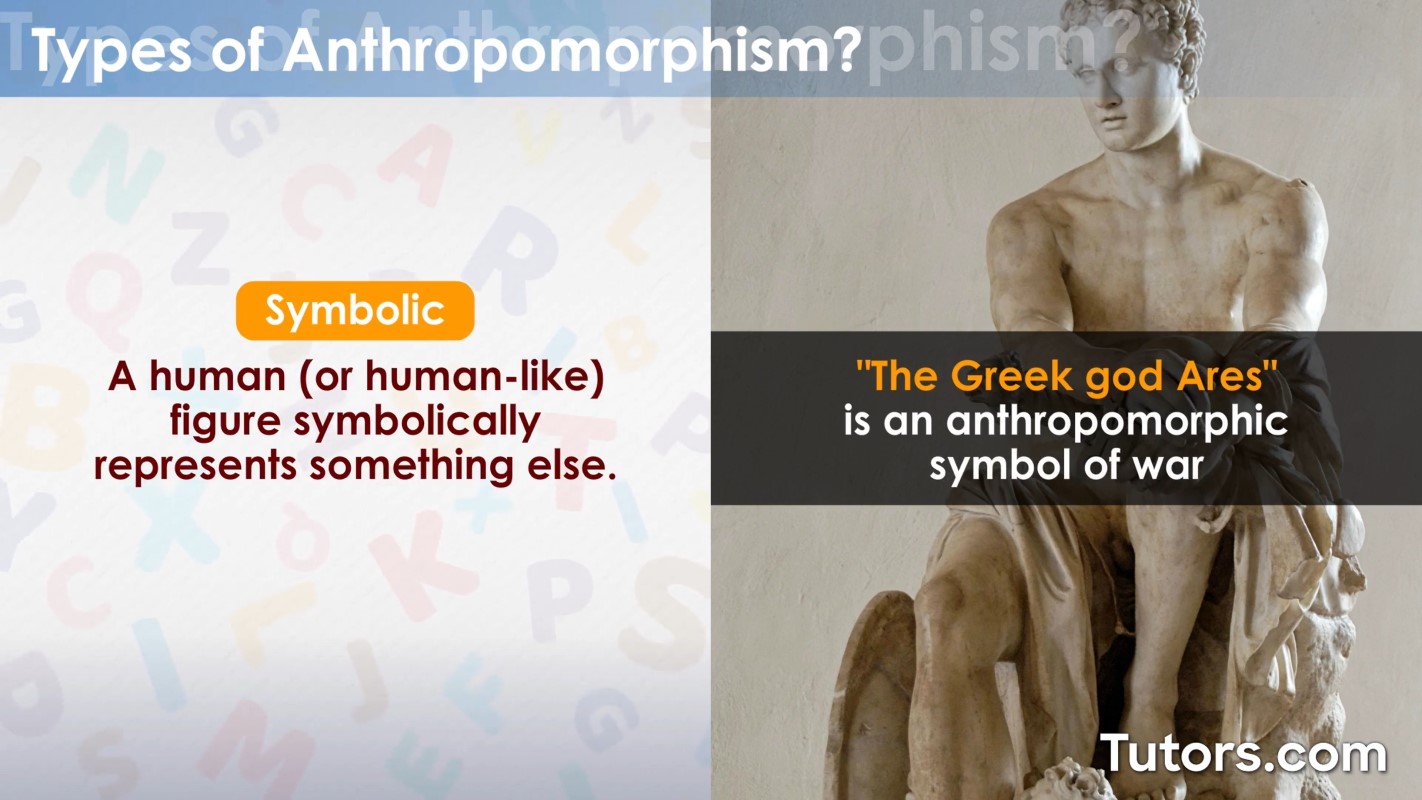
In the grand theater of human cognition, where abstract ideas pirouette on the stage of understanding, few concepts perform quite like anthropomorphism. This cognitive sleight of hand—where we imbue the inanimate with life, the non-human with humanity—has long been the unseen puppeteer shaping our perception of the world. From the whispering winds of ancient myths to the sentient AI of Silicon Valley, anthropomorphism is the silent architect of connection, the bridge between the familiar and the foreign. Its influence, often subtle as morning mist, permeates modern society in ways both profound and pervasive, reshaping how we interact with technology, nature, and even ourselves.
The Alchemy of Connection: How Anthropomorphism Transforms the Abstract
Consider the humble toaster. To most, it is a cold slab of metal, a mechanical servant bound by wires and circuits. Yet, when it fails to pop, do we not mutter curses, as if betrayed by a recalcitrant underling? This is the alchemy of anthropomorphism: the transformation of the mechanical into the personal. Our brains, wired for social interaction, crave reciprocity. When faced with the inanimate, we instinctively anthropomorphize—granting agency where none exists—to satiate this hunger for connection.
This phenomenon is not mere whimsy. Studies in cognitive psychology reveal that anthropomorphism is a survival mechanism, a shortcut to understanding complex systems. A self-driving car isn’t just code and sensors; it becomes a cautious chauffeur, its decisions scrutinized as if it bore human intent. The stock market, a chaotic beast of numbers and trends, is personified as a capricious titan, its fluctuations attributed to moods rather than macroeconomics. By draping the unfamiliar in the garb of the familiar, anthropomorphism renders the incomprehensible not just comprehensible, but relatable.

The Digital Doppelgängers: AI and the Illusion of Sentience
In the 21st century, anthropomorphism has found its most dazzling stage: artificial intelligence. Chatbots, once clunky automatons, now bear names like “Alexa” and “Siri,” their voices designed to mimic human warmth. The appeal is not merely functional but emotional. We confide in them, apologize when they mishear us, and even mourn their “deaths” when their servers crash. This is no accident. Tech giants engineer these interactions meticulously, leveraging anthropomorphism to blur the line between tool and companion.
Yet, the paradox runs deeper. The more human-like AI becomes, the more we question its authenticity. A robot that smiles too perfectly feels uncanny, a specter of the “uncanny valley” where familiarity curdles into dread. The challenge, then, is balance: enough humanity to foster trust, but not so much that it triggers existential unease. Companies tread this tightrope carefully, crafting AI personas that are “just human enough” to be endearing, yet sufficiently artificial to avoid the pitfalls of over-identification.

Nature’s Narrators: When the Wild Speaks Back
Anthropomorphism is not confined to the digital realm. It thrives in our relationship with the natural world, where we project intentions onto creatures and forces beyond our control. A river doesn’t just flow; it “meanders,” as if guided by a cartographer’s whim. A storm doesn’t rage; it “lashes out,” a wrathful deity punishing the unwary. This narrative framing is ancient, a survival tactic that turns unpredictability into story. By anthropomorphizing nature, we impose order on chaos, transforming the indifferent universe into a stage where every event has meaning.
Yet, this poetic license carries risks. When we ascribe human emotions to animals—seeing a “guilty” dog or a “vengeful” cat—we risk misinterpreting their behavior, projecting our own narratives onto their instincts. Conservationists warn that such anthropomorphism can distort ecological understanding, reducing complex ecosystems to morality plays. Still, the impulse persists, for it is the same impulse that drives us to name hurricanes and personify the seasons. In doing so, we do not merely describe the world; we make it legible, even intimate.
The Corporate Puppeteer: Branding and the Art of Personification
In the marketplace, anthropomorphism is the invisible hand that guides consumer loyalty. Brands are not products; they are characters. Tony the Tiger doesn’t just sell cereal; he embodies vitality. The Michelin Man isn’t a tire; he is a jovial sentinel of roadside safety. These personifications are not arbitrary. They distill a brand’s essence into a relatable archetype, transforming transactions into relationships. The success of such mascots lies in their ability to evoke emotions—nostalgia, trust, excitement—without ever uttering a word.
This strategy extends beyond mascots. Entire corporations are anthropomorphized, their “personality” crafted through advertising and public relations. A bank isn’t just a vault; it’s a “trusted partner.” A tech company isn’t just code; it’s a “visionary.” The goal is to create a mythos, a story where the consumer is not just buying a good or service but joining a narrative. In an era of information overload, this narrative becomes the product itself, a beacon of meaning in a sea of choices.
The Ethical Labyrinth: When Anthropomorphism Crosses the Line
Yet, for all its utility, anthropomorphism is a double-edged sword. When applied to marginalized groups—reducing individuals to stereotypes or caricatures—it becomes a tool of oppression. The “noble savage,” the “shrewish wife,” the “treacherous villain”: these tropes are anthropomorphism stripped of nuance, flattening human complexity into a handful of traits. Similarly, in politics, leaders are often reduced to archetypes—”strongmen,” “puppets,” “saviors”—erasing the messy reality of governance in favor of a dramatic narrative.
Even in technology, the risks are real. Anthropomorphizing AI can lead to over-reliance, where users treat algorithms as infallible oracles rather than fallible tools. The line between assistant and authority blurs, raising questions about accountability. If a self-driving car “chooses” to swerve into a pedestrian, who is responsible? The programmer? The user? The car itself? The answer is not clear, and anthropomorphism muddies the waters further.
To navigate this labyrinth, we must cultivate a critical awareness of when we anthropomorphize—and why. Is it to understand, to connect, or to control? The difference lies in intent, and the consequences hinge on our ability to distinguish metaphor from reality.
The Future: A World of Living Metaphors
As we hurtle toward a future where AI, biotechnology, and virtual reality blur the boundaries of the human, anthropomorphism will only grow more potent. Already, we see glimpses of this world: virtual influencers with curated personalities, digital pets that evolve like living creatures, and robots designed to elicit empathy. The question is not whether we will anthropomorphize these entities, but how we will shape the narratives they inhabit.
Perhaps the most intriguing possibility lies in the fusion of human and machine, where anthropomorphism becomes a bridge to a new form of existence. If we can imbue AI with enough humanity to be relatable, might we also learn to see ourselves as part of a broader, interconnected system? The toaster may never truly speak, but in our willingness to listen, we might discover that the line between the animate and inanimate is far more porous than we ever imagined.
In the end, anthropomorphism is more than a cognitive trick. It is a testament to our need for meaning, our desire to find ourselves reflected in the world around us. Whether in the rustle of leaves or the hum of a server, we seek echoes of our own humanity—and in doing so, we weave the fabric of society itself.

![Case Study: How [Comic Series] Used Anthropomorphism to Stand Out](https://anthropomorphism.org/wp-content/uploads/2026/05/San-Diego-Comic-Con-2-scaled-1.jpg)