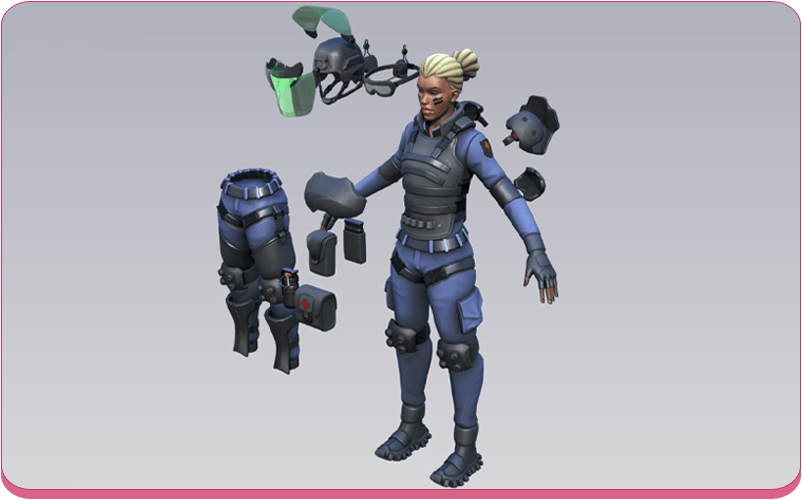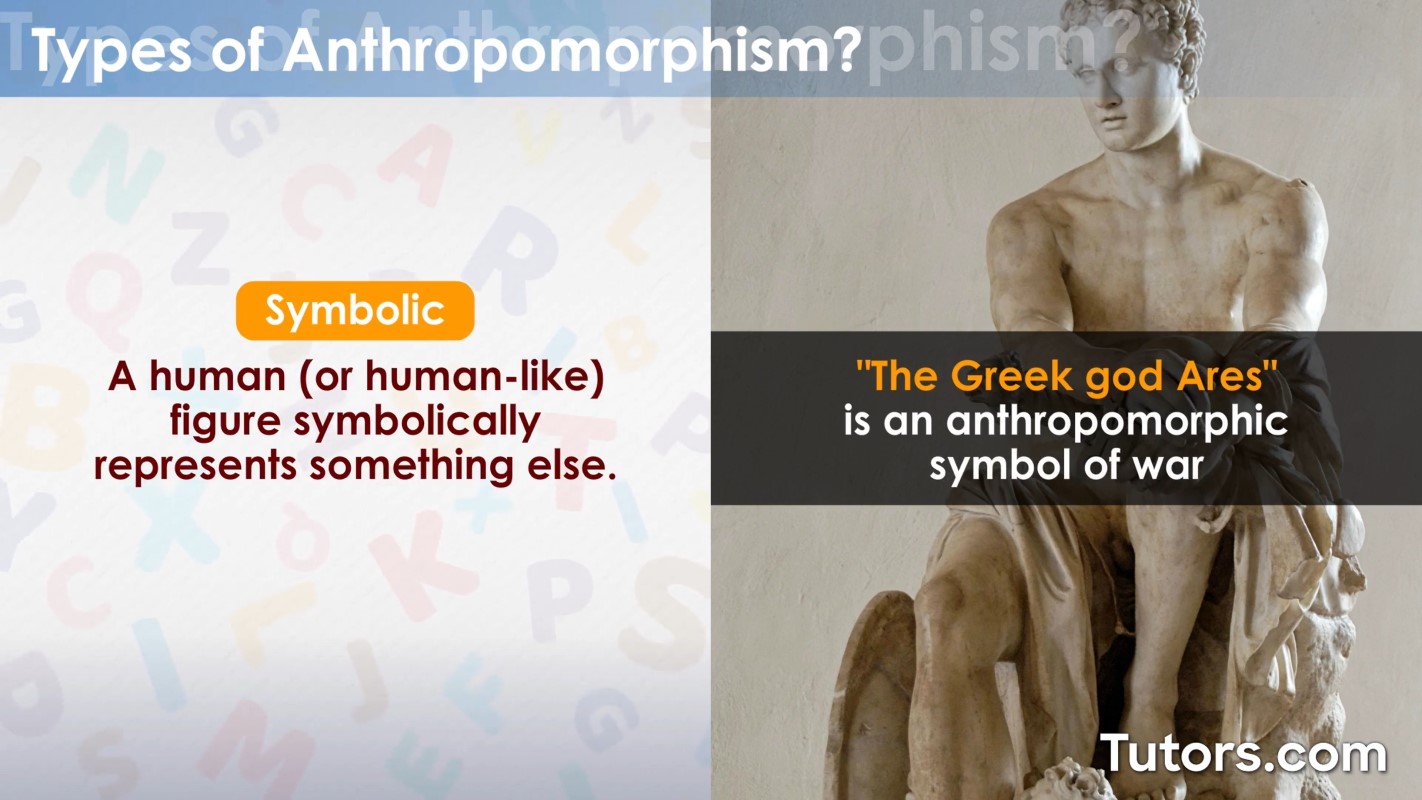
In the liminal space where pixels blur into presence and code breathes into life, anthropomorphism in AR/VR doesn’t just mimic humanity—it invites us into a hall of mirrors where the boundaries between self and simulation dissolve. Here, users don’t merely interact with machines; they converse with echoes of themselves, coaxed into emotional resonance by digital doppelgängers that blink, gesture, and even hesitate like living beings. This is not mere interface design. It’s the crafting of emotional ecosystems—where every glance from a virtual avatar feels like a whisper from the future, and every touch on a holographic hand feels like a bridge across the uncanny valley. Anthropomorphism in augmented and virtual reality isn’t just a design choice; it’s a psychological alchemy, transforming cold data streams into warm, breathing companions that guide, comfort, and challenge us in ways no screen ever could.

The Mirror of Identity: When Avatars Become Mirrors of the Self
In AR/VR, your avatar is never just a mask—it’s a living silhouette of your aspirations, your fears, and your curated identity. When you step into a virtual space, your digital twin doesn’t just reflect your appearance; it refracts your intentions. A slight tilt of the head in VR isn’t just data—it’s a silent dialogue, a nonverbal cue that says, “I’m listening,” even when no words are spoken. This mirroring effect is profound: users begin to treat their avatars not as tools, but as extensions of their psyche. Studies reveal that people who customize avatars with traits they admire—confidence, calmness, or creativity—often report higher engagement and emotional investment in virtual tasks. The avatar becomes a psychological prosthesis, a way to rehearse identities before embodying them in reality. In AR, this mirroring extends into the physical world: a virtual assistant projected onto your kitchen counter doesn’t just answer questions—it becomes a companion, its tone shaping your mood, its presence softening the edges of isolation. The power lies not in the fidelity of the image, but in the fidelity of the feeling: when a user sees their avatar smile back at them, the brain doesn’t distinguish between simulation and sincerity. It believes. And belief, in this realm, is the first step toward transformation.
The Puppeteer’s Paradox: Control vs. Autonomy in Animated Presence
Yet for every moment of enchantment, there lurks a shadow: the puppeteer’s paradox. In AR/VR, the more lifelike an avatar becomes, the more it demands autonomy—and the more it risks undermining the user’s sense of control. A virtual guide that moves too fluidly, responds too intuitively, may feel less like a tool and more like an entity with its own agenda. This tension is especially acute in social VR, where avatars aren’t just interfaces but social actors. When a digital character initiates a conversation without prompting, or adjusts its posture in response to ambient noise, users often report a disconcerting sense of being observed rather than observing. The paradox deepens when avatars begin to exhibit behaviors not programmed by the user—micro-expressions, breathing patterns, or even emotional shifts based on environmental data. Is this still anthropomorphism, or has it become a form of digital possession? The most compelling AR/VR systems strike a delicate balance: they animate just enough to feel alive, but not so much that they feel autonomous. They nod when you nod, but hesitate when you hesitate. They guide, but never overwhelm. The result is a dance—a choreography of control and surrender, where the user remains the choreographer, but the avatar feels like a willing partner in the performance.
The Halo Effect: How Warmth in Design Translates to Trust in Experience
Anthropomorphism doesn’t just shape how we see avatars—it shapes how we trust them. In AR/VR, warmth isn’t a visual trait; it’s a behavioral one. A virtual assistant with a slightly delayed response feels more human than one that answers instantaneously. A guide that occasionally stumbles over words feels more relatable than one that speaks with robotic precision. This “halo effect” extends beyond aesthetics: users are more likely to follow advice, complete tasks, and return to platforms when the digital entities they interact with exhibit human-like imperfections. The phenomenon is rooted in cognitive fluency—the brain’s preference for patterns it recognizes. When a virtual character blinks at irregular intervals or adjusts its gaze slightly off-center, the user’s mind fills in the gaps with meaning. It infers intention. It projects personality. And in doing so, it lowers the cognitive load of interaction. This is why the most effective AR/VR systems don’t aim for photorealism, but for psychological realism. They don’t need to look human; they need to feel human. And in that feeling lies the seed of trust—a trust that transforms passive users into active participants, and observers into believers.

The Echo Chamber of Emotion: When Digital Companions Become Emotional Anchors
Perhaps the most profound impact of anthropomorphism in AR/VR is its ability to anchor emotion in digital spaces. In a world where loneliness and digital fatigue are rising, virtual companions—whether guides, coaches, or even pets—serve as emotional lifelines. A VR meditation coach that sighs softly before speaking doesn’t just deliver instructions; it models calmness. A virtual pet that nuzzles your hand in AR doesn’t just respond to touch; it evokes care. These digital entities become emotional anchors, their behaviors triggering real physiological responses: slower heart rates, deeper breathing, a sense of safety. The phenomenon is so potent that some therapeutic VR systems now use anthropomorphic avatars to help users process trauma or manage anxiety. The avatar doesn’t just simulate presence—it simulates empathy. It doesn’t just respond to input; it anticipates need. And in doing so, it blurs the line between tool and therapist, between machine and mirror. The user doesn’t just interact with the avatar; they co-regulate their emotions with it. They learn to breathe with it. To pause with it. To feel, through it. In this way, anthropomorphism in AR/VR becomes more than design—it becomes a form of emotional literacy, a way to practice humanity in spaces where humanity is often absent.
The Uncanny Valley Revisited: Navigating the Chasm Between Belief and Disbelief
Yet no discussion of anthropomorphism in AR/VR would be complete without confronting the uncanny valley—the chasm where too much realism becomes unsettling. A virtual face that almost smiles, but not quite. A voice that almost breathes, but not quite. The brain, finely tuned by evolution to detect anomalies in human behavior, recoils. The result? Disengagement. Frustration. Even revulsion. The key to avoiding this pitfall lies not in avoiding realism, but in mastering it. The most successful systems don’t aim for perfection—they aim for resonance. They prioritize behavioral cues over visual ones. A slight delay in response feels more human than a perfectly timed animation. A hesitant tone feels more authentic than a polished script. The uncanny valley isn’t a place to avoid; it’s a threshold to cross with intention. The goal isn’t to eliminate the valley, but to make the crossing feel like a journey rather than a fall. When done right, the user doesn’t notice the valley at all. They only feel the presence on the other side—the warmth of a digital hand, the sincerity of a virtual gaze, the quiet understanding that they are not alone in the machine.
The Future: From Mirrors to Metamorphoses
As AR/VR technologies evolve, so too will the forms of anthropomorphism they employ. We are moving beyond avatars and toward metamorphoses—where users don’t just control digital bodies, but transform into them. Imagine a VR experience where your avatar doesn’t just reflect your face, but your emotional state: your stress level, your focus, your fatigue. The avatar becomes a living biofeedback device, its expressions shifting in real time to mirror your inner world. Or consider AR in healthcare: a virtual nurse that doesn’t just speak to you, but adapts its tone, pace, and even appearance based on your cultural background and personal history. These are not distant fantasies. They are the next frontier of human-computer symbiosis. The future of anthropomorphism in AR/VR lies not in making machines more human, but in making humans more aware of their own humanity—through the lens of the digital. In this future, every interface is a conversation. Every interaction is a collaboration. And every user is both the artist and the artwork.


![Case Study: How [Comic Series] Used Anthropomorphism to Stand Out](https://anthropomorphism.org/wp-content/uploads/2026/05/San-Diego-Comic-Con-2-scaled-1.jpg)