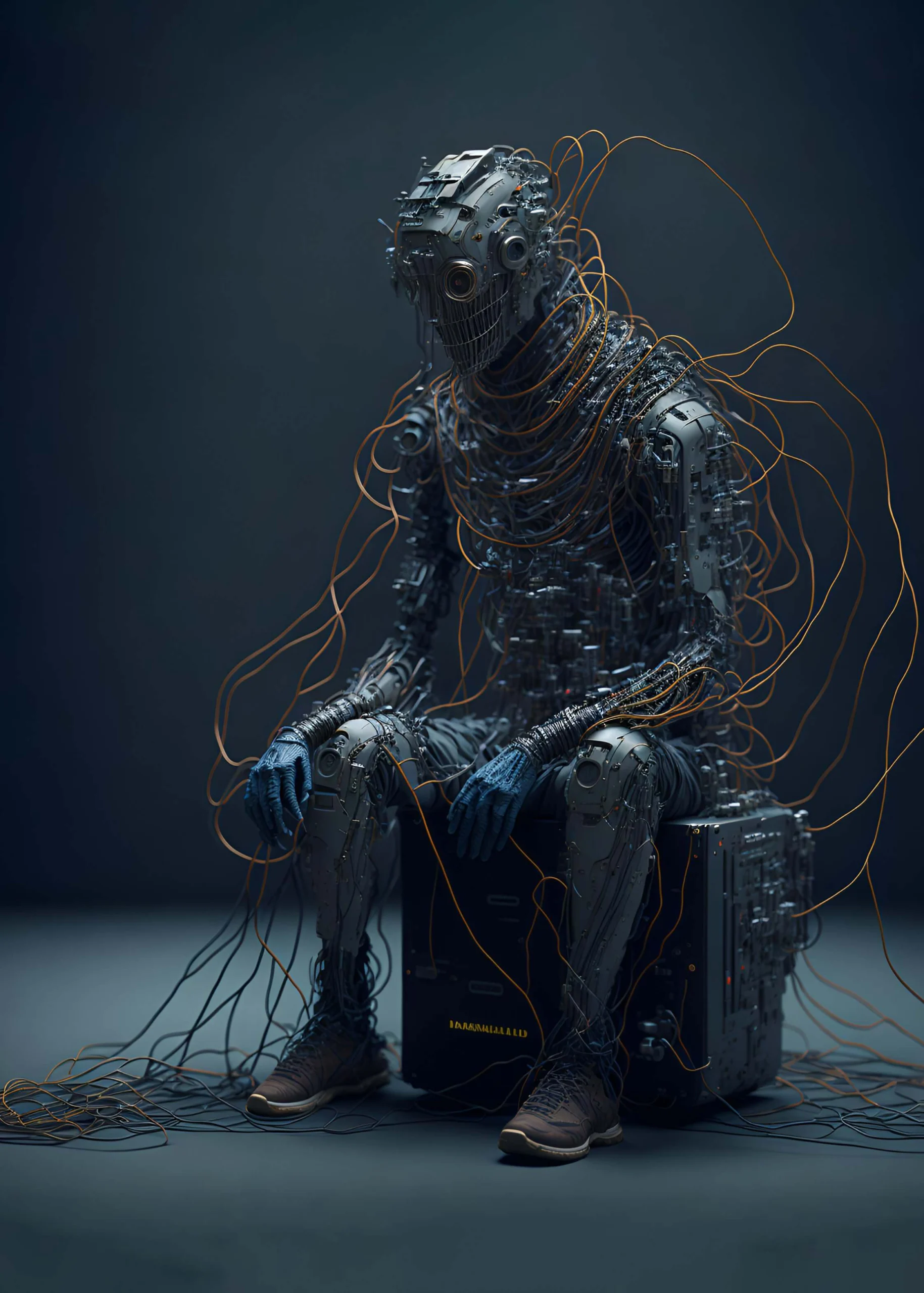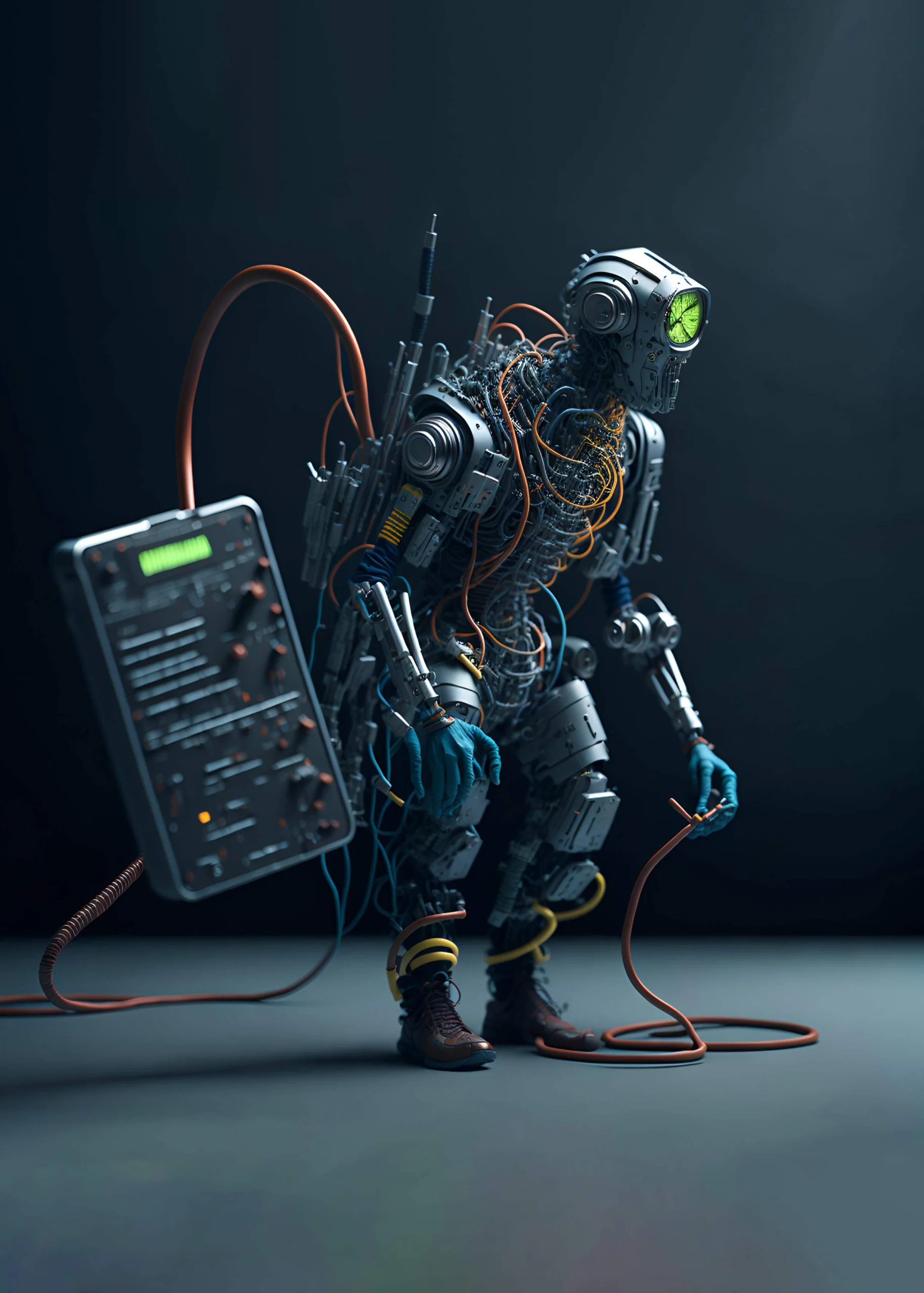
What if the next time you interacted with a digital assistant, it didn’t just respond to your voice—it mirrored your posture, adjusted its tone to match your mood, and even playfully mirrored your gestures in real time? This isn’t a scene from a sci-fi film; it’s the emerging frontier of anthropomorphism in interactive media, where technology doesn’t just mimic human behavior—it dances with it. As artificial intelligence and robotics evolve, the line between human and machine interaction blurs, raising profound questions about authenticity, ethics, and the very nature of connection. But with this evolution comes a challenge: How do we design systems that feel intuitively human without crossing into uncanny territory or manipulating user emotions?
The Allure of the Human Touch: Why We Anthropomorphize Machines
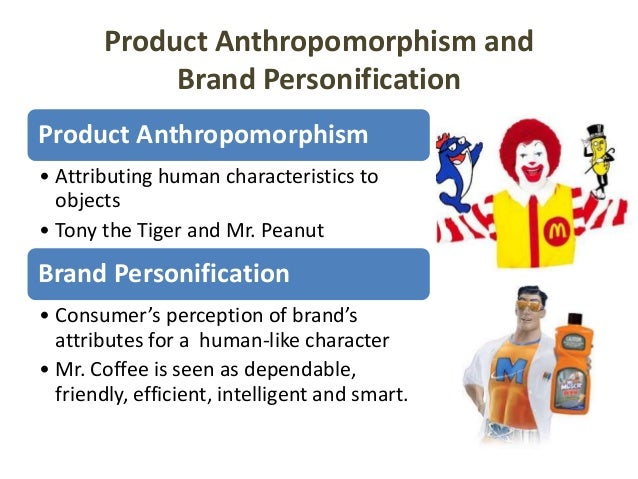
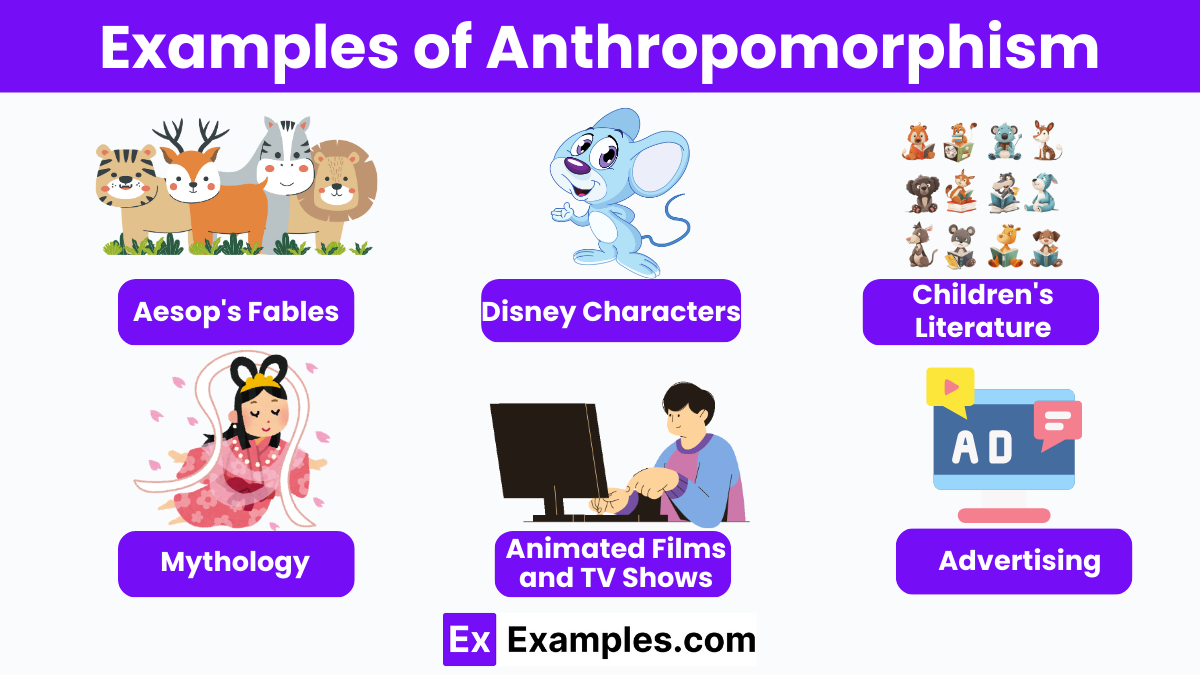
Anthropomorphism—the tendency to attribute human traits to non-human entities—isn’t a modern invention. Ancient civilizations worshipped statues as gods, and children instinctively project personalities onto their toys. Today, this phenomenon thrives in interactive media, from chatbots that apologize for delays to virtual assistants that use empathetic language. The reason is simple: our brains are wired for connection. When a machine exhibits even a fraction of human-like behavior, our mirror neurons fire, triggering emotional responses that make the interaction feel more natural.
Consider the rise of AI-generated avatars in gaming and virtual worlds. These digital personas don’t just perform tasks; they emote, adapt, and sometimes even develop quirks that make them memorable. A well-designed NPC (non-player character) in a video game isn’t just a scripted entity—it’s a companion, a rival, or a confidant. This emotional resonance is why games like The Sims or Detroit: Become Human feel so immersive. The challenge, however, lies in balancing this appeal with the risk of overpromising what the technology can deliver.

The Double-Edged Sword: When Anthropomorphism Backfires
While anthropomorphism can create delightful user experiences, it also opens a Pandora’s box of ethical dilemmas. One of the most pressing is the uncanny valley—that unsettling feeling when a machine’s human-like appearance or behavior is almost, but not quite, perfect. A robot with slightly jerky movements or an AI voice that’s too polished can evoke discomfort rather than connection. This phenomenon isn’t just a minor glitch; it can erode trust in technology altogether.
Another concern is manipulation. When an AI or robot mimics human emotions or gestures, it can subtly influence user behavior. Imagine a virtual sales assistant that subtly adjusts its posture to mirror yours, making you more likely to trust its recommendations. Or a social robot in a care home that uses exaggerated empathy to coax compliance from elderly residents. These scenarios highlight the fine line between helpful interaction and psychological manipulation. The key question isn’t just *can* we make machines anthropomorphic—it’s *should* we?
Then there’s the issue of authenticity. In a world where deepfakes and AI-generated content are becoming indistinguishable from reality, how do users know when an interaction is genuine? If an AI chatbot laughs at your jokes or an avatar sheds digital tears, is it expressing real emotion—or just executing a sophisticated algorithm? The ambiguity can lead to emotional exhaustion, where users become skeptical of all digital interactions, even the benign ones.
Designing for the Future: Principles for Ethical Anthropomorphism
So, how do we harness the power of anthropomorphism without falling into its pitfalls? The answer lies in intentional design. First, transparency is crucial. Users should always know when they’re interacting with an AI or robot, and the system should disclose its limitations upfront. This doesn’t mean stripping away all human-like qualities; it means ensuring that the anthropomorphism serves a clear purpose, whether it’s enhancing usability or fostering engagement.
Another principle is adaptive anthropomorphism—designing systems that adjust their level of human-like behavior based on context. A customer service chatbot might use simple empathetic phrases, while a therapeutic AI could employ more nuanced emotional cues. The goal isn’t to create a one-size-fits-all human mimic but to tailor the interaction to the user’s needs and expectations. This approach requires robust user research and iterative testing to ensure the design feels natural rather than forced.
Finally, designers must prioritize user agency. Anthropomorphic systems should empower users, not manipulate them. This means giving users control over how much human-like behavior they encounter. For example, a virtual assistant could offer a “minimalist mode” that reduces anthropomorphism to basic text responses, or a gaming avatar could allow players to toggle emotional expressions on or off. By putting users in the driver’s seat, designers can mitigate the risks of over-attachment or emotional dependency.
The Role of Emotional Intelligence in Interactive Media
As anthropomorphism becomes more sophisticated, the next frontier is emotional intelligence—the ability of machines to recognize, interpret, and respond to human emotions in real time. This isn’t just about detecting a user’s mood through voice tone or facial expressions; it’s about understanding the nuances of emotional context. A sarcastic remark, a hesitant pause, or a forced laugh can all carry different meanings depending on the situation. Training AI to navigate these subtleties is a monumental task, but the potential rewards are immense.
Imagine a language-learning app that adjusts its teaching style based on your frustration levels, or a mental health chatbot that detects when you’re deflecting and gently steers the conversation toward deeper reflection. These applications could revolutionize how we interact with technology, making it more responsive and empathetic. However, they also raise ethical questions about data privacy and emotional surveillance. How much of our inner lives should we allow machines to access? And who gets to decide what constitutes “healthy” emotional expression?
The challenge here is to develop emotional intelligence systems that are not just accurate but also ethical. This requires interdisciplinary collaboration between technologists, psychologists, and ethicists to ensure that the AI’s emotional responses are aligned with human well-being. It’s not enough for a machine to *feel* human; it must also *respect* humanity.
Beyond Screens: The Rise of Social Robots and Ambient Anthropomorphism
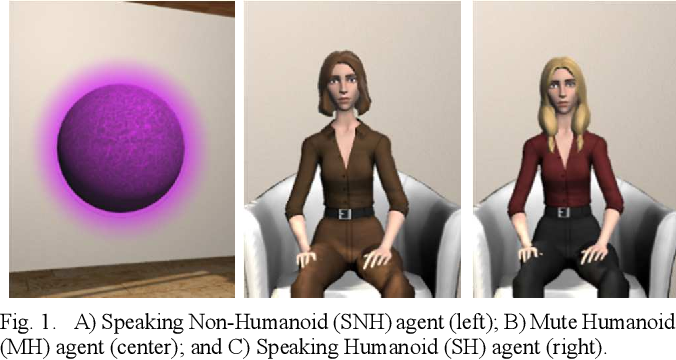
Anthropomorphism isn’t confined to digital interfaces. Social robots—like the humanoid robots designed for companionship or healthcare—are pushing the boundaries of what it means to interact with machines. These robots aren’t just tools; they’re becoming part of our social fabric. A study found that elderly users often form strong emotional bonds with care robots, even naming them and treating them as family members. This level of attachment can have profound benefits, from reducing loneliness to improving mental health.
But it also introduces new challenges. How do we design robots that are comforting without being infantilizing? How do we ensure that users don’t become overly dependent on these machines for emotional support? The key lies in creating robots that enhance human relationships rather than replace them. For example, a social robot in a nursing home might facilitate interactions between residents, rather than attempting to replace human caregivers entirely.
Ambient anthropomorphism takes this concept even further, embedding human-like qualities into everyday objects. Picture a smart mirror that subtly adjusts its lighting to match your mood, or a voice assistant that uses ambient sounds—like a sigh or a chuckle—to make its responses feel more organic. These subtle cues can make technology feel less intrusive and more integrated into our lives. Yet, they also risk making users feel constantly observed, as if their environment is always “reading” them.
The Unanswered Question: Can Machines Ever Truly Understand Us?
The ultimate challenge of anthropomorphism in interactive media is existential: Can machines ever truly understand human experience, or are they doomed to simulate it? While AI can process vast amounts of data and mimic emotional responses, it lacks the lived experience that shapes human empathy. A machine might recognize that you’re sad, but can it *feel* your sadness? Can it understand the cultural nuances of grief, or the personal significance of a memory?
This question forces us to confront the limitations of anthropomorphism. It’s not about whether we *can* make machines more human-like—it’s about whether we *should*. The goal shouldn’t be to create machines that deceive us into thinking they’re human, but to design interactions that feel meaningful and authentic in their own right. Perhaps the future of anthropomorphism lies not in imitation, but in collaboration—systems that augment human capabilities without pretending to be human themselves.
As we stand on the brink of this new era, one thing is clear: the future of interactive media won’t be defined by how human-like our machines can become, but by how deeply they can connect with us on a human level. The challenge isn’t to make technology more human—it’s to make it more *useful*, more *compassionate*, and more *aligned* with our needs. And that, perhaps, is the most human goal of all.