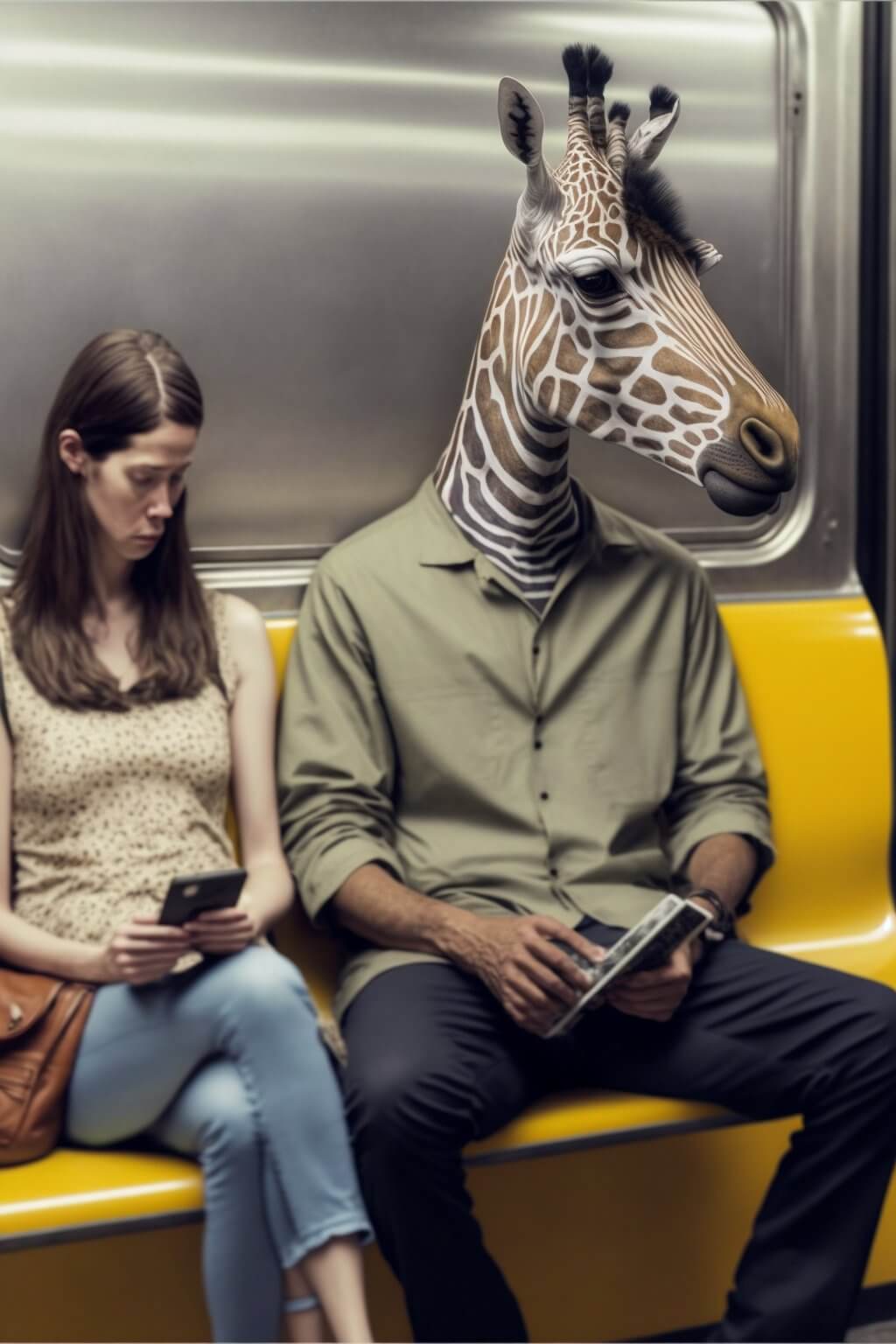
In the ever-evolving landscape of marketing, anthropomorphism—the attribution of human traits, emotions, or intentions to non-human entities—has emerged as a potent tool for brands seeking to forge deeper connections with consumers. Commercials that employ anthropomorphism don’t just sell products; they create narratives where inanimate objects, animals, or even abstract concepts come to life, resonating with audiences on an emotional level. This phenomenon isn’t merely a fleeting trend but a psychological lever that can significantly alter consumer behavior, from brand perception to purchasing decisions. By dissecting the mechanisms behind anthropomorphic advertising, we uncover how these campaigns tap into primal human instincts, fostering trust, relatability, and even loyalty. The following exploration delves into the multifaceted ways anthropomorphism in commercials shapes consumer behavior, offering insights into its strategic implementation and long-term impact.
The Psychological Foundations of Anthropomorphism in Advertising
At its core, anthropomorphism exploits the human brain’s innate tendency to anthropomorphize—an evolutionary trait that once helped early humans navigate complex social environments by interpreting ambiguous stimuli as potential threats or allies. Modern consumers, despite their rationality, still default to this cognitive shortcut when engaging with advertisements. A commercial featuring a talking cereal box or a mascot with human-like expressions triggers the same neural pathways as real human interaction, releasing oxytocin—a hormone associated with bonding and trust. This biological response primes consumers to view the brand as a relatable entity rather than a faceless corporation. Moreover, anthropomorphism simplifies cognitive load; complex product features become digestible when personified, as the brain processes human-like narratives more efficiently than abstract data. The result? A seamless integration of the brand into the consumer’s social fabric, where it’s no longer a vendor but a companion.
Types of Anthropomorphic Content and Their Unique Appeal
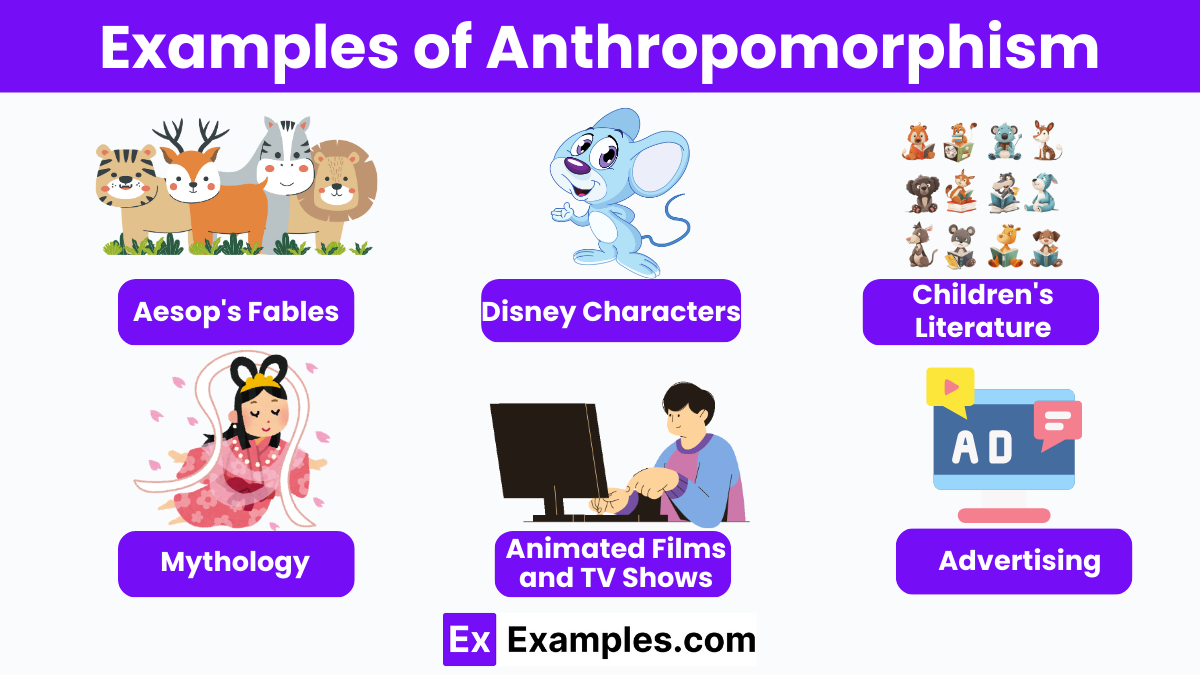
Not all anthropomorphic commercials wield the same influence. The effectiveness of these campaigns hinges on the type of content deployed, each tailored to evoke distinct emotional responses. Personified Products—where everyday items like household appliances or food products are given human voices or personalities—dominate the landscape. Consider the iconic M&M’s characters, whose playful antics transform a simple candy into a relatable figure. Animal Mascots leverage the universal appeal of creatures like the Geico Gecko or the Energizer Bunny, tapping into the anthropomorphic tendency to imbue animals with human traits. These mascots often embody brand values, such as reliability or humor, creating a memorable shorthand for the product’s identity. Brand-as-Human campaigns take this a step further, presenting the corporation itself as a character—think of the Michelin Man or the Pillsbury Doughboy—where the brand’s essence is distilled into a single, iconic figure. Each type of content serves a unique purpose: personified products simplify decision-making, animal mascots inject personality, and brand-as-human campaigns build long-term identity. The choice of format depends on the campaign’s goals, whether it’s driving immediate sales or cultivating enduring brand equity.

Emotional Resonance: How Anthropomorphism Creates Empathy
The magic of anthropomorphic commercials lies in their ability to evoke empathy—a cornerstone of consumer behavior. When a brand adopts human-like qualities, it transcends its utilitarian role, becoming a participant in the consumer’s emotional landscape. A heartwarming ad featuring a lonely robot finding companionship through a product doesn’t just sell a gadget; it sells a sense of belonging. This emotional resonance is particularly potent in story-driven campaigns, where anthropomorphism serves as the narrative backbone. For instance, a commercial for a smart home device might depict the device as a helpful butler, anticipating the homeowner’s needs with almost clairvoyant precision. The viewer doesn’t just admire the product; they root for it, investing in its success as if it were a character in a beloved story. This phenomenon, known as the parasocial relationship, blurs the line between consumer and participant, making the brand a silent confidant in the consumer’s daily life. The result is a loyalty that transcends transactional relationships, rooted in shared emotions rather than mere utility.
The Role of Humor and Relatability in Anthropomorphic Ads
Humor and relatability are the twin engines that propel anthropomorphic commercials into the cultural zeitgeist. A well-timed joke or a relatable scenario can amplify the anthropomorphic effect, making the brand’s message not just seen but remembered. Consider the absurdist anthropomorphism of a talking yogurt pot cracking jokes about its own expiration date. The humor disarms skepticism, while the anthropomorphism makes the product feel like a friend rather than a commodity. Relatability, on the other hand, hinges on the consumer’s ability to see themselves in the anthropomorphized entity. A commercial for a fitness tracker might depict the device as a relentless personal trainer, mirroring the viewer’s own struggles with motivation. The key lies in striking a balance—anthropomorphism must feel authentic, not forced. Overly exaggerated or unrealistic personifications can backfire, alienating audiences who perceive the brand as gimmicky. The most successful campaigns, like those for Old Spice or the Aflac duck, blend humor with subtle anthropomorphism, creating a cocktail of entertainment and memorability that lingers long after the ad ends.
Anthropomorphism and Consumer Ethnocentrism: A Delicate Balancing Act
While anthropomorphism can bridge cultural divides, it also risks stoking consumer ethnocentrism—the tendency to favor products from one’s own culture. Brands must tread carefully when personifying entities in global markets, as cultural nuances can amplify or dilute the intended effect. For example, an anthropomorphic character that resonates in Western markets might be perceived as intrusive or sacrilegious in collectivist cultures where inanimate objects are traditionally revered rather than humanized. The solution lies in culturally agile anthropomorphism, where the human-like traits are tailored to align with local values. A Japanese ad campaign for a beverage might depict the product as a humble servant, reflecting the cultural emphasis on humility and service, while a Western counterpart could portray the same product as an adventurous explorer. The goal is to create a universal emotional hook—whether it’s joy, trust, or curiosity—while allowing the anthropomorphic expression to adapt to regional sensibilities. This approach not only avoids cultural missteps but also enhances the campaign’s global appeal.
The Dark Side of Anthropomorphism: When Personification Backfires
Despite its many advantages, anthropomorphism is not without pitfalls. Overuse or misapplication can lead to consumer skepticism, where audiences perceive the campaign as manipulative or insincere. A classic example is the uncanny valley effect, where a digital character’s human-like appearance triggers discomfort rather than empathy. Similarly, anthropomorphism can inadvertently trivialize serious issues. A commercial for a financial service that personifies debt as a mischievous gremlin might undermine the gravity of the subject, leaving consumers confused about the brand’s intent. Another risk is the over-reliance on gimmicks, where the anthropomorphic element overshadows the product’s actual benefits. The key to avoiding these pitfalls lies in authenticity. The anthropomorphism must feel organic to the brand’s identity and the product’s purpose. A luxury watch brand personifying time as a regal figure makes sense; a budget detergent doing the same risks feeling contrived. Brands must ask themselves: Does this personification enhance the product’s story, or is it merely a distraction?
Measuring the Impact: Metrics for Anthropomorphic Campaign Success
To gauge the effectiveness of anthropomorphic commercials, brands must look beyond traditional metrics like click-through rates or sales figures. While these indicators provide valuable insights, they often fail to capture the emotional and psychological shifts anthropomorphism induces. Instead, brands should employ a multi-dimensional evaluation framework, incorporating metrics such as brand sentiment analysis, emotional engagement scores, and parasocial relationship strength. Surveys and focus groups can reveal how consumers perceive the anthropomorphized entity—do they see it as trustworthy, humorous, or irritating? Neuromarketing tools, like EEG scans or facial recognition software, can measure subconscious emotional responses, offering a window into the campaign’s subliminal impact. Additionally, social media sentiment analysis can track how audiences discuss the ad, distinguishing between genuine engagement and superficial virality. For instance, a campaign that sparks debates about its anthropomorphic elements—whether positive or negative—often indicates a deeper level of engagement than one that is passively consumed. The most insightful brands treat these metrics as a compass, guiding iterative refinements to future campaigns.
The Future of Anthropomorphism in Commercials: Trends and Predictions
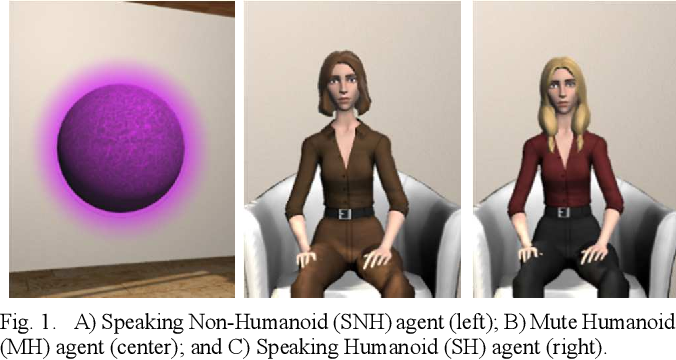
The trajectory of anthropomorphism in advertising points toward even more immersive and interactive experiences. Advances in artificial intelligence and deepfake technology are enabling hyper-realistic personifications, where consumers interact with AI-driven brand ambassadors in real-time. Imagine a virtual influencer who responds to voice commands or a chatbot that adopts a distinct personality, blurring the line between advertisement and conversation. Augmented reality (AR) is another frontier, where consumers can “meet” anthropomorphized products in their own homes via AR filters or apps. The rise of metaverse marketing will further accelerate this trend, with brands creating entire virtual worlds populated by personified entities. However, the future also demands a greater emphasis on ethical anthropomorphism. As consumers become more discerning, they will reject campaigns that feel exploitative or inauthentic. Brands that prioritize transparency—clearly signaling when content is AI-generated or digitally manipulated—will build trust in an era where deepfakes and synthetic media are becoming ubiquitous. The most successful anthropomorphic campaigns of the future will be those that balance innovation with integrity, creating not just memorable ads, but meaningful connections.