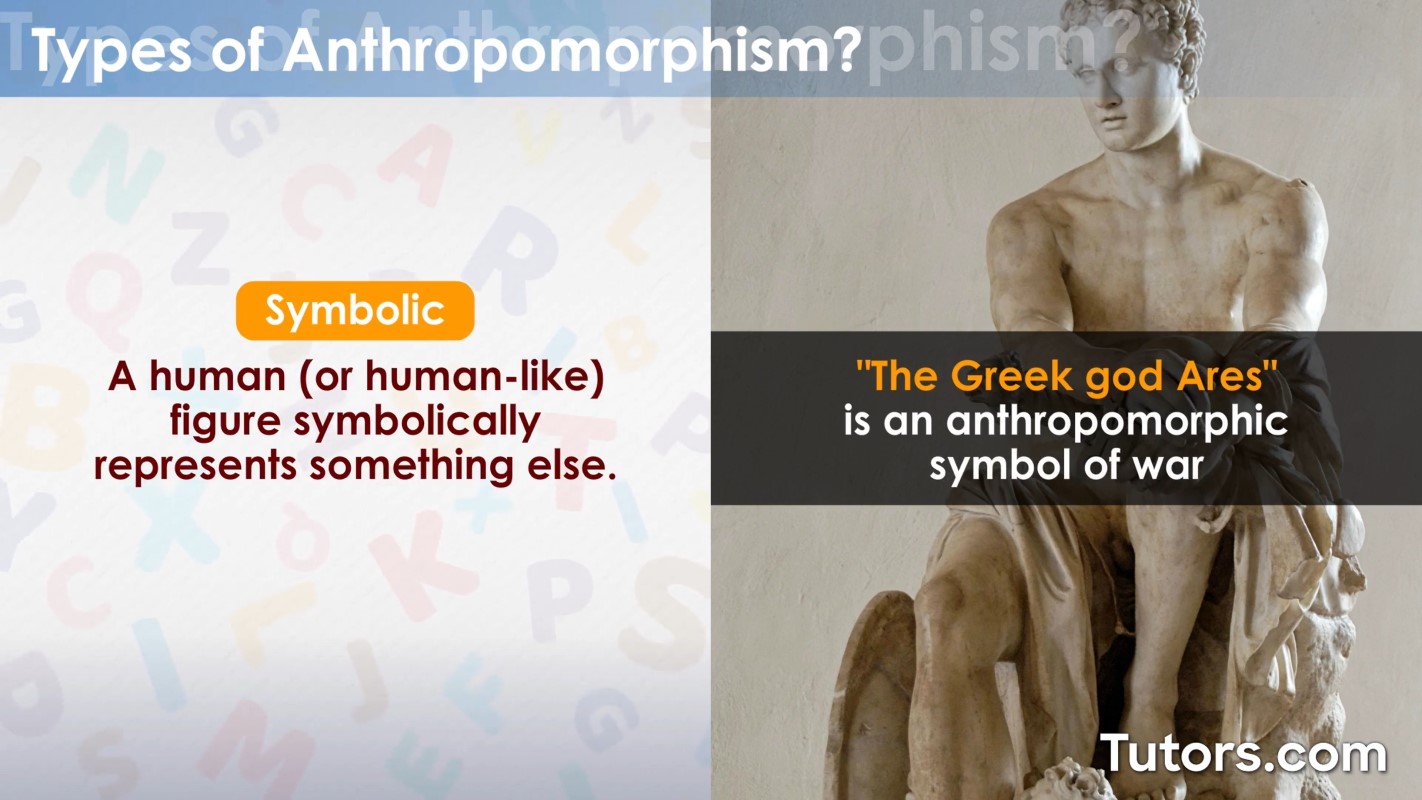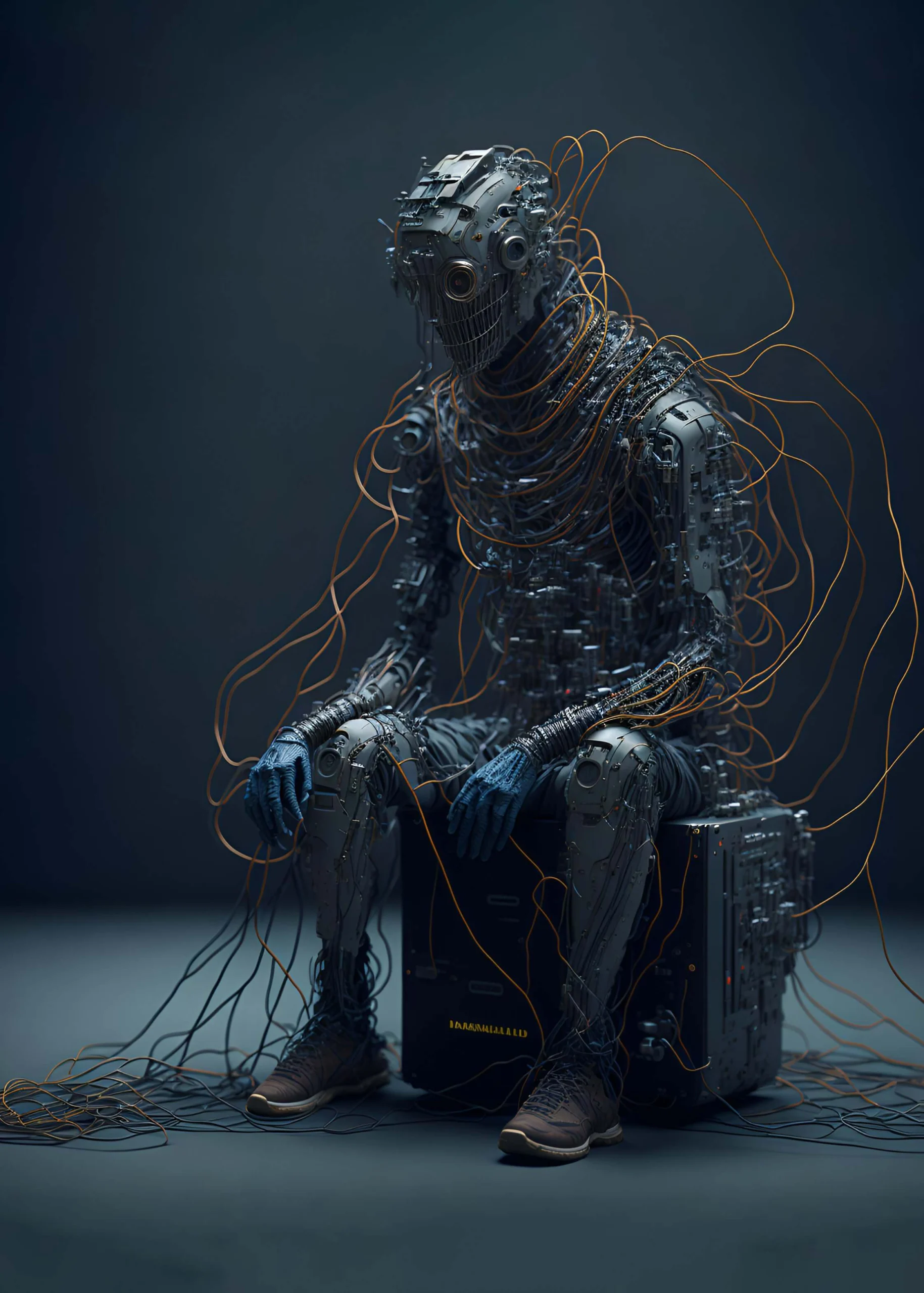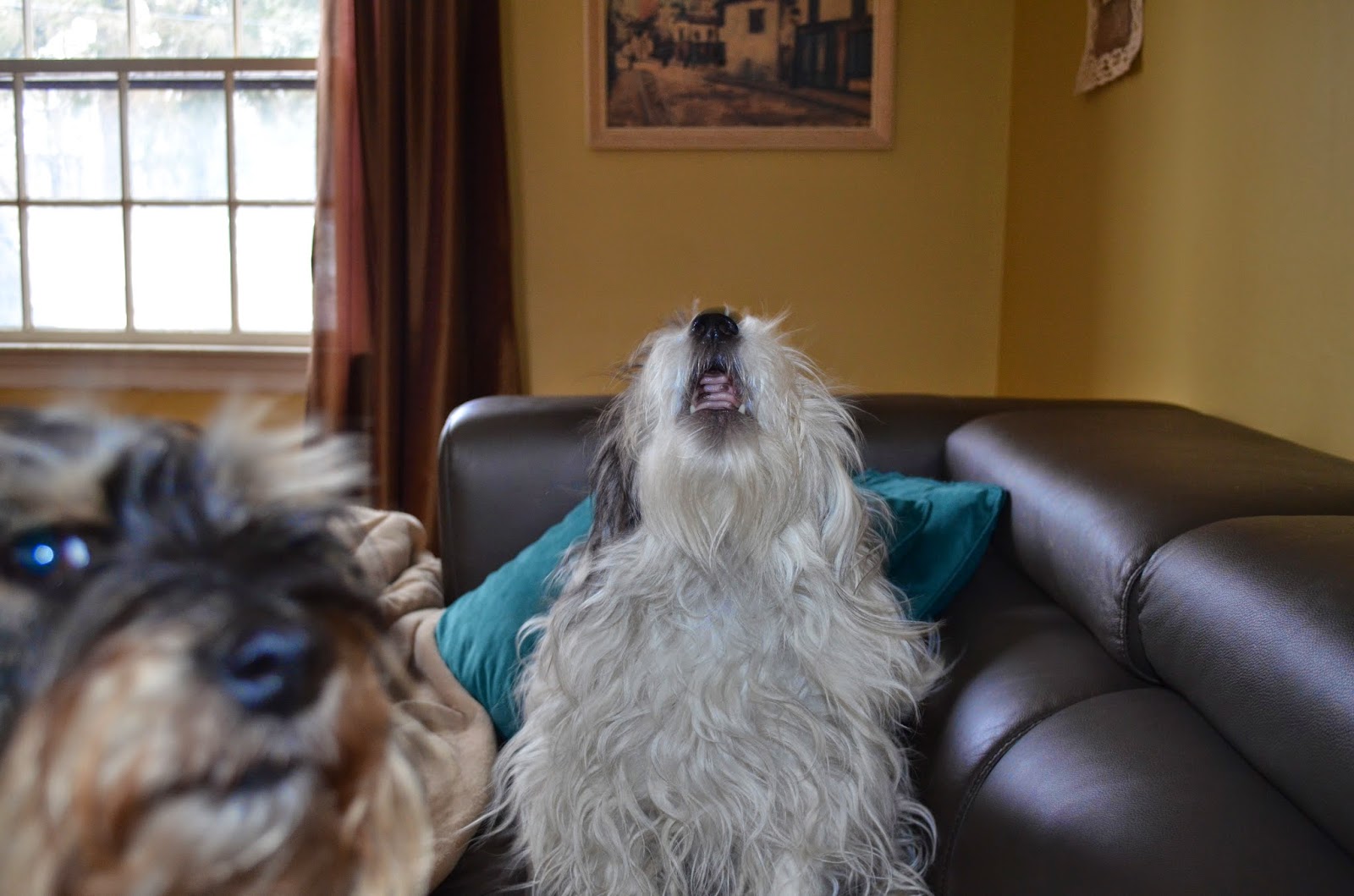
Anthropomorphism—the attribution of human traits, emotions, and intentions to non-human entities—has quietly but profoundly altered the landscape of pet ownership. As society evolves, so too does the way we perceive and interact with our animal companions. This subtle yet pervasive shift in perspective holds the promise of redefining pet ownership, encouraging empathy while challenging long-standing practices. It invites us to reconsider not only how we care for animals but also the underlying motivations and consequences of projecting human qualities onto them.
The Psychological Lure of Anthropomorphism in Pet Ownership
Human beings are innately inclined to attribute human characteristics to animals, especially those with whom they share close bonds. This psychological phenomenon serves as a cognitive shortcut, allowing owners to interpret animal behavior through the familiar framework of human emotions and intentions. While this can deepen emotional connections, it also risks creating misconceptions about the true nature and needs of pets.
For many, seeing their dog’s wagging tail as a smile or their cat’s purring as contentment forges a stronger bond, imbuing daily interactions with warmth and meaning. This lens satisfies a primal human desire for companionship and understanding, transforming pets into surrogate family members or confidants. However, this same lens may obscure genuine animal behaviors pivotal for health and well-being, leading owners to misinterpret signs of stress, illness, or discomfort.
How Anthropomorphism Shapes Evolving Pet Ownership Trends
Contemporary pet ownership trends reveal a growing inclination toward treating pets as quasi-human family members. This metamorphosis is visible in consumer behavior, care practices, and the increasing personalization of pet lifestyles. Pets are no longer merely animals residing in homes; they are participants in human-like experiences, from gourmet diets to social media presence.
Such trends herald a booming market for pet products tailored to human tastes or emotional appeals—luxury apparel, specialized grooming services, and pet tech gadgets that track “well-being” as if pets had human health priorities. These shifts underscore an aspirational aspect of anthropomorphism where owners project their own desires for comfort, attention, and social status onto their pets.
Importantly, this trend also influences decisions like choosing specific breeds based on perceived personality traits or emotional compatibility rather than practical considerations such as temperament or health predispositions. Hence, anthropomorphism subtly redefines the criteria for selecting pets, often prioritizing emotional resonance over biological reality.
The Spiritual and Emotional Dimensions of Anthropomorphism
Anthropomorphism extends beyond physiological and behavioral interpretations; it permeates the spiritual and emotional fabric of pet ownership. In many households, pets symbolize more than mere companions—they are spiritual anchors, sources of unconditional love, and conduits for human emotional expression.
This elevated status fosters a nurturing form of companionship marked by empathetic attunement to a pet’s “inner life.” Owners may believe that their animals possess unique souls or conscious awareness, thus integrating pets into rituals, celebrations, and grief expressions typically reserved for human relationships. This spiritual dimension enriches the human-animal bond but simultaneously raises complex questions about respecting animal autonomy versus fulfilling human emotional needs.
Potential Pitfalls: When Anthropomorphism Clouds Judgement
Despite its advantages, unchecked anthropomorphism can have unintended consequences. Misreading pets’ behaviors through a purely human lens may lead to inappropriate care strategies, such as emotional overfeeding or neglecting species-specific health requirements. It can also foster unrealistic expectations regarding training outcomes or social behaviors, prompting frustration on both sides.
Moreover, excessive humanization risks undermining animals’ natural instincts and welfare. For instance, interpreting a dog’s anxiety as mere “moodiness” might delay professional intervention. Similarly, dressing pets in elaborate costumes or restricting their natural physical activities to satisfy aesthetic preferences can cause distress or physical harm.
Understanding these potential drawbacks encourages a balanced approach—one that honors emotional bonds without sacrificing the integrity of pet well-being. Developing nuanced interpretations informed by ethology and veterinary science is crucial to avoid the pitfalls of anthropomorphic thinking.
Influence on the Pet Industry and Legislative Developments
The surge of anthropomorphic attitudes permeates the pet industry and regulatory frameworks alike. Businesses tap into this trend by marketing products and services laden with emotional resonance, promising pets experiences akin to human lifestyle enhancements. This not only drives economic growth within niche sectors but also reshapes consumer expectations around pet ownership.
Simultaneously, lawmakers increasingly recognize the elevated social status of pets, crafting legislation that reflects their perceived roles as family members. Legal reforms around animal welfare, custody in divorces, and protective laws against abuse reflect a societal shift influenced by anthropomorphic values, illustrating a profound transformation in how the law views animals.
Future Horizons: Redefining Pet Ownership through Conscious Empathy
Looking forward, anthropomorphism offers a dual-edged promise—a chance to deepen empathy and enhance care while necessitating mindfulness to avoid projection-driven errors. The emerging paradigm in pet ownership encourages a conscious empathy that respects animals as distinct beings with their own needs, transcending simplistic human analogies.
This shift may inspire innovative approaches to pet training, healthcare, and socialization that harmonize emotional connection with scientific understanding. As technology advances, tools informed by ethological insights could help owners navigate the delicate balance between affection and respect, fostering healthier, more fulfilling interspecies relationships.
Ultimately, anthropomorphism challenges us to evolve from seeing pets as mere extensions of ourselves into acknowledging them as vibrant, sentient partners. It calls for a sophisticated cultural mindset—where love is informed by knowledge, and care is motivated by respect for the authentic lives of the animals who enrich our human experience.