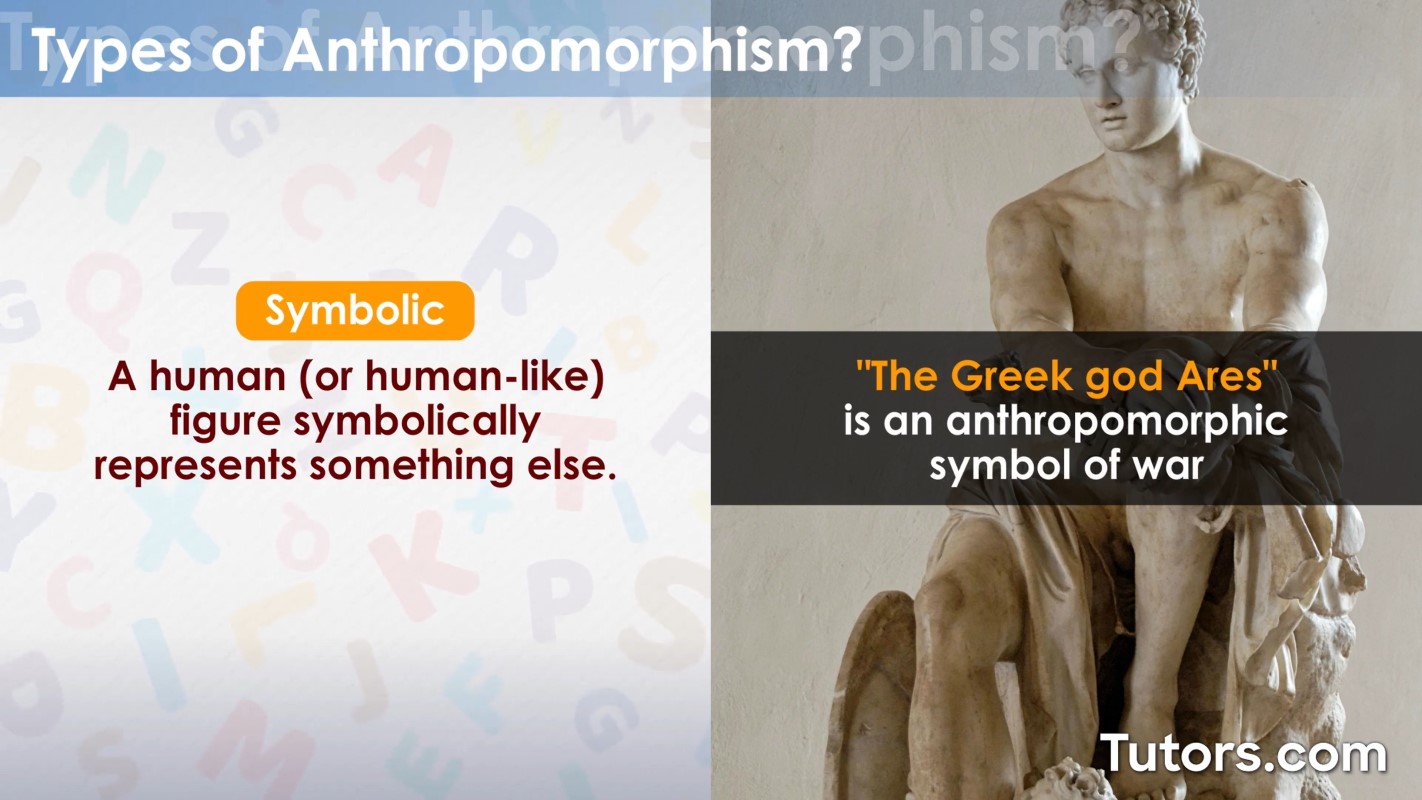
In the throes of a global pandemic, effective communication emerged as a pivotal tool in guiding public behavior, allaying fears, and disseminating crucial health information. Among the myriad strategies employed, anthropomorphism—the attribution of human characteristics to non-human entities—has gained traction as a distinctive approach in pandemic messaging. This article delves into the nuanced role of anthropomorphism in pandemic communication, exploring its various manifestations, psychological impact, and overall efficacy in enhancing public understanding and compliance.
The Conceptual Underpinnings of Anthropomorphism in Communication
Anthropomorphism is far from a novel phenomenon. Rooted in ancient storytelling, it has been a means to humanize the inanimate or abstract, making complex concepts accessible and relatable. In the context of pandemic communication, this approach capitalizes on the human tendency to ascribe emotions, intentions, or agency to viruses, vaccines, or public health measures. This anthropomorphic framing often involves depicting viruses with human facial expressions or assigning intentions to viral mutations, fostering a narrative that goes beyond raw data. By doing so, communicators can create compelling stories that resonate on a personal level, transforming hidden microscopic threats into entities that audiences can comprehend and emotionally engage with.
Visual Anthropomorphism: The Use of Imagery and Graphics
Visual content is paramount in pandemic communication, particularly when addressing diverse audiences with varying degrees of health literacy. Anthropomorphic imagery—such as viruses depicted with menacing eyes or frowning masks—serves as a powerful mnemonic device. These graphics not only capture attention but also synthesize complex scientific realities into digestible visual metaphors. For example, portraying a virus as an adversary imbued with human traits simplifies the abstract nature of contagion and helps frame public health directives as a collective battle against a recognizable foe. Moreover, this strategy can instill urgency without resorting to fear-mongering, striking a delicate balance in public messaging.
Anthropomorphism in Narrative and Messaging: Personifying Public Health Measures
Beyond imagery, linguistic anthropomorphism permeates pandemic discourse. Vaccines may be described as ‘heroes’ saving the population, hand sanitizers ‘fighting’ germs, or social distancing as a ‘shield’ protecting the community. Such personification endows otherwise clinical or technical measures with a relatable vitality. This facet of communication fosters a sense of partnership between individuals and public health tools, cultivating intrinsic motivation for adherence. Psychological research suggests that when entities take on human-like qualities, they become more memorable and influential in shaping behaviors. Consequently, public health messages employing these devices often enjoy higher recall and shared resonance.
Psychological Mechanisms: Why Anthropomorphism Influences Behavior
The psychological efficacy of anthropomorphism hinges on several cognitive principles. Primarily, humans possess an innate propensity to infer intentions and emotions—known as theory of mind—even in non-human agents. This tendency enables audiences to interpret anthropomorphized figures as social actors, which promotes empathy and interpersonal connection. In pandemic contexts, this means people might perceive the virus as a tangible opponent, increasing vigilance and compliance. Additionally, anthropomorphism taps into narrative empathy, encouraging individuals to adopt stories and perspectives that otherwise might seem remote or irrelevant. This powerful engagement mechanism can enhance message salience and motivate protective actions.
Potential Pitfalls: Risks and Misinterpretations of Anthropomorphic Messaging
Despite its strengths, anthropomorphism is not without hazards. Oversimplification can lead to misconceptions, such as perceiving viruses as consciously malicious entities rather than microscopic biological phenomena operating without intent. Such mischaracterizations might fuel unfounded fears or stigmatization. Similarly, anthropomorphic portrayals can inadvertently engender fatalism if the virus is seen as too ‘cunning’ or ‘unstoppable,’ potentially diminishing the perceived efficacy of mitigation efforts. The subtlety of language and imagery thus demands meticulous calibration to ensure messages remain scientifically accurate while emotionally resonant. Without this balance, well-intentioned anthropomorphism risks undermining public trust and compliance.
Evaluating Effectiveness: Empirical Evidence of Anthropomorphism in Pandemic Messaging
Empirical studies assessing the impact of anthropomorphic pandemic communication reveal mixed outcomes, highlighting the importance of context. In some cases, anthropomorphized messages heightened engagement, bolstered information retention, and improved adherence to guidelines. For instance, campaigns that personified vaccination as a protective figure contributed to higher vaccine acceptance in certain demographics. However, other research indicates that the effectiveness is contingent on cultural background, age, and prior beliefs. Younger audiences often respond more favorably to animated or narrative-driven content, while older populations may prefer straightforward, factual information. These findings underscore the necessity for tailored messaging strategies that consider audience heterogeneity and avoid a one-size-fits-all approach.
The Role of Digital and Social Media Platforms in Disseminating Anthropomorphic Content
Digital ecosystems have exponentially expanded the reach and versatility of anthropomorphic pandemic communication. Social media platforms enable the creation and rapid dissemination of memes, animations, and interactive tools that animate viruses and public health agents in imaginative ways. These formats facilitate viral sharing, fostering community discussions and increasing visibility. However, the decentralized nature of these platforms also poses risks, including misinformation propagation and the distortion of anthropomorphic messages. Navigating this landscape requires strategic content curation and partnerships with trusted influencers to amplify accurate and impactful anthropomorphic narratives.
Future Directions: Integrating Anthropomorphism with Multimodal Pandemic Communication
Looking ahead, the integration of anthropomorphism within multimodal pandemic communication can harness emerging technologies such as augmented reality (AR) and virtual reality (VR). These tools offer immersive experiences that personify invisible threats and interventions in compelling ways. Imagine AR applications that visualize the journey of a vaccine inside the body or VR simulations that depict social distancing’s protective effect in a communal setting. Such innovations hold promise for deepening public understanding and promoting health-positive behaviors. Nonetheless, they must be developed responsibly, guided by ethical considerations and rigorous evaluation to ensure inclusiveness and accuracy.
In summation, anthropomorphism in pandemic communication is a double-edged sword—capable of enlivening complex scientific information and fostering emotional connection, yet susceptible to oversimplification and misinterpretation. When harnessed judiciously, this strategy enriches the communicative arsenal, rendering invisible biological phenomena viscerally comprehensible. Its success lies in striking the balance between empathy and accuracy, narrative and data, emotion and rationality. As pandemics continue to challenge global society, anthropomorphism, grounded in thoughtful design and empirical insights, remains an intriguing and potent conduit for public health messaging.