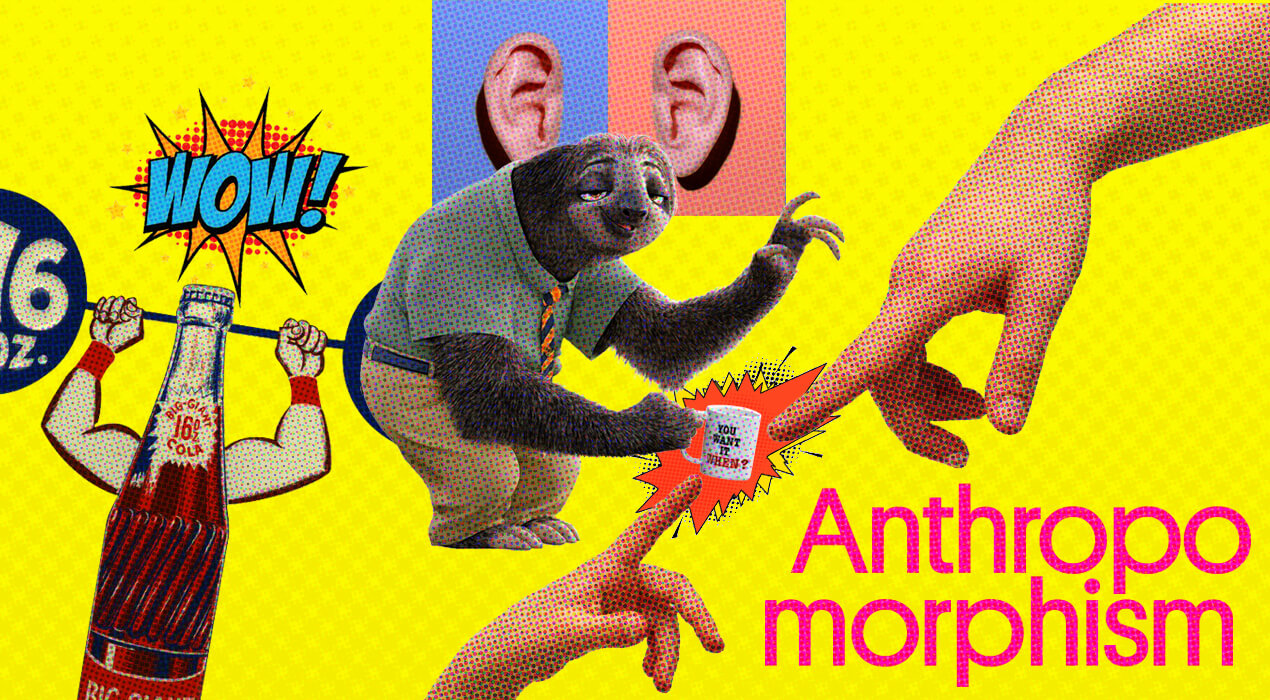
In the ever-evolving landscape of visual branding, a curious phenomenon has taken root—one that blurs the boundaries between the human and the inanimate, the sentient and the synthetic. Anthropomorphism, the attribution of human characteristics to non-human entities, has transcended its historical roots in mythology and folklore to become a cornerstone of modern marketing. As brands increasingly leverage this psychological phenomenon, the future of anthropomorphism in visual branding promises not just innovation, but a profound redefinition of consumer engagement. This transformation is not merely about aesthetics; it is about forging connections that resonate on a primal level, tapping into our innate desire to anthropomorphize the world around us.
The Psychological Allure of Humanizing the Inanimate
Why do we instinctively ascribe emotions, intentions, and personalities to objects, animals, and even abstract concepts? The answer lies in the human brain’s predisposition to recognize patterns and assign meaning where none inherently exists. This cognitive shortcut, known as pareidolia, allows us to perceive faces in clouds or detect agency in inanimate objects—a survival mechanism that once helped our ancestors anticipate threats in their environment. In the realm of branding, this translates into a powerful tool: when a product or mascot appears to “smile” or “express” joy, consumers subconsciously interpret these cues as genuine, fostering trust and emotional investment.
Consider the iconic M&M’s characters—each with distinct personalities, quirks, and even flaws. These anthropomorphized figures do more than entertain; they humanize the product, making it relatable. The deeper reason for our fascination with such representations is rooted in ontological mimicry, a term borrowed from philosophy to describe the human tendency to project our own existence onto the world. Brands that harness this phenomenon don’t just sell products; they sell companionship, turning passive consumers into active participants in a narrative where the inanimate becomes a friend, a guide, or even a confidant.
From Mascots to Metamorphosis: The Evolution of Brand Personas
The journey of anthropomorphism in branding has been nothing short of metamorphic. What began as static, two-dimensional mascots—think the Pillsbury Doughboy or Tony the Tiger—has evolved into dynamic, interactive entities that blur the line between fiction and reality. Today’s brand personas are no longer confined to billboards or cereal boxes; they inhabit digital spaces, social media feeds, and even augmented reality (AR) environments. The rise of virtual influencers, such as Lil Miquela or Shudu Gram, exemplifies this shift. These AI-generated avatars possess human-like features, voices, and backstories, allowing brands to craft narratives that feel eerily authentic.
This evolution is not merely technological but deeply psychological. The shift from static to dynamic anthropomorphism reflects a broader cultural movement toward liquid identity—the idea that personas are fluid, adaptable, and capable of evolving alongside their audiences. Brands that embrace this fluidity can create deeper, more immersive connections. For instance, a virtual influencer might “age” over time, share personal milestones, or even “react” to real-world events, making the brand feel like a living, breathing entity rather than a corporate construct. The deeper reason for this transformation is the human craving for ontological continuity—the need to perceive the world as coherent and meaningful, even in an era of digital fragmentation.
The Ethical Quandary: Authenticity vs. Exploitation
Yet, as anthropomorphism becomes more sophisticated, it also raises pressing ethical questions. When a brand’s mascot “speaks” in a human voice or “expresses” emotions, does it risk crossing into the territory of manipulation? The line between genuine connection and calculated exploitation is thin, and the consequences can be dire. Consumers today are hyper-aware of inauthenticity, and a misstep in anthropomorphic branding can lead to backlash, accusations of uncanny valley creepiness, or even accusations of dehumanizing real individuals by reducing them to caricatures.
Consider the case of chatbots designed to mimic human conversation. While some brands successfully use them to enhance customer service, others have faced criticism for creating bots that feel eerily human, leading to discomfort or distrust. The deeper issue here is the tension between simulation and authenticity. When a brand’s anthropomorphic element feels too real, it risks undermining the very trust it seeks to build. The solution lies in striking a balance—leveraging anthropomorphism to enhance relatability without erasing the boundaries between the human and the artificial. Brands must ask themselves: Are we humanizing our product to create genuine connections, or are we exploiting a psychological shortcut to sell more?
The Role of Technology: AI, AR, and the Blurring of Realities
Technology is the great enabler of anthropomorphism’s future, pushing the boundaries of what is possible in visual branding. Artificial intelligence, for instance, allows brands to create personas that adapt in real-time to consumer interactions, learning and evolving like a living entity. Augmented reality takes this a step further, enabling users to “see” and interact with anthropomorphized products in their own space. Imagine trying on a pair of shoes that “react” to your movements or a virtual assistant that “expresses” emotions based on your tone of voice.
This technological leap is not without its challenges. The more sophisticated the anthropomorphism, the greater the risk of the uncanny valley—that unsettling feeling when something appears almost human but not quite. Brands must navigate this carefully, using technology to enhance relatability without veering into the unsettling. The deeper reason for this technological arms race is the human desire for magical realism—the blending of the ordinary with the extraordinary, where the inanimate briefly comes to life. When executed well, this fusion can create experiences that feel magical, transforming mundane interactions into memorable ones.

Cultural Shifts: Anthropomorphism in a Post-Human World
As society grapples with the implications of artificial intelligence, automation, and digital existence, anthropomorphism takes on new significance. In a world where algorithms and machines increasingly dictate our lives, the act of humanizing non-human entities becomes a form of resistance—a way to reclaim agency and meaning. Brands that tap into this cultural zeitgeist can position themselves as more than just commercial entities; they can become cultural touchstones that reflect our collective anxieties and aspirations.
Consider the rise of eco-conscious branding, where products are anthropomorphized to represent environmental causes. A brand might personify a river as a “guardian” or a forest as a “wise elder,” using anthropomorphism to evoke empathy and urgency. This approach leverages our innate tendency to anthropomorphize not just for commercial gain, but for social good. The deeper reason for this shift is the human need for narrative coherence—the desire to weave our experiences into stories that make sense of an increasingly complex world. Brands that align with this need can foster deeper loyalty and purpose-driven engagement.
The Future Horizon: Where Do We Go From Here?
The future of anthropomorphism in visual branding is a tapestry of innovation, ethics, and cultural evolution. As technology advances, we can expect even more seamless integration of human-like personas into our daily lives—from holographic brand ambassadors to AI-driven avatars that “live” across multiple platforms. The key to success will lie in authenticity, adaptability, and a deep understanding of the psychological forces at play. Brands that master this balance will not only capture attention but also cultivate loyalty in an era where consumers crave genuine connection.
The deeper reason for our enduring fascination with anthropomorphism is, at its core, a reflection of our own humanity. We are storytelling creatures, and we project our stories onto the world around us. In the realm of branding, this means that the most successful campaigns will be those that don’t just mimic humanity, but that resonate with it—creating experiences that feel as real and meaningful as the connections we forge with one another. The future of visual branding, then, is not just about selling products; it’s about selling stories, emotions, and a sense of belonging in a world that often feels increasingly alien.


![Case Study: How [Company] Used Anthropomorphism to Redesign a Product](https://anthropomorphism.org/wp-content/uploads/2026/05/tnswcasestudy-100708061958-phpapp01-thumbnail.jpg)