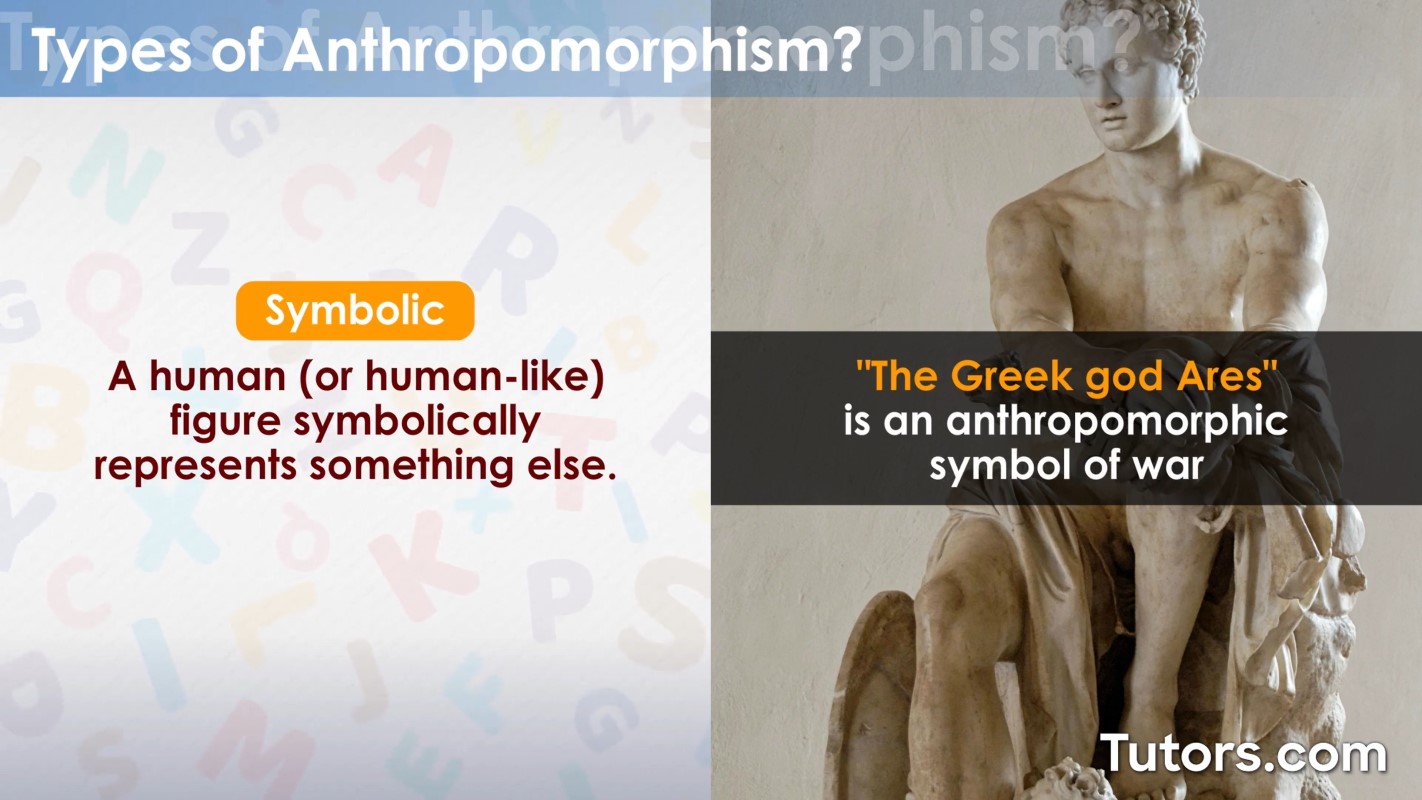
In the vast, ever-evolving landscape of brand identity, few strategies wield the power to transcend mere recognition and forge an emotional connection quite like anthropomorphism. This subtle yet potent technique—embedding human-like qualities into non-human entities—has quietly reshaped the way we perceive and interact with logos. From the mischievous grin of the M&M’s characters to the stoic gaze of the Michelin Man, anthropomorphism doesn’t just adorn a brand; it humanizes it, inviting consumers into a narrative where logos cease to be static symbols and instead become relatable companions. This transformation is not merely aesthetic; it’s a psychological bridge, one that promises to dissolve the cold abstraction of corporate imagery and replace it with the warmth of shared humanity. As we peel back the layers of this design philosophy, we uncover how anthropomorphism in logo design doesn’t just promise familiarity—it delivers a shift in perspective, turning brands into living, breathing entities that resonate on a deeply personal level.
The Alchemy of Humanizing the Inanimate: Why Anthropomorphism Works
At its core, anthropomorphism is an ancient cognitive shortcut—a mental heuristic that allows us to interpret the world through the lens of our own experiences. When a logo adopts human traits—whether through facial expressions, body language, or even narrative roles—it taps into this primal tendency, making the abstract tangible. Consider the evolution of the Twitter bird. Once a simple, static icon, it now perches with a sense of urgency, its beak slightly agape as if caught mid-tweet. This subtle anthropomorphism transforms the bird from a mere symbol into a character, one that embodies the platform’s essence: immediacy, communication, and a touch of whimsy. The magic lies in the subconscious leap we make—we don’t just see a bird; we see a messenger, a friend, a presence.
This psychological phenomenon is rooted in the theory of mind, the human capacity to attribute mental states to others. When a logo exhibits emotions or intentions, we instinctively project our own understanding of those states onto it. A frowning face on a customer service logo doesn’t just indicate dissatisfaction; it becomes a mirror reflecting our own frustrations, making the brand feel accountable. Similarly, a logo with wide, welcoming eyes doesn’t just signal friendliness—it invites us into a silent conversation, as if the brand itself is leaning in to listen. This alchemy of humanization doesn’t just make logos memorable; it makes them moral agents in the consumer’s mind, entities capable of empathy, trust, and even betrayal.
From Mascots to Metaphors: The Spectrum of Anthropomorphic Logos
The application of anthropomorphism in logo design is as diverse as the brands it serves. At one end of the spectrum lie the explicit anthropomorphs—characters that wear their humanity on their sleeves. Think of the Pillsbury Doughboy, a sentient blob of dough with a cheerful demeanor, or the Jolly Green Giant, whose towering, verdant form exudes both strength and benevolence. These logos don’t just represent a product; they become the product’s ambassador, a living embodiment of its values. Their exaggerated features and emotive postures make them instantly recognizable, but more importantly, they make the brand feel approachable, even lovable.
On the opposite end of the spectrum are the subtle anthropomorphs—logos that hint at humanity without fully embracing it. The FedEx logo, with its hidden arrow between the “E” and “x,” is a masterclass in this approach. While not overtly human, the arrow’s dynamic form suggests motion and direction, qualities we associate with human agency. Similarly, the Amazon logo’s smile, formed by the arrow stretching from “A” to “Z,” conveys a sense of satisfaction and completeness, as if the brand itself is pleased with its offerings. These logos don’t need faces or limbs to anthropomorphize; they rely on the gestalt principle of closure, inviting the viewer’s mind to complete the narrative. The result is a logo that feels alive, not because it looks human, but because it behaves as if it possesses intention.
The Emotional Payload: How Anthropomorphism Builds Brand Loyalty
Anthropomorphism doesn’t just make logos visually engaging—it embeds them with emotional payloads that linger in the consumer’s psyche. When a logo exhibits traits like kindness, humor, or resilience, it becomes a vessel for the brand’s personality, a shorthand for the experiences consumers can expect. The Michelin Man, with his tire-like limbs and jovial demeanor, doesn’t just sell tires; he sells reliability and safety, wrapped in a comforting, almost paternal embrace. This emotional resonance is the bedrock of brand loyalty, transforming transactions into relationships. A logo that smiles at us feels like a friend; one that frowns feels like a warning. The more a logo embodies human-like traits, the more it invites us to project our own emotions onto it, creating a feedback loop of attachment.
This phenomenon is particularly potent in industries where trust is paramount. Consider the healthcare sector, where logos often employ anthropomorphic elements to convey care and compassion. A hospital’s logo featuring a stylized human figure with outstretched arms doesn’t just represent medical expertise; it symbolizes healing and comfort. Even in the financial world, where cold rationality often dominates, anthropomorphic logos like the Bank of America’s eagle—perched with a sense of vigilance—lend a touch of guardianship to the brand. These logos don’t just inform; they reassure, turning abstract services into tangible, trustworthy entities. The emotional payload of anthropomorphism is, in essence, a promise: We are not just a brand; we are here for you.
The Pitfalls of Over-Anthropomorphism: When Humanization Backfires
While anthropomorphism is a powerful tool, it is not without its risks. The line between relatable and creepy is perilously thin, and crossing it can turn a logo from a beloved mascot into a source of discomfort. The phenomenon of the uncanny valley—where near-human entities evoke revulsion rather than empathy—serves as a cautionary tale. A logo that attempts to mimic human features too closely, yet fails to achieve perfection, can elicit unease rather than warmth. Consider the infamous uncanny valley logos of the early 2000s, where CGI-inspired characters with exaggerated expressions felt more like digital ghosts than friendly faces.
Moreover, anthropomorphism can inadvertently dilute a brand’s core identity if not executed with precision. A logo that is too cute or playful may undermine a brand’s professionalism, while one that is overly serious might feel stifling. The key lies in striking a balance—aligning the anthropomorphic traits with the brand’s values and audience expectations. A luxury brand, for instance, might opt for a minimalist anthropomorph, such as a sleek, abstract figure that conveys elegance without resorting to overt cuteness. Conversely, a children’s brand might embrace whimsy, using exaggerated features and vibrant colors to evoke joy. The pitfall isn’t anthropomorphism itself, but the failure to tailor it to the brand’s narrative.
Case Studies in Human Connection: Logos That Transcend Symbolism
To truly grasp the impact of anthropomorphism, one need only examine the logos that have left indelible marks on culture. The M&M’s characters are a prime example. Each M&M is a distinct personality—Red is confident and mischievous, Yellow is cheerful and optimistic, and so on. These characters don’t just represent the candy; they embody the joy and indulgence of the product. Their interactions, from playful banter to shared adventures, transform the logo into a mini-narrative, one that consumers eagerly participate in. The result is a brand that feels like a community, where every purchase is a nod to a shared experience.
Another standout is the PlayStation logo, which, while not overtly anthropomorphic, employs a sense of motion and energy that feels almost alive. The abstract “P” and “S” morph into a dynamic, almost dance-like form, suggesting vitality and creativity. This subtle anthropomorphism makes the logo feel like a living entity, one that evolves with the brand’s innovations. Even the Twitter bird, with its ever-changing poses and expressions in various iterations, has become a symbol of the platform’s adaptability and human-centered design. These logos don’t just represent a brand; they become a part of its story, a silent yet eloquent narrator in the consumer’s journey.
The Future of Anthropomorphism: AI, Ethics, and the Next Frontier
As technology advances, the boundaries of anthropomorphism in logo design are expanding into uncharted territory. Artificial intelligence and generative design tools now allow brands to create logos that not only look human but behave human. Imagine a logo that subtly changes its expression based on user interactions—a smile when you engage, a frown when you leave. This dynamic anthropomorphism could redefine brand-consumer relationships, making logos feel like responsive entities rather than static symbols. However, this future also raises ethical questions. If a logo can mimic human emotions, where does the line between design and manipulation blur? Brands must tread carefully, ensuring that anthropomorphism enhances connection without exploiting it.
Another frontier lies in cultural anthropomorphism, where logos adapt their human-like traits to resonate with diverse audiences. A logo that feels welcoming in one culture might feel alien or even offensive in another. The challenge for designers is to create anthropomorphic elements that are universally relatable while remaining culturally sensitive. This requires a deep understanding of semiotics—the study of signs and symbols—and the ability to craft narratives that transcend language barriers. The future of anthropomorphism in logo design isn’t just about making brands feel human; it’s about making them feel human in the right way.
Conclusion: The Silent Revolution of Relatable Brands
Anthropomorphism in logo design is more than a trend; it’s a silent revolution, one that redefines the very nature of brand identity. By infusing logos with human-like qualities, brands don’t just capture attention—they capture hearts. They transform from distant entities into companions, from symbols into stories. This shift in perspective is not merely aesthetic; it’s psychological, emotional, and deeply human. As we move forward, the logos that endure will be those that don’t just represent a brand, but embody it—flaws, quirks, and all. In a world saturated with choices, anthropomorphism offers a promise: Choose us, because we choose you.