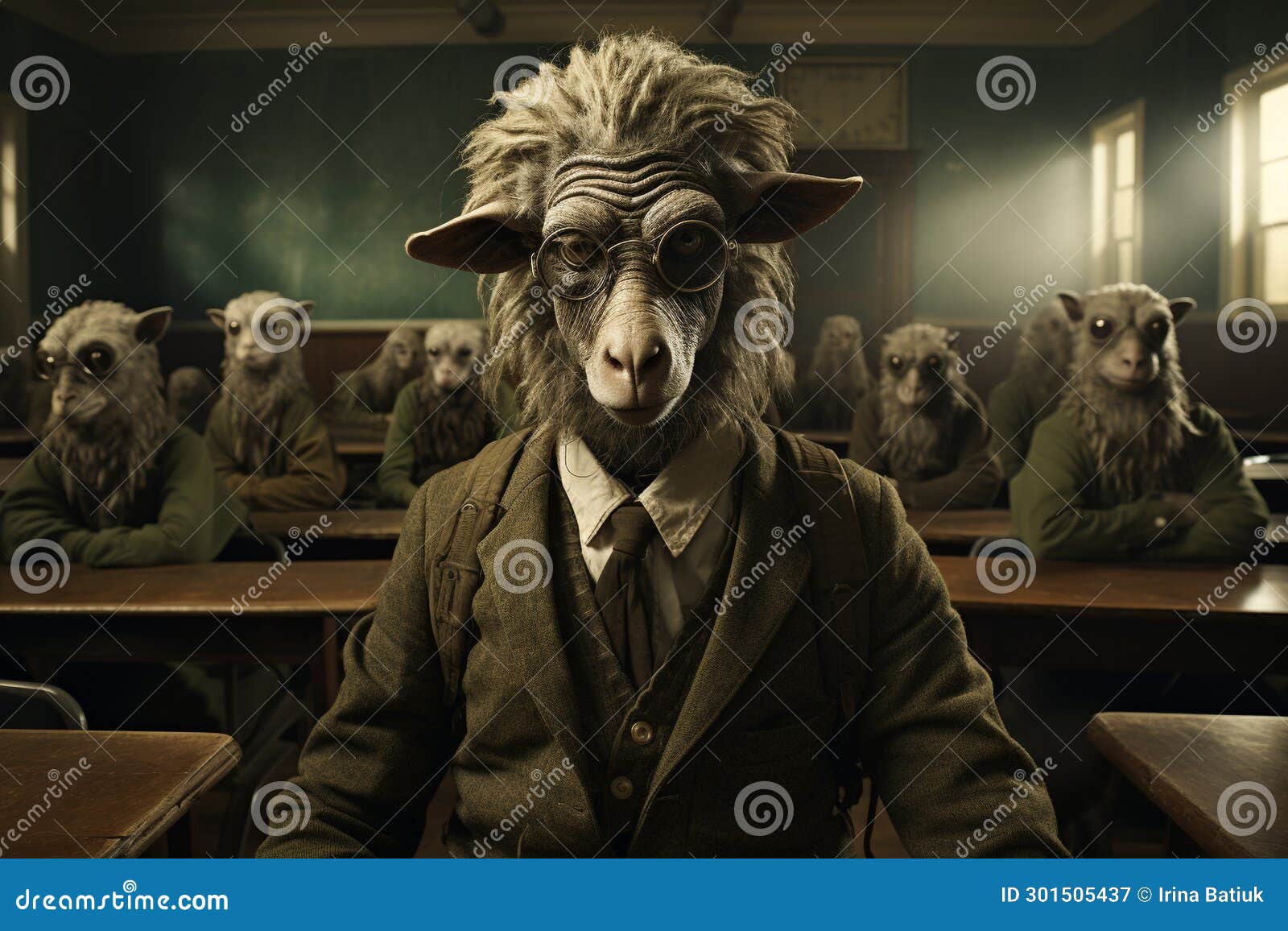
What if the extraterrestrial beings we imagine, those enigmatic visitors from the cosmic sea, were not just bizarre life forms, but rather intricate reflections of ourselves? The psychology of anthropomorphic aliens invites us to consider a playful yet profound challenge: how much do our depictions of aliens reveal about the human psyche, and what can this tell us about identity, fear, and imagination?
The Allure of Anthropomorphism in Alien Depictions
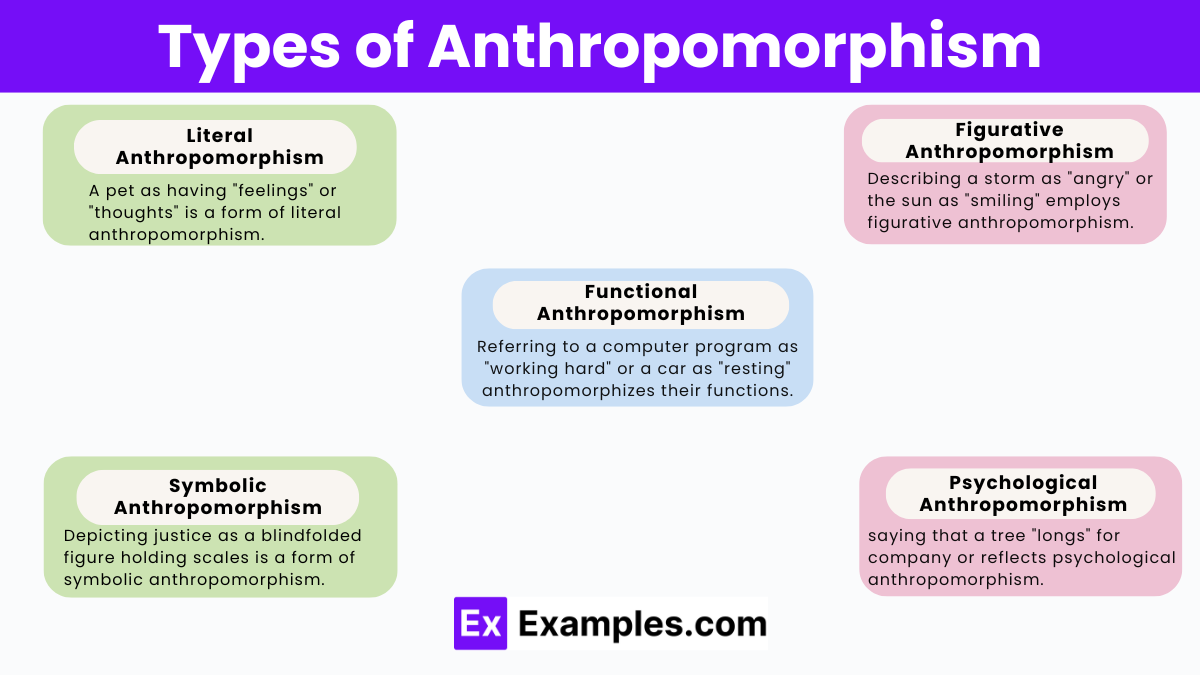
Human beings have an abiding tendency to project familiar human traits onto the unknown, a phenomenon known as anthropomorphism. When applied to extraterrestrials, this psychological impulse transforms the alien into a captivating hybrid—a cipher both foreign and eerily familiar. This nexus of the familiar and the alien tantalizes our minds, offering a bridge between the inscrutable vastness of space and the intimate contours of human experience. By envisioning aliens with humanoid forms or behaviors, we straddle a cognitive boundary, rendering the incomprehensible somewhat digestible.
But why do we so persistently ascribe human features—faces, limbs, eyes—to entities that presumably evolved in utterly different cosmic environments? This impulse stems from a psychological shorthand, driven by our brain’s pattern recognition faculties. Anthropomorphic aliens serve as a cognitive anchor, providing a canvas onto which our hopes, fears, and societal archetypes are painted.
Psychological Significance of Alien Posture and Gestures
Beyond mere appearance, the postures and gestures attributed to these alien figures serve as a semiotic code laden with psychological undertones. Imagine the wild mystical alien anthropomorphic creatures—each stance, each curve of their form, echoes human body language yet defies it simultaneously. Subtle shifts in posture can denote aggression, curiosity, deception, or benevolence, mirroring human social cues while challenging their absoluteness.
From an empathic standpoint, these bodily expressions act as surrogates for communication, inviting observers to decode intentions without the medley of familiar cultural signals. This challenge taps into primal aspects of trust and threat assessment. Thus, alien stances become psychological puzzles—both intriguing and unnerving. Their ambiguous limb articulation triggers a cascade of hypotheses about social hierarchy, intelligence, and motivation, inviting endless speculation on interspecies psychodynamics.
The Cognitive Dissonance of Familiarity Versus Otherness
Encounters with anthropomorphic aliens impart a disconcerting duality: they are simultaneously recognizable and profoundly alien. This juxtaposition engenders a cognitive dissonance that unsettles the observer—an internal conflict between comfort and anxiety. Our brains wrestle with decoding these forms that resemble humans but diverge in critical, essential ways.
The psychological tension here is fertile ground for exploring what it means to be human. By confronting alien others who mimic our shape but not our thought patterns, we are forced to question the universality of human cognition and emotion. This challenge probes the boundaries of identity and empathy, pushing us to reconsider assumptions about consciousness, morality, and social connectedness.
Projection of Human Archetypes onto Alien Personas
Anthropomorphic aliens often embody deep-rooted archetypes, serving as psychological mirrors that reflect societal undercurrents or existential anxieties. They can appear as the “wise other,” the “terrifying invader,” or the “benevolent guide,” each persona tapping into collective unconscious motifs. This symbolic framework facilitates a dialogue between the alien and the human self, where these extraterrestrial figures act as catalysts for self-reflection.
Such projections underscore the mutable interface between imagination and reality. The alien becomes a stage upon which humanity enacts dramas of power, curiosity, fear, and hope. The varying depictions—from ethereal beings to enigmatic warriors—trace a roadmap of evolving collective psyche, revealing shifting cultural paradigms and psychological recalibrations.
The Challenge of Empathy Across Cosmic Divide
One of the most tantalizing psychological quandaries posed by anthropomorphic aliens is the capacity—or incapacity—for empathy. Can empathy stretch across species and planet boundaries? When we attribute human emotions and motivations to an alien, we seed the possibility of understanding. Yet, the actual gulf between us and them may be insurmountable, bounded by radically divergent evolutionary tracks, cognitive architectures, and existential contexts.
This raises profound questions about the mechanisms and limits of empathy: is it an inherently anthropocentric trait tied to shared biology, or a more universal process capable of transcending the specifics of embodiment? Grappling with this challenge broadens the psychological discourse beyond ethnocentrism, nudging philosophical inquiry toward a cosmopsychological horizon—where mind and meaning might be universal substrates, not parochial human privileges.
The Role of Cultural Mythos in Shaping Alien Psychology
Our collective mythologies serve as a crucible for the psychology of anthropomorphic aliens. Folklore, religion, and science fiction literature intertwine, generating an evolving mythology that informs how these beings are imagined. These cultural narratives embed psychological motifs that reflect and shape societal values, fears, and aspirations.
Consider the influence of cinematic portrayals and graphic representations, which sculpt the contours of alien psychology for mass audiences. These visual and narrative forms reinforce archetypal roles, while simultaneously adapting to contemporary psychological climates. They act as vectors for cultural dialogue, enabling successive generations to renegotiate their understanding of otherness and selfhood through the prism of extraterrestrial imagination.
Implications for Understanding Human Identity
Ultimately, the psychology of anthropomorphic aliens is less about the beings themselves and more about the labyrinthine nature of human identity. By engaging with imagined extraterrestrials, we embark on a journey into the psyche’s shadowy territories, confronting the limits of perception, empathy, and cognition.
This exploration reveals the elasticity of identity—how it can encompass the alien within, and how cultural and psychological frameworks mediate the dance between self and other. In this sense, anthropomorphic aliens act as psychospiritual waypoints, guiding us through the cosmos of our inner worlds as we search for meaning in an ever-expanding universe.