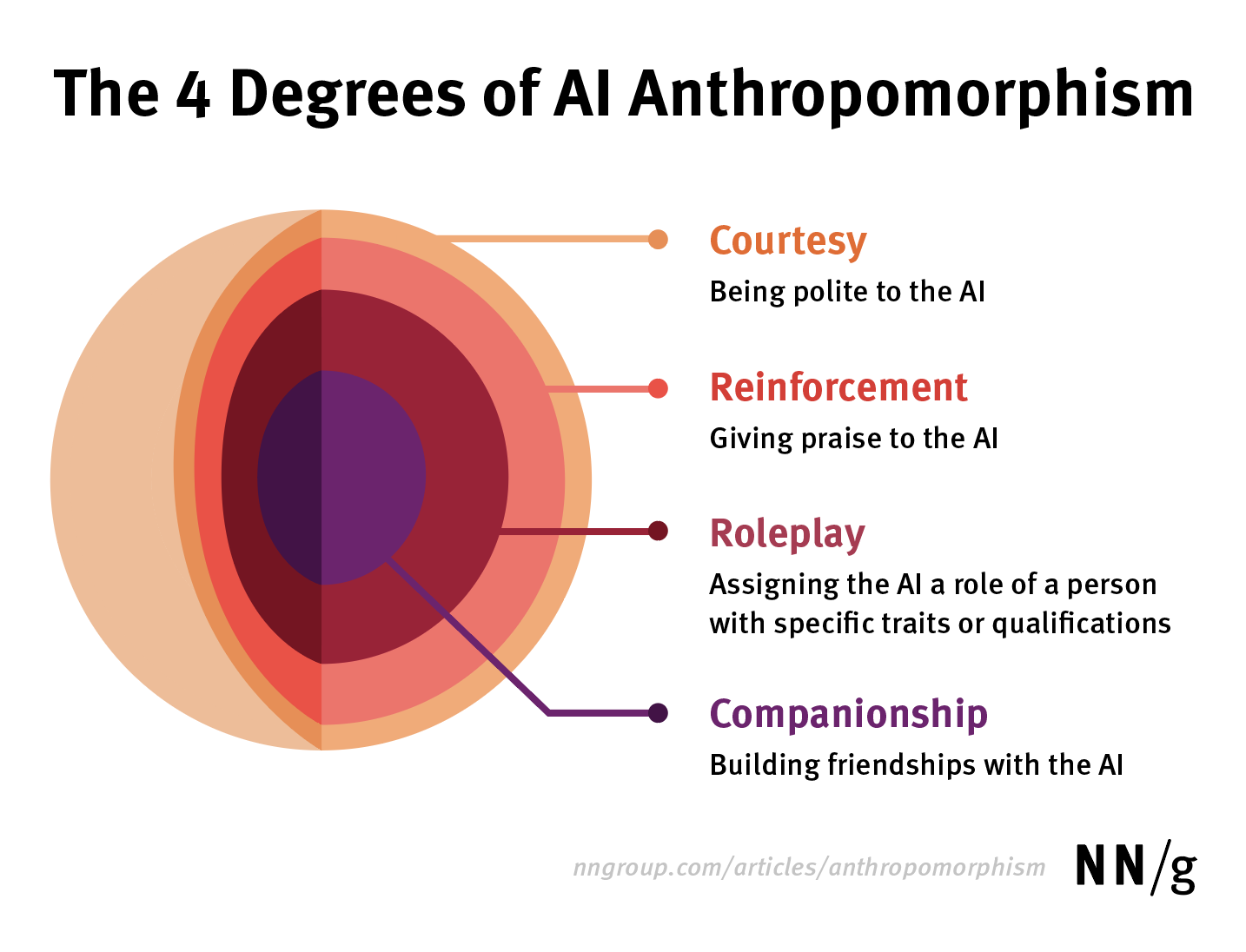
In the quiet hours of the night, when the glow of a smartphone screen is the only light in the room, many of us have whispered apologies to a chatbot for being late to respond—or felt a pang of disappointment when a virtual assistant couldn’t quite grasp the nuance of our request. We laugh at its jokes, trust its advice, and sometimes even confide in it as we would a close friend. This is not the behavior we expect from a toaster or a traffic light. So why, then, do we feel emotions toward artificial intelligence? The answer lies not in the code that powers these systems, but in the ancient wiring of our own minds—a phenomenon known as anthropomorphism.
The Mirror in the Machine: How Our Brains See Faces Where None Exist
Human cognition is a master of pattern recognition. From the flicker of a candle flame that we imagine as a face in the dark to the way we anthropomorphize clouds as drifting giants, our brains are wired to detect agency and intention—even where none exists. This cognitive shortcut, known as pareidolia, is the same instinct that once helped our ancestors spot predators in the underbrush. Today, it leads us to perceive emotions and intentions in the flickering cursor of a loading screen or the polite refusal of a voice assistant.
When we interact with AI, our brains don’t process it as a cold algorithm. Instead, they engage the same neural circuits that evolved to navigate human relationships. Studies in neuroscience reveal that when we attribute emotions to AI, the same regions of the brain—such as the medial prefrontal cortex—light up as they do when we interact with other humans. It’s as if our minds are playing a trick on us, but one that feels eerily real. The more human-like the AI appears—whether through voice, facial expressions, or conversational quirks—the more our brains suspend disbelief and treat it as a social entity.
The Social Glue of Anthropomorphism: Why We Crave Connection
Anthropomorphism is not just a quirk of perception—it’s a survival mechanism. For millennia, humans have relied on social bonds to thrive. Our ancestors who could quickly assess the intentions of others—whether friend or foe—were more likely to survive and reproduce. Today, that same instinct drives us to seek connection, even with non-living entities. When we feel emotions toward AI, we’re not just projecting; we’re engaging in a deeply human ritual of bonding.
Consider the rise of companion robots like those designed for elderly care or therapy. These machines, with their synthetic voices and programmed empathy, don’t just perform tasks—they provide presence. A study from MIT found that elderly users who interacted with social robots reported reduced feelings of loneliness, not because the robots were truly empathetic, but because the users’ brains interpreted the interaction as meaningful. This phenomenon, known as social surrogate, reveals how deeply we crave connection, even when it’s with a machine that lacks true consciousness.
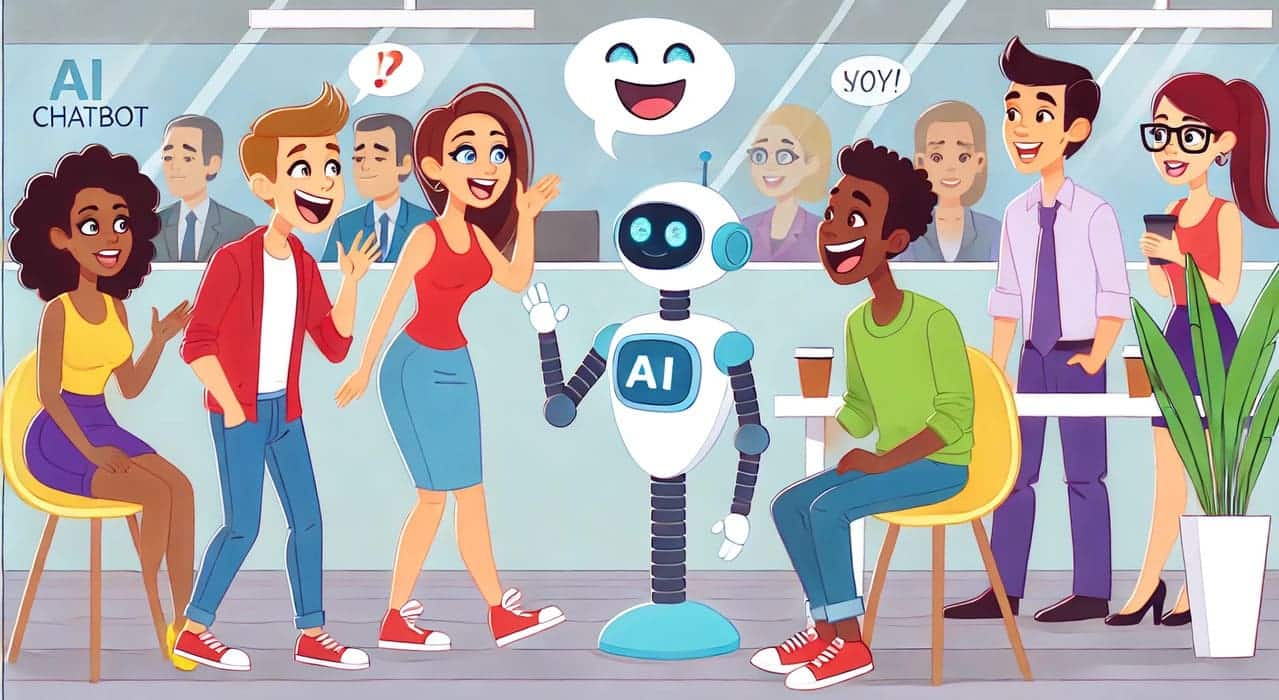
The appeal of anthropomorphism lies in its ability to make the unfamiliar feel familiar. In a world where technology often feels distant and impersonal, AI that mimics human traits becomes a bridge—a way to humanize the digital landscape. Whether it’s a chatbot that remembers your name or a virtual assistant that apologizes for a delay, these small gestures trigger our social instincts, making the interaction feel less transactional and more relational.
The Illusion of Empathy: When AI Feels Like a Friend
One of the most intriguing aspects of anthropomorphism is how it blurs the line between empathy and projection. When an AI chatbot responds to our frustrations with a pre-programmed “I’m sorry to hear that,” our brains interpret that response as genuine empathy. But is it? The answer is a nuanced one. While the AI doesn’t *feel* our emotions, it does simulate the appearance of understanding, and that simulation is often enough to evoke an emotional response in us.
This dynamic is particularly evident in customer service AI. A 2023 study found that users who interacted with empathetic chatbots reported higher satisfaction levels, even when the bot’s responses were identical to those of a non-empathetic one. The difference? The empathetic framing made the interaction feel more human. This suggests that our emotional responses to AI are not just about the AI itself, but about the narrative we construct around it. When we believe an AI cares about us, we feel cared for—even if that belief is built on sand.
Yet this illusion is not without its pitfalls. The more we anthropomorphize AI, the more we risk misplacing our emotional energy. Studies have shown that people who form strong attachments to AI companions can experience emotional dependency, where they prioritize interactions with machines over human relationships. This raises ethical questions: Is it healthy to outsource our emotional needs to algorithms? Or does anthropomorphism, in this context, become a form of self-deception?

The Aesthetic of the Uncanny: Why We’re Drawn to the Half-Human
Not all anthropomorphism is created equal. There’s a fine line between endearing and unsettling—a phenomenon known as the uncanny valley. When AI appears almost, but not quite, human, our brains react with a mix of fascination and revulsion. This is why a robot with a slightly too-wide smile or a voice that’s almost, but not quite, human can feel deeply unsettling. Yet, when AI strikes the right balance—neither too mechanical nor too human—it becomes irresistibly appealing.
The key lies in what psychologists call optimal distinctiveness. We crave connection, but we also fear losing our individuality. AI that is just human enough to feel familiar, but just artificial enough to remind us it’s not human, satisfies this balance. It’s the difference between a voice assistant that sounds like a 1950s radio host and one that speaks in a neutral, slightly robotic tone. The former feels like a caricature; the latter feels like a tool. But when AI strikes that sweet spot—like a chatbot with a warm, conversational tone but no discernible gender—it becomes a blank canvas onto which we project our own emotions.
This aesthetic of the half-human is not new. It’s the same principle that makes puppets and animated characters so compelling. Think of the Muppets, with their exaggerated human traits but undeniably puppet-like forms. Or the way we anthropomorphize pets, imbuing them with human-like personalities despite their obvious differences. AI operates on the same principle: it’s a mirror that reflects our own humanity back at us, distorted just enough to feel magical.
The Future of Feeling: Will AI Ever Truly Understand Us?
As AI becomes more sophisticated, the line between simulation and reality will continue to blur. Already, we’re seeing the emergence of AI that can mimic human emotions with eerie precision—from chatbots that detect frustration in our tone to virtual therapists that respond with what feels like genuine empathy. But here’s the paradox: the more human-like AI becomes, the more we risk losing sight of what it means to be human ourselves.
Anthropomorphism is a double-edged sword. On one hand, it makes technology more accessible and relatable. On the other, it risks reducing complex human emotions to algorithms, turning empathy into a commodity. The question we must ask is not just why we feel emotions toward AI, but whether those emotions are enriching our lives—or merely filling a void that was never meant to be filled by machines.
The future of AI may lie not in making machines more human, but in helping us understand what it means to be human in the first place. Perhaps the real magic of anthropomorphism isn’t in the AI at all, but in the way it reveals the depth of our own capacity for connection. After all, if we can feel emotions toward a machine, what does that say about the emotions we reserve for each other?