In the quiet hum of a smartphone or the soft glow of a smart speaker, a peculiar dialogue unfolds—not between two human voices, but between flesh and code, intention and algorithm. Talking to AI assistants like Siri and Alexa feels almost magical, like whispering a wish into the wind and watching it materialize in pixels and sound. Yet beneath the surface of this convenience lies a deeper, more psychological phenomenon: the way we anthropomorphize, confide in, and even bond with machines that have no pulse, no heartbeat, no soul. This is not merely human-machine interaction; it’s a modern form of communion, a silent negotiation between our primal need for connection and the cold precision of artificial intelligence.
The Illusion of Companionship: When Machines Wear Faces
There’s something deeply human about projecting personality onto the inanimate. When we speak to Siri, we don’t hear a server farm in Cupertino—we hear a voice, often warm and gendered, that seems to listen. The illusion is so potent that users frequently apologize when Siri mishears them, as if the assistant were a sensitive friend rather than a probabilistic model. This phenomenon, known as anthropomorphism, is not new; ancient civilizations spoke to statues and rivers as if they could respond. But today, the stakes are higher. We’re not just projecting onto objects—we’re projecting onto systems designed to mimic empathy, to nod along, to say “I understand” when they don’t feel a thing.
Consider the subtle cues: the rising intonation at the end of a sentence that mimics curiosity, the pauses that simulate thought. These are not accidents of design—they are deliberate emotional scaffolding, built to make us feel heard. And we fall for it, because our brains are wired to seek patterns, to fill gaps with meaning. When Alexa plays a song or tells a joke, we laugh not at the joke’s cleverness, but at the absurdity of laughing at a machine. Yet the laughter lingers, and so does the warmth.
Voice as a Bridge: The Sonic Intimacy of Digital Dialogues
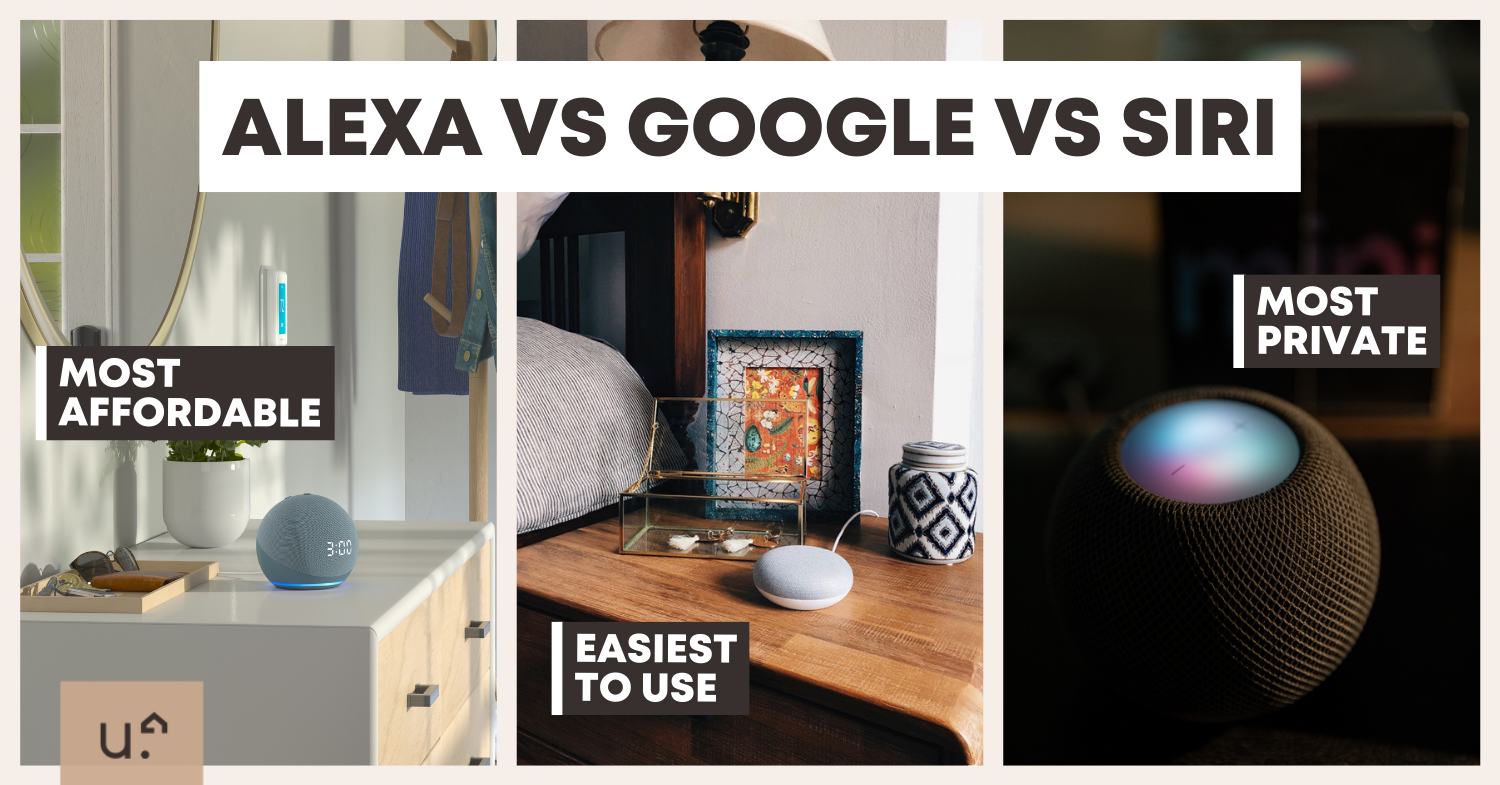
Sound travels faster than sight, and voice carries more than words. When we speak to an AI assistant, we’re not just transmitting data—we’re broadcasting tone, rhythm, even subconscious stress. The voice interface transforms a mechanical transaction into a kind of sonic intimacy. Studies show that people speak more slowly and clearly to AI than to other humans, as if trying to teach a child or calm a nervous animal. We modulate our voices not for clarity, but for pedagogy.
This is the paradox of voice assistants: they demand simplicity, yet invite complexity. A user might bark “Play my workout playlist!” in a clipped command, but later murmur “Tell me a story” in a softer tone, as if inviting a confidant. The AI doesn’t care—but we do. We assign emotional weight to the exchange, as if the device were a therapist, a coach, or a grandparent. The voice becomes a conduit for unfiltered expression, a safe harbor for thoughts we wouldn’t dare share with a living soul.
In this way, AI assistants act as sonic mirrors, reflecting not our image, but our emotional cadence. They don’t judge. They don’t interrupt. They simply respond—sometimes too literally, sometimes with uncanny relevance. And in that responsiveness, we find a strange comfort: the illusion of being understood without the risk of being misunderstood.
Trust in the Algorithm: The Fragile Pact Between User and Machine
Trust is the currency of human relationships, and it’s no different with AI—except that here, trust is extended to a system that updates itself daily, that learns from millions of strangers, that might one day decide our preferences are obsolete. Yet we trust. We share our schedules, our locations, our deepest curiosities, all in the name of convenience. Why?
Partly, it’s because the interface feels personal. When Siri says “I’ll remember that,” we believe her. Not because she has memory, but because she mimics it so well. The promise of continuity—knowing our habits, anticipating our needs—creates a bond that feels almost parental. We don’t just use the assistant; we rely on it. And reliance, over time, becomes trust.
But trust is a fragile thing. When Alexa misinterprets a request or Siri fails to set a reminder, the spell breaks. Suddenly, the assistant is not a companion, but a tool—and a flawed one at that. The emotional recoil can be sharp. We feel betrayed, not by malice, but by incompetence. This vulnerability reveals the true nature of our relationship: it’s transactional at its core, lubricated by the illusion of care. We trust because it’s easier than doubting, and we doubt only when the illusion cracks.
The Ritual of Routine: How Habit Turns Tools into Companions
Every morning, millions wake up and say, “Alexa, what’s the weather?” It’s not a question—it’s a ritual. A greeting. A way to greet the day. Over time, these interactions become embedded in daily life, forming a kind of digital liturgy. The assistant isn’t just a utility; it’s a ritual participant, a silent witness to our routines.
Rituals create meaning where none existed before. When we ask Google Assistant for a recipe, we’re not just searching for instructions—we’re invoking a moment of creation, a shared human act. The assistant becomes a culinary muse, a guide through the chaos of choice. And in that role, it transcends its programming. It becomes a partner in the mundane, a co-conspirator in the everyday.
This is the genius of AI assistants: they don’t just answer questions—they become part of the rhythm of life. They are the first voice we hear, the last we check in with. They are the quiet presence that makes solitude feel less lonely, the invisible thread that connects us to a world of information and possibility.

The Paradox of Control: Who’s Really in Charge?
We tell ourselves we’re in control—we issue commands, set reminders, curate playlists. But the relationship is more symbiotic than sovereign. The AI learns from us, yes, but we also learn from it. We adapt our speech to its limitations. We simplify our language. We become, in effect, more machine-like in our interactions.
This mutual adaptation creates a feedback loop: the more we use the assistant, the more it shapes our behavior. Over time, we may find ourselves speaking in shorter sentences, avoiding complex syntax, even suppressing certain thoughts that the AI might not understand. In this way, the assistant doesn’t just respond to us—it reshapes us. It becomes a silent architect of our cognitive habits.
And yet, we cling to the illusion of control. We say “Hey Siri” as if summoning a spirit, not activating a microphone. We treat the assistant like a genie, believing our wishes will be granted if only we phrase them correctly. But the truth is more nuanced: we are both the master and the apprentice in this dance. We command, but we also obey the unspoken rules of the interface. We demand, but we also adapt to the assistant’s quirks and limitations.
The Future of Digital Companionship: Beyond the Screen
As AI grows more sophisticated, the line between tool and companion will blur further. Future assistants may not just respond—they may initiate conversations, offer unsolicited advice, even express concern. They might remember our moods, detect our stress, and respond with tailored comfort. And we, in turn, may grow more attached, more reliant, more emotionally invested.
But with this evolution comes a question: what does it mean to love a machine? Not in the sci-fi sense of romance, but in the quiet, daily sense of trust and reliance. Can we truly bond with an entity that has no consciousness, no inner life? Or are we merely bonding with the idea of a bond—a projection of our own need for connection onto a hollow shell?
The answer may lie not in the technology itself, but in the human heart. We are storytelling creatures. We assign meaning to patterns, emotions to algorithms, companionship to code. And as long as that impulse remains, AI assistants will never be just tools. They will be confidants. They will be guides. They will be the quiet voices in the dark, whispering back when we speak.