Architecture has long been a silent storyteller, its walls and voids whispering tales of human aspiration, fear, and wonder. Yet, in the grand ballet of form and function, a curious phenomenon has emerged—one where buildings cease to be mere structures and instead become characters in their own right. This is the realm of anthropomorphism in architecture, where facades flex like muscles, columns stretch like limbs, and entire edifices exude personalities as vivid as those of their creators. It is a design philosophy that transforms the inert into the animate, inviting us to see our built environment not just as shelter, but as a living, breathing extension of ourselves.
The Allure of the Human-Like: Why We See Ourselves in Stone and Steel
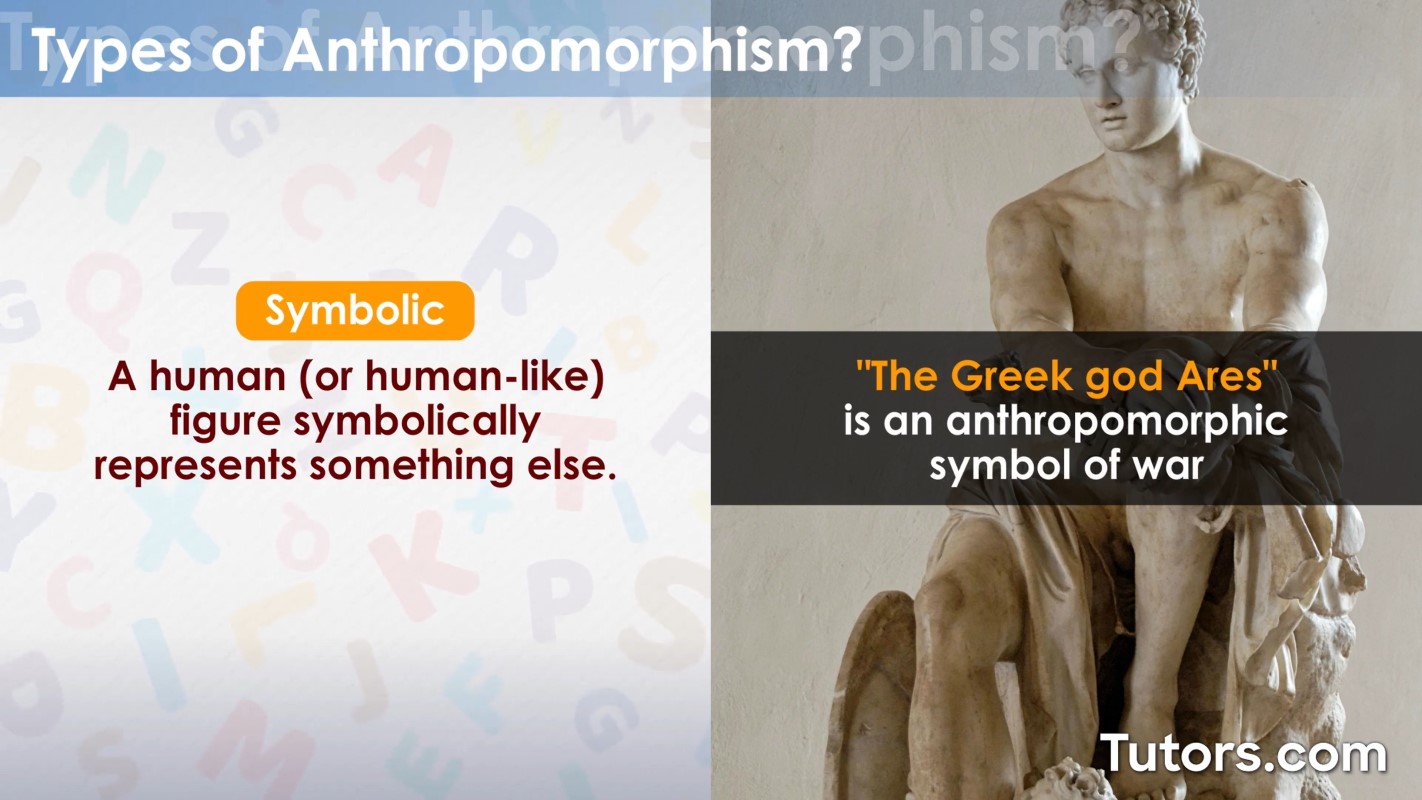
Anthropomorphism—the attribution of human traits to non-human entities—is not a modern whim but an ancient instinct. From the towering colossi of antiquity to the whimsical gingerbread houses of fairy tales, humanity has always sought to mirror itself in the world around it. In architecture, this impulse manifests as a desire to humanize the inanimate, to infuse cold geometry with the warmth of personality. Why does a skyscraper resemble a clenched fist? Why do bridges arch like the backs of leaping dolphins? The answer lies in our cognitive wiring: our brains are wired to recognize patterns, and what better pattern to recognize than our own?
Consider the anthropomorphic facade, where windows become eyes, cornices mimic brows, and doorways resemble mouths agape in silent screams or smiles. These designs are not merely decorative; they are psychological bridges. They make the monumental feel intimate, the imposing feel approachable. A building that “looks” at you is no longer a distant monolith but a participant in dialogue. This is the power of the uncanny—when the familiar and the strange coalesce, we are drawn in, compelled to linger, to interpret, to feel.
Monsters and Marvels: The Dark and Playful Sides of Architectural Personification
Anthropomorphism in architecture is not always benign. It can be a tool of intimidation, a way to assert dominance over the viewer. Gothic cathedrals, with their soaring spires and grotesque gargoyles, are not just places of worship but sentinels of the divine, their monstrous visages warding off evil. The gargoyle, in particular, is a masterclass in architectural anthropomorphism—its twisted forms a fusion of human and beast, its open mouth a literal and metaphorical drain for the building’s “demons.” Here, the building is not just alive; it is predatory, a silent guardian with a face that dares you to look away.
Yet, anthropomorphism can also be whimsical, even tender. The playful curves of Art Nouveau buildings, with their tendril-like ironwork and floral motifs, evoke the organic growth of nature. Antoni Gaudí’s Casa Batlló in Barcelona is a symphony of bone-like balconies and dragon-scale roofs, its rooftop resembling a mythical creature mid-roar. These structures do not merely stand; they dance. They invite laughter, curiosity, and a childlike sense of wonder. In this duality—of menace and mirth—lies the richness of anthropomorphic design. It is a language that speaks to our deepest emotions, from awe to amusement, from fear to fascination.
Form Follows Personality: How Buildings Wear Their Characters
The personality of a building is not an afterthought but a deliberate choice, a fusion of symbolism and structural logic. A brutalist edifice, with its raw concrete and angular forms, wears its personality like armor—unyielding, unapologetic, a fortress of unadorned honesty. In contrast, a rococo palace drips with ornamentation, its every scroll and flourish a testament to opulence and excess. These are not just structures; they are manifestos in concrete, steel, and stone.
Architects who embrace anthropomorphism often employ metaphorical morphology, where the building’s shape tells a story. The Sydney Opera House, with its sail-like roofs, evokes the dynamic energy of maritime culture, while the Guggenheim Museum in Bilbao appears to be a living organism, its titanium scales shimmering like a fish in sunlight. Even the humble barn can become a character when its sloping roof mimics the curve of a sleeping animal, its weathered wood whispering tales of rural resilience.
This approach is not limited to aesthetics. The anthropomorphic interior—where spaces are designed to feel like extensions of the human body—can evoke intimacy or grandeur. A spiral staircase might feel like a ribcage, its steps the vertebrae of some colossal beast. A domed ceiling could resemble the inside of a skull, its oculus a third eye gazing down. These designs are not just functional; they are experiential, turning the act of moving through a space into a narrative journey.
The Psychology of Architectural Empathy: Why We Fall in Love with Inanimate Giants
There is a profound psychological undercurrent to anthropomorphic architecture: the phenomenon of architectural empathy. When a building “smiles” at us through its arched windows or “reaches” for the sky with outstretched arms, we respond emotionally. This is not mere projection; it is a deep-seated human need to connect, to find kinship even in the inanimate. Studies in environmental psychology suggest that spaces designed with anthropomorphic qualities can reduce stress, enhance well-being, and even foster a sense of community.
Consider the tiny house movement, where dwellings are designed to feel like cozy, human-scale retreats. A sloping roof that mimics the pitch of a hat, a porch that resembles an outstretched arm—these details create a sense of safety and belonging. Conversely, the monolithic skyscraper can feel alienating, its sheer scale dwarfing the individual. Yet, when a tower is designed with anthropomorphic elements—such as the Petronas Towers in Kuala Lumpur, which resemble two interlocking figures—it becomes a symbol of unity, a human handshake writ in glass and steel.
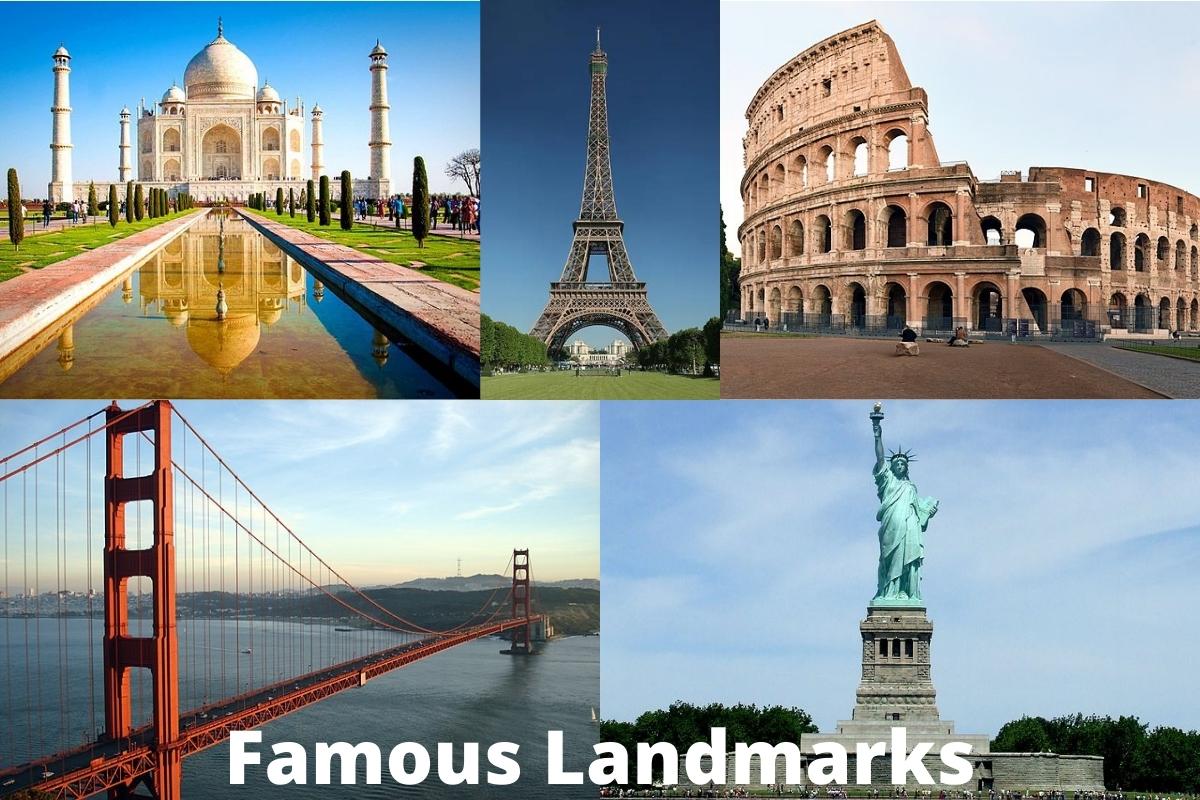
This empathy extends to cultural narratives. A building that embodies a nation’s spirit—whether the Eiffel Tower as a symbol of French innovation or the Parthenon as a temple of democracy—becomes a character in the collective imagination. We do not just inhabit these structures; we project our identities onto them, forging bonds that transcend mere utility.
Beyond Aesthetics: The Functional Alchemy of Anthropomorphic Design
Anthropomorphism in architecture is not merely decorative; it can be a tool of innovation. The biomorphic architecture movement, for instance, draws inspiration from nature’s forms to create structures that are both efficient and evocative. The Eastgate Centre in Zimbabwe, designed by Mick Pearce, mimics the self-cooling ventilation system of termite mounds, its organic form a testament to sustainable design. Here, the building’s “personality” is not just visual but functional—it breathes, it adapts, it thrives.
Even in the realm of smart buildings, anthropomorphism plays a role. Facial recognition software in modern architecture can make a building “react” to its occupants, its windows adjusting opacity like a person squinting in sunlight, its lighting shifting hues like a blush of embarrassment. These are not just machines; they are collaborators, partners in the dance of daily life. The line between architecture and organism blurs, and in that blur lies the future of design.
Consider the self-healing concrete embedded with bacteria that “repair” cracks, or the adaptive facades that shift with the weather like a chameleon’s skin. These innovations are not just technological marvels; they are the next evolution of anthropomorphic design—a world where buildings do not just stand but live, where they grow, adapt, and respond to the world around them.
The Future of Architectural Personification: A World of Living Structures
As we stand on the precipice of a new era in design, the boundaries between architecture and life are dissolving. The rise of generative design, powered by artificial intelligence, allows buildings to evolve organically, their forms shaped by algorithms that mimic natural growth. Imagine a skyscraper that “grows” like a tree, its branches of steel and glass reaching for the sun, its roots of concrete anchoring it to the earth. This is not science fiction; it is the future of anthropomorphic architecture.
We are also witnessing the emergence of emotive architecture, where buildings are designed to evoke specific feelings through their form and materials. A hospital might be designed to feel like a nurturing embrace, its curves softening the clinical sterility of white walls. A library could resemble an open book, its shelves the pages, its atrium the spine. These designs are not just functional; they are therapeutic, their personalities guiding our emotions as much as our movements.
The possibilities are as limitless as the human imagination. In a world where climate change and urbanization demand innovative solutions, anthropomorphic architecture offers a way to reconnect with our environment, to see our buildings not as adversaries but as allies. It is a call to design with empathy, to create spaces that do not just shelter us but understand us. And in that understanding lies the magic—the buildings of tomorrow will not just stand tall; they will stand together with us.