Anthropomorphism, the attribution of human traits, emotions, or intentions to non-human entities, is a concept that extends well beyond its traditional psychological boundaries. When applied to leadership, it morphs into a fascinating paradigm influencing how leaders are perceived and how team motivation is cultivated. This narrative explores the subtle yet profound ways anthropomorphism in leadership shapes motivational dynamics, offering a comprehensive examination of its psychological underpinnings, practical applications, and potential ramifications within organizational settings.
The Psychological Substrate of Anthropomorphism in Leadership
At the core of anthropomorphism in leadership lies a cognitive inclination that propels individuals to seek familiarity and emotional resonance in their environment. Leaders who exhibit qualities or behaviors that align with human-like attributes—such as empathy, warmth, and intentionality—tap into a psychological framework that fosters identification and emotional bonding. This, in turn, engenders a fertile ground for motivation. When team members perceive their leader as possessing relatable human attributes, they are more likely to internalize shared goals and feel a heightened sense of belonging.
This cognitive-emotional synergy is bolstered by mirror neuron mechanisms, whereby observing human-like traits in leaders activates empathetic circuits within the team. Such neurological engagement facilitates emotional contagion, enhancing the collective motivation to pursue organizational objectives. Consequently, anthropomorphism acts as a conduit for translating abstract leadership concepts into tangible motivational forces within teams.
Anthropomorphic Leadership Archetypes and Their Motivational Impacts
Leadership rarely fits a singular mold, and anthropomorphism manifests through a spectrum of archetypes, each wielding distinct motivational effects. The Mentor archetype, characterized by nurturing and guiding gestures, leverages anthropomorphic qualities to evoke trust and personal growth aspirations. Team members inspired by Mentor-like leaders often display increased intrinsic motivation, driven by a desire for self-improvement and mastery.
Conversely, the Visionary archetype imbues leadership with forward-looking human intent, inspiring motivation through hopeful anticipation of future success. The humanized vision conjured by such leaders stimulates aspirational drives within the team, aligning personal ambition with collective mission.
Further, the Protector archetype, with its emphasis on safeguarding and advocacy, cultivates psychological safety—a critical ingredient in motivation. Anthropomorphic leader behaviors that signal protection and reliability diminish anxiety and hesitation among team members, thus unleashing their full performance potential.
Emotional Resonance and Its Role in Enhancing Team Motivation
Emotional resonance, a byproduct of anthropomorphic leadership, profoundly influences motivational climates. Leaders who personify empathy and authenticity create an environment where emotions are validated rather than suppressed. This validation nurtures psychological capital, fostering resilience, optimism, and hope. By weaving emotional resonance into their leadership fabric, anthropomorphic leaders dismantle barriers of alienation and disengagement.
Moreover, the reciprocal nature of emotional exchange means that motivated team members often reflect the humanized qualities projected by their leaders. This mirroring effect amplifies motivation, creating a feedback loop of enthusiasm and commitment that permeates organizational culture.
The Role of Language and Symbolism in Anthropomorphic Leadership
Language acts as a pivotal instrument through which anthropomorphism is communicated and internalized. Leaders employing metaphorical language, personification, and storytelling imbue their messages with human qualities that resonate on a deeper psychological level. For example, referring to the organization as a “living organism” or the team as a “family” cultivates relational closeness, which, in turn, enhances motivation.
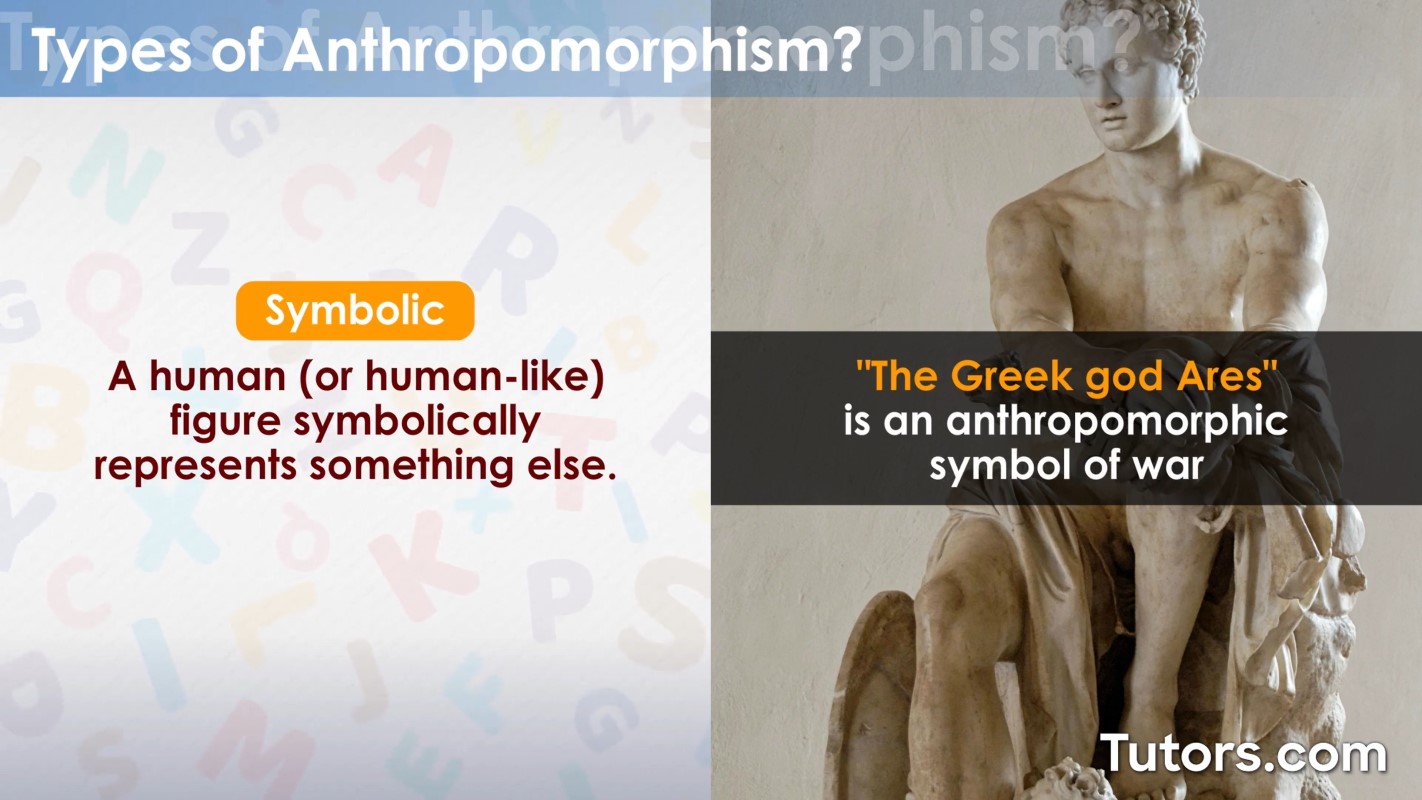
Symbolism—such as personalized rituals, metaphoric acronyms, or mascots—further strengthens this dynamic by providing tangible anchors for anthropomorphic perceptions. These symbolic acts crystallize abstract leadership values into concrete, relatable representations, thereby enriching the motivational fabric of the team.
Potential Pitfalls of Excessive Anthropomorphism in Leadership
Despite its potent motivational benefits, an overabundance of anthropomorphic attributions can engender unrealistic expectations and emotional dependencies. When leaders are excessively humanized, team members might project infallibility or moral perfection onto them, setting leaders on an unsustainable pedestal. This idealization can precipitate disillusionment and motivation decline when fallibility inevitably surfaces.
Additionally, excessive anthropomorphism might obscure objective decision-making processes. Emotional biases introduced by idealized perceptions of leaders could cloud critical assessments of strategy and performance, inadvertently undermining motivation anchored in merit and fairness.
Implementing Balanced Anthropomorphic Leadership to Maximize Motivation
Optimal motivational outcomes arise when anthropomorphism is employed judiciously within leadership practice. Leaders who balance authentic human traits with transparency about their limitations foster environments of trust grounded in realism. This tempered humanization maintains motivational appeal while mitigating the risks of dependency or idealization.
Training programs emphasizing emotional intelligence, narrative competence, and symbolic communication can equip leaders to harness anthropomorphism constructively. By cultivating these skills, leaders enhance their ability to connect, inspire, and motivate teams without succumbing to the pitfalls of excessive humanization.
Anthropomorphism as a Catalyst for Transformational Leadership
Transformational leadership thrives on the capacity of leaders to inspire change through vision, empathy, and personal influence—all of which are amplified by anthropomorphic qualities. When leaders embody human-like traits, they become relatable agents of transformation, capable of igniting passion and commitment that transcend transactional exchanges.
The anthropomorphic lens magnifies transformational processes by humanizing abstract visions and goals, rendering them more accessible and emotionally compelling to team members. This transformation of perception bridges the gap between individual aspirations and collective objectives, thereby fortifying motivational momentum.
Future Directions: The Intersection of Anthropomorphism, Technology, and Leadership
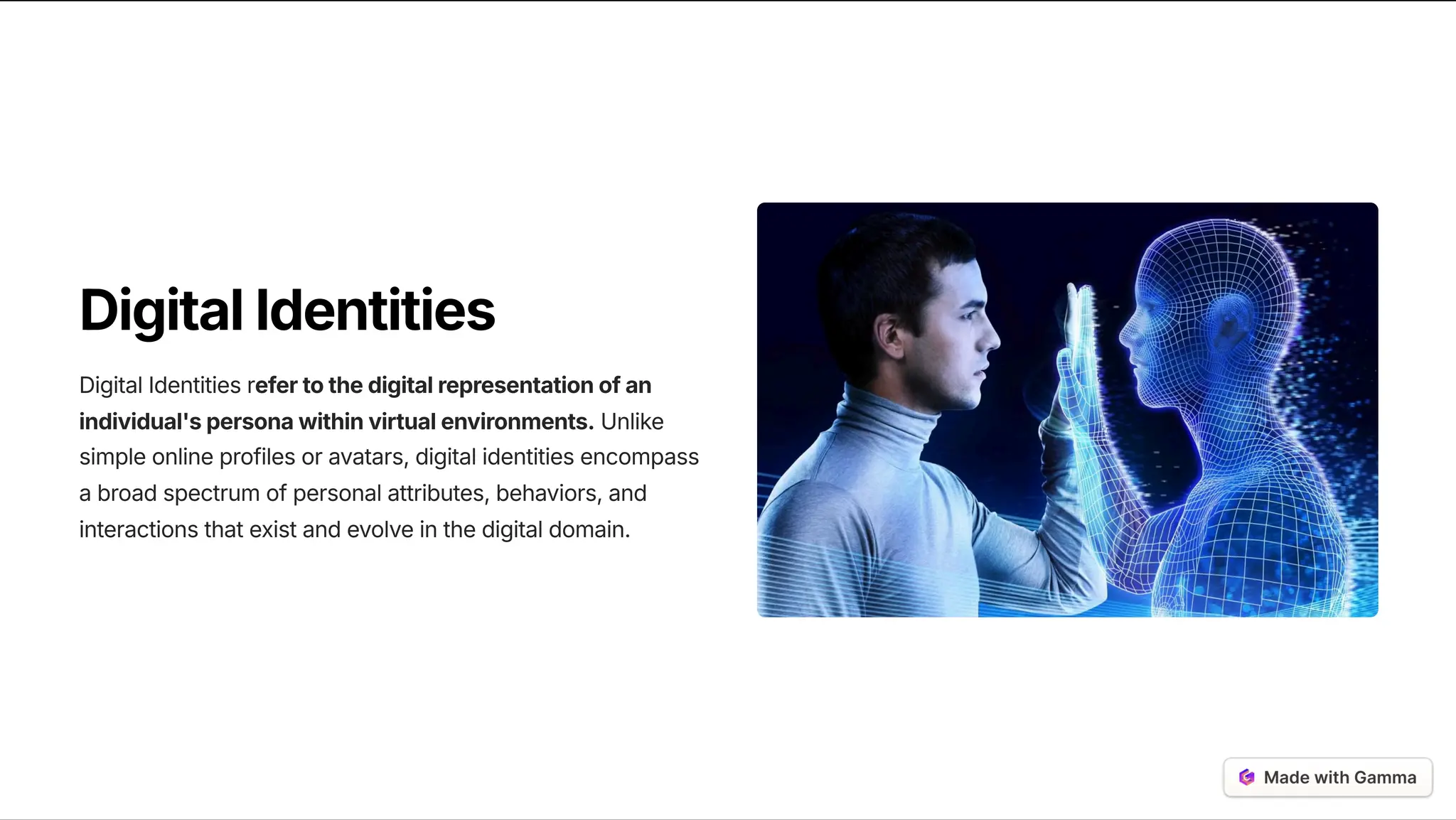
As technology infuses leadership modalities with AI-driven advisors and virtual assistants, anthropomorphism takes on new dimensions. Leaders increasingly interact with non-human entities infused with human-like characteristics, blurring the boundaries between human and machine leadership. This evolution raises intriguing questions about how anthropomorphic perceptions influence motivation when leadership presence is augmented or mediated by technology.
Understanding these emerging dynamics will be critical for crafting motivational strategies that leverage anthropomorphism while navigating the unprecedented challenges of digital-era leadership.