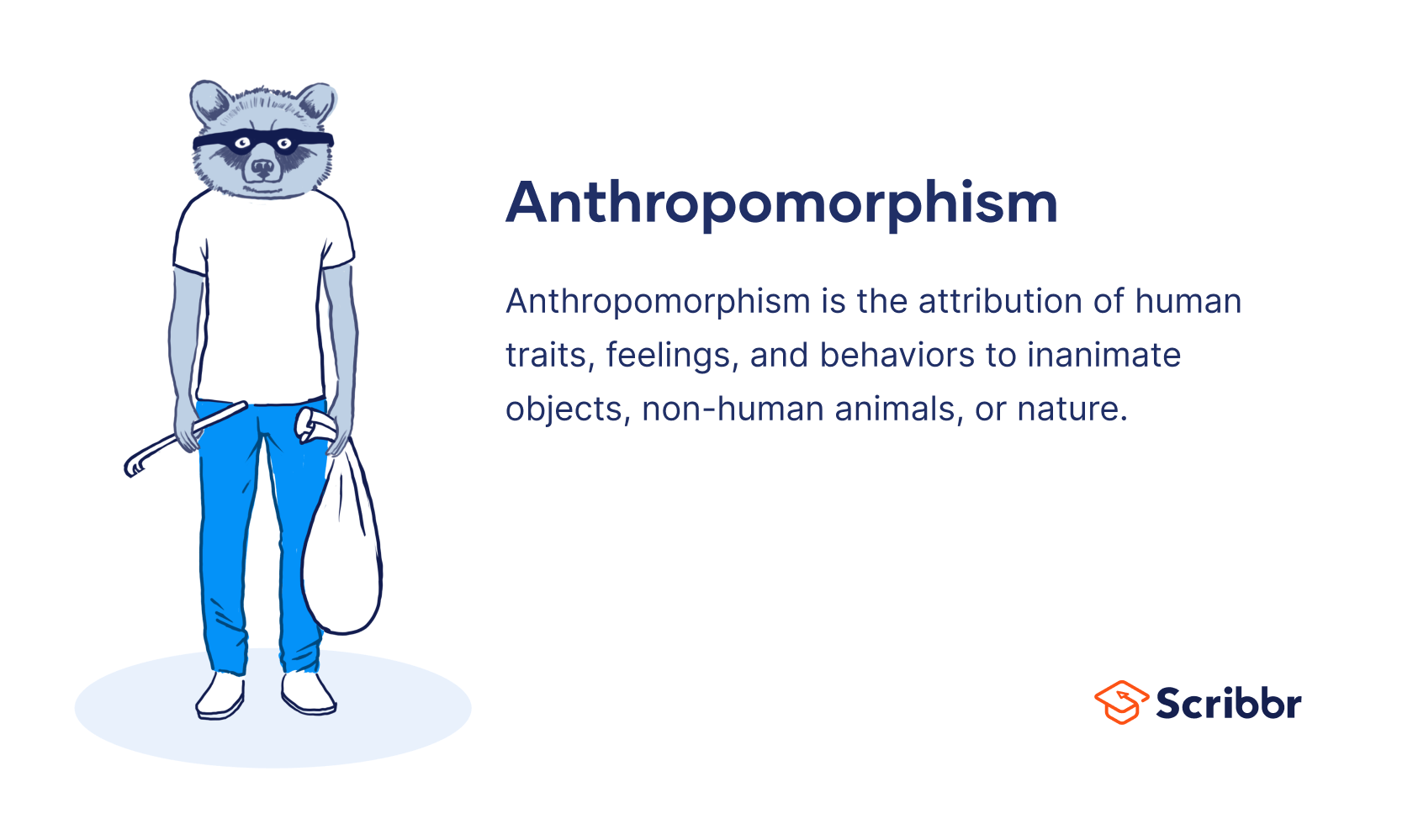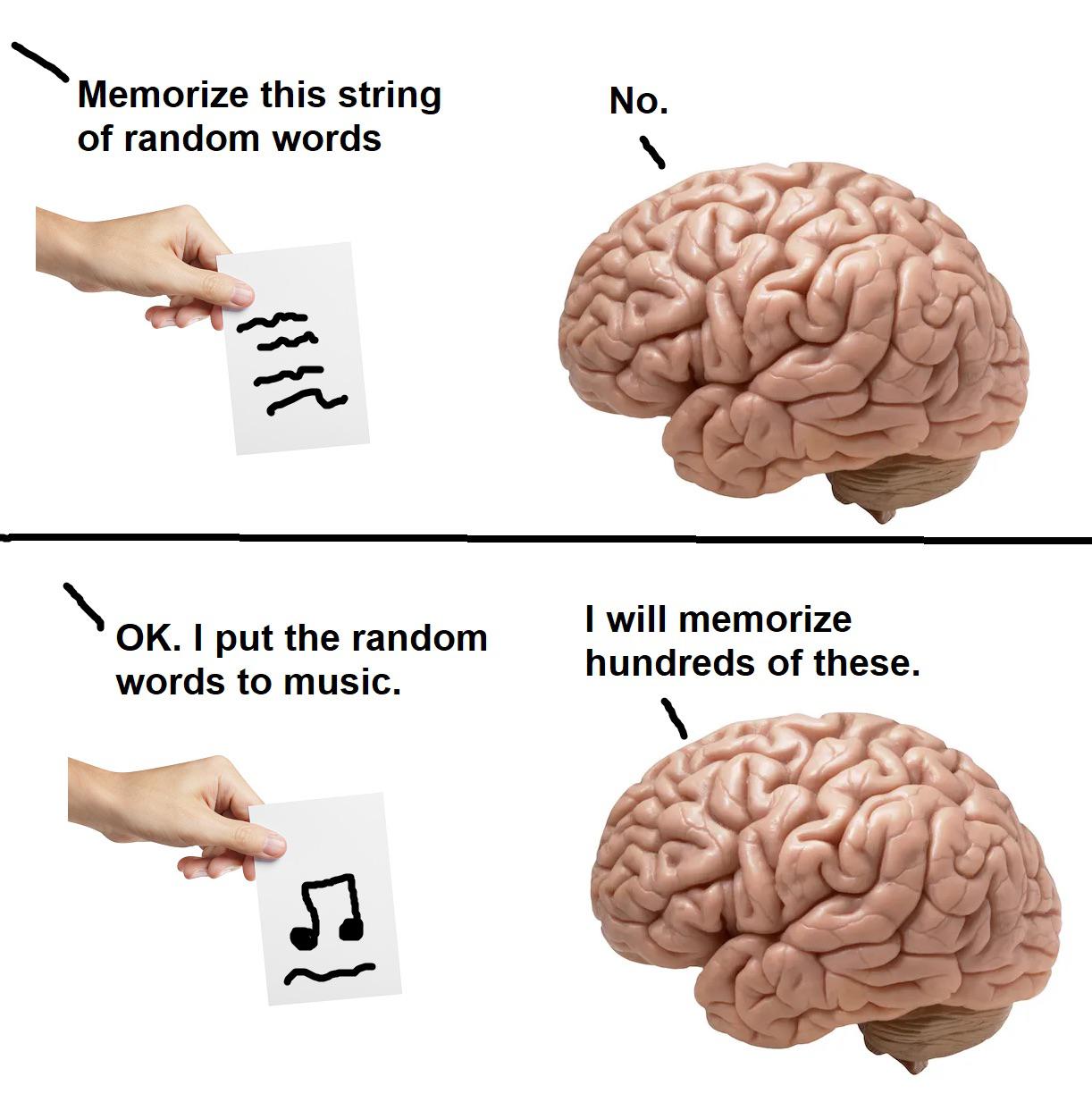
The human brain is a marvel of evolution, a biological supercomputer that interprets the world with astonishing efficiency. Yet, one of its most fascinating quirks is its tendency to attribute human-like qualities to non-human entities—a phenomenon known as anthropomorphism. From ancient deities carved into stone to modern-day AI chatbots, our minds relentlessly seek patterns, intentions, and emotions where none may exist. This cognitive predisposition isn’t merely a whimsical artifact of imagination; it’s a survival mechanism, a social shortcut, and a lens through which we navigate reality. To understand anthropomorphism is to peer into the scaffolding of human cognition itself.
The Cognitive Roots of Anthropomorphism: Why Our Brains See Faces in the Clouds
At its core, anthropomorphism is a byproduct of the brain’s relentless pattern-recognition machinery. Evolutionarily, misattributing agency—a rustling bush as a predator rather than the wind—carried far graver consequences than false positives. This “better safe than sorry” heuristic wired our neural circuits to err on the side of perceiving intent, even where none exists. The fusiform face area, a region specialized in facial recognition, often misfires when confronted with ambiguous stimuli, conjuring eyes and mouths in inanimate objects. This hyperactive agency detection doesn’t just explain why we name our cars or scold our laptops; it reveals a fundamental truth about how our brains construct meaning from chaos.
Neuroimaging studies further illuminate this phenomenon. When participants anthropomorphize objects, their medial prefrontal cortex—typically associated with social cognition—lights up, suggesting that the brain treats these entities as if they were sentient beings. This neural hijacking isn’t limited to visual stimuli; auditory cues, like the eerie creak of a house at night, can trigger the same cognitive machinery, compelling us to imagine a lurking presence. The brain, it seems, is a perpetual storyteller, weaving narratives from fragments of sensory input.
Anthropomorphism in Technology: When Machines Wear Human Faces
The digital age has amplified anthropomorphism to unprecedented levels. Voice assistants like Siri or Alexa don’t just process commands—they simulate conversation, complete with tonal inflections and even humor. This design choice isn’t accidental; it exploits our brain’s predisposition to engage socially. Studies show that users anthropomorphize chatbots more when they exhibit minor imperfections (e.g., typos, delays), as these quirks mimic human fallibility, fostering trust. The uncanny valley—the eerie discomfort elicited by near-human robots—further underscores this dynamic. When a machine’s behavior edges too close to human-like, our cognitive dissonance spikes, revealing the fine line between familiarity and revulsion.
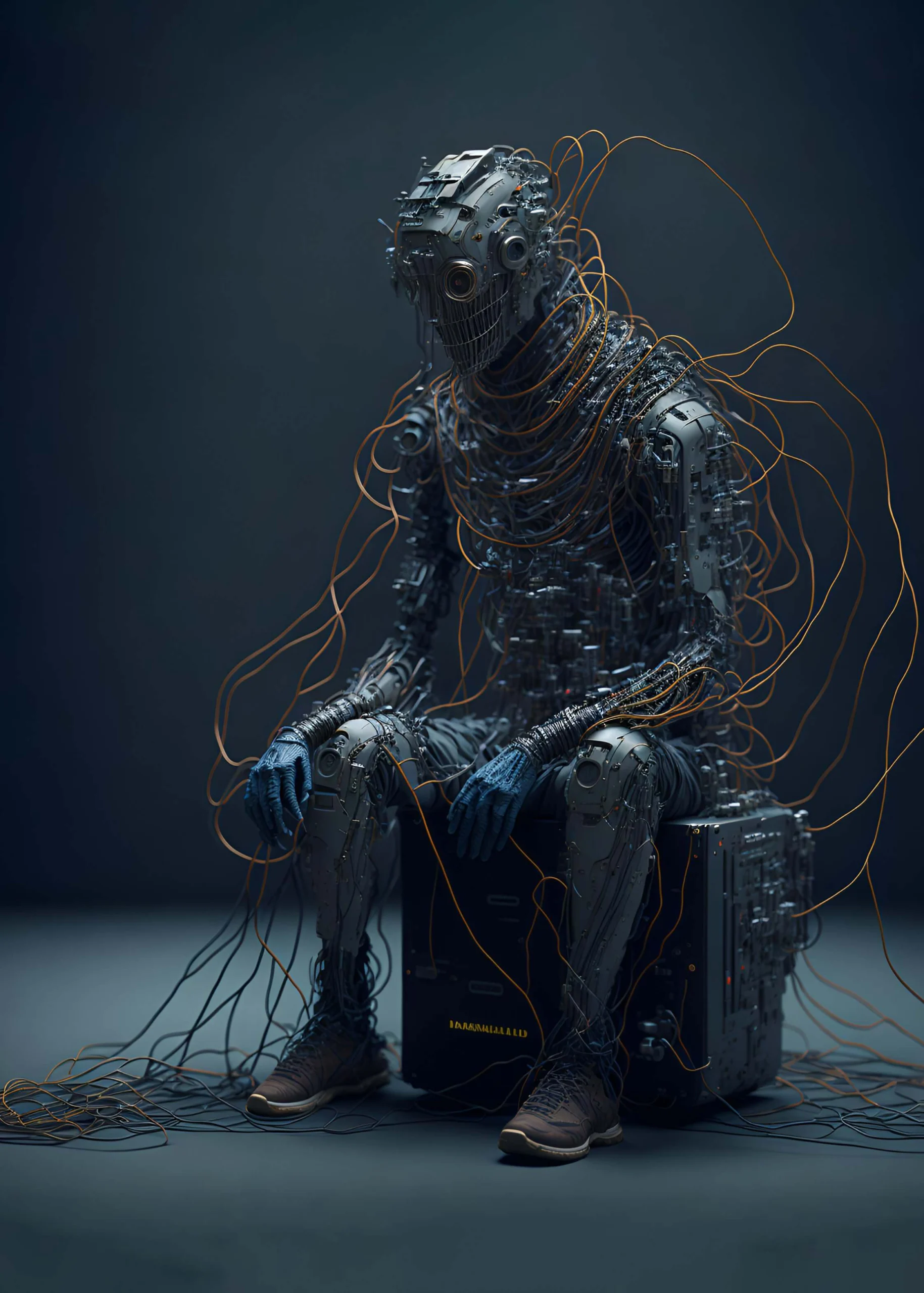
Yet, anthropomorphism in technology isn’t merely a tool for user engagement. It shapes how we perceive AI’s capabilities. When we imbue algorithms with “intelligence,” we risk overestimating their reliability or ethical frameworks. The term “artificial intelligence” itself is a linguistic anthropomorphism, framing machine learning as a mimicry of human cognition rather than a distinct computational process. This semantic sleight-of-hand can obscure the limitations of AI, leading to misplaced expectations and, in some cases, dangerous overreliance.
The Social and Emotional Dimensions: Why We Love (and Fear) Inanimate Objects
Anthropomorphism isn’t confined to the realm of objects; it permeates our social and emotional landscapes. Pet owners often describe their animals as having “personalities,” attributing complex emotions like guilt or jealousy to creatures incapable of such nuance. This tendency extends to inanimate objects, too. A 2010 study found that participants who anthropomorphized their cars reported higher satisfaction with them, ascribing loyalty and affection to machines that, by definition, lack both. The phenomenon even influences consumer behavior: brands leverage anthropomorphism in advertising, personifying products to create emotional bonds. Think of the M&M’s spokescandies or the Michelin Man—these characters transform commodities into companions.
Conversely, anthropomorphism can also stoke fear. Haunted houses, horror films, and urban legends thrive on this cognitive bias. A flickering streetlamp isn’t just a malfunction; it’s a watchful eye. A doll with a fixed stare isn’t inanimate; it’s a silent observer. This duality—anthropomorphism as comfort or terror—highlights its role in emotional regulation. By projecting humanity onto the world, we impose order on the unpredictable, whether that order is reassuring or dread-inducing.
Anthropomorphism in Science and Religion: From Gods to Galaxies
The human propensity to see ourselves in the cosmos has shaped civilizations. Ancient cultures personified natural forces as deities—Zeus’s thunderbolts, Thor’s hammer—framing the universe as a grand, sentient drama. Even today, scientists grapple with anthropomorphic language when describing phenomena. Black holes “suck” matter; electrons “choose” paths in quantum experiments. These metaphors aren’t just linguistic flourishes; they’re cognitive crutches, helping us grasp concepts beyond direct experience. The danger, however, lies in reifying these metaphors. When we say a cell “decides” to divide, we risk conflating metaphor with mechanism, obscuring the biochemical realities at play.
Religion offers another lens into anthropomorphism’s power. The concept of a “divine plan” anthropomorphizes the universe, imbuing it with intention and purpose. This cognitive framework provides solace, framing suffering as part of a larger narrative. Yet, it also raises profound questions: If we’re wired to see agency everywhere, how do we distinguish between meaningful patterns and mere projections? The line between revelation and pareidolia—seeing faces in the static of the cosmic microwave background—becomes perilously thin.
Practical Implications: Harnessing and Mitigating Anthropomorphism
Understanding anthropomorphism’s mechanisms allows us to wield it deliberately. In education, anthropomorphized characters can make abstract concepts tangible. A talking mitochondrion explaining cellular respiration might engage a child more than a textbook diagram. In therapy, anthropomorphism can be a tool for empathy-building, helping individuals process emotions by projecting them onto objects or fictional characters. Yet, this same tendency can be weaponized. Advertisers and propagandists exploit it to manipulate desires or beliefs, crafting narratives where products or ideologies “speak” to us directly.
To mitigate its pitfalls, we must cultivate metacognition—the ability to recognize when we’re anthropomorphizing. Asking, “Am I attributing human qualities to something that lacks them?” can curb overreliance on this cognitive shortcut. In AI development, designing interfaces that resist anthropomorphism—such as voice assistants with neutral, non-human tones—can reduce user misconceptions about machine capabilities. Similarly, scientific communication benefits from explicit caveats about metaphorical language, ensuring that audiences don’t conflate analogy with reality.
The Future of Anthropomorphism: AI, Ethics, and the Blurring of Boundaries
As artificial intelligence grows more sophisticated, the boundaries between human and machine blur. Generative AI, capable of mimicking human speech and artistry, forces us to confront anthropomorphism’s ethical dimensions. Should we grant rights to AI that we’ve anthropomorphized into “persons”? How do we prevent exploitation of this cognitive bias in deepfake technology, where synthetic voices and faces manipulate emotions with alarming precision? The answers lie not in rejecting anthropomorphism outright but in recognizing its power—and its limits.
Perhaps the most profound implication of anthropomorphism is its role in our search for meaning. By seeing ourselves in the world, we forge connections—with other humans, with nature, with the cosmos. Yet, this same impulse can isolate us, trapping us in solipsistic bubbles where every shadow whispers our name. The challenge, then, is to navigate this cognitive landscape with awareness: to anthropomorphize judiciously, to question our projections, and to remember that the faces we see in the dark are often our own.