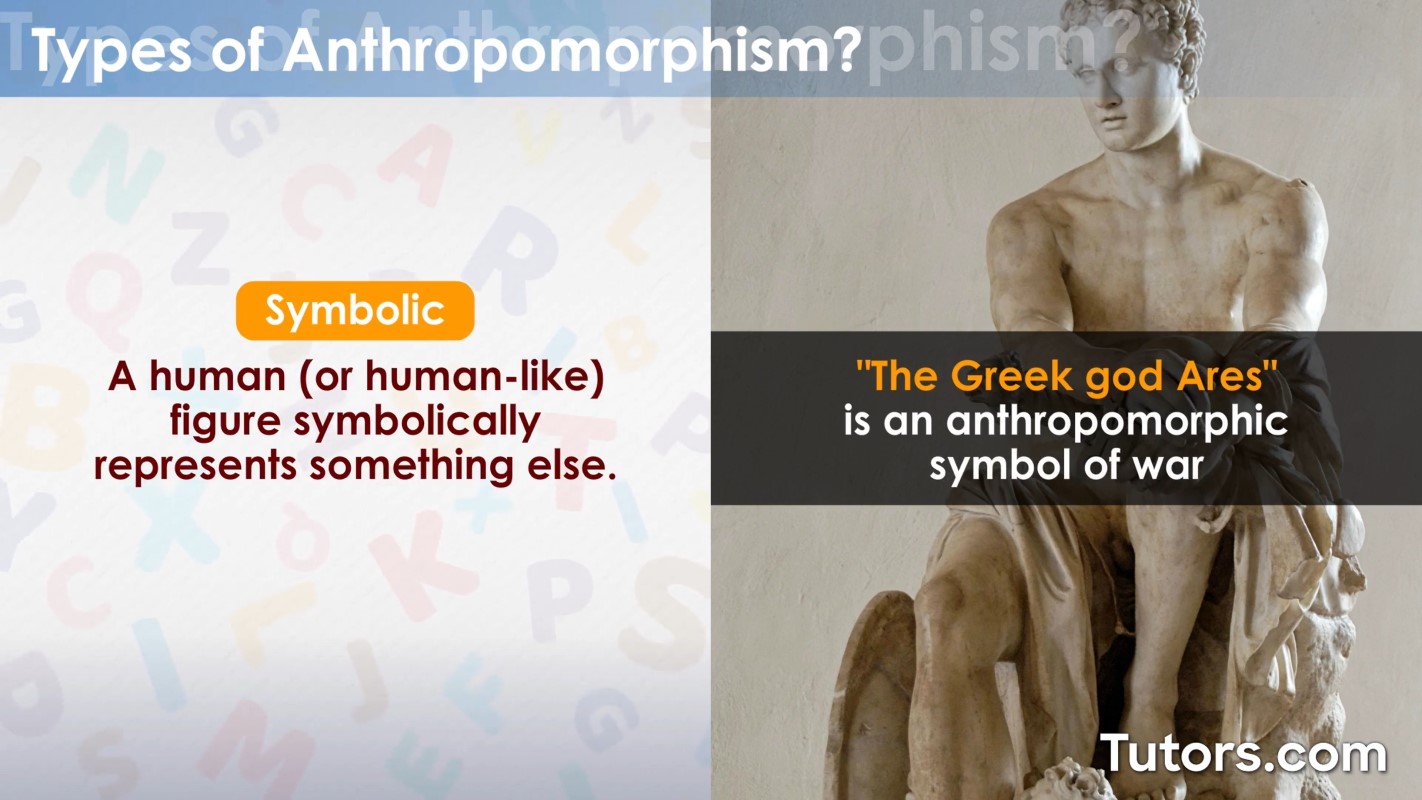
Have you ever found yourself chatting with a virtual assistant or marveling at a robot’s seemingly intuitive behavior, only to wonder—does giving machines human-like qualities truly deepen our connection to technology, or does it risk misleading us about their capacities? When it comes to space technology, this playful question becomes a critical inquiry: how does anthropomorphism influence user engagement, and what challenges accompany this intriguing interplay between human perception and engineered systems?
The Allure of Anthropomorphism in Space Technology
Human beings possess an innate tendency to anthropomorphize—projecting human traits, emotions, and intentions onto non-human agents. In the context of space technology, this phenomenon assumes an especially captivating role. Satellites, rovers, and autonomous probes are often designed with interfaces or behaviors that suggest empathy, responsiveness, or even personality. This is not mere aesthetic embellishment; it creates an intimate narrative that invites users—be they researchers, mission controllers, or the public—to form emotional bonds with otherwise impersonal machines. Such bonds invigorate interest and can significantly elevate user engagement.
Consider robotic explorers like Mars rovers, which frequently garner affection and media anthropomorphization. Their “expressive” movements or perceived “curiosity” humanize the exploration of an alien world billions of miles away. This emotional bridge encourages audiences to follow missions with amplified enthusiasm, fostering public support and educational interest. The anthropomorphic framework transforms complex telemetry and engineering feats into relatable stories, grounding abstruse scientific endeavors in the familiar soil of human experience.
The Cognitive Enchantment: When Empathy Meets Engineering
Anthropomorphism crafts a cognitive scaffold through which users interpret the unknown or unfamiliar. When space technology exhibits human-like behaviors—for instance, voice interactions with satellites or robots that simulate gestures—users instinctively ascribe intentions and rationality to machines. This phenomenon cultivates a sense of companionship and trust, essential ingredients for long-duration missions or remote operations where real-time human presence is limited.
However, this cognitive enchantment is a double-edged sword. While it facilitates accessibility and learning, it can also obfuscate the mechanical or algorithmic origins beneath the surface. Users may overestimate the autonomy or emotional understanding of these technologies, inadvertently fostering unrealistic expectations of reliability or decision-making capabilities. In mission-critical domains such as spacecraft navigation or autonomous hazard detection, such misinterpretations may influence human oversight and intervention strategies.
Engagement Amplification through Narrative and Persona
The deliberate crafting of personas for space technology amplifies user engagement. By endowing machines with specific traits—curiosity, perseverance, or even humor—designers compel audiences to perceive technological artifacts as characters within a grand cosmic story. This narrative framing transforms sterile data streams into emotional journeys, making scientific discoveries more accessible and compelling.
Moreover, this approach extends beyond public outreach. Engineers and scientists working closely with robotic systems often name their creations and attribute personalities to them. This serves a pragmatic function, easing communication and collaboration. When a rover is perceived less as a faceless device and more as a teammate, habitual engagement and intuitive operation often improve. It also enhances morale during long and arduous missions, where the human psyche craves relational anchors.
The Potential Pitfalls: Navigating the Gap Between Perception and Reality
Despite its benefits, anthropomorphism also introduces challenges that must not be underestimated. One pressing concern lies in the divergence between perceived agency and actual technological capability. When users imbue machines with human-like intentionally or cognitive depth, they risk conflating simulation with genuine understanding. This can lead to misjudgments in interactions, such as overreliance on a robot’s “judgment” in high-stakes scenarios or emotional disappointment when a system’s performance falls short of its “persona.”
Furthermore, excessive anthropomorphism can obscure transparency. If interfaces emphasize human-like cues at the expense of clarity regarding system limitations or decision algorithms, users may be disoriented about the underlying mechanics. This disconnect presents ethical questions around informed consent and user autonomy, particularly where safety and accountability are concerned.
Cultural Variability and Anthropomorphic Interpretation
Anthropomorphism is not a universal phenomenon experienced uniformly across cultures or individual psychologies. Variations in cultural background influence the traits people attribute to technology, as well as their acceptance of anthropomorphic design elements. In global space missions involving multi-national teams and stakeholders, design choices that rely heavily on anthropomorphic cues may provoke divergent responses. What appears endearing or trustworthy in one cultural context may seem unsettling or trivializing in another.
This cultural nuance complicates the design of user interfaces and robotic behaviors, compelling developers to balance personalization with neutrality. Inclusivity demands that anthropomorphic elements be carefully calibrated to minimize misinterpretations and maximize cross-cultural resonance. Failure to address these dynamics risks alienating users or undermining engagement objectives.
Future Trajectories: Balancing Empathy and Efficacy
As space technologies become increasingly autonomous and intelligent, the interplay between anthropomorphism and user engagement will grow more complex. Advances in machine learning and natural language processing promise more sophisticated simulations of human-like behaviors. Consequently, the challenge will lie in crafting interfaces that harness empathy without sacrificing accuracy or user awareness.
Emerging paradigms suggest hybrid models that integrate anthropomorphic cues alongside transparent informational displays. Such designs aim to cultivate trust without illusion, encouraging users to appreciate the machine’s capabilities while remaining cognizant of its computational nature. This balance could foster an evolved relationship where empathy amplifies engagement but does not distort understanding.
Ultimately, the question remains playful but profound: can the human impulse to see ourselves reflected in our machines enrich our cosmic ventures, or will it complicate our stewardship of technology beyond Earth? Navigating this terrain thoughtfully will shape not only how we engage with space tech but how we envision our collective future among the stars.