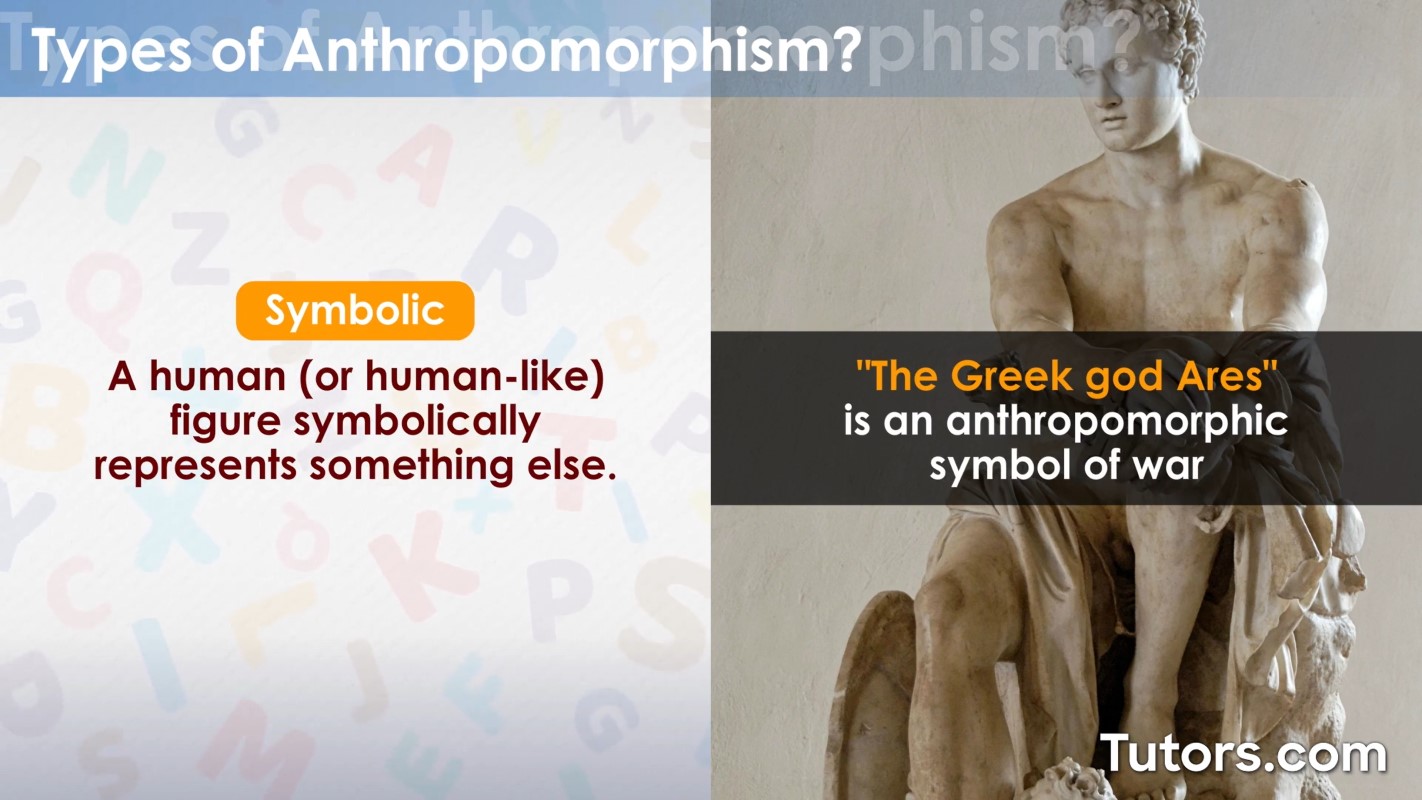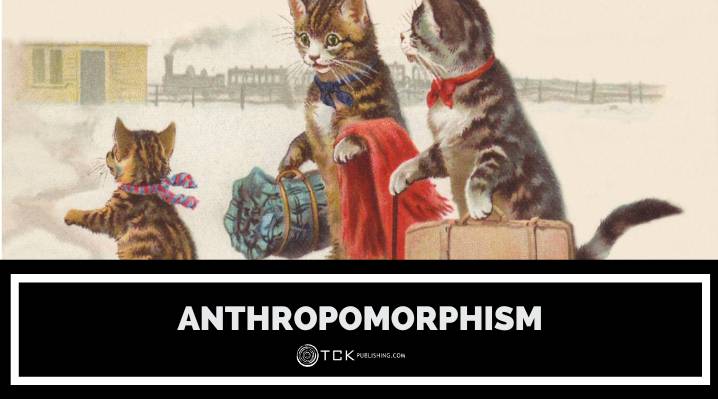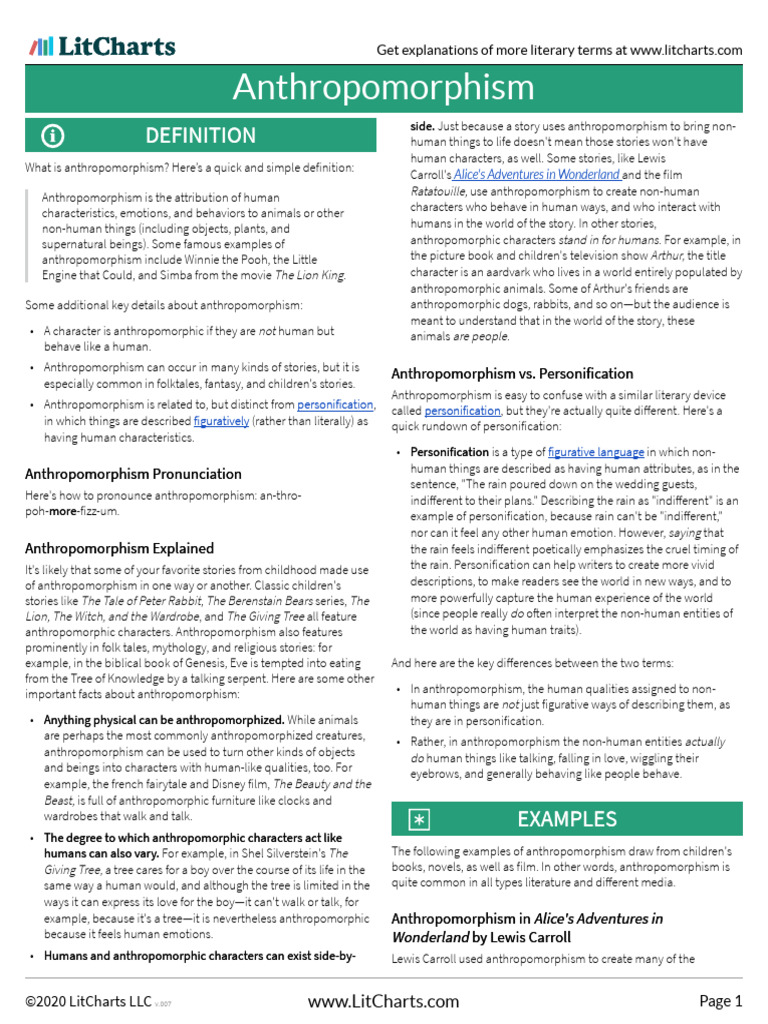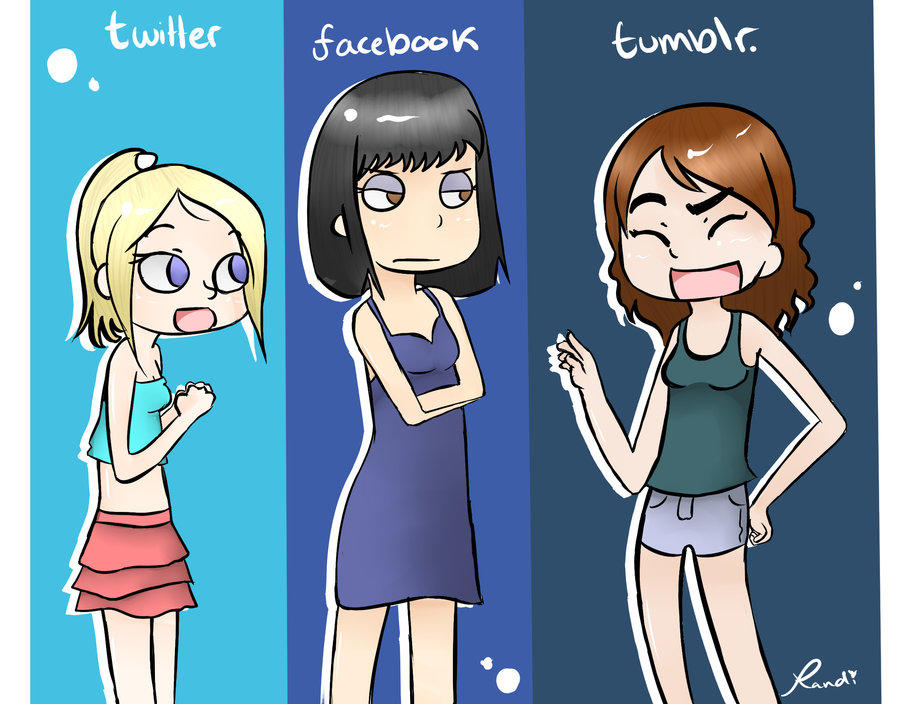
In the labyrinth of internet culture, where symbols mutate at the speed of a retweet and trends flicker like neon signs in a cyberpunk alley, one phenomenon stands out for its ubiquity and psychological intrigue: anthropomorphism. The practice of imbuing non-human entities—be they animals, objects, or abstract concepts—with human traits has long been a staple of storytelling, but in the digital age, it has evolved into a linguistic shorthand, a visual pun, and a communal inside joke. Memes, those ephemeral yet indelible fragments of internet lore, have become the modern-day mythos where anthropomorphism thrives, transforming the mundane into the magical and the inanimate into the relatable.
The Alchemy of Relatability: How Anthropomorphism Transforms the Mundane
At the heart of anthropomorphism’s power in memes lies its ability to bridge the uncanny valley between the familiar and the foreign. A sentient potato lamenting its existence in a meme about procrastination doesn’t just elicit a chuckle; it distills the universal human experience of self-sabotage into a single, shareable image. This transformation is no accident. Cognitive psychologists posit that our brains are wired to seek patterns and assign agency, a survival mechanism that once helped us predict the movements of predators but now finds expression in the way we animate a traffic cone or a loaf of bread.
Consider the humble meme template of a grumpy cat, its furrowed brow and crossed arms speaking volumes about the frustrations of modern life. The cat isn’t just a cat—it’s a proxy for our own exasperation, a vessel for emotions we’d otherwise struggle to articulate. This alchemy of relatability is what makes anthropomorphic memes so sticky; they don’t just convey information, they forge emotional connections. In a digital landscape where attention spans are measured in scrolls, this emotional resonance is the currency of virality.


The irony, of course, is that anthropomorphism often strips away the very thing it mimics—humanity. In its place, it offers a distorted mirror, one that reflects our own flaws back at us in exaggerated, often absurd forms. A meme of a crying onion isn’t just about onions; it’s about the tears we shed over trivial disappointments. This paradox—using the inhuman to explore the human—is what gives anthropomorphic memes their depth. They are not mere jokes; they are modern-day fables, where the moral is often buried beneath layers of irony and self-deprecation.
From Aesop to Advice Animals: The Evolution of Anthropomorphic Storytelling
The lineage of anthropomorphism in memes can be traced back to the fables of Aesop, where animals spoke and acted out human dramas to impart moral lessons. Fast-forward to the 20th century, and we see this tradition carried forward in the form of Disney’s animated classics, where mice wore clothes and ducks smoked cigars. But the internet has democratized this storytelling, turning it into a participatory art form where anyone can contribute to the canon.
Advice Animals, those ubiquitous templates with captions like “Y U NO” or “Trollface,” are the digital descendants of Aesop’s fables. They distill complex emotions—frustration, confusion, schadenfreude—into instantly recognizable avatars. The beauty of this evolution is its adaptability. A meme template can be repurposed to comment on everything from workplace dynamics to political scandals, its anthropomorphic figure serving as a blank canvas for collective catharsis.
Yet, this evolution is not without its pitfalls. The very malleability that makes anthropomorphic memes so versatile also renders them susceptible to overuse and dilution. What begins as a clever commentary can devolve into a hollow vessel, stripped of its original meaning. The challenge for meme creators, then, is to balance familiarity with novelty, to ensure that the anthropomorphic figure remains a vessel for genuine expression rather than a cliché.

The internet’s obsession with anthropomorphism also reflects a deeper cultural shift. In an era where technology blurs the lines between the human and the artificial, we find solace in imbuing the inanimate with life. Smartphones become extensions of our bodies; virtual assistants are given names and personalities. Anthropomorphic memes, in this context, are a microcosm of our broader relationship with technology—a way to humanize the tools we rely on, even as they reshape the contours of our humanity.
The Psychology Behind the Grin: Why We Love to See Ourselves in the Unlikely
To understand why anthropomorphic memes resonate so deeply, we must delve into the psychology of projection and empathy. Studies in cognitive science suggest that our brains are predisposed to anthropomorphize because it simplifies our understanding of the world. When we see a meme of a depressed cloud, we don’t just see a weather system; we see a reflection of our own emotional weather. This phenomenon, known as the “intentional stance,” allows us to predict and interpret the behavior of non-human entities by attributing human-like intentions to them.
But there’s more to it than mere cognitive shortcuts. Anthropomorphism also serves as a form of emotional catharsis. By externalizing our feelings onto an inanimate object or animal, we create a safe distance between ourselves and the raw emotion. A meme of a crying Shrek isn’t just about Shrek; it’s about the tears we’ve all shed over unrequited love or unmet goals. This distancing effect allows us to process complex emotions without the weight of personal vulnerability.
There’s also an element of subversion at play. Anthropomorphism, by its very nature, is a form of rebellion against the rigid categories that define our world. A talking banana isn’t just absurd; it’s a challenge to the order we impose on reality. In this way, anthropomorphic memes become a playground for anarchy, where the rules of logic and decorum are suspended in favor of pure, unfiltered expression. They are the digital equivalent of a carnival mask, allowing us to say the unsayable while hiding behind a grin.
The Dark Side of the Grin: When Anthropomorphism Crosses the Line
Yet, for all its charm, anthropomorphism in memes is not without its shadows. The same cognitive mechanisms that allow us to find humor in a sentient loaf of bread can also be exploited to spread misinformation, dehumanize others, or perpetuate harmful stereotypes. When a political figure is reduced to a cartoonish caricature—think of the endless stream of memes depicting world leaders as toddlers or villains—it’s not just satire; it’s a form of psychological warfare. The line between clever commentary and cruel distortion is thin, and meme culture often walks it with reckless abandon.
Consider the phenomenon of “rage comics,” where anthropomorphic characters embody exaggerated emotions to the point of absurdity. While some of these memes are harmless fun, others veer into territory where empathy is replaced by mockery. The danger lies in the normalization of this behavior. When we reduce complex human experiences to a series of emojis and captions, we risk losing the nuance that makes those experiences meaningful in the first place.
There’s also the issue of cultural appropriation and insensitivity. Anthropomorphism often relies on stereotypes, and when these stereotypes are applied to marginalized groups—whether through the lens of race, gender, or nationality—the result can be deeply offensive. The internet’s love for anthropomorphic memes must be tempered by an awareness of the power dynamics at play. Not every inanimate object deserves a face, and not every human experience should be reduced to a punchline.

Ultimately, the role of anthropomorphism in memes and internet culture is a double-edged sword. It is a tool for connection, a medium for expression, and a mirror held up to society. But it is also a weapon, capable of cutting deep when wielded without care. The challenge for meme creators and consumers alike is to navigate this duality—to harness the power of anthropomorphism for good while remaining vigilant against its potential for harm.
The Future of Anthropomorphism: Where Do We Go From Here?
As technology advances, so too will the ways in which we anthropomorphize. Artificial intelligence, with its eerie ability to mimic human conversation, presents a new frontier for anthropomorphic expression. Chatbots and virtual assistants are already being given personalities, and it’s only a matter of time before they become the subjects of memes in their own right. Imagine a meme template where Siri or Alexa is depicted as a dramatic soap opera character, bemoaning the trials of answering existential questions at 3 AM. The possibilities are as limitless as they are unsettling.
There’s also the rise of generative AI, which can create anthropomorphic images and characters on demand. This democratization of creation could lead to a renaissance of anthropomorphic storytelling, where anyone with an internet connection can craft their own mythos. But it also raises questions about authenticity and originality. In a world where a meme can be generated in seconds, what becomes of the artistry and intention behind anthropomorphic expression?
The future of anthropomorphism in memes may also be shaped by our evolving relationship with technology. As AI becomes more integrated into our lives, we may find ourselves anthropomorphizing not just objects and animals, but the very algorithms that govern our digital existence. A meme of a confused GPS voice or a dramatic loading spinner could become the next big template, reflecting our collective anxiety about the machines we’ve created.
Yet, for all the technological innovation on the horizon, the core appeal of anthropomorphism remains unchanged. It is, at its heart, a celebration of our capacity for imagination and empathy. Whether it’s a potato with a soul or a cloud with a heart, anthropomorphic memes remind us that the world is not as rigid as it seems. It is a place of fluid identities, where a traffic cone can be a philosopher and a slice of pizza can be a tragic hero.
In the end, the role of anthropomorphism in memes and internet culture is a testament to the human need for connection and meaning. It is a language without words, a story without sentences, a mirror without glass. And as long as there are pixels to be colored and emotions to be distilled, it will continue to thrive—grinning, crying, and occasionally, overthinking its own existence.