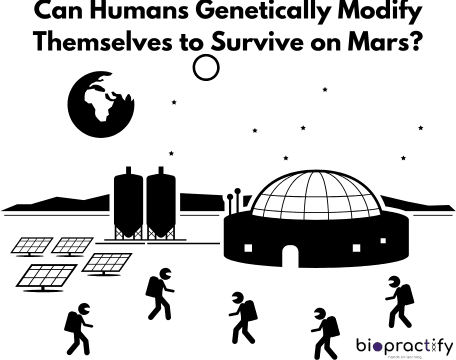
Why is it that humans tend to imbue lifeless structures and distant places with personality and emotion? As we contemplate the immense challenge and excitement of colonizing Mars, a playful yet profound question arises: will we anthropomorphize these alien settlements? The notion may seem whimsical at first glance—but it reveals an inherent facet of human psychology and societal behavior. This phenomenon extends beyond mere charm or fancy. It poses intricate questions about identity, belonging, and how we reconcile the unfamiliar with the intrinsically familiar.
The Innate Human Urge to Personalize the Inanimate
Humans have a long-standing tendency to attribute human qualities, emotions, and intentions to objects, animals, and places—an impulse deeply embedded in our cognitive architecture. This anthropomorphic lens helps us make sense of the world, reducing complex or alien phenomena into relatable narratives. In the context of Mars colonies, where the environment is stark and alien, this urge may intensify. The barren landscape, the foreign architecture, and the severe isolation all beckon for emotional anchoring. Labeling a habitat dome as “home” or envisioning it as a sentient protector can psychologically buffer the alienation of the red planet and foster a collective identity among colonists.
Anthropomorphizing as a Coping Mechanism in Hostile Environments
The extreme and unforgiving Martian environment demands extraordinary adaptability. Psychological resilience will be as crucial as technological innovation. Anthropomorphizing the colony or its components could serve as an essential coping mechanism, transforming an impersonal engineering marvel into a source of comfort. Just as sailors of old attributed personalities to ships, or explorers named uncharted territories, future Mars settlers might do the same. This could alleviate loneliness and instill a sense of companionship—subtle emotional anchors in a place devoid of Earth’s natural life and familiar social cues.
Fostering Social Cohesion and Identity Through Shared Narratives
Anthropomorphization often leads to the creation of communal myths, rituals, and traditions. On Mars, these shared narratives might emerge around the colony itself, transforming it into an active participant in the community’s story rather than a mere backdrop. Such narratives are pivotal in forging social cohesion. When settlers talk about “the colony’s mood” or refer to the base as “she” or “he,” these expressions are not just fanciful parlance, but tools that enable communal empathy and solidarity. This collective personification encourages stewardship and nurtures a protective ethos, vital for long-term survival.
Architectural and Technological Design as a Catalyst for Personification
The design of Mars habitats and technology will inevitably influence the degree and nature of anthropomorphic association. Architectural elements that suggest faces, limbs, or other humanlike features—or that display responsive behavior through AI interfaces—will invite personification. For example, habitat modules equipped with adaptive lighting, auditory signals, or robotic assistants can appear as sentient entities rather than inert objects. This interactive potential blurs the lines between human and machine, deepening emotional engagement and encouraging inhabitants to relate to their environment as a living entity.
Philosophical Implications: Where Does Colony End and Individual Begin?
Anthropomorphizing a Mars colony also raises tantalizing philosophical questions about boundaries between self, community, and environment. As colonists invest emotionally in the habitat as a quasi-sentient entity, the lines between human agency and artificial or architectural agency begin to dissolve. Could the colony itself be considered part of the extended self, an active contributor to the human narrative rather than a passive container? This paradigm challenges our traditional notions of personhood and belonging, prompting us to rethink how identity might be expanded or redefined amid extraterrestrial frontiers.
Potential Challenges and Ethical Considerations
While anthropomorphizing the Mars colony carries psychological and social benefits, it also introduces complex ethical and practical challenges. Over-reliance on emotional attachment to technology or infrastructure could distort risk assessment or lead to neglect of more critical practical considerations. There is also the risk of projecting human frailties or biases onto the colony, which might inhibit objective problem-solving. Moreover, if AI systems controlling habitats appear too humanoid or sentient, questions about autonomy, consent, and responsibility may arise starkly, complicating governance and interaction protocols.
Conclusion: Embracing Humanity in the Alien
In the grand venture of Martian colonization, anthropomorphizing colonies signals a deeply human endeavor to reconcile the alien with the familiar. It is a playful yet poignant manifestation of our collective need for connection, identity, and control in the vast unknown. Even as technology and science propel us further away from Earth’s cradle, the human spirit strives to imprint personality and emotion on every corner of the cosmos it touches. Understanding this phenomenon is not merely an exercise in curiosity but a necessary step toward fostering sustainable, psychologically healthy extraterrestrial communities. Mars, in its silent red expanse, may one day pulse with the heartbeat of human feeling—embodied in the very structures we inhabit, nurturing our survival far beyond home.