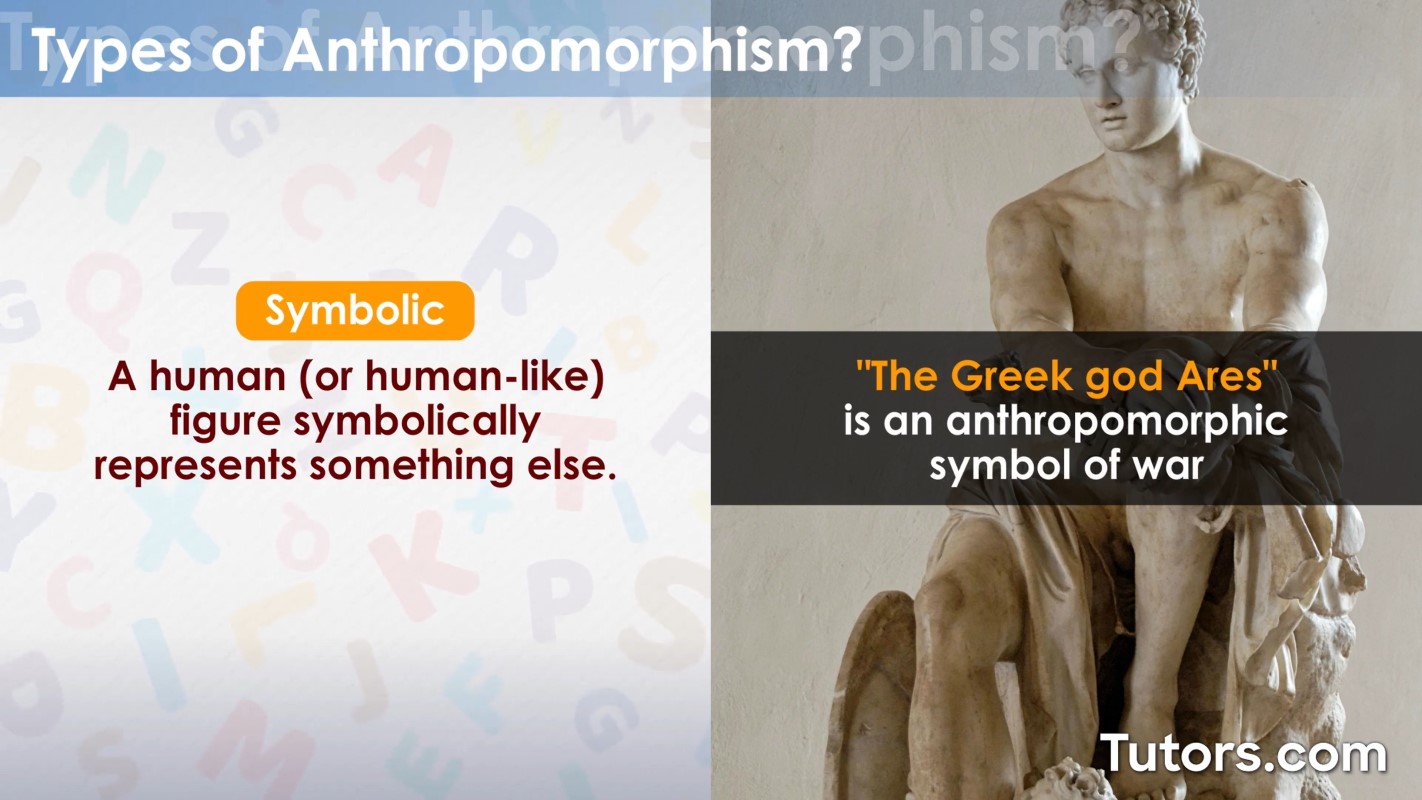
In recent years, pet food marketing has undergone a profound transformation driven by an intriguing psychological tool: anthropomorphism. This practice of attributing human characteristics, emotions, and intentions to animals has significantly reshaped how brands communicate with consumers, fostering deeper emotional connections and elevating brand loyalty. This case study explores the multifaceted dimensions of anthropomorphism in pet food marketing, unpacking its origins, diverse implementations, psychological underpinnings, and tangible impact on consumer behavior. Through a comprehensive analysis, readers will gain insight into the strategic deployment of anthropomorphic elements and their efficacy in an increasingly competitive market.
The Genesis of Anthropomorphism in Pet Food Marketing
Anthropomorphism is far from a novel concept; it traces back to ancient storytelling traditions where animals were endowed with human-like traits to convey moral lessons. However, its application in marketing, particularly pet food, has evolved substantially. Initially used sparingly as a whimsical branding device, it has now matured into a sophisticated communication strategy. This evolution is partly driven by the growing anthropocentric view of pets—not just as animals but as integral family members whose wellbeing elicits profound emotional investment from owners.
The pet industry recognized this shift and adeptly leveraged anthropomorphism to personify pets in ways that resonated with human experiences—curiosity, joy, guilt, or care. Brands began to coat their messaging with subtle nuances that reflected not only the pet’s needs but also the owner’s aspirations and values, transforming the pet food narrative from a simple product offering into a conduit of meaningful relational storytelling.
Types of Anthropomorphic Content in Pet Food Marketing
Anthropomorphic content in pet food marketing is remarkably diverse, encompassing various forms that cater to different consumer sensibilities. Visual imagery plays a pivotal role, often depicting pets with expressive, almost human-like eyes or engaging in behaviors suggestive of human emotions such as happiness or anticipation. Such visuals tap into the innate human tendency to interpret facial cues and body language, eliciting empathy and a sense of companionship.
Beyond imagery, brand storytelling frequently employs anthropomorphic narratives. Advertisements may portray pets as conscientious eaters with preferences, desires, and personalities, making the choice of food a personal story. Social media campaigns utilize pets as “brand ambassadors” with curated personas, engaging customers through witty, relatable dialogues that mimic human social interactions.
Packaging design also benefits from anthropomorphism, incorporating playful illustrations or animated characters that symbolize the pet’s voice or personality. This approach amplifies shelf appeal and forges a memorable brand identity. By integrating these diverse content types, marketers create a multidimensional experience that not only informs but emotionally captivates pet owners.
Psychological Underpinnings: Why Anthropomorphism Resonates with Consumers
Understanding the psychological mechanics at work elucidates why anthropomorphism wields such influence in pet food marketing. Humans have an intrinsic proclivity to attribute human qualities to non-human entities as a means of making sense of the world and forging social connections. When applied to pets, this tendency intensifies, particularly among individuals who view their animals as companions or family members.
Anthropomorphism triggers empathy, facilitating a more profound emotional engagement with the pet’s wellbeing, which, by extension, affects purchasing decisions. It transforms the act of buying pet food into an expression of care, responsibility, and affection. The pet ceases to be a passive recipient and becomes an active participant with preferences and feelings, compelling owners to choose products that align with this relational narrative.
Moreover, anthropomorphic marketing reduces cognitive dissonance by reinforcing the owner’s identity as a responsible and loving caregiver. It appeals to self-concept and social values, such as sustainability or health consciousness, making brand choice a reflection of the owner’s personal ethos.
Case Study Spotlight: Natoo’s Sustainability-Driven Strategy
Natoo’s pet food brand exemplifies how anthropomorphism can be seamlessly integrated with modern consumer values like sustainability. The company adopts an emotionally evocative approach, humanizing pets not just as family members but as active agents in an eco-conscious lifestyle. This subtle anthropomorphic framing invites owners to consider the environmental impact of their choices, positioning pets as co-advocates for a greener planet.
Imagery of thoughtful pets amidst natural settings and narratives that endow animals with the capacity to “choose” sustainable options help forge this connection. Natoo’s marketing deftly balances the emotional warmth of anthropomorphism with a call to responsible consumption, connecting pet welfare with global ecological concerns.
This strategy produces a compelling brand story that speaks to the modern pet owner’s aspirations, blending empathy, ethics, and lifestyle in a way that enhances brand differentiation and deepens customer loyalty.
Measurable Outcomes: Anthropomorphism’s Impact on Market Performance
Implementing anthropomorphic elements transcends aesthetic appeal; it delivers measurable benefits. Brands employing such strategies often observe increased consumer engagement metrics, including improved social media interactions, higher brand recall, and elevated purchase intent. The personalization engendered by anthropomorphic marketing helps reduce price sensitivity, as consumers attribute added value to the emotional bond facilitated by the brand.
Furthermore, studies indicate that anthropomorphic marketing enhances long-term customer retention by cultivating brand communities rooted in shared values and emotional storytelling. Pets portrayed as relatable figures strengthen consumer trust and create advocates who propagate brand messaging organically through word-of-mouth.
These quantifiable advantages confirm the potency of anthropomorphism as a strategic tool in an intensely competitive pet food market, where differentiation and emotional resonance are paramount.
Challenges and Ethical Considerations
While anthropomorphism confers considerable advantages, it also poses challenges and ethical questions. Over-anthropomorphizing pets risks misleading consumers about their actual nutritional needs or capabilities, potentially skewing purchasing decisions based on anthropocentric biases rather than scientific facts. Brands must strike a balance between relatable storytelling and responsible communication.
Additionally, there is the risk of trivializing animal welfare if marketing reduces pets to caricatures rather than respecting their intrinsic nature. Ethical brands ensure their anthropomorphic portrayals enhance empathy and promote informed choices rather than exploiting emotional vulnerabilities.
Transparency about ingredient sourcing, nutritional benefits, and honest product representation underpin ethical anthropomorphic marketing, upholding trust and safeguarding consumer interests.
The Future Trajectory of Anthropomorphism in Pet Food Marketing
Looking ahead, the role of anthropomorphism is poised to expand, increasingly intertwined with technological innovation and consumer sophistication. Artificial intelligence and augmented reality offer novel dimensions for immersive storytelling, bringing anthropomorphic narratives to life in interactive and personalized formats.
Moreover, as societal values evolve towards inclusivity, wellness, and sustainability, anthropomorphic marketing will likely adapt, embodying broader ethical and emotional currents. The challenge for brands will be to maintain authenticity and depth, avoiding superficial gimmicks while nurturing genuine connections that respect both pets and their owners.
This trajectory suggests a future where anthropomorphism is not merely a marketing tactic but a paradigm that shapes the entire ethos of pet food branding.
In summation, the utilization of anthropomorphism in pet food marketing represents a sophisticated confluence of psychology, storytelling, and strategy. By humanizing pets, brands foster emotional engagement, align with consumer values, and differentiate themselves within a saturated marketplace. As demonstrated by contemporary case studies, this approach, when ethically and creatively executed, holds transformative potential for the pet food industry’s narrative and economic vitality.