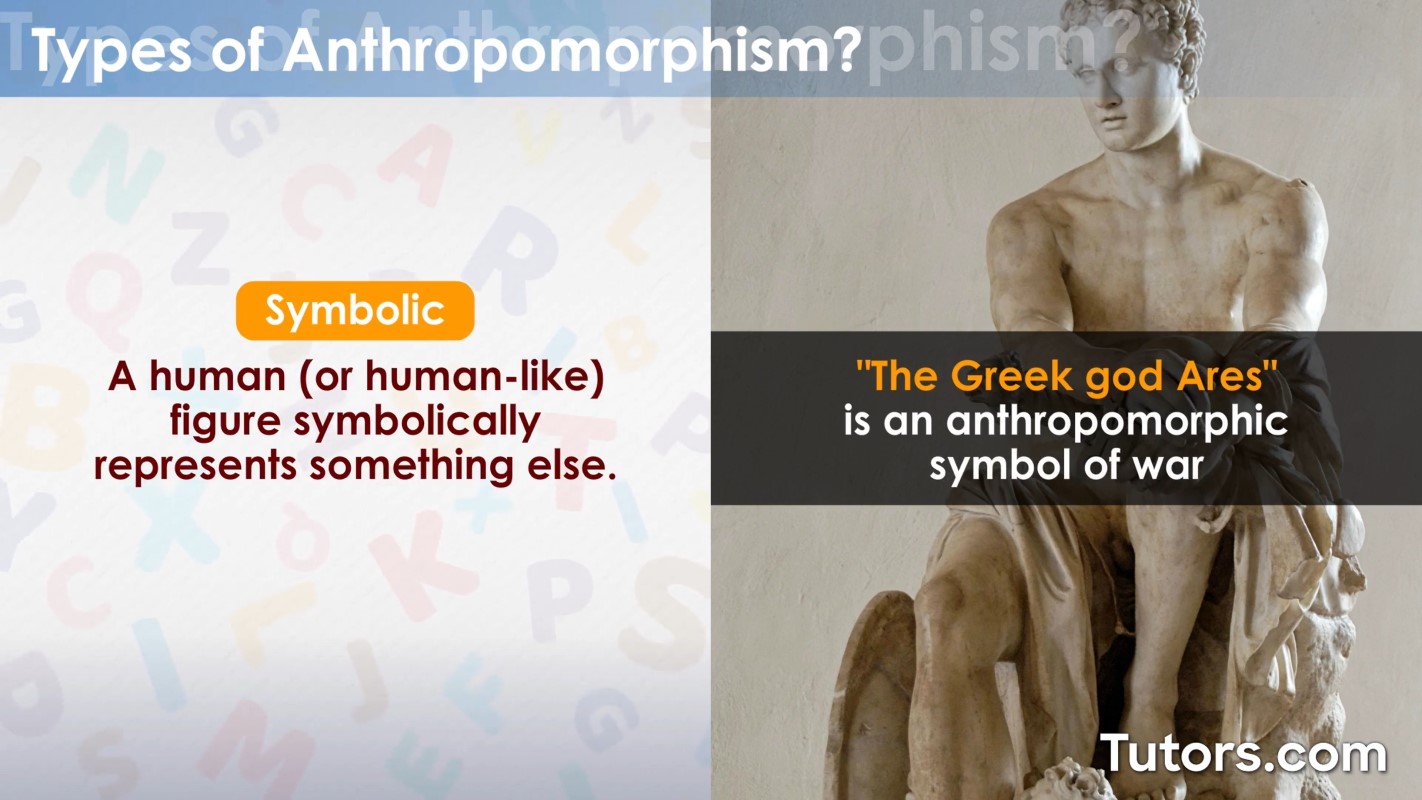
Throughout human history, animals have occupied a place not only in the tangible world around us but also within the rich tapestries of mythology and folklore. The phenomenon of anthropomorphism—attributing human traits, emotions, or intentions to non-human entities—holds a particularly magnetic allure in the context of animal mythology. From the majestic falcon-headed deities of ancient Egypt to the cunning fox spirits of East Asia, animals endowed with human characteristics have served as conduits for cultural values, existential musings, and spiritual reflections. This enduring fascination, observed across diverse civilizations and epochs, hints at deeper psychological and societal currents beneath the surface. Delving into anthropomorphism in animal mythology reveals more than mere storytelling; it uncovers humanity’s pursuit of understanding itself and the natural world through symbolic synthesis.
The Universality of Anthropomorphic Animals in Mythic Narratives
One of the most compelling aspects of anthropomorphism in mythology is its near-universal presence across disparate cultures. Whether in the totemic traditions of Indigenous peoples of North America, the animal gods of Hinduism, or the mythic creatures populating West African folklore, animals frequently embody human attributes that communicate complex ideas. This universal trope suggests a shared cognitive mechanism by which humans negotiate the unknown by projecting familiar patterns of thought, emotion, and behavior onto the unfamiliar. Animals become vessels for exploring human virtues and vices—wisdom cloaked in the guise of owls, trickery embodied by foxes, and strength epitomized by lions. Their anthropomorphic portrayals create an accessible canvas upon which societies artistically encode ethical paradigms, cosmological principles, and collective hopes or fears.
Psychological Underpinnings of Anthropomorphizing Animals
At the core of this widespread cultural practice lies a psychological impetus intertwined with human cognition and emotion. The human propensity to anthropomorphize arises from an inherent need for social connection and understanding. Early humans, navigating complex social environments, developed an acute sensitivity to recognizing agency and intention, a trait sometimes overgeneralized to animals and even inanimate objects. This cognitive bias, known as hyperactive agency detection, can partially explain why animals are often ascribed emotions, motivations, or moral capacities in mythology. Moreover, anthropomorphism serves as a tool for empathy, enabling individuals to bridge the gap between species by interpreting animal behavior through a familiar, human lens. This empathetic engagement transforms animals from mere elements of nature into relatable characters, facilitating richer narrative possibilities and deeper moral contemplation within mythological frameworks.
Symbolism and Cultural Significance of Anthropomorphic Animals
Animals with humanized features often carry layered symbolic significance, transcending mere depiction to become emblematic archetypes within their respective cultures. In Egyptian mythology, for example, gods like Anubis, with a jackal’s head, symbolize the intricate balance between life and death, protection and judgment. Similarly, the Japanese kitsune—a fox spirit capable of shapeshifting—represents intelligence, cunning, and sometimes malevolence or protection, depending on the narrative. These symbolic animal figures are often contextualized within their environmental and historical settings, reflecting the ecology, social structures, and spirituality of the societies that birthed them. The choice of specific animals—and the human traits they are given—is deeply intentional, providing potent allegories that communicate cultural ideologies, reinforce social norms, or offer insight into the mysteries of existence.
Anthropomorphism as a Medium for Moral and Social Instruction
Beyond symbolic resonance, anthropomorphic animal figures frequently operate as didactic instruments within mythologies. They transform abstract principles of morality and social conduct into tangible narratives accessible to broad audiences. Fables from Aesop’s collection, featuring talking animals that engage in human-like dilemmas, are prime examples of this tradition. By endowing animals with human faculties, storytellers craft scenarios that underscore virtues such as honesty, loyalty, or humility, as well as cautionary tales highlighting greed, deceit, or arrogance. This pedagogical function is not limited to oral tradition; visual arts and ritual performances have similarly employed anthropomorphic imagery to ingrain communal values. Through such narratives, complex ethical quandaries become digestible, allowing societies to preserve and transmit cultural knowledge across generations.
Cross-Cultural Variations and the Fluidity of Anthropomorphic Representations
While anthropomorphic animals appear globally, their representations and the traits they embody vary remarkably between cultures, demonstrating the fluidity and adaptability of this motif. In some mythologies, animals possess benevolent attributes, guiding or protecting humans, while in others, they carry a more ambivalent or even malevolent nature. The Norse reverence for the wolf Fenrir, a monstrous figure destined to bring about cosmic destruction, contrasts sharply with Native American reverence for the wolf as a symbol of loyalty and intuition. Furthermore, the degree of anthropomorphism ranges from subtle personification, such as attributing a heroic quest to a bear, to full humanization seen in mythic hybrids or shape-shifters. These variations underscore the dynamic relationship between human societies and their environment, illuminating how differing worldviews shape the narratives and roles assigned to animals within mythological frameworks.
Contemporary Relevance and the Enduring Legacy of Anthropomorphic Animal Myths
In modern times, the fascination with anthropomorphic animals continues unabated, permeating literature, film, and popular culture. This persistence reveals the enduring power of these figures to resonate with human experience. Contemporary reinterpretations often revisit ancient mythologies or forge new narratives where animals with human traits explore identity, morality, and the environment. Moreover, in an age increasingly conscious of ecological interdependence, anthropomorphized animals invite reflection on humanity’s relationship with nature, sometimes serving as advocates for conservation and empathy toward other species. The mythic dialogue between humanity and the animal world, therefore, transcends an antiquated paradigm, evolving into a vital discourse that challenges and enriches modern perspectives.
Ultimately, anthropomorphism in animal mythology is more than a universal storytelling device. It is a profound cognitive and cultural phenomenon that articulates humanity’s enduring quest to comprehend itself through the prism of the natural world. By attributing human qualities to animals, societies reveal both their collective psyche and their intimate bond with the environment, weaving a mythic tapestry that remains as relevant and evocative today as it was millennia ago.