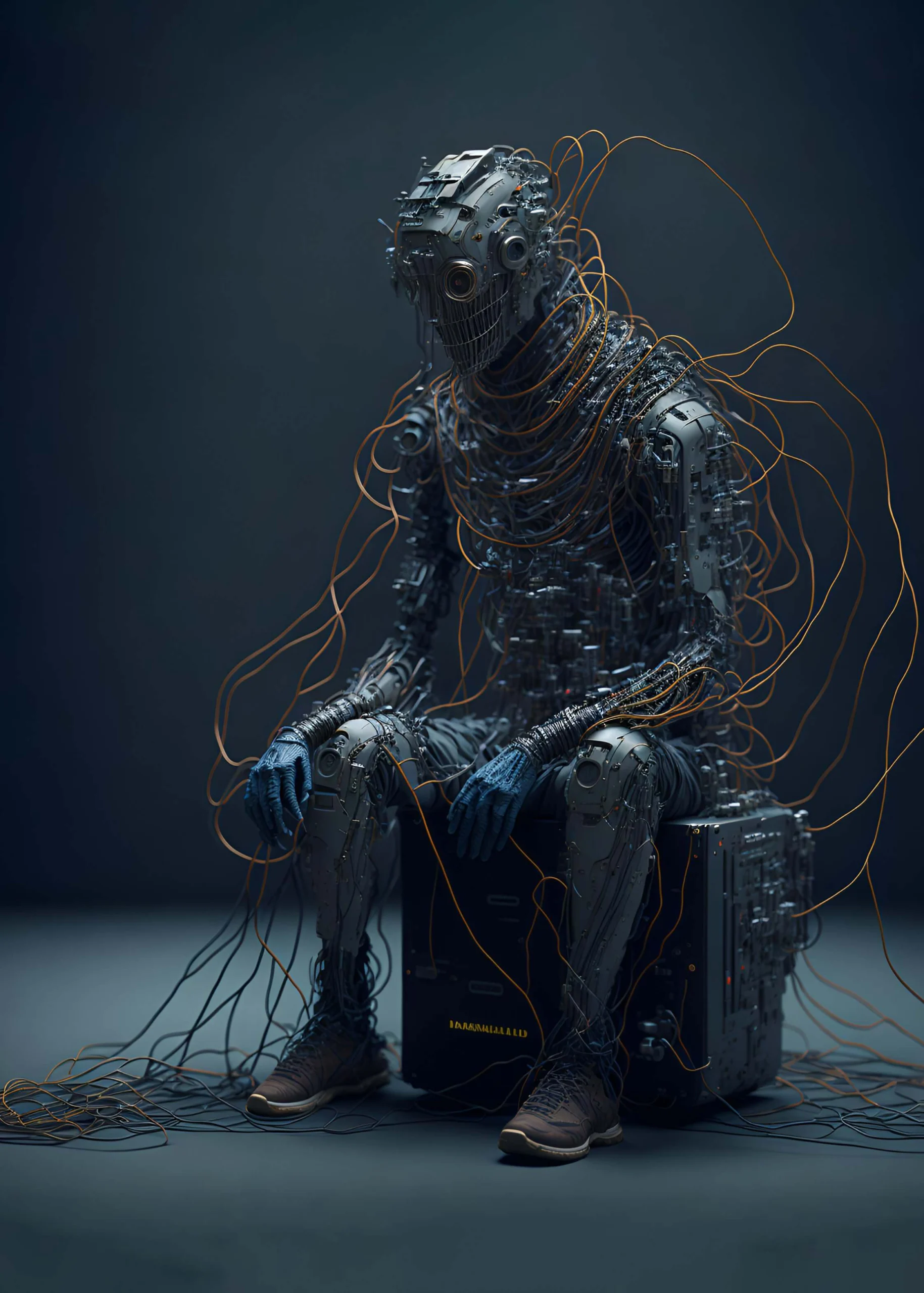
Imagine a future where the digital avatars arguing policy on your behalf not only possess minds but also wear faces brimming with personality, humor, and subtle emotional cues—would you trust them more than the politicians themselves? As digital democracy evolves, the anthropomorphization of technology introduces an intriguing and complex challenge: can infusing machines with humanlike traits foster genuine public engagement, or might it erode the very principles of transparent governance?
The Rise of Anthropomorphism in Digital Interfaces
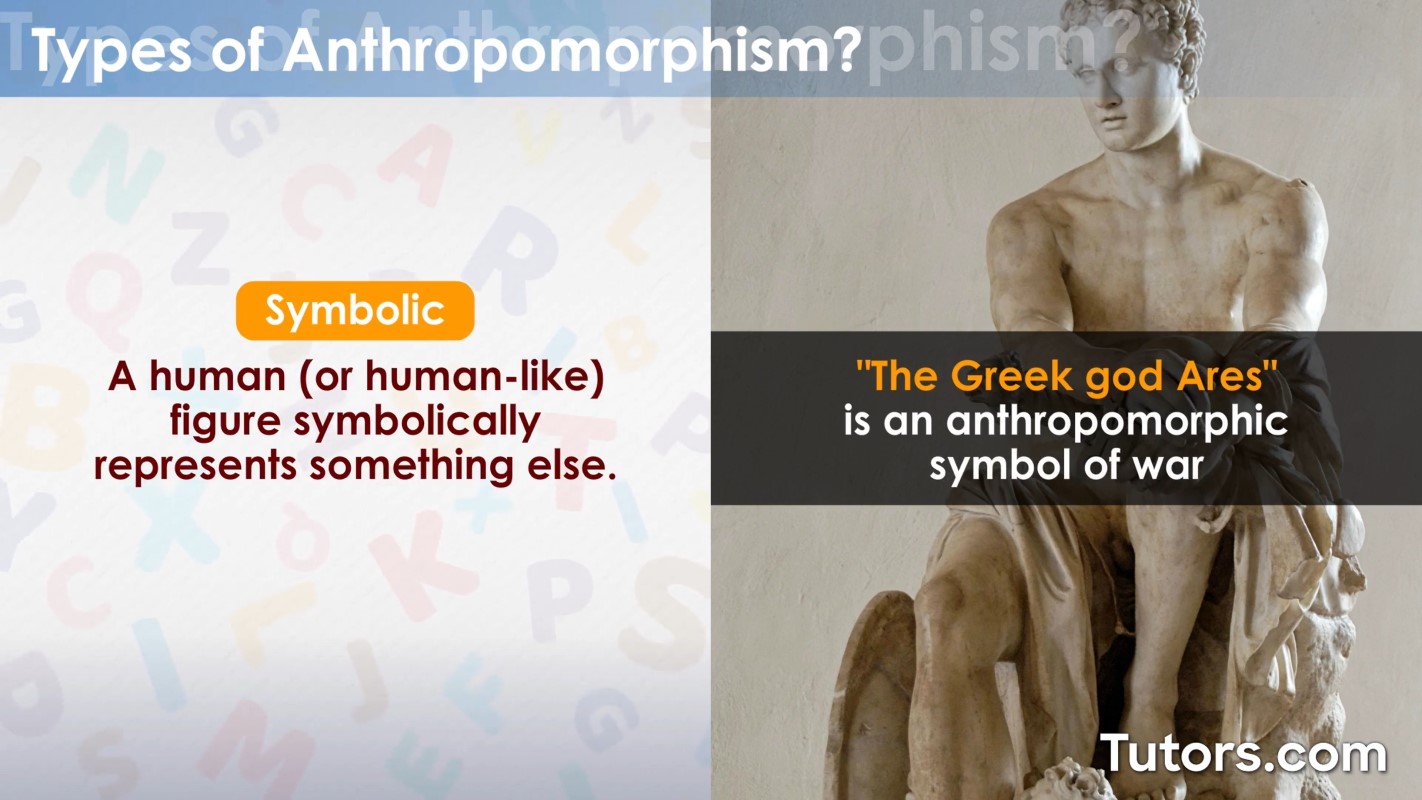
The gradual infusion of human characteristics into digital agents has transformed interactions in unexpected ways. From chatbots that greet users with empathy to virtual assistants sporting distinct personas, the veneer of personification has become a cornerstone of user engagement. This trend spills notably into the realm of digital democracy, where avatars and AI brokers mediate political discourse, voter education, and policy simulation. Anthropomorphism here extends beyond mere aesthetic – it shapes trust, relatability, and perceived authenticity. The subtle mimicry of human expressions and verbal idiosyncrasies invites users to connect on an emotional level, essential in fostering political participation, especially among younger, tech-savvy demographics.
Emotional Resonance as a Double-Edged Sword
When digital democratic platforms harness anthropomorphic elements, they tap into deep-rooted psychological mechanisms. Empathy, rapport, and social cues emerge from the interplay between human psychology and digital facades. Yet, this emotional resonance can blur critical boundaries. Are citizens engaging with a dispassionate algorithm skillfully dressed in emotive garb, or with an interlocutor of genuine democratic intent? The risk lies in manipulation masked as connection. Emotional appeals wield unparalleled power in politics; when algorithms capitalize on this, the line between encouragement and exploitation becomes dangerously thin. The challenge is to strike a balance where the humanlike presentation encourages informed participation without reducing civic engagement to mere emotional transactions.
Digital Clones and the Identity Dilemma
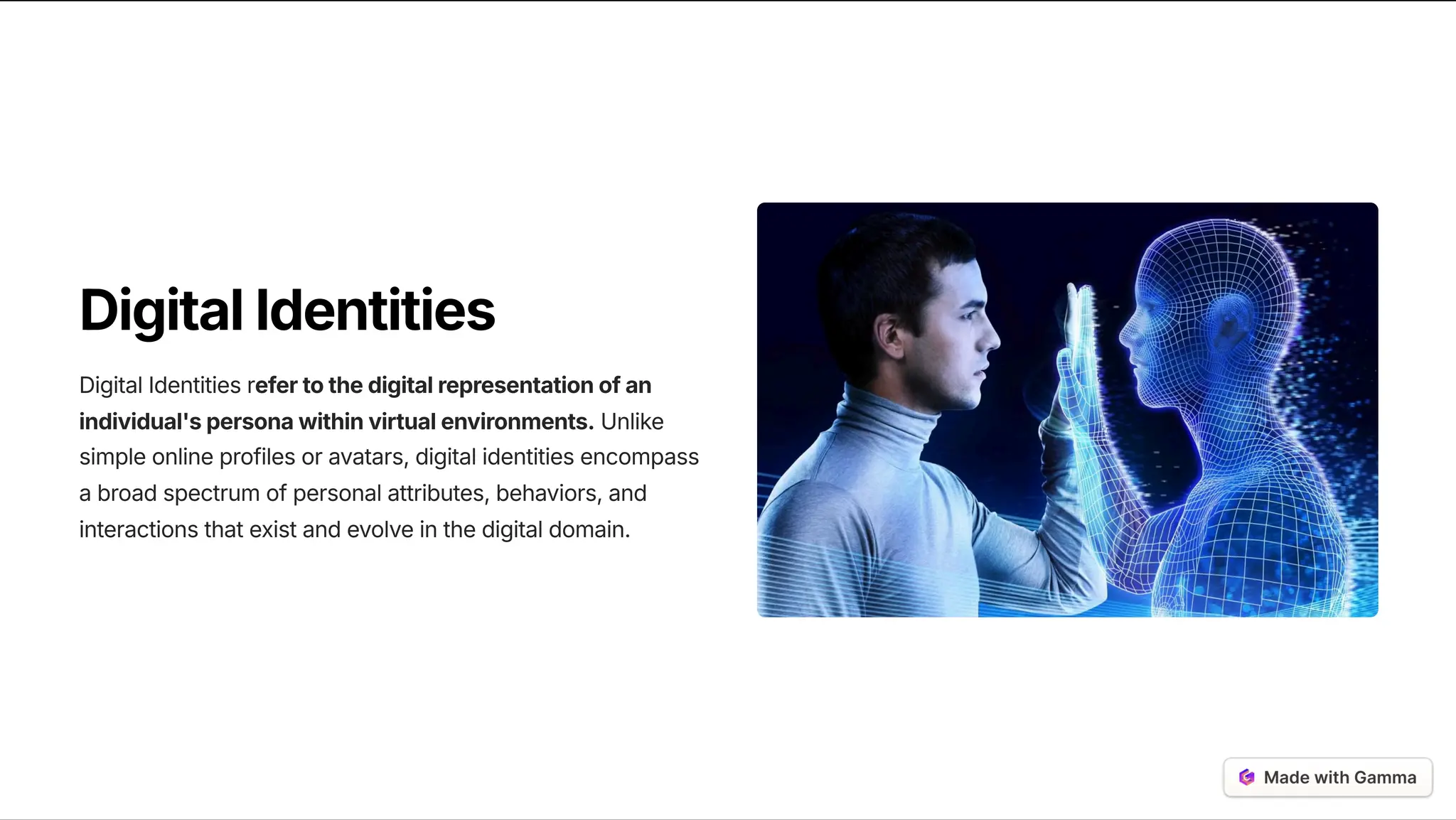
Progress in digital cloning—replicating voices, faces, and even mannerisms of public figures—ushers in a new paradigm. Imagine a virtual senator, whose lifelike avatar debates legislation, responds to constituents, and evolves through real-time data assimilation. This capability tantalizes with promises of accessibility and transparency but also spawns ethical quandaries. Identity authenticity may dilute when multiple digital facsimiles speak on behalf of a living official, potentially sowing confusion or distrust. Furthermore, if cloned digital personas begin to shape policy responses or simulate public opinion without oversight, the democratic process risks distortion. The inherent tension between authentic representation and synthetic replication becomes a focal point for future governance frameworks.
The Challenge of Algorithmic Bias and Its Anthropomorphic Facade
It is facile to assume that humanizing digital agents automatically leads to fairness or neutrality. However, underlying algorithms are subject to biases encoded by their creators or learned from historical data. Anthropomorphized interfaces can obscure these biases behind reassuring smiles or congenial tones. This presents a pernicious problem: when an algorithmic decision feels intuitively “human,” its caveats often go unchallenged. In digital democracy, where decisions affect fundamental rights and societal norms, such opacity can undermine accountability. Addressing this challenge demands rigorous transparency protocols, ensuring that the anthropomorphic shell does not mask systemic inequities ingrained within AI governance systems.
The Role of Digital Anthropomorphism in Fostering Civic Trust
Trust remains the linchpin of any democratic system, and digital democracy is no exception. Anthropomorphic design holds significant potential to nurture this trust by reducing technophobia and humanizing otherwise esoteric processes. Interactive digital avatars can demystify complex legislative language, offer personalized explanations, and simulate hypothetical outcomes in a digestible format. Such approaches transform passive observers into active participants, cultivating a sense of agency and communal belonging. Nevertheless, trust must be earned through consistent reliability and accountability rather than mere charm. The challenge is to ensure that anthropomorphic agents serve as transparent conduits of information, not seductive distractions from political substance.
Navigating the Ethical Landscape of Personified Political AI
As digital democracy embraces anthropomorphic innovation, ethical frameworks must evolve accordingly. Questions abound: Who controls the design and deployment of these digital personas? How can consent be managed when AI intermediaries act autonomously in the political arena? Furthermore, the possibility of impersonation or deepfake manipulation introduces grave threats to political stability. Guarding against these requires a multidisciplinary approach combining technological safeguards with legal oversight and public literacy initiatives. Ethical stewardship demands that anthropomorphic technologies augment democratic values without creating new vectors for misinformation, disenfranchisement, or digital authoritarianism.
Imagining the Future: Beyond Human Likeness to Symbiotic Collaboration
Ultimately, the future of anthropomorphism in digital democracy may transcend mere emulation of humanity. Instead, it might foster symbiotic partnerships where digital agents complement human judgment with unparalleled processing power and data analysis. By augmenting decision-making rather than replacing human agency, these digital citizens could catalyze deeper, more nuanced democratic deliberation. The playful question then becomes: if a digital avatar can argue both sides of a policy with equal passion and rigor, does it make the citizen more enlightened or simply more confused? Reconciling this paradox hinges on cultivating digital literacy and critical thinking, ensuring that anthropomorphic interfaces empower rather than obfuscate democratic participation.
As digital democracy continues its inexorable advance, anthropomorphism stands as both a beacon and a cautionary tale. Its promise to humanize, engage, and innovate is tempered by profound challenges related to authenticity, bias, and ethical governance. Resolving these tensions will shape not only the future of technology but the very fabric of democratic life itself.