The intersection of marketing, psychology, and ethics manifests vividly in the burgeoning practice of anthropomorphism in food labeling. This approach, which imbues food products with human-like traits or emotions, is increasingly prevalent across global markets, arousing both intrigue and ethical scrutiny. As consumers become more discerning and the competitive forces in the food industry intensify, anthropomorphic imagery and language on packaging play a pivotal role in shaping perceptions, evoking empathy, and driving purchasing decisions. However, beneath this seemingly benign marketing technique lies a complex web of ethical considerations that demand thorough examination.
The Concept and Evolution of Anthropomorphism in Food Labeling
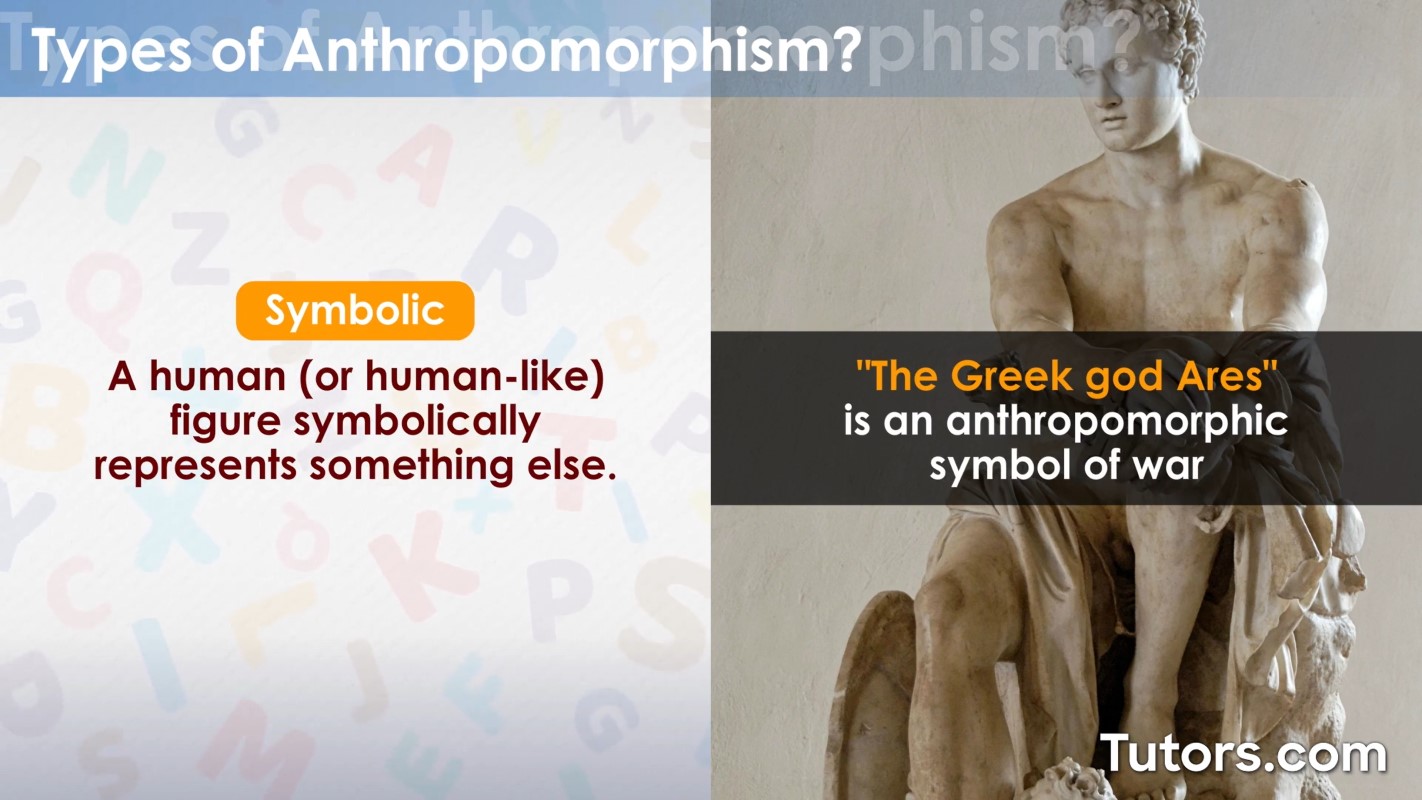
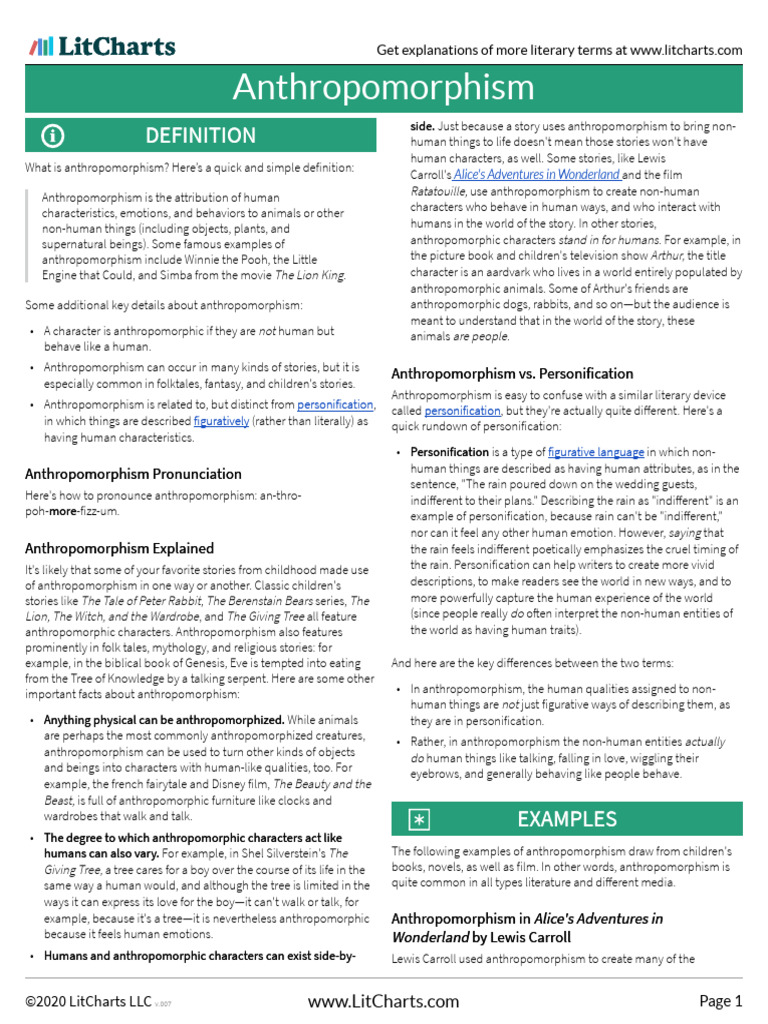
Anthropomorphism, the attribution of human characteristics to non-human entities, has long been a staple in storytelling and branding. In the context of food labeling, it manifests through mascots, faces on packaging, emotive descriptors, or narratives that create an anthropocentric rapport with consumers. This technique has evolved from simple cartoon figures aimed at children to sophisticated strategies that play on psychological triggers, such as trust, nostalgia, and morality. The contemporary food landscape leverages anthropomorphism not only as a visual tool but also through linguistic devices that personify products to deepen consumer engagement and differentiation.
Psychological Implications and Consumer Perception
The psychology underpinning anthropomorphic food labeling is grounded in humans’ innate tendency to relate to familiar social cues. When a product’s packaging bears a smiling fruit or a sentient vegetable with expressive eyes, it transcends its inanimate essence, evoking empathy and emotional attachment. These anthropomorphic cues can significantly influence consumers’ willingness to purchase, their taste expectations, and even their perceived healthiness of the product.

However, this psychological impact is ambivalent. While anthropomorphism can enhance brand loyalty, it may also skew judgment, leading consumers to overlook factual information or misinterpret product attributes. For instance, a meat substitute labeled with a friendly animal mascot may soften opposition to its consumption but can simultaneously engender confusion regarding the ethical dimensions of meat production and animal welfare.
Ethical Challenges Surrounding Anthropomorphic Representations
The ethical ramifications of anthropomorphism in food labeling span moral, cultural, and cognitive dimensions. Morally, the practice raises concerns about manipulation. By endowing food products with human-like features, marketers potentially exploit consumers’ emotional vulnerabilities, which can be particularly problematic when targeting children or vulnerable populations. The blurred line between playful engagement and deceptive persuasion warrants critical attention.
Cultural sensitivities further complicate the ethical landscape. In some societies, anthropomorphizing certain foods or animals may be considered disrespectful or taboo, potentially alienating target demographics and undermining cultural values. Ethically responsible labeling must therefore consider cross-cultural perceptions and avoid inadvertent offense or misinterpretation.
Cognitively, anthropomorphic labeling can undermine informed decision-making. It may encourage heuristic processing—where consumers rely on emotional shortcuts rather than critical evaluation—thus impairing their ability to assess nutritional content, sustainability claims, or health implications accurately. The ethical obligation to promote transparency and honesty in food marketing is challenged by this dynamic.
Anthropomorphism and Animal Welfare Discourse
One of the most contentious arenas for anthropomorphic food labeling is how it intersects with animal welfare narratives. The use of anthropomorphic imagery in promoting meat or dairy products often paradoxically diminishes the recognition of animal sentience and ethical concerns associated with their production. Conversely, plant-based or lab-grown alternatives might employ anthropomorphism to foster consumer empathy and moral alignment with animal welfare values.
This dual-edged phenomenon has profound ethical significance, as it both influences public discourse and consumer identity formation regarding food ethics. The anthropomorphic portrayal of animals as lovable or relatable beings can amplify calls for humane treatment but can also be instrumentalized to obscure exploitative practices. Therefore, the ethical responsibility lies in ensuring that anthropomorphism enriches, rather than trivializes, considerations of animal rights and ecological sustainability.
Regulatory Landscape and the Imperatives for Transparency
The regulatory framework governing food labeling is increasingly attentive to the implications of anthropomorphism but remains inconsistent across jurisdictions. Some regions have begun to implement guidelines that restrict misleading imagery or require disclaimers clarifying the nature of the product. However, much of the current legislation struggles to keep pace with the nuanced psychological effects anthropomorphic labeling exerts.
Transparency emerges as a cardinal principle in navigating these challenges. Ethically sound anthropomorphic labeling should complement, not mask, essential information regarding ingredients, allergen content, nutritional facts, and ethical sourcing. The onus is on regulatory bodies to enforce standards that balance creativity with consumer protection, ensuring that anthropomorphic designs are not vehicles for misrepresentation or latent bias.
Anthropomorphism in Sustainable and Ethical Food Marketing
Beyond its commercial utility, anthropomorphism has a pivotal role in advancing sustainable and ethical food consumption. When leveraged responsibly, anthropomorphic elements can humanize environmental concerns and inspire collective action. For example, packaging that personifies fruits or vegetables encouraging reduced food waste or highlighting fair trade practices can foster deeper emotional investment in sustainability.
Nonetheless, the effectiveness of this approach hinges on authenticity. Anthropomorphism divorced from verifiable ethical commitments risks superficial “greenwashing,” thereby eroding consumer trust. The ethical mandate is clear: anthropomorphic marketing should align with genuine sustainability efforts, cultivating long-term behavioral change rather than fleeting consumer sentiment.
Future Directions and Ethical Best Practices
The trajectory of anthropomorphic food labeling will likely intensify with advancements in technology like augmented reality and personalized marketing. These innovations promise immersive, emotionally resonant experiences but simultaneously amplify ethical complexities related to manipulation and consent.
Best practices for ethical anthropomorphism in food labeling advocate for prioritizing consumer autonomy, cultural respect, and transparent communication. Marketers and policymakers alike must collaborate to establish frameworks that safeguard against exploitative tactics while nurturing the positive potential of anthropomorphism to educate, inspire, and humanize the food system.
In summation, the ethics of anthropomorphism in food labeling are multifaceted and evolving. Navigating this landscape requires nuanced understanding and deliberate stewardship to ensure that anthropomorphic strategies honor both consumer agency and societal values.