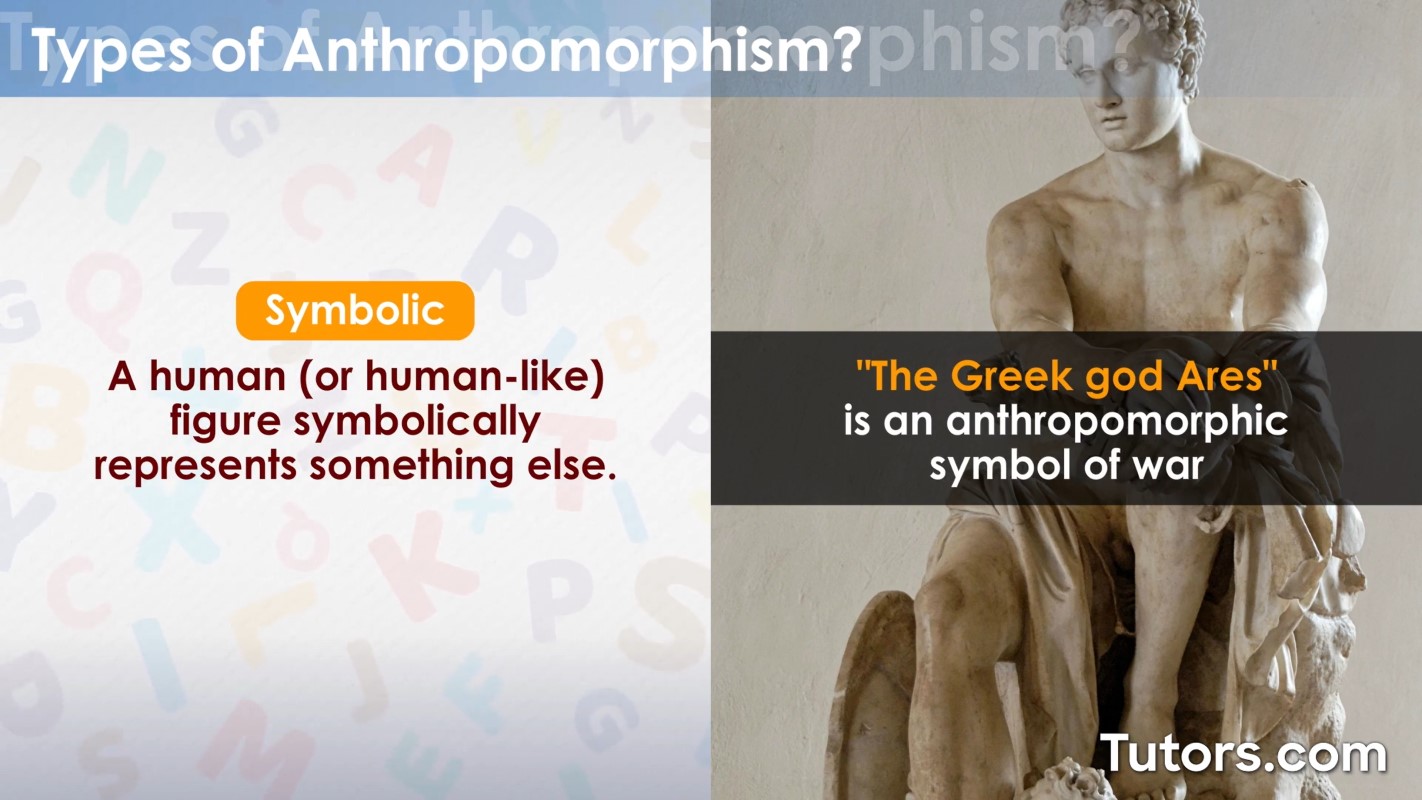
From ancient myths personifying the forces of nature to contemporary AI systems endowed with seemingly human traits, anthropomorphism has long captivated the human psyche. This phenomenon, whereby humans attribute human-like qualities to non-human entities, is more than just a curious quirk; it is deeply entwined with how we perceive, interpret, and navigate the social world. The impact of anthropomorphism on social cognition reverberates across diverse domains, revealing a profound interplay between our intrinsic need for connection and the cognitive frameworks through which we understand others. What fuels this pervasive inclination? How does it shape our interactions, beliefs, and even ethical considerations? Exploring these questions illuminates the nuances of social cognition and the subtle ways anthropomorphism molds our engagement with the world around us.
The Universal Tendency to Anthropomorphize
One of the most conspicuous aspects of human cognition is the almost universal tendency to see ourselves in the inanimate or non-human. From seeing faces in clouds to attributing intentions to mechanical devices, this tendency stems from an innate propensity to interpret ambiguous stimuli through a socially tuned lens. This bias is not merely a whimsical fancy; it is rooted in evolutionary advantages, whereby recognizing agency and intentionality in the environment often meant distinguishing friend from foe or identifying opportunities for social bonding. The cognitive affordance of anthropomorphism thus provides a heuristic shortcut, simplifying the complex external world into familiar patterns of social interaction. It bridges the gap between self and other, fostering empathy and comprehension even when confronted with entities fundamentally different from ourselves.
Anthropomorphism as a Scaffold for Social Cognition
At the core of social cognition lies the ability to infer mental states, emotions, and intentions of others—a capacity known as theory of mind. Anthropomorphism extends this framework to non-human agents, enabling individuals to employ social cognitive processes beyond biological boundaries. By projecting human traits such as feelings, desires, and beliefs onto objects, animals, or machines, people essentially scaffold their interpretive skills onto these entities, enriching their experience and interaction with them. This extension of social cognition has practical repercussions: it shapes how people learn from and collaborate with artificial agents, pets, or even natural phenomena. Yet, this scaffolding is double-edged. While it enhances relational understanding, it can also distort reality, leading to misconceptions or misplaced trust in agents that lack genuine consciousness or intent.

Psychological Underpinnings of Anthropomorphic Fascination
The allure of anthropomorphism is deeply embedded within the psychological fabric of human beings. At its foundation lies the existential quest for social connection and meaning. In environments where social interactions are sparse or ambiguous, attributing human qualities to non-human entities satiates the innate drive for companionship. This phenomenon also intersects with cognitive phenomena such as agency detection and pattern recognition, which are finely tuned to err on the side of over-attribution—better to assume agency where none exists than to overlook potential intentional agents. Moreover, anthropomorphism may serve as an emotional regulation mechanism, whereby individuals find comfort and reassurance in the perception of understanding and reciprocal interaction, even with ontologically disparate entities.
Implications for Human-Robot Interaction and Artificial Intelligence
In the rapidly evolving interface between humans and technology, anthropomorphism assumes new significance. Social robots and AI systems designed with human-like attributes capitalize on our proclivity to anthropomorphize, thereby facilitating more intuitive and effective interaction. The embedding of anthropomorphic cues—such as facial expressions, voice inflections, or gestures—engages the social cognitive apparatus, enhancing user trust, empathy, and cooperation. However, this dynamic also raises critical ethical and psychological considerations. The illusion of sentience or emotional reciprocity may engender unrealistic expectations or emotional attachments, complicating user autonomy and decision-making. Furthermore, the anthropomorphized framing of AI influences societal attitudes toward technology’s role and responsibility, with profound implications for governance and social norms.
Anthropomorphism’s Role in Comparative Cognition and Scientific Understanding
Anthropomorphism profoundly influences how scientists and laypeople interpret animal behavior and cognitive capacities. The attribution of human-like emotions or intentions to animals has shaped research directions and public perceptions alike. While cautious anthropomorphism can be a heuristic in formulating hypotheses, uncritical projection risks anthropocentric bias, clouding objective understanding. Nevertheless, recognizing commonalities in social cognition across species illuminates evolutionary continuities, validating the use of anthropomorphic frameworks within comparative cognition. This dialectic reflects the tension between empathy-driven interpretation and rigorous scientific methodology, underscoring the nuanced role anthropomorphism plays in advancing knowledge.
Challenges and Nuances: Avoiding the Pitfalls of Oversimplification
Despite its enabling functions, anthropomorphism can obscure the complexity and distinctiveness of non-human agents. Over-anthropomorphizing may lead to distorted perceptions, such as ascribing moral intentions to natural events or overestimating the capabilities of machines and animals. This has practical consequences, from misplaced emotional investment to ethical dilemmas around responsibility and agency. Navigating these challenges requires a delicate balance—acknowledging the human propensity for anthropomorphism while cultivating critical awareness and contextual sensitivity. Education plays a pivotal role in equipping individuals with the cognitive tools to discern when anthropomorphic interpretations illuminate and when they mislead.
The Enduring Fascination with the Human-like
Ultimately, anthropomorphism reflects a profound aspect of the human condition: a ceaseless fascination with the human-like. It reveals not only how we seek to understand the world but also how we understand ourselves through others—whether flesh-and-blood beings or enigmatic reflections in the mirror of cognition. This fascination is a mirror of our desire for connection, comprehension, and meaning that transcends the boundaries of species and substance. It is a testament to the social brain’s remarkable plasticity and the enduring power of narrative in shaping human experience.