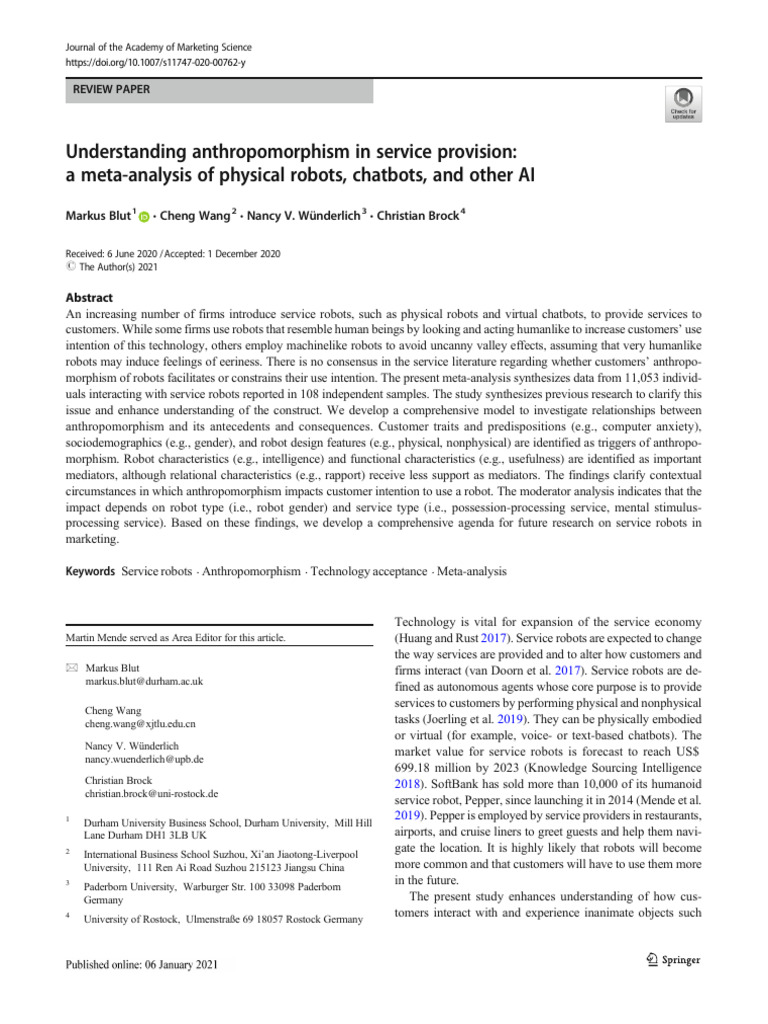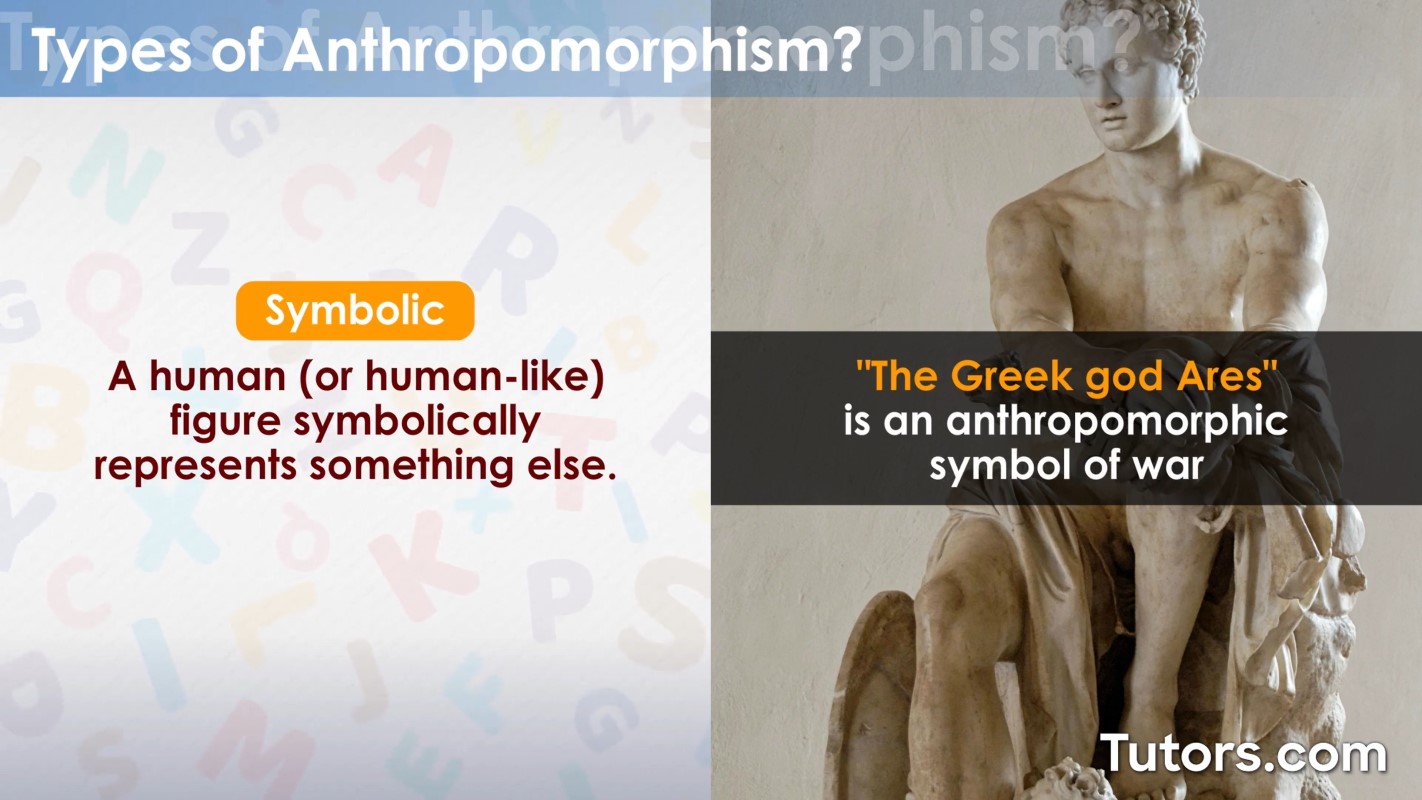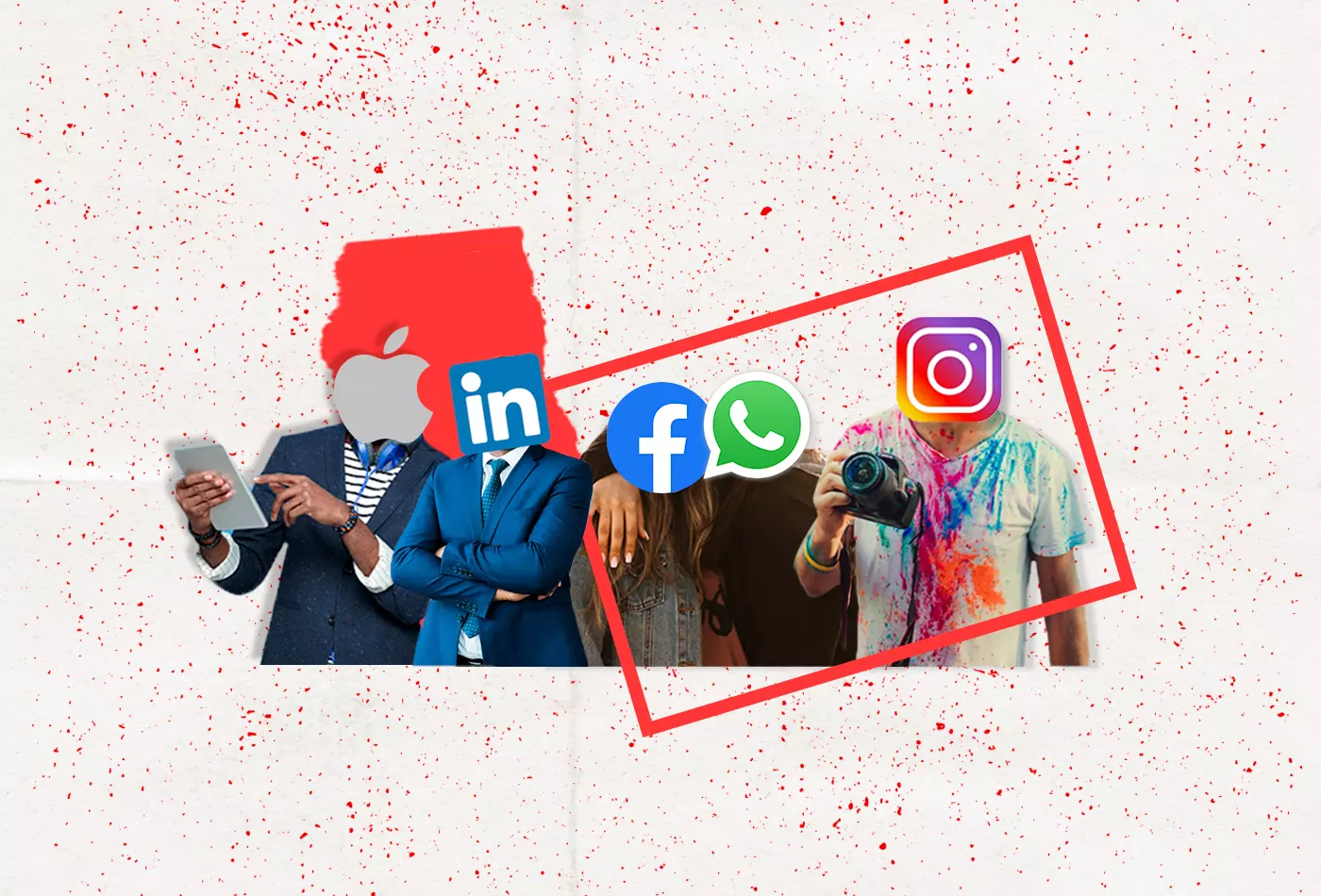
In the swirling vortex of social media, where content battles for fleeting attention and genuine connection often feels elusive, a peculiar phenomenon captivates audiences worldwide: anthropomorphism. This timeless human tendency to attribute human traits to animals, objects, or abstract concepts manifests profoundly in the digital sphere, subtly shaping how users interact with content and brands. Though seemingly innocuous at first glance, anthropomorphism on social media reveals deeper psychological undercurrents—unveiling not just how engagement proliferates, but why we remain perpetually fascinated by the human-like qualities we project onto the non-human.
The Ubiquity of Anthropomorphism in Social Media Landscapes
Social media platforms teem with examples of anthropomorphism, from playful emojis and animated brand mascots to personified product designs and viral videos featuring talking animals or inanimate objects expressing emotion. This anthropological lens into digital interaction frames a common observation: users intuitively gravitate toward content that seemingly “speaks their language.” The habit of humanizing the otherwise impersonal breeds a sense of familiarity and relatability, transforming mundane posts into compelling narratives. Such phenomena underscore not only a pattern of preference but a mechanism by which social media ecosystems cultivate emotional resonance.
Psychological Foundations: Why Humans Personify the Non-Human
The proclivity to anthropomorphize stretches far beyond social media, rooted deeply in cognitive and social psychology. Humans are inherently wired for social connection; our brains thrive on recognizing faces, interpreting emotional cues, and engaging in empathetic exchange. When confronted with ambiguity or unfamiliar stimuli—be it a chatbot, a virtual assistant, or a branded character—attributing human qualities becomes a cognitive shortcut that imbues meaning and fosters engagement. This attribution helps bridge the gap between isolation and connection, offering psychological comfort and enhancing the perceived value of interaction.
Enhancing Emotional Engagement Through Anthropomorphic Content
Emotional engagement remains the lifeblood of successful social media campaigns. Anthropomorphism acts as a catalyst, imbuing content with warmth, humor, and personality. By envisioning products, brands, or concepts as entities with human feelings or intentions, audiences develop empathy and attachment. This dynamic transcends traditional marketing; it transforms passive consumption into active participation. Users respond more enthusiastically to anthropomorphic characters, sharing and commenting with greater frequency, which amplifies reach and fosters a communal experience around otherwise transactional content.
Anthropomorphism as a Strategic Brand Tool
Brands increasingly leverage anthropomorphism to carve distinctive identities in saturated digital markets. Through animated spokescharacters, brand mascots, and storytelling that personifies corporate values, companies humanize their interactions, making them more approachable. This strategic deployment capitalizes on the natural human affinity for social connection, allowing brands to craft narratives that resonate authentically. Moreover, anthropomorphic branding can soften perceptions of corporate facelessness, build trust, and differentiate products through personality-driven storytelling—thus engendering long-term loyalty beyond mere product utility.
The Role of Linguistic and Visual Cues in Cultivating Personification
Successful anthropomorphism hinges on subtle linguistic and visual elements embedded within social media content. Voice tone, emotive language, and conversational syntax invite users to perceive messages as coming from a ‘person’ rather than a sterile source. Visually, expressive imagery—such as animated eyes, gestures, or human-like postures—amplifies this effect. The sophisticated interplay of these cues creates a layered experience that stimulates imagination and emotional cognition. Such multidimensional personification draws users deeper into the narrative, making interactions feel less transactional and more intuitive.
Anthropomorphism and the Evolution of Digital Sociality
As social media platforms evolve, so too does the complexity of anthropomorphic engagement. Emerging technologies like AI-driven chatbots, virtual influencers, and augmented reality expand possibilities for nuanced personification. These innovations blur the lines between human and machine interaction, cultivating new paradigms of digital sociality. Users develop relationships with digital personas that adapt dynamically—offering personalized exchanges, exhibiting emotional intelligence, and responding empathically. This evolution signals a tectonic shift in how communities form and sustain on social media, privileging anthropomorphic interaction as a bridge between technology and humanity.
Potential Pitfalls: Navigating the Fine Line Between Engagement and Manipulation
Despite its advantages, anthropomorphism on social media carries inherent risks. When employed excessively or disingenuously, it can provoke skepticism, triggering users to question authenticity or manipulate emotions artificially. Additionally, simplistic humanization may obscure complex realities—such as corporate practices or technological limitations—potentially fostering misplaced trust. As users grow savvier, a delicate equilibrium emerges: leveraging anthropomorphic appeal while maintaining transparency and ethical responsibility. Navigating this tension is paramount for sustaining credibility in an environment rife with misinformation and emotional exploitation.
The Enduring Fascination: A Mirror of Human Nature
Ultimately, the deep-seated allure of anthropomorphism on social media echoes a primal aspect of human nature. This fascination is both a mirror and a motivator: reflecting our inherent desire for connection, narrative meaning, and emotional understanding, while propelling engagement across digital interfaces. By projecting ourselves onto content and brands, we create shared spaces that transcend the technical and mechanical. Anthropomorphism invites us to inhabit experiences collectively, forging bonds that are as intimate as they are ephemeral. In this light, social media becomes not just a platform for communication but a canvas for human imagination and empathy to flourish.