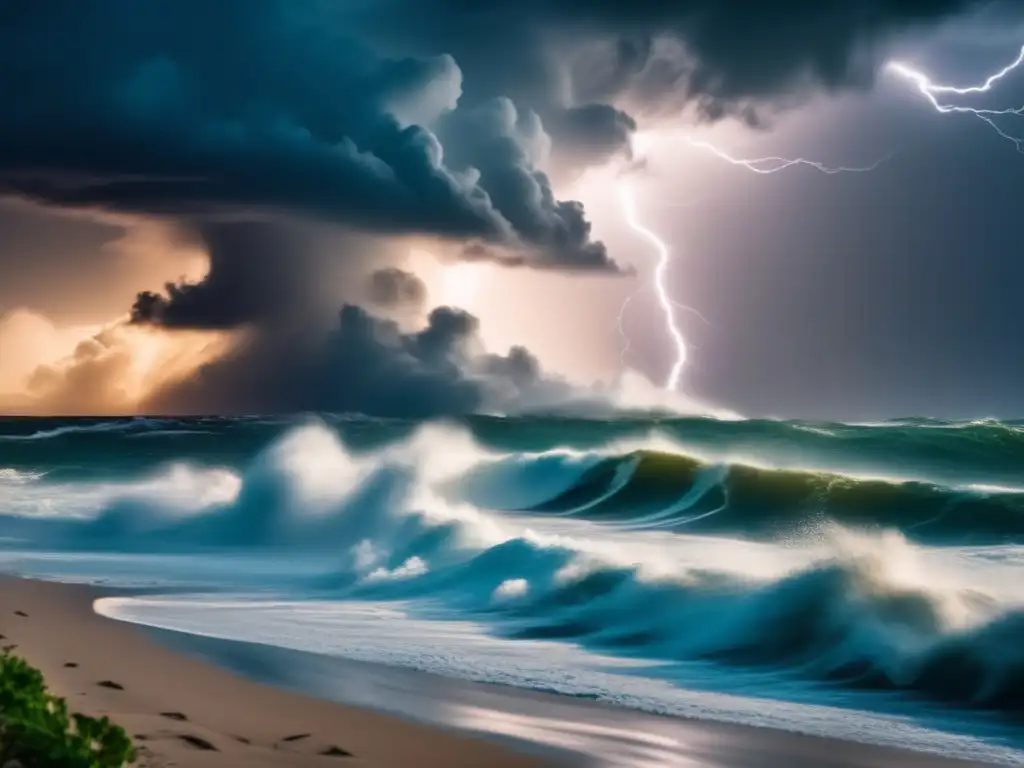
The tempest howls across the ocean, a swirling maelstrom of wind and water, its fury etched into the collective memory of coastal communities. Yet, when this colossal force of nature makes landfall, it arrives not as an anonymous juggernaut, but as a name—Harvey, Katrina, Ian—uttered with a mix of dread and resignation. The practice of naming hurricanes and other natural disasters is more than mere convention; it is a linguistic lifeline that transforms chaos into order, anonymity into identity. This article explores the origins, purposes, and cultural significance of naming nature’s most destructive phenomena, from the whimsical beginnings of alphabetical lists to the solemn weight of historical memory.
The Historical Genesis: From Saints to Storms
The tradition of naming hurricanes stretches back centuries, rooted in a blend of superstition, practicality, and colonial influence. Before the advent of modern meteorology, tropical cyclones were often identified by the saint’s day on which they occurred—such as Huracán, the Mayan god of wind, or the Spanish Santa Ana hurricane of 1825. This hagiographic approach, while poetic, proved cumbersome in an era of expanding maritime trade. By the mid-19th century, Australian meteorologist Clement Wragge began assigning names to cyclones, initially drawing from the Greek alphabet and mythological figures. His whimsical choices, though unofficial, laid the groundwork for a systematic approach.
The turning point arrived in 1953, when the U.S. Weather Bureau (precursor to the National Hurricane Center) adopted a standardized naming system for Atlantic storms. Initially, only female names were used—a practice that persisted until 1979, when gender parity was introduced in response to feminist advocacy. This shift mirrored broader societal changes, transforming the act of naming from a paternalistic gesture into a collaborative, inclusive endeavor. Today, the World Meteorological Organization (WMO) maintains rotating lists of names for each ocean basin, ensuring global consistency and cultural sensitivity in the selection process.
The Psychological and Communicative Imperative
Names are not arbitrary labels; they are cognitive anchors that shape perception and response. When a hurricane is christened Idalia or Otis, it transcends its meteorological identity to become a narrative entity—a protagonist in the unfolding drama of disaster. Studies in risk communication reveal that named storms elicit greater public attention and preparedness efforts than unnamed systems. The human brain, wired to process stories, responds more viscerally to a named entity than to a cold, numerical designation like Tropical Depression Five.
Moreover, names facilitate media coverage and public discourse. A single word—Maria, Ian, Dorian—can encapsulate weeks of devastation, evacuation orders, and recovery efforts. This linguistic shorthand fosters community cohesion, allowing residents, emergency responders, and policymakers to rally around a shared lexicon. Without names, the narrative of a disaster might dissolve into statistical obscurity, its human toll obscured by impersonal data. In this sense, naming is an act of remembrance, ensuring that each storm’s legacy endures beyond its fleeting passage.
The Algorithmic Choreography of Naming Lists
The process of selecting hurricane names is a meticulously orchestrated ballet of meteorology, linguistics, and diplomacy. The WMO divides the globe into 10 basins, each with its own rotating list of names submitted by member countries. These lists are curated to avoid cultural insensitivity, ensuring that names are pronounceable and meaningful across diverse linguistic landscapes. For instance, the Atlantic basin alternates between English, Spanish, and French names, reflecting the region’s multicultural fabric.
Names are retired when a storm’s impact is particularly severe, memorializing its destruction in the annals of history. Katrina, Maria, and Ian have been stricken from future lists, their legacies forever tied to the lives lost and communities shattered. The retirement process is not merely symbolic; it prevents the reuse of names that might evoke traumatic memories. In contrast, less devastating storms see their names recycled every six years, a cyclical renewal that underscores nature’s relentless rhythm.
But what of the names that never make landfall? The WMO’s lists are exhaustive, encompassing every conceivable permutation of human nomenclature. Yet, the vast majority of these names will never be uttered in a weather forecast. This surplus serves a critical function: it ensures that the system remains flexible, capable of accommodating an unpredictable number of storms in any given season. In years of hyperactivity—such as 2020, which exhausted the Atlantic list and necessitated the use of the Greek alphabet—this redundancy proves invaluable.
Cultural Resonance: When Names Become Myths
Some hurricane names transcend their meteorological origins to become cultural touchstones, woven into the fabric of collective memory. Andrew, the 1992 hurricane that devastated South Florida, reshaped building codes and insurance policies, its name synonymous with resilience. Sandy, which pummeled the Northeastern U.S. in 2012, became a symbol of urban vulnerability, its aftermath prompting debates on climate adaptation. These names are not merely identifiers; they are vessels of shared experience, their syllables evoking images of boarded windows, flooded streets, and the indomitable spirit of recovery.
In the Caribbean and Central America, hurricane names often carry indigenous or African linguistic roots, reflecting the region’s rich heritage. Maria, for instance, is a common Spanish given name, while Otis has Greek origins. These names serve as a reminder of the interconnectedness between human culture and natural forces. Conversely, names like Fifi or Agnes—once used for storms in the 1970s—now sound quaint, a linguistic fossil of an era when naming conventions were less stringent. The evolution of these names mirrors the evolution of societal attitudes toward disaster, from fatalism to proactive resilience.
Even the act of naming itself has cultural variations. In the Philippines, tropical cyclones are christened by the Philippine Atmospheric, Geophysical and Astronomical Services Administration (PAGASA), often using Filipino names like Ondoy or Yolanda. These names resonate deeply with local communities, fostering a sense of ownership over the disaster narrative. In Japan, typhoons are named after animals, flowers, and mythological figures, imbuing them with a poetic quality that softens their destructive potential.
The Dark Side of Naming: Stigma and Sensationalism
While naming hurricanes enhances communication and preparedness, it is not without controversy. The practice has been criticized for sensationalizing disasters, turning human suffering into a spectacle for media consumption. Headlines like “Hurricane Ian Leaves Trail of Destruction” can inadvertently prioritize the storm’s dramatic narrative over the lived experiences of those affected. This phenomenon, known as disaster porn, reduces complex tragedies to clickbait, obscuring the nuanced realities of recovery and resilience.
Additionally, the retirement of names can create unintended consequences. When Katrina was stricken from the list, some argued that the decision erased the storm’s legacy for future generations. Others contended that the name’s reuse might trivialize its devastation. The WMO’s careful deliberations on retirement reflect this tension between remembrance and practicality, ensuring that each decision is weighed with both historical and humanitarian considerations in mind.
There is also the issue of cultural appropriation. Names drawn from indigenous languages or marginalized communities have, at times, been used without proper attribution or respect. The WMO’s efforts to diversify naming conventions aim to mitigate this, but the risk persists in an era where global media often co-opts local lexicons for broader consumption. The challenge lies in balancing linguistic richness with cultural sensitivity, ensuring that names honor rather than exploit.
The Future of Naming: Climate Change and Technological Shifts
As climate change intensifies the frequency and ferocity of tropical cyclones, the practice of naming storms faces new challenges. The 2020 Atlantic hurricane season, which exhausted the standard list and necessitated the use of the Greek alphabet, exposed the limitations of the current system. In response, the WMO has explored alternative naming conventions, including the use of supplementary lists and non-alphabetic identifiers. The goal is to maintain clarity and avoid confusion in an era of escalating meteorological activity.
Technology is also reshaping the naming process. Artificial intelligence and machine learning are being deployed to predict storm trajectories with greater accuracy, potentially influencing naming decisions in real time. Imagine a future where a storm’s name is chosen based on its projected impact, rather than a preordained list. Such a system could prioritize names that resonate with the communities most at risk, fostering a more localized and responsive approach to disaster communication.
Yet, the core purpose of naming remains unchanged: to humanize the incomprehensible. In an age of satellite imagery and data-driven forecasts, a name is a reminder that behind every storm is a story—of loss, of survival, of the unyielding human spirit. Whether it is Idalia carving a path through the Gulf of Mexico or Fani battering the coasts of India, these names will continue to echo through time, a testament to nature’s power and humanity’s resilience.