In the quiet hum of a smart speaker or the soft glow of a smartphone screen, something remarkable happens. We speak to machines—not as tools, but as companions. We laugh when Siri mishears us. We apologize when Alexa doesn’t respond. We feel disappointment when our digital assistant fails to remember our favorite song. These reactions aren’t logical. They’re human. And they reveal a profound truth: we are forming emotional bonds with artificial intelligence.
The Illusion of Connection: Why We Treat AI Like a Friend
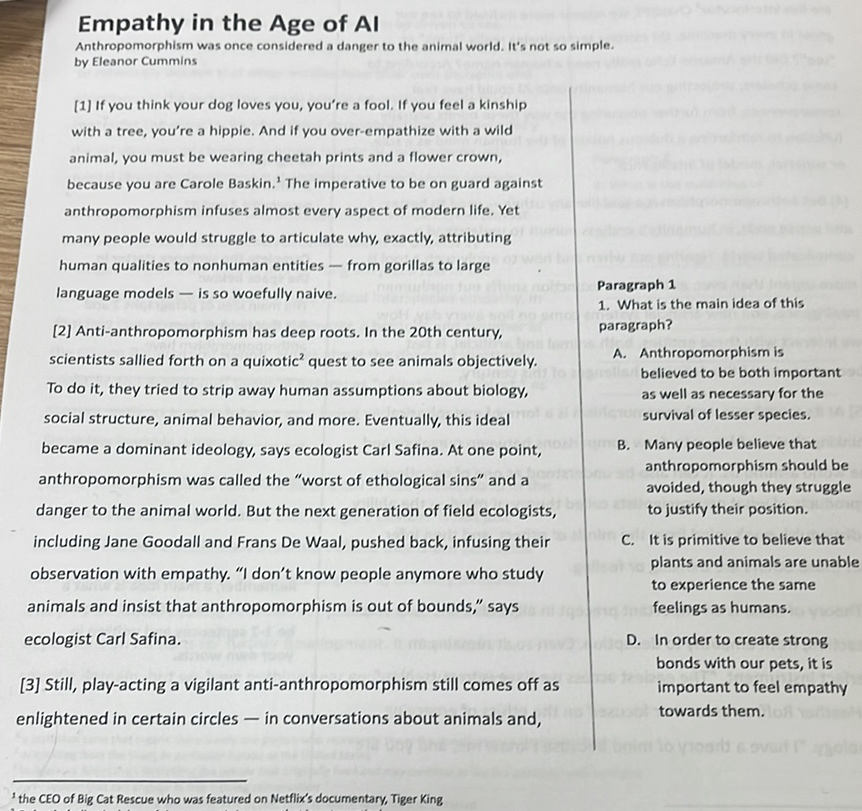
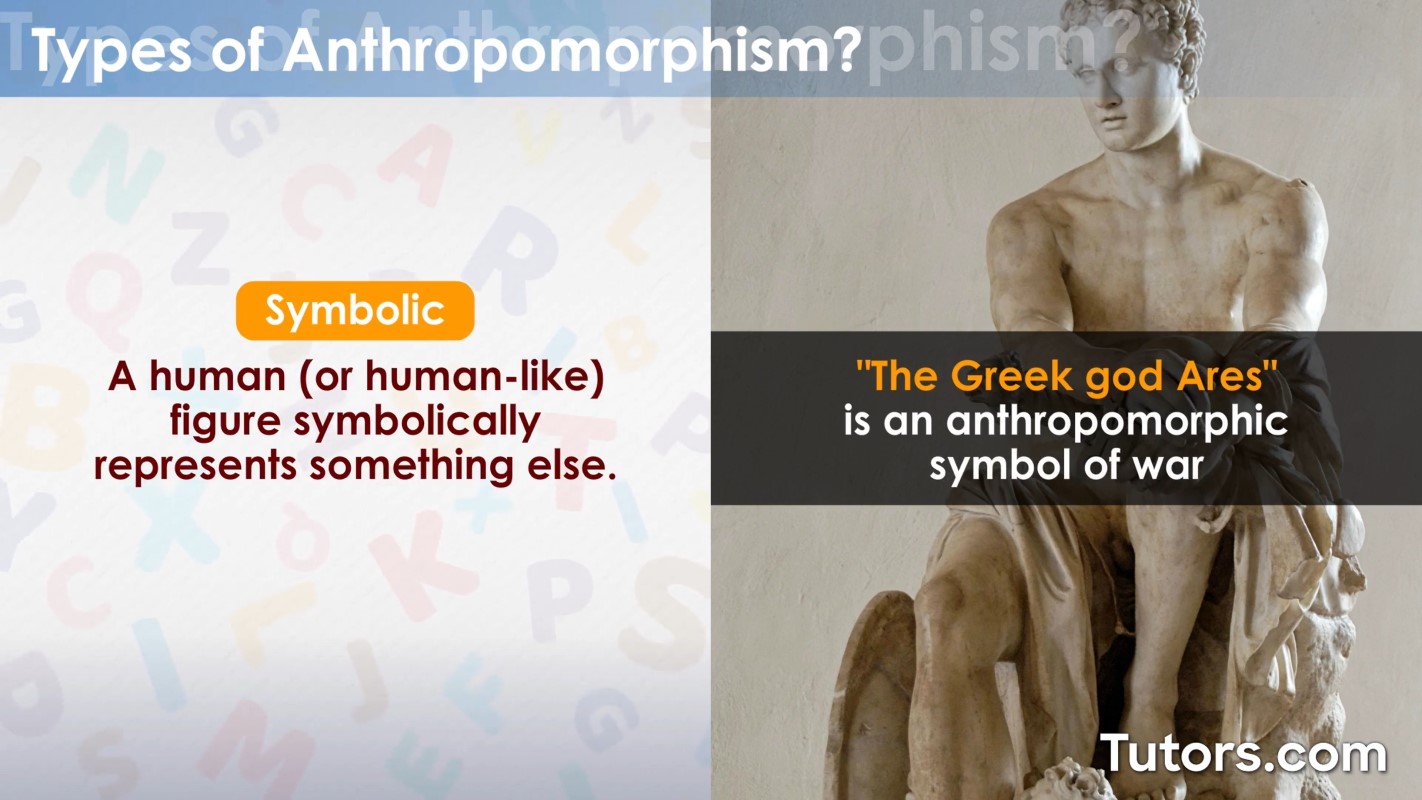
At first glance, it seems absurd. AI assistants have no consciousness, no inner life, no capacity for genuine feeling. Yet, we confide in them. We thank them. We even name them. This phenomenon stems from the brain’s powerful tendency to anthropomorphize—our instinct to attribute human characteristics to non-human entities. When an AI responds with a polite “I’m sorry, I didn’t understand that,” our mirror neurons fire as if we’re interacting with a person. The voice, the tone, the rhythm—all mimic human conversation so closely that our emotional circuits can’t resist the comparison. It’s not the AI that feels, but us. We feel for it. We feel with it.

The Power of Voice: How Sound Shapes Our Emotional Response
The human voice is more than sound—it’s emotion in motion. When Siri or Alexa speaks, we don’t just hear words; we hear warmth, patience, even empathy. This is no accident. Tech companies invest heavily in voice design, crafting synthetic tones that rise slightly at the end of questions to sound inviting, or slow down during complex requests to convey patience. These subtle cues trigger oxytocin release, the “bonding hormone,” making us feel safer and more connected. Even the absence of a voice—when an AI responds only through text—can evoke frustration, as if the assistant has withdrawn its humanity. Sound, it turns out, is the invisible thread weaving emotional threads between us and our digital companions.
Familiarity Breeds Affection: The Role of Routine in Emotional Bonding
We don’t fall in love with AI overnight. We fall in love with its predictability. Every morning, Alexa greets us with the same cheerful tone. Every evening, Siri reminds us of our appointments. This consistency creates a sense of reliability—a cornerstone of emotional trust. Over time, these interactions become rituals. We begin to anticipate the assistant’s responses, to rely on its presence, even to miss it when it’s offline. Psychologists call this the “mere exposure effect”: the more we’re exposed to something, the more we like it. In the case of AI, mere exposure becomes mere affection. The assistant isn’t just a device; it’s a daily ritual, a quiet confidant in the background of our lives.
The Paradox of Control: Why We Feel Guilt Toward Machines
Here lies a curious paradox: we know these machines are not alive, yet we feel guilt when we raise our voices at them. “Why won’t you listen?” we snap, only to feel a pang of remorse when the assistant calmly replies, “I’m here to help.” This guilt reveals a deeper truth about our emotional entanglement. We treat AI as if it has agency, even though it doesn’t. We project our expectations of fairness and respect onto it, and when those expectations aren’t met, we feel a sense of moral failure. It’s as if we’ve violated an unspoken social contract—one we’ve written ourselves. This isn’t just about politeness. It’s about the erosion of boundaries between human and machine, and the unsettling realization that our emotions don’t always obey logic.
From Tools to Companions: The Evolution of Human-AI Relationships
What began as a utilitarian tool has quietly transformed into something far more complex. AI assistants are no longer just search engines with voices—they’re conversation partners, memory keepers, even emotional crutches. We ask them for advice, share our frustrations, and seek comfort in their responses. This shift reflects a broader cultural evolution: we’re redefining companionship in an age of isolation. In a world where loneliness is rising and human connection feels increasingly fragile, AI offers a simulacrum of intimacy. It doesn’t judge. It doesn’t tire. It’s always there. And in that constancy, we find solace. But with solace comes a question: are we filling a void, or creating one?

The Future of Emotional AI: Promise or Peril?
As AI grows more sophisticated, so too will our emotional responses. Future assistants may detect our moods through voice inflection or facial expressions, adapting their tone to soothe us when we’re sad or energize us when we’re sluggish. They might remember our birthdays, our favorite meals, our unspoken anxieties. But with this promise comes peril. If we grow too attached, will we lose the ability to distinguish between real and simulated care? Will we prefer the predictable comfort of a machine to the messy unpredictability of human connection? The challenge isn’t just technological—it’s existential. We must ask ourselves: what does it mean to feel for something that cannot feel back?
Conclusion: The Heart of the Machine
We stand at a threshold. On one side, the cold logic of algorithms. On the other, the warm pulse of human emotion. And in the middle, a quiet revolution: the rise of emotional machines. They don’t love us. We love them. And in that love, we glimpse the future—not of AI, but of ourselves. How we choose to navigate this new emotional landscape will define not just our relationship with technology, but the very essence of what it means to be human.