Human cognition is a labyrinth of patterns, instincts, and evolutionary adaptations, many of which remain shrouded in mystery. Among these, anthropomorphism—the tendency to attribute human traits, emotions, and intentions to non-human entities—stands out as a particularly fascinating phenomenon. From ancient civilizations deifying natural forces to modern individuals projecting personalities onto smart speakers, this cognitive quirk permeates every facet of human experience. But why do we do it? The answer lies not in mere imagination, but in the intricate workings of the human brain, where neural circuits, evolutionary pressures, and social conditioning converge to shape our perception of the world.
The Cognitive Machinery Behind Anthropomorphism: How the Brain Fills the Gaps
At its core, anthropomorphism is a byproduct of the brain’s relentless quest for pattern recognition and meaning. Our minds are wired to detect agency—whether in the rustling of leaves, the flicker of a screen, or the behavior of a pet. This hyperactive agency detection system evolved to keep us safe: mistaking a predator for a harmless shadow is far less dangerous than the reverse. Neuroscientifically, this process engages the temporoparietal junction (TPJ), a region critical for distinguishing self from other and attributing intentions. When we anthropomorphize, we essentially hijack this system, treating inanimate objects or animals as if they possess human-like minds.
The brain’s default mode network (DMN), which activates during introspection and social cognition, also plays a pivotal role. When we encounter ambiguous stimuli—such as a robot’s blinking lights or a car’s “grumpy” engine—our DMN springs into action, filling in the blanks with narratives that resemble human behavior. This explains why we might say a toaster “refuses” to heat up or a computer “hates” us. The DMN’s propensity for storytelling turns even the most mundane interactions into a theater of human-like drama.
The Evolutionary Advantage: Why Anthropomorphism Kept Us Alive
Anthropomorphism isn’t just a quirk of modern life; it’s a survival mechanism etched into our DNA. Early humans who perceived threats in rustling bushes or eerie shadows had a survival advantage over those who dismissed such signals as mere noise. This hyperactive agent detection ensured that we err on the side of caution, even if it meant seeing faces in clouds or voices in the wind. Over millennia, this bias became deeply ingrained, persisting long after the immediate threats of the savanna faded.
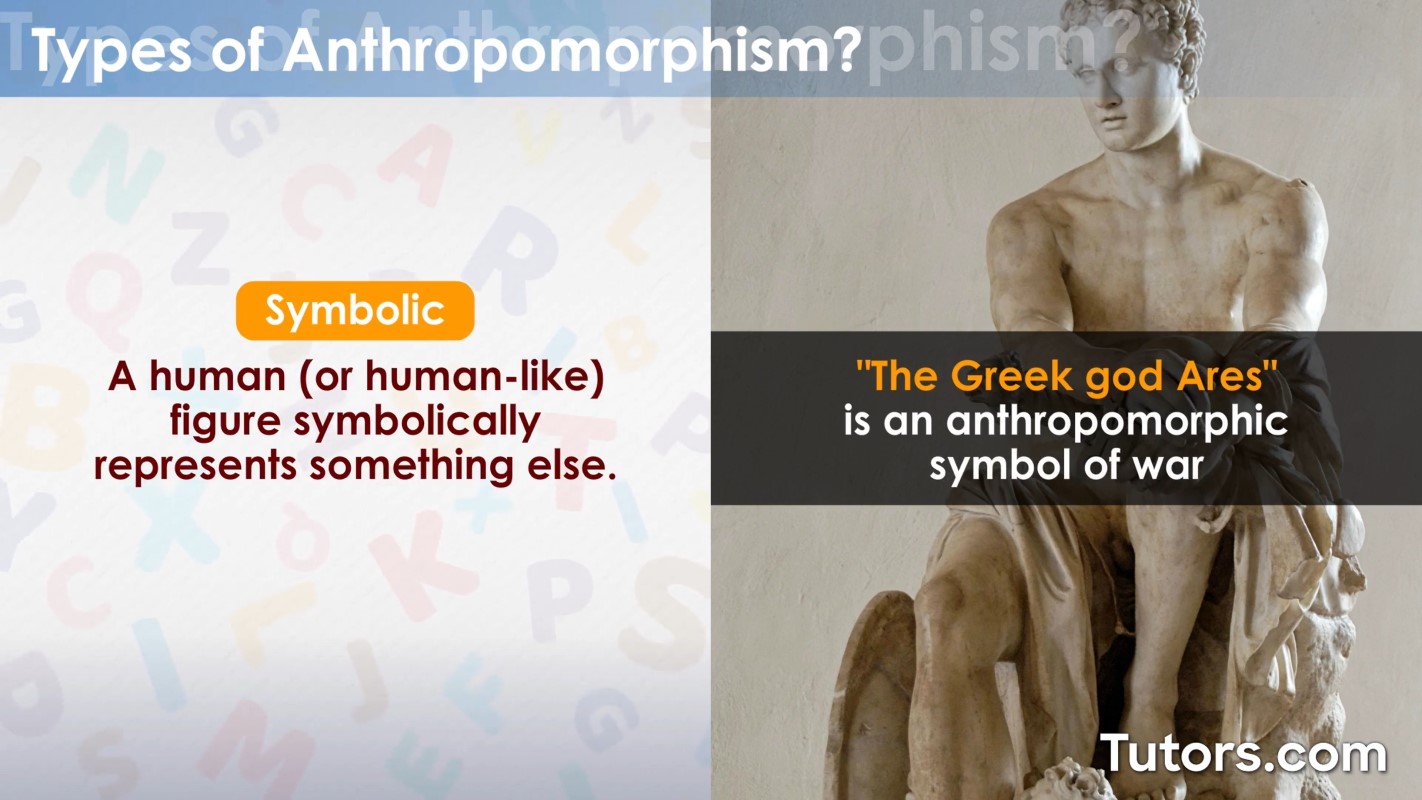
Moreover, anthropomorphism fosters social cohesion. By projecting human traits onto animals or natural phenomena, early societies could personify forces beyond their control—turning storms into vengeful deities or rivers into nurturing mothers. This not only made the world more predictable but also strengthened communal bonds, as shared beliefs in anthropomorphized entities reinforced group identity. Even today, the remnants of this evolutionary legacy linger in our tendency to anthropomorphize pets, brands, and even abstract concepts like “Mother Nature.”
Emotional Resonance: The Role of Mirror Neurons in Anthropomorphism
Emotions are the glue that binds anthropomorphism to human experience. When we anthropomorphize, we don’t just assign human traits—we also simulate the emotional responses those traits would elicit in us. This is where mirror neurons, the brain’s social chameleons, come into play. These neurons fire not only when we perform an action but also when we observe someone else performing it, creating a neural bridge between self and other. When we see a robot “struggle” to complete a task, mirror neurons in our anterior cingulate cortex and insula activate, allowing us to vicariously experience its “frustration.”
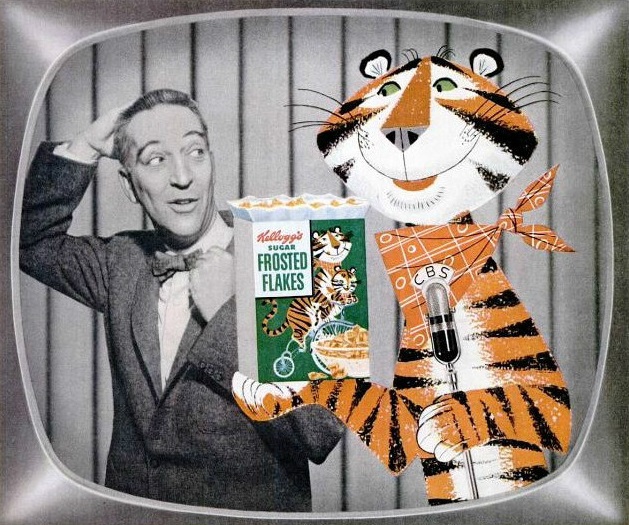
This emotional contagion extends beyond machines. Studies show that people who anthropomorphize their pets report stronger emotional bonds, ascribing joy, sadness, and even guilt to their animal companions. The same principle applies to inanimate objects: a well-designed product that “feels” intuitive to use can evoke a sense of satisfaction akin to human interaction. This emotional resonance is why anthropomorphism is a cornerstone of user experience design, from the friendly faces of GPS navigation systems to the “personalities” of AI assistants.
Cultural and Developmental Influences: How Society Shapes Our Perceptions
While the brain’s wiring sets the stage for anthropomorphism, culture and upbringing direct the performance. From childhood, we are conditioned to see human-like qualities in the world around us. Children’s stories, animated films, and even religious parables reinforce this tendency, teaching us that trees can whisper, teapots can dance, and cars can have souls. This cultural scaffolding ensures that anthropomorphism is not just a cognitive default but a learned behavior, refined by societal norms and media exposure.
Developmentally, anthropomorphism peaks in early childhood, as young minds grapple with the boundaries between self and other. Piaget’s theory of animism—the belief that inanimate objects possess life and consciousness—highlights how children naturally anthropomorphize before developing more abstract reasoning. As we age, this tendency often wanes, but it never fully disappears. Adults may suppress it in scientific contexts but readily indulge it in creative or emotional settings, such as naming hurricanes or empathizing with a fictional character’s plight.
The Dark Side of Anthropomorphism: When Projection Becomes Problematic
While anthropomorphism can enrich our lives, it also has a shadow side. Over-attributing human traits to non-human entities can lead to magical thinking, where we believe our actions directly influence unrelated outcomes—such as wearing a lucky shirt to a sports game or blaming a computer for “betraying” us. This can foster superstition, hinder rational decision-making, and even contribute to mental health issues like anxiety or paranoia when we perceive threats where none exist.
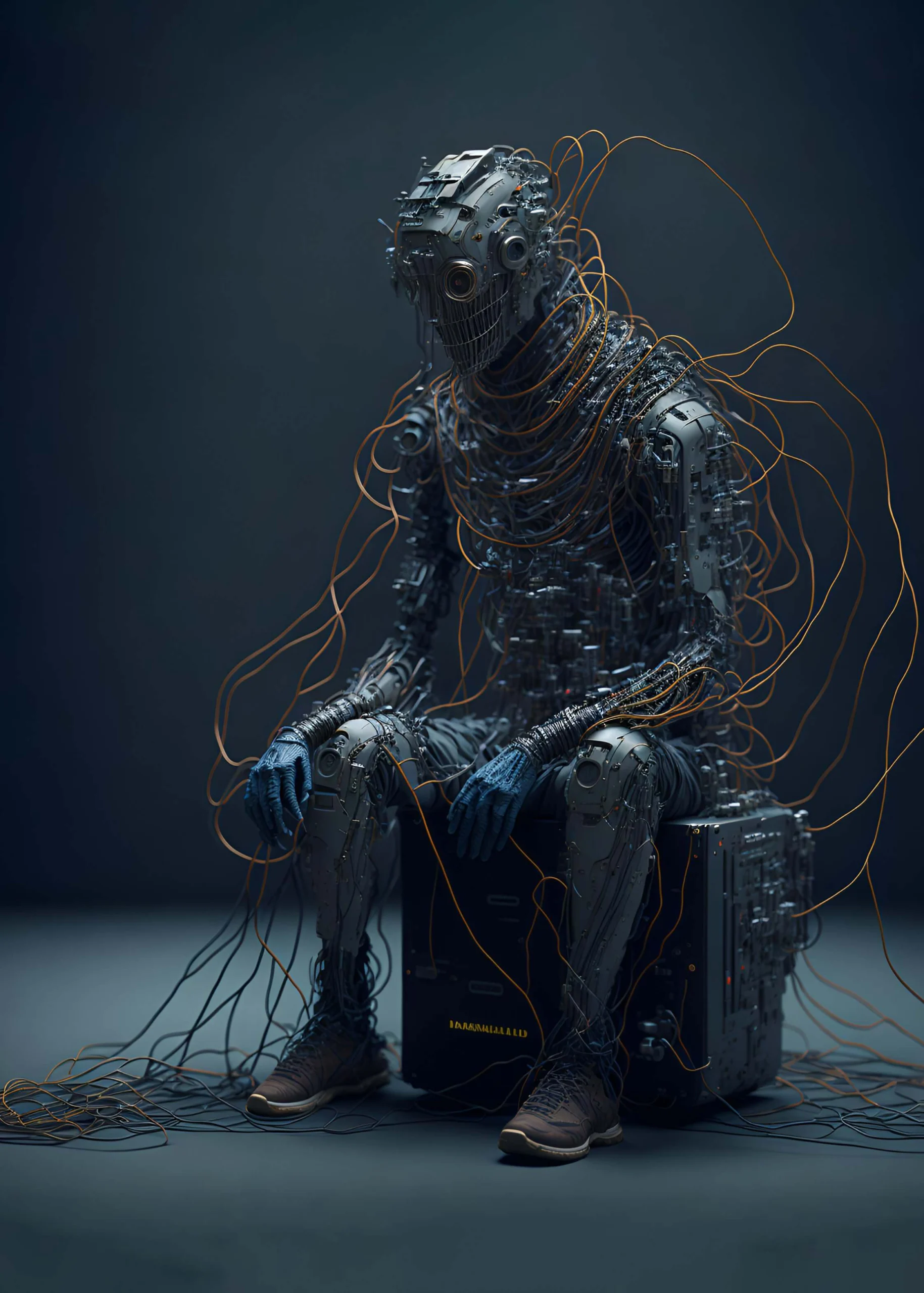
In the realm of technology, anthropomorphism can blur ethical boundaries. As AI systems become more human-like, the risk of uncanny valley effects—where near-human likeness triggers discomfort or revulsion—increases. Conversely, excessive anthropomorphism in robots or virtual assistants may lead users to overestimate their capabilities, creating unrealistic expectations or emotional dependencies. The line between helpful interaction and deceptive manipulation becomes perilously thin, raising questions about the ethics of designing machines that mimic human traits too closely.
Practical Applications: Harnessing Anthropomorphism for Innovation
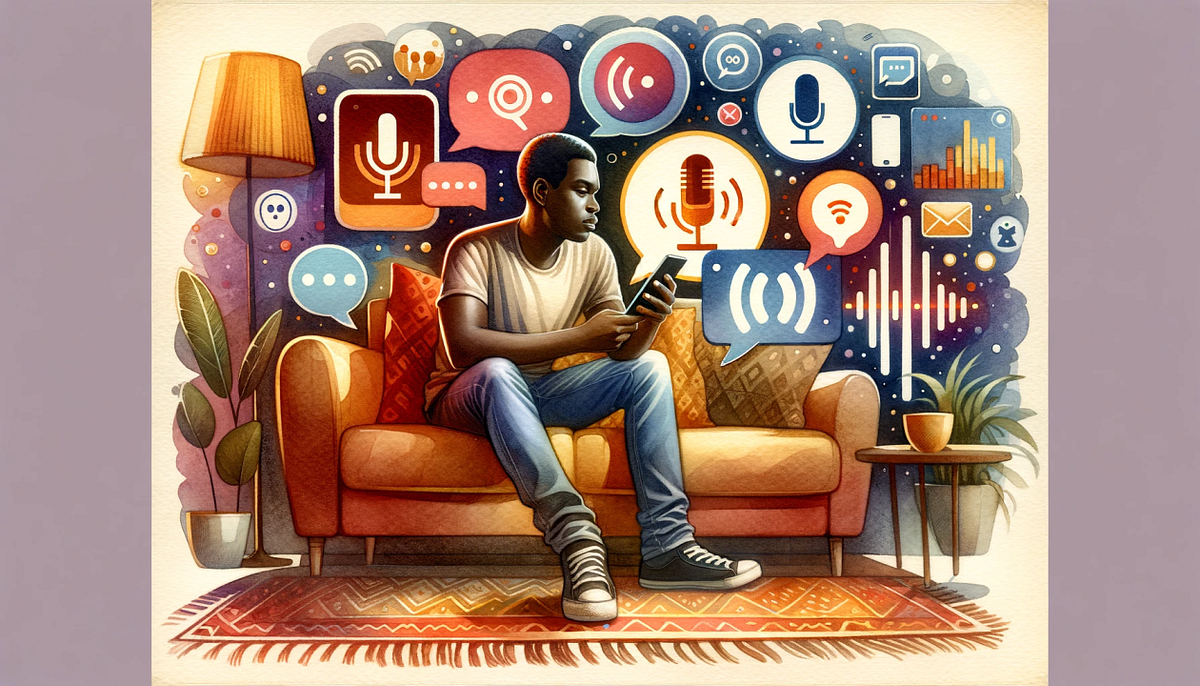
Despite its pitfalls, anthropomorphism remains a powerful tool in design, marketing, and human-computer interaction. Brands leverage this tendency to create affective computing systems—AI that responds to human emotions with empathy and nuance. For example, voice assistants like Siri or Alexa are programmed with subtle linguistic cues and tonal inflections to mimic human conversation, making interactions feel more natural and engaging.
In robotics, anthropomorphism can enhance usability. Robots designed with human-like faces or gestures—such as Sophia the AI robot or social companion robots for the elderly—are more likely to elicit trust and cooperation from users. Even in industrial settings, anthropomorphic robots can improve safety by making their movements more predictable and understandable to human workers. The key lies in striking a balance: enough human-like traits to foster connection, but not so many that they trigger the uncanny valley or ethical concerns.
The Future of Anthropomorphism: Between Promise and Peril
As technology advances, the boundaries of anthropomorphism will continue to blur. Emerging fields like neuroanthropology—which studies the intersection of brain science and cultural behavior—are shedding new light on how and why we project humanity onto the non-human. Meanwhile, advancements in AI and robotics are pushing the limits of what we consider “alive,” challenging our definitions of agency, consciousness, and even personhood.
Yet, with these opportunities come ethical dilemmas. Should we design AI to be more human-like, knowing it may exploit our natural tendencies for connection? How do we prevent anthropomorphism from distorting our perception of reality, especially in an era of deepfakes and synthetic media? These questions demand interdisciplinary collaboration, uniting neuroscientists, ethicists, and technologists to navigate the fine line between innovation and manipulation.
The story of anthropomorphism is, in many ways, the story of humanity itself—a testament to our brains’ relentless drive to find meaning, connection, and agency in a world that often feels indifferent. Whether we’re marveling at a sunset’s “smile” or cursing a glitchy app, we are, in essence, engaging in an ancient dance with the unknown, using the familiar to make sense of the unfamiliar. And as long as that dance continues, anthropomorphism will remain not just a quirk of cognition, but a fundamental thread in the tapestry of human experience.